A discreet buyer guide to evaluating Viceroy Brickell through the lens of private calls, advisor visits, daily work rhythm, and long-term residential flexibility.

For the buyer who works from home, Viceroy Brickell is not simply a residence to admire at golden hour. It is a working environment, a receiving room, a confidential call suite, and a base for advisors who may arrive with legal documents, portfolio materials, estate-planning binders, or family office counsel. The purchase decision should therefore move beyond views, finishes, and amenity impressions toward a sharper question: can the home protect concentration, privacy, and polish on an ordinary Tuesday?
Brickell rewards convenience, but convenience alone does not solve the central issue for remote principals. A buyer who handles private calls needs quiet separation, stable circulation, and a layout that lets home life continue without interrupting a negotiation, board call, telehealth appointment, or family office review. The best residence makes high-stakes work feel effortless, not improvised.
The first test is not the panorama. It is the route from the front door to the work zone. If an advisor arrives while family, staff, or guests are present, can the meeting happen without crossing bedrooms, personal storage, or informal living areas? A refined plan offers an elegant path to a den, library, secondary sitting room, or flexible room that can function as a private office without becoming a compromise.
Buyers should study where glass, corridors, elevator arrivals, powder rooms, and service areas sit in relation to the work setting. A beautiful room may fail if it sits too close to the kitchen, primary suite, television wall, or children’s space. In a high-functioning home, the office has psychological distance. It feels connected enough for daily use, yet independent enough for confidential conversation.
Furniture planning matters as much as square footage. A desk facing a wall may be adequate for occasional email, but private calls require lighting, acoustics, camera background, charging access, and an elegant place for two or three visitors to sit. A buyer who expects visiting advisors should imagine a full meeting, not just a laptop session.
Luxury buyers often respond to what they can see, but work-from-home performance is shaped by what they do not hear. Before committing, ask how the proposed office area handles sound from elevators, neighboring units, amenity levels, mechanical systems, and interior living zones. Thick doors, thoughtful closets, buffered walls, and distance from social rooms can matter more than another decorative surface.
For private calls, the ideal room supports a calm voice and removes the need to whisper. It should allow a buyer to speak naturally without wondering who can hear from the hall, terrace, or adjacent room. If household staff, visiting family, or overnight guests are part of the buyer’s life, sound control becomes a daily quality-of-life issue rather than a technical detail.
The Balcony and Terrace should also be considered through a professional lens. Outdoor space can be restorative between calls, but it may not be the right setting for sensitive conversations. Wind, city sound, reflections, and neighboring sightlines can make even a spectacular outdoor area better suited to decompression than confidentiality.
A residence suited to visiting advisors should preserve hospitality without becoming commercial. The arrival sequence should feel composed: entry, greeting, powder room access, seating, conversation, departure. If every meeting requires moving personal items, closing multiple doors, or redirecting guests away from private rooms, the home is working too hard.
Consider where documents can be reviewed discreetly. A dining table may be elegant, but it is rarely ideal if meals, family activity, or entertaining overlap with advisory visits. A secondary sitting area or enclosed study allows the owner to receive counsel without exposing the rhythms of the household.
Technology should be planned early. Buyers should think about multiple screens, secure storage, discreet printers, shredding needs, charging drawers, and hard surfaces for signing documents. The goal is not to recreate a corporate office. It is to create a residential setting that can handle serious work with grace.
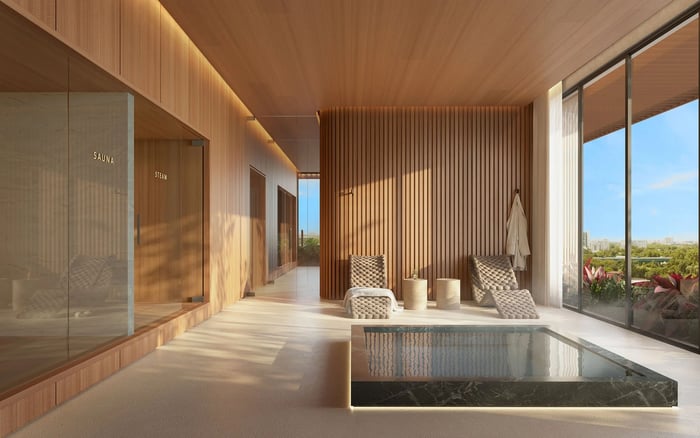
For the remote executive, amenities are not background decoration. They determine whether the building supports energy, recovery, and schedule control. A Pool may be less about leisure than restoring focus between morning calls and an afternoon strategy session. Fitness areas, lounges, and outdoor spaces should be evaluated for how they fit real weekday use, not just how they photograph.
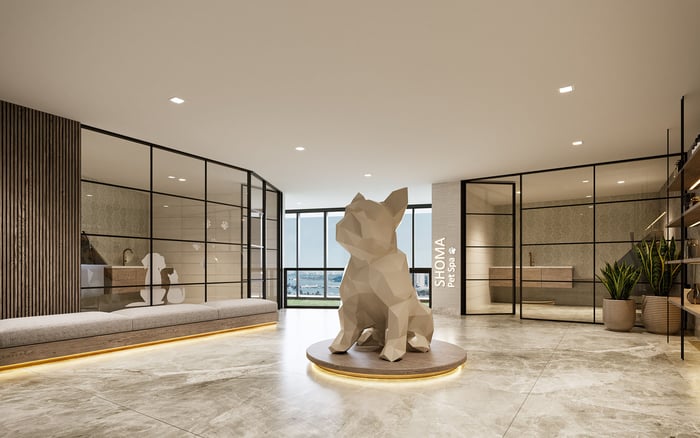
Pets are another practical consideration for buyers who spend much of the day at home. A pet-friendly rhythm can affect elevator timing, morning routine, and the ability to step out briefly between meetings. If animals are part of the household, the residence should support them without creating friction with calls, guests, or staff movement.
The most elegant solution is balance. The home should offer enough amenity access to relieve pressure from the private residence, while the residence itself remains quiet, controlled, and dignified. Buyers should avoid assuming that a larger amenity package automatically solves a work-from-home life. Sometimes the more valuable asset is a floor plan that simply behaves well.
Investment value for this buyer profile is not limited to market timing. It includes functional resilience. A residence that can serve as a private office, advisory suite, and family base may appeal to future buyers who share similar work patterns. Flexibility matters because the way affluent owners use their homes has changed, and many now expect a primary residence to support professional life without sacrificing privacy.
That does not mean every bedroom should become an office. It means the unit should offer credible options: a room that can close, a seating area that can host a serious conversation, storage that can conceal work materials, and a living space that remains beautiful after the laptop closes. In Brickell, where many buyers prize proximity and pace, these quieter functional qualities can distinguish a residence long after the first impression fades.
A careful buyer should underwrite the daily script: who arrives, where they wait, where they sit, what they see, what they hear, and how the home returns to calm after they leave. If the script feels natural, the residence is more than attractive. It is operationally elegant.
Before touring, buyers should define the exact work profile the home must support. How many calls occur each day? Are they video calls, audio calls, or document-heavy meetings? Do advisors visit monthly, weekly, or during concentrated planning periods? Will spouses, adult children, assistants, or household staff also need work zones?
During a showing, spend time in silence. Stand where the desk might go. Close doors. Walk the advisor route from entry to seating. Check whether a visitor can use a powder room without passing private areas. Look at the background for video calls, the location of outlets, the depth of walls for millwork, and the natural light across the day.
Most important, resist judging the home only as a spectacle. For this buyer, the right Viceroy Brickell residence should feel composed under pressure. It should support concentration before it announces itself. It should let the owner speak freely, receive counsel discreetly, and return to family life without rearranging the household.
Is Viceroy Brickell a good fit for a buyer who works from home? It can be, if the specific residence offers quiet separation, a credible office zone, and a smooth path for visitors. The individual floor plan matters more than the general impression.
What should private-call buyers inspect first? Start with acoustics, room placement, door separation, and what appears behind you on video. These details determine whether the home performs under real professional pressure.
Should the office be near the living room? It depends on household rhythm, but distance from television, kitchen activity, and guest circulation is usually valuable. The best office feels accessible without being exposed.
How should visiting advisors be accommodated? Look for a composed arrival path, nearby powder room access, comfortable seating, and a setting where documents can be reviewed discreetly. The meeting should not disrupt private rooms.
Is a Balcony useful for work calls? A Balcony can be excellent for breaks and informal moments, but sensitive calls are usually better indoors. Outdoor sound, wind, and sightlines can compromise discretion.
Does a Terrace add value for remote work? A Terrace can improve lifestyle quality by offering outdoor reset space between calls. It should be evaluated as a complement to the office, not a substitute for one.
How should buyers think about a Pool amenity? A Pool can support wellness and schedule control for remote owners. Its real value depends on how easily it fits into the buyer’s weekday routine.
Are Pets a serious consideration for this type of purchase? Yes, Pets affect elevator timing, daily breaks, noise, and guest flow. Buyers should confirm that the residence and building rhythm support their household comfortably.
What makes the purchase an Investment beyond location? Functional flexibility can strengthen long-term appeal. A home that supports private work, advisory visits, and family living may resonate with future buyers.
What is the most important question to ask during a showing? Ask whether the home can handle a confidential call and an advisor visit on the same day without disrupting the household. If the answer feels effortless, the residence deserves serious attention.
For a tailored shortlist and next-step guidance, connect with MILLION.
If branded residences are on your mind — as a home or as an allocation — we would be glad to share what we are seeing, privately.
Begin a quiet conversation