Lower-floor residences can offer compelling value in luxury condominiums, but the discount is rarely about elevation alone. For South Florida buyers, the essential question is whether a lower-floor home carries quiet, practical risks that may influence livability, liquidity, and long-term positioning.
In South Florida luxury condominiums, the conversation around lower-floor residences often begins with price. A buyer compares a residence several levels below a preferred stack, sees a more approachable number, and starts to weigh whether the savings justify the tradeoff. Yet the sharper question is quieter and more consequential: what risk is actually being priced in?
Not all lower floors carry the same compromise. Some sit above a serene garden, a resort deck, or a protected water view. Others live closer to arrival courts, mechanical zones, neighboring roofs, street movement, or amenity activity. The value difference is therefore not simply vertical. It is experiential.
For a buyer accustomed to selecting by building, line, exposure, and finish level, lower-floor evaluation requires a slightly different lens. The strongest purchase is not the one that looks least expensive on paper. It is the one where the discount aligns with a manageable, understood, and acceptable set of daily conditions.
High floors often command attention because they offer distance, drama, and perceived prestige. Lower residences require a more nuanced reading. They may provide an easier psychological connection to the landscape, less elevator dependence, and a more residential sense of proportion. In some buildings, a lower residence can feel calmer and more grounded than a sky-level home.
The issue is that many buyers evaluate the unit during a narrow showing window. A residence may feel peaceful at midday, then change character during evening arrivals, weekend pool activity, service movement, or nearby traffic patterns. The quiet-risk question is about consistency. Does the home perform well not just during the showing, but throughout the hours when an owner would actually live there?
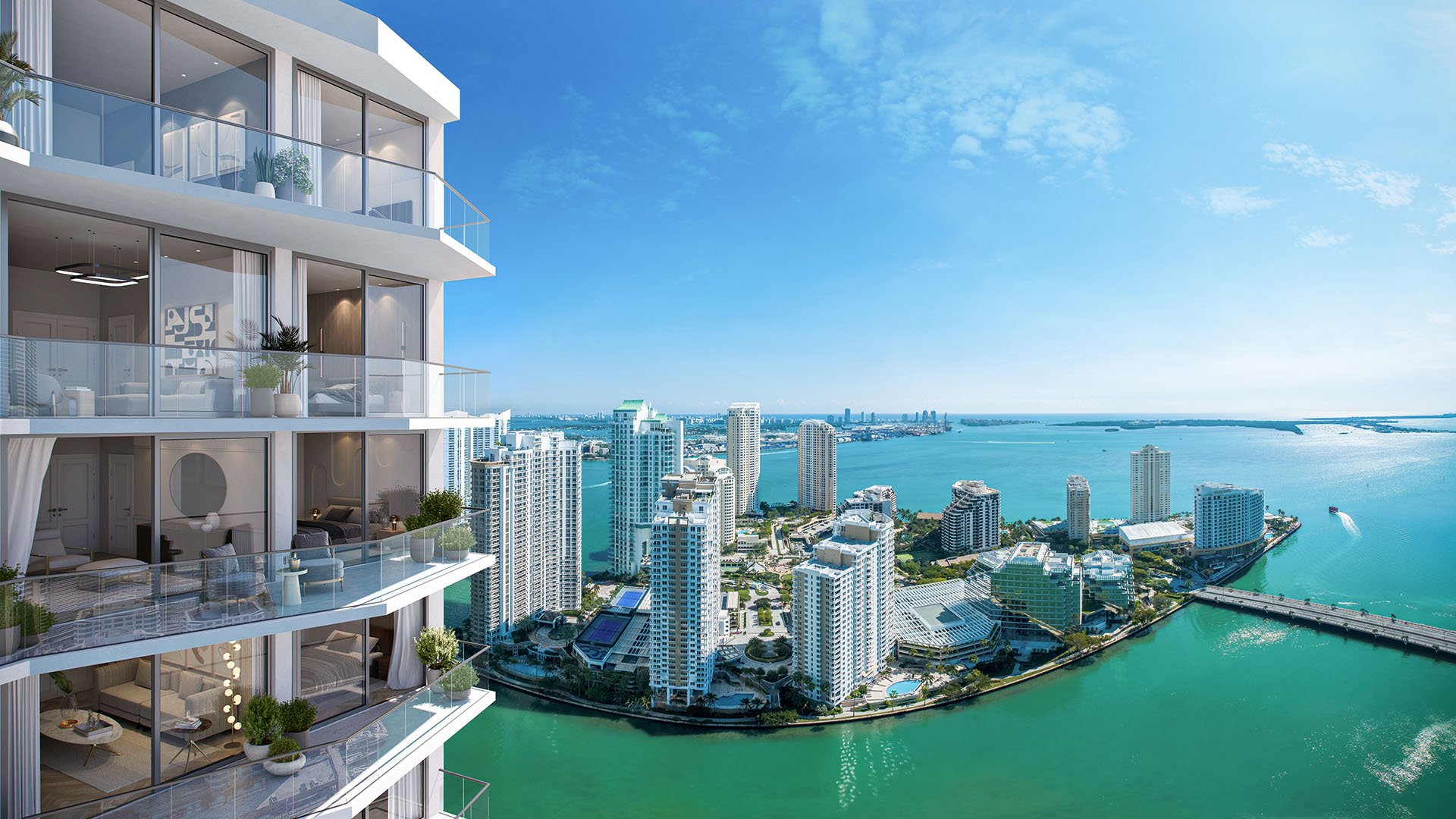
This matters especially in markets such as Brickell, where the vertical lifestyle is part of the appeal but the surrounding environment remains active. It also matters in oceanfront settings, where a lower home may have immediate beauty but greater exposure to communal movement, terrace sightlines, or noise from outdoor programming. The best buyers do not dismiss these residences. They test them more carefully.
The first risk is privacy. A lower-floor home may be visually connected to a pool deck, neighboring building, street, marina, walkway, or amenity terrace. A beautiful balcony loses some of its utility if an owner feels observed while having morning coffee or hosting a private dinner. Privacy should be evaluated seated, standing, indoors, and outdoors because each angle tells a different story.
The second risk is sound. Luxury buyers often think about soundproofing between residences, but lower floors introduce a broader field of sound sources. These may include vehicle movement, lobby arrivals, loading activity, landscaping, pool use, fitness areas, restaurant spaces, or rooftop equipment from adjacent structures. Sound is not only about volume. It is about timing, repetition, and whether it interrupts the rituals of the home.
The third risk is outlook. A waterview from a lower level can be exceptional when the water plane feels close and cinematic. But outlook can also be interrupted by podiums, railings, landscaping, neighboring façades, or future obstructions that are difficult to assess casually. Buyers should think in layers: immediate foreground, mid-distance view, and long horizon.
The fourth risk is liquidity. Resale value depends on how easily the next qualified buyer understands and accepts the same tradeoffs. A lower-floor residence with a rational discount, appealing floor plan, and distinctive outdoor connection may be highly marketable. A lower-floor residence with ambiguous compromises may require more explanation, longer patience, or sharper pricing when it returns to market.
Lower-floor value is most compelling when the residence has a clear identity. A home that opens toward mature landscaping, a marina edge, a protected courtyard, or a broad water plane can feel intentional rather than discounted. The owner is not merely accepting less height. The owner is choosing a different relationship to place.
Floor plan also matters. A strong layout can offset a less elevated position. Wide living rooms, sensible bedroom separation, generous storage, private elevator entries, and graceful outdoor space can create a more complete living experience than a higher unit with a compromised plan. In luxury real estate, livability often outlasts the first impression of height.
The lower-floor opportunity becomes especially interesting for an investment-minded buyer who is disciplined about exit strategy. The goal is not to buy the cheapest residence in a building. The goal is to buy the residence whose price reflects real, limited, and understandable tradeoffs while preserving the emotional qualities that future buyers will still value.
A refined lower-floor inspection should begin before entering the unit. Pause in the arrival sequence. Notice traffic flow, valet rhythm, service access, amenity proximity, and the way sound travels through the podium or courtyard. Luxury is experienced through transitions, not only through interiors.
Inside the residence, spend time near the glass with doors closed, then open. Step onto the balcony and remain quiet for several minutes. Look not only outward, but downward and sideways. Ask whether the terrace feels private at breakfast, at sunset, and during a small gathering. If the home depends on outdoor living, the outdoor room must be judged as carefully as the primary suite.
Light should be studied as a practical condition rather than a generic advantage. A lower residence may receive softer, more comfortable light than a high home with intense exposure. It may also lose brightness to neighboring structures or deep overhangs. The question is whether the light supports the owner’s actual habits: reading, working, entertaining, dressing, resting, and displaying art.
Buyers should also evaluate the emotional register of the residence. Does it feel protected or enclosed? Connected or exposed? Calm or busy? These impressions are not superficial. At the highest end of the market, the daily feeling of the home is part of the asset.
The most common mistake is assuming every lower-floor residence deserves a large discount simply because it is lower. That view is too blunt. A lower home with excellent privacy, strong outlook, and a superior plan may outperform a higher home with a weaker layout or less usable outdoor space.
The opposite mistake is treating the discount as pure opportunity. A low entry price can be alluring, but if the residence has persistent privacy or sound issues, the savings may reappear later as reduced demand. In resale planning, an owner should expect the next buyer to ask the same questions with fresh skepticism.
A disciplined buyer prices each compromise separately. How much is the lost horizon worth? How much is the added convenience worth? How meaningful is the exposure to amenity activity? How rare is the floor plan? How easily can the home be staged, furnished, and explained when it returns to market? The answer is rarely a single percentage. It is a negotiated view of lived quality.
Lower-floor value is personal. A seasonal owner who prioritizes ease, outdoor dining, and quick access to amenities may find an elegant lower residence ideal. A full-time owner who works from home and prizes silence may require more distance from activity. A collector may care deeply about light control and wall space. A host may focus on terrace privacy and guest flow.
In South Florida, where lifestyle is central to the purchase, the right floor is not always the highest one. It is the floor that best supports the owner’s rhythm. The quiet-risk question gives buyers a way to move beyond reflexive hierarchy and toward a more mature decision.
Are lower-floor luxury condos always less desirable? No. Some lower residences offer excellent privacy, outdoor connection, and livability, especially when the view corridor and sound environment are strong.
What is the biggest risk with a lower-floor condo? Privacy is often the most immediate concern, followed closely by sound and the quality of the outlook from both interior rooms and outdoor space.
Can a lower-floor condo be a strong investment? Yes, if the discount reflects manageable tradeoffs and the residence remains easy to understand, enjoy, and eventually resell.
Should I choose high floors over lower floors by default? Not by default. High floors may offer broader views, but lower floors can deliver stronger connection to landscape, amenities, or water.
How should I judge a balcony on a lower floor? Test privacy, sound, light, and sightlines from seated and standing positions, not only from the doorway during a quick showing.
Does a waterview matter less on a lower floor? Not necessarily. A lower waterview can feel intimate and beautiful if it is protected, open, and not visually interrupted.
Are oceanfront lower-floor condos more exposed? They can be, depending on the building design, amenity placement, and pedestrian movement, so the outdoor experience should be studied carefully.
Is Brickell different from quieter coastal markets? Yes. Brickell buyers should pay particular attention to urban movement, arrival patterns, neighboring towers, and sound at different times of day.
What matters most for resale? The next buyer must be able to understand the value quickly, which means the residence needs a clear advantage beyond its lower price.
When is a lower-floor discount worth accepting? It is worth considering when the savings are paired with strong layout, acceptable privacy, pleasant light, and a credible exit strategy.
For a tailored shortlist and next-step guidance, connect with MILLION.
If branded residences are on your mind — as a home or as an allocation — we would be glad to share what we are seeing, privately.
Begin a quiet conversation