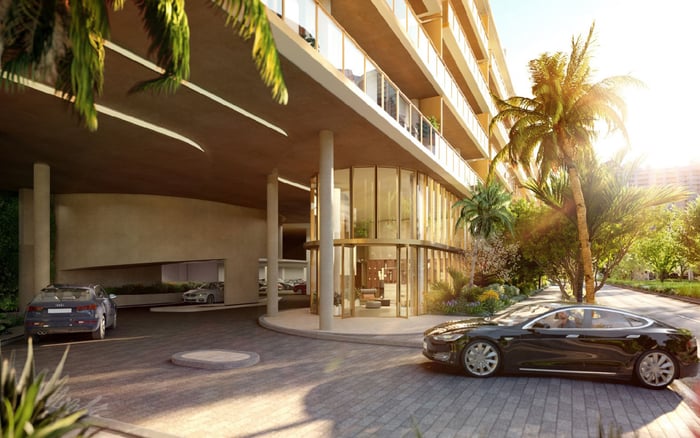
For luxury buyers comparing Brickell Key with South Brickell, service elevator availability can change how a residence actually lives after closing. The question is less about convenience alone and more about privacy, staffing, deliveries, renovations, pets, move logistics, and the rhythm of daily household operations.
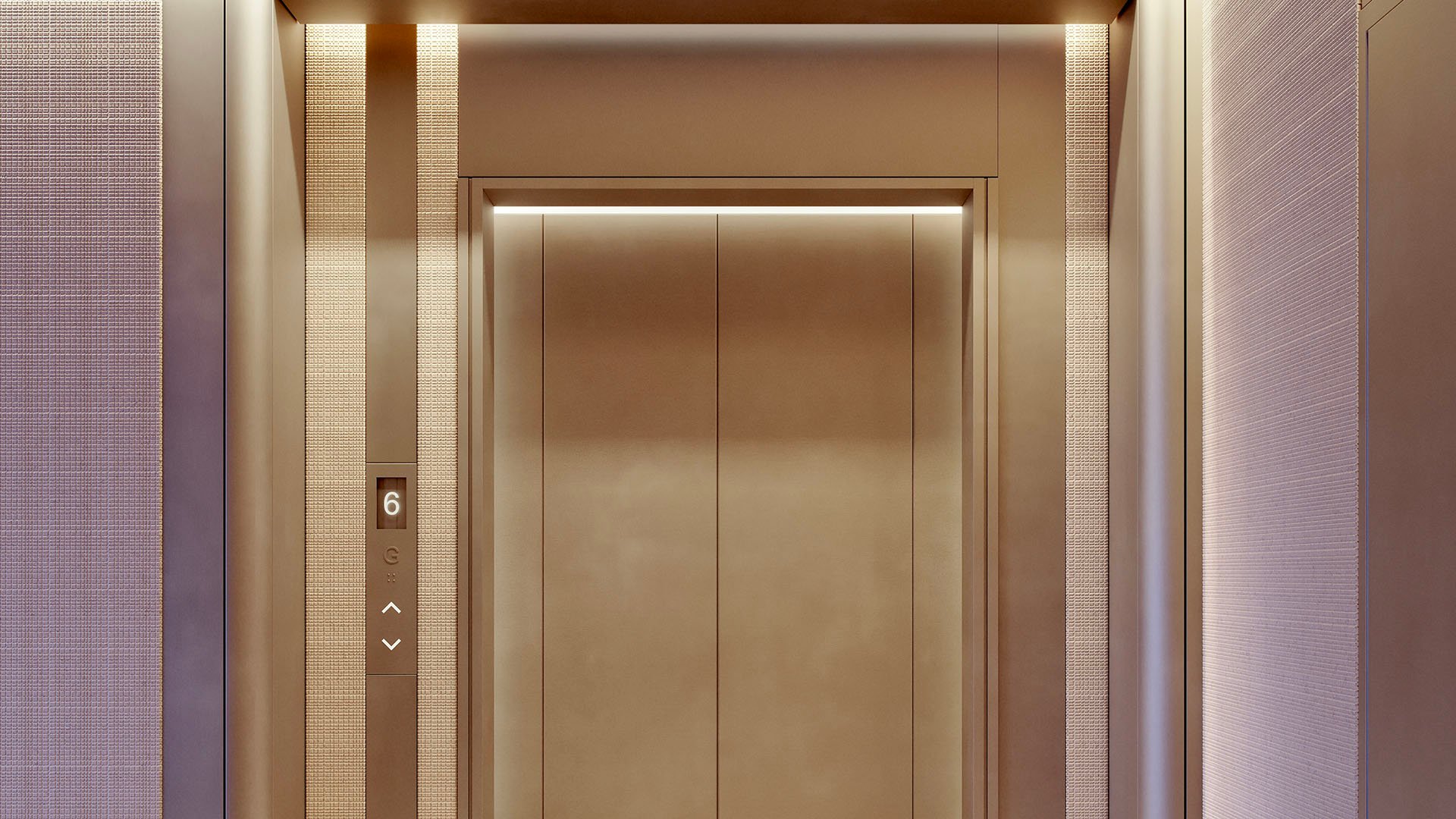
In South Florida luxury real estate, buyers are fluent in exposure, ceiling height, terrace depth, valet sequence, and amenity programming. Yet one of the most revealing questions is often quieter: how available is the service elevator when life is actually happening?
For a primary residence, pied-a-terre, or staff-supported household, the answer can reshape the comparison between Brickell Key and South Brickell. A building may feel serene in the lobby and cinematic from the balcony, but daily living depends on the movement of people, packages, luggage, vendors, pet care, florals, art handlers, caterers, and maintenance teams. When those movements are poorly coordinated, the private home begins to feel less private.
This is not a minor operational detail. It is a quality-of-life filter. The sharper buyer asks how those preferences perform at 9 a.m. on a Monday, during a holiday week, or when a renovation contractor needs repeated access without interrupting the residence.
The Brickell Key buyer is often evaluating quietness, controlled arrival, and a more contained residential rhythm. The South Brickell buyer may be drawn to a broader urban cadence, immediate movement, and a tower environment with strong vertical connectivity. Neither preference is inherently superior. The distinction is how each setting supports the household’s daily choreography.
Service elevator availability becomes the practical test. If a buyer expects frequent grocery deliveries, wardrobe services, pet walkers, medical support, private chefs, housekeepers, or art installation teams, the romance of an address must be matched by procedure. The right building makes these activities feel invisible. The wrong fit can turn ordinary routines into recurring negotiations with the front desk, loading area, or property management office.
For South Brickell buyers, project-level conversations may include Una Residences Brickell, St. Regis® Residences Brickell, The Residences at 1428 Brickell, or Cipriani Residences Brickell. In every case, buyers should verify how moves are scheduled, how vendors are processed, and whether service access aligns with resident privacy.
A serious buyer should ask for the building’s service elevator procedures before contract, not after closing. The essential questions are simple, but the answers reveal a great deal.
Is there a dedicated service elevator, or does a passenger elevator become a service elevator during certain windows? Are there blackout periods for moves, deliveries, or contractor access? Can the elevator be reserved, and if so, how far in advance? Are there fees, deposits, insurance requirements, padding requirements, or time limits? How does the building handle simultaneous move-ins, furniture deliveries, and vendor traffic?
For households with staff, the inquiry should go deeper. Can recurring staff enter efficiently without disrupting resident privacy? How are keys, fobs, parking, and package protocols handled? Are service routes intuitive, or do they require repeated coordination? Does the building treat back-of-house logistics as hospitality, security, or inconvenience?
A showcase home used seasonally has different needs than a full-time family residence with weekly services and frequent entertaining. The buyer’s task is to match the building’s procedures to the intended use of the residence.
Service elevator access becomes most important when a buyer plans improvements. Even light customization can involve designers, contractors, millworkers, appliance teams, lighting specialists, drapery installers, and art handlers. Each visit may require elevator coordination. Each delivery may need loading access. Each rule can affect timing, cost, and stress.
The buyer who plans to replace flooring, modify closets, install built-ins, upgrade lighting, or commission specialty wall finishes should request all alteration procedures early. The service elevator is not merely a path for materials. It is the gateway through which the renovation schedule must pass.
In some buildings, procedures can be highly structured. That may be positive if the structure protects residents and keeps projects orderly. It may be frustrating if the buyer expects speed, flexibility, or frequent last-minute changes. A disciplined building is not automatically restrictive. A flexible building is not automatically convenient. The right answer depends on the owner’s tolerance for process.
Luxury living in Brickell is increasingly about discretion. The most polished properties understand that service movement should not compete with resident movement. A guest arriving for dinner should not share an elevator with a floral delivery if the building can avoid it. A resident returning from travel should not navigate around moving pads and carts. A housekeeper should not need repeated lobby explanations to perform a familiar routine.
For pet owners, service access can also matter. Some buildings encourage specific routes for dog walkers or pet care providers. Others may require all third-party service personnel to follow particular check-in steps. Buyers should not assume these protocols will be casual simply because the building feels residential.
Entertaining adds another layer. Caterers, bartenders, musicians, rental furniture, florals, and event staff often require coordinated access. In a high-service condominium, the best operations feel calm because they are planned. The buyer who hosts frequently should ask whether the building is comfortable with that rhythm and what approvals are required.
A service elevator does not exist in isolation. It works with the garage, loading dock, valet operation, security desk, package room, freight route, management team, and elevator bank. A building with a dedicated service elevator can still feel inconvenient if scheduling is difficult. A building with fewer separations can still perform well if its management culture is responsive and its resident population aligns with the buyer’s rhythm.
This is where Brickell Key and South Brickell diverge less by geography and more by building personality. The right question is not, which neighborhood has better service elevators? The better question is, which specific building has rules that suit the way this household will live?
For some buyers, a calmer setting and predictable access will matter most. For others, proximity, energy, and a larger menu of new residences will outweigh stricter procedures. A buyer who travels light, entertains rarely, and uses the residence seasonally may prioritize views and finishes. A buyer with staff, children, pets, frequent deliveries, or planned renovations should elevate service logistics to the same level as floor plan and amenity design.
Before choosing between Brickell Key and South Brickell, ask management or the seller’s representative for written building rules. Review move-in procedures, alteration guidelines, delivery hours, contractor access, insurance requirements, parking protocols, and any restrictions on weekends or holidays. If possible, tour the actual service path from loading area to elevator to residence level.
Also observe the building at different times of day. A tower can feel effortless during a private showing and more complex during peak delivery hours. Ask how the building handles large furniture, art, wine storage transfers, appliance replacement, and emergency maintenance. The answers will clarify whether the property is organized for the way you intend to live.
The most sophisticated Brickell purchase is not simply the one with the best view. It is the one where the visible and invisible systems agree. When the service elevator performs quietly, the residence feels larger, calmer, and more complete.
Why should a luxury buyer ask about service elevator availability? It affects deliveries, staff access, renovations, moves, and privacy. In daily life, those details can matter as much as finishes or views.
Is Brickell Key automatically quieter than South Brickell? Not automatically. The experience depends on the specific building, its resident culture, and how it manages arrivals and service movement.
Does a dedicated service elevator guarantee convenience? No. Scheduling rules, management responsiveness, loading access, and blackout periods can be just as important as the elevator itself.
What should renovation-minded buyers review first? They should review alteration rules, contractor hours, insurance requirements, elevator reservation policies, and material delivery procedures.
Do seasonal owners need to care about service elevators? Yes. Seasonal owners often rely on deliveries, housekeeping, luggage handling, and maintenance visits before and after their stays.
How does service access affect privacy? Strong service routes reduce overlap between residents, guests, vendors, and household staff. That separation can make the home feel more discreet.
Should pet owners ask different questions? Yes. They should ask how dog walkers, groomers, and pet care providers enter, park, and move through the building.
Can entertaining be affected by elevator rules? Yes. Caterers, florists, musicians, and rental vendors may need reservations, approvals, or specific access windows.
Is new construction always better for service logistics? Not always. New construction can offer modern planning, but procedures and management culture still determine the lived experience.
What is the best way to compare Brickell buildings? Compare written rules, actual service routes, staffing procedures, and how each building handles the household routines you expect.
To compare the best-fit options with clarity, connect with MILLION.
If branded residences are on your mind — as a home or as an allocation — we would be glad to share what we are seeing, privately.
Begin a quiet conversation