A discreet buyer’s guide to Palm Beach waterfront real estate through the lens of scarcity, privacy, architectural restraint, and long-term ownership discipline.
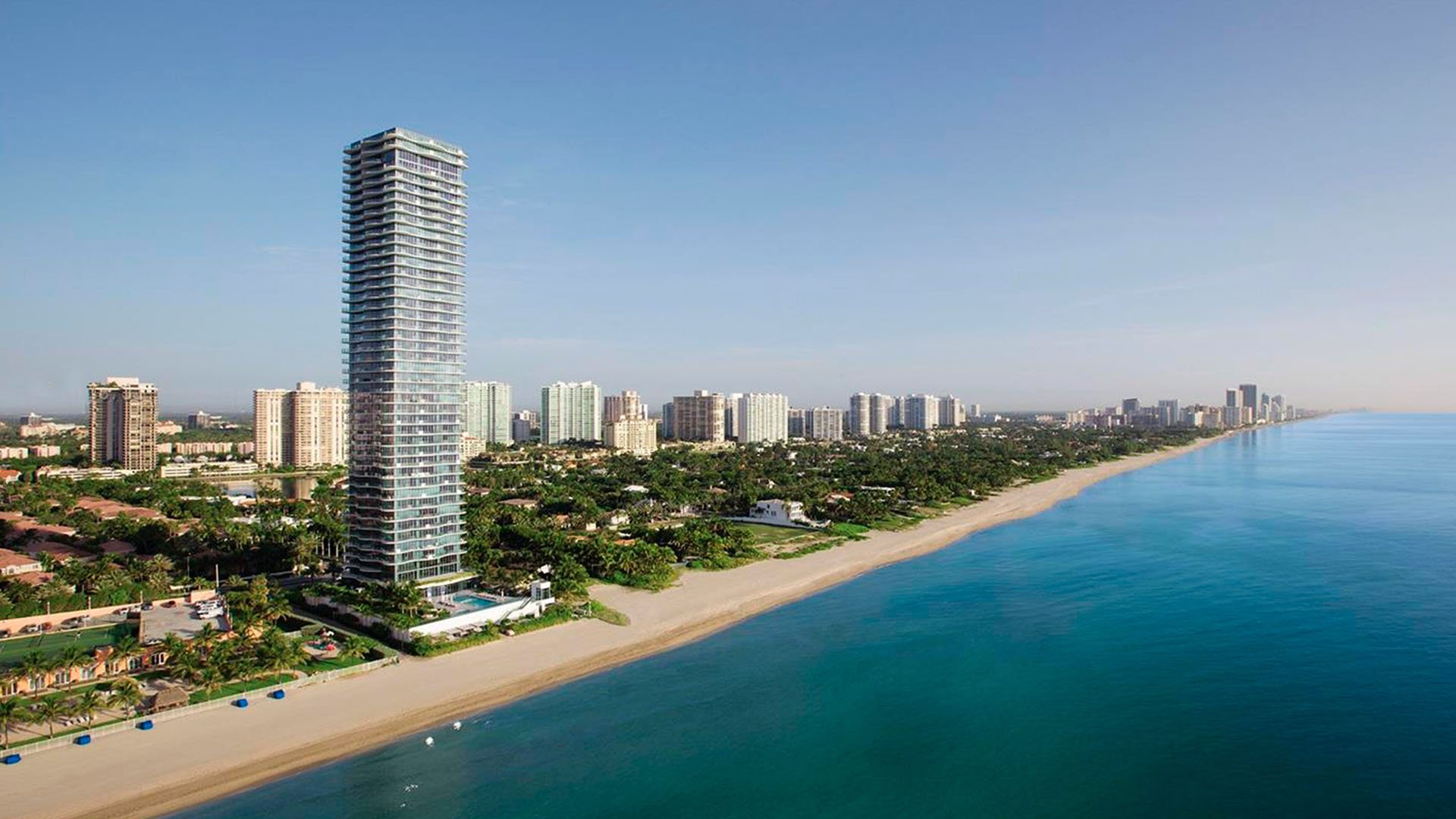
Palm Beach is not a market that needs to announce itself. Its strongest residential argument is often made quietly: privacy, composure, scale, light, and the rare ability to own a setting that cannot be easily replicated. When waterfront scarcity matters, the conversation shifts from novelty to permanence.
For the ultra-premium buyer, quiet luxury is not minimalism for its own sake. It is the discipline to value what endures after fashion changes. A waterfront home in Palm Beach can offer a residential presence that is difficult to duplicate: a daily relationship with water, a sense of remove, and a lifestyle shaped by refinement rather than display.
The buyer drawn to this case is usually not searching for the loudest address. The search is more exacting. It is about privacy without isolation, beauty without spectacle, and a property that feels as relevant in a decade as it does on closing day. In that context, scarcity is not merely a pricing concept. It is the framework for understanding why the right waterfront setting commands disciplined attention.
Scarcity is often overused in luxury real estate, but for waterfront property it has a clearer meaning. A buyer is not only purchasing interiors, finishes, or amenities. The more durable value sits in land, frontage, orientation, approach, privacy, water exposure, and the feeling created by the site itself.
This is why waterfront decisions require a different kind of underwriting. A newly refreshed room can be recreated. A particular line of sight, a sense of separation from neighboring properties, or the rhythm of morning light over water cannot be manufactured on demand. For some buyers, that distinction is the essence of Palm Beach.
Quiet luxury also changes the hierarchy of features. A dramatic entrance may matter less than how a home lives from room to room. A large terrace may matter less than whether it feels sheltered, usable, and connected to the water. The most sophisticated buyers often look past surface glamour and ask whether the property has qualities that remain meaningful when trends recede.
In search language, Palm Beach becomes more than an area label. It signals a preference for restraint, water adjacency, privacy, and legacy-minded ownership. For those comparing nearby options, West Palm Beach may represent urban convenience and cultural access, while the waterfront Palm Beach proposition remains centered on quiet control.
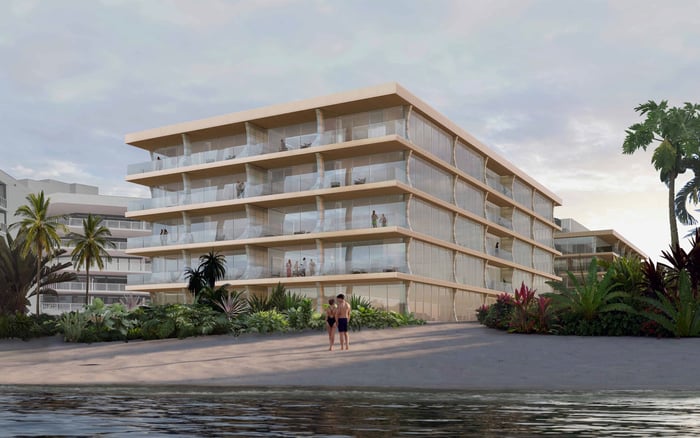
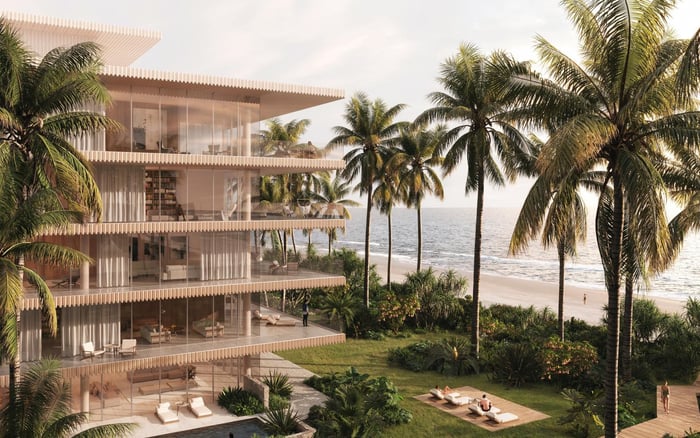
A compelling Palm Beach waterfront home rarely needs to overexplain itself. The architecture can be formal, modern, tropical, or transitional, but the most durable residences understand proportion. They allow water, garden, sky, and materiality to share the stage.
This is where restraint becomes a luxury amenity. Buyers should study ceiling heights, window placement, shaded outdoor rooms, arrival sequence, and the relationship between public and private spaces. A residence that moves calmly from entry to living areas to water can feel more luxurious than one that relies on immediate theatrical impact.
Interior condition matters, but it should not distract from the deeper question: does the home respect its setting? A waterfront property that feels overdesigned can age quickly. One that balances architecture, landscape, and view can hold its emotional value with greater confidence.
For a buyer considering renovation, restraint is equally important. The best improvements often clarify what the site already does well. They improve flow, frame views, refine materials, and remove visual noise. In a scarce waterfront setting, the goal is not to make the property louder. It is to make its inherent advantages more legible.
The phrase trophy property can obscure the practical realities of living well. In Palm Beach, the better question is not whether a home impresses immediately, but whether it supports the buyer’s desired rhythm. Some owners prioritize mornings by the water and evenings in town. Others care about hosting discreetly, accommodating family, or maintaining a residence that feels effortless across seasons.
Waterfront living should be evaluated through use, not fantasy. How does the home perform at different times of day? Are outdoor spaces comfortable and intuitive? Does the primary suite feel private? Are guest areas gracious without compromising the owner’s retreat? Does the property create separation where needed and connection where desired?
This is also where the difference between oceanfront and waterview becomes meaningful. Both can be desirable, but they are not interchangeable. One buyer may want direct engagement with the water, while another may prefer the serenity of a view without the same exposure. A careful brief should define that preference early.
For many owners, the Palm Beach residence is also a second home. That makes management, lock-and-leave ease, service access, and durability essential considerations. Luxury is not only what is visible during a showing. It is what remains simple after ownership begins.
A disciplined buyer should separate replaceable elements from non-replaceable ones. Replaceable elements include many finishes, appliances, lighting packages, and decorative choices. Non-replaceable elements may include site feel, water orientation, privacy, frontage character, and the way a home is positioned on its land.
Due diligence should be especially careful with waterfront property. Buyers should study surveys, boundaries, insurance considerations, maintenance requirements, exposure, building condition, and any review or approval considerations that may affect future plans. None of this diminishes the romance of the purchase. It protects it.
A quiet luxury buyer also understands carrying costs as part of the ownership experience. A waterfront estate can be magnificent, but it should match the owner’s appetite for maintenance, staffing, renovation, and long-term stewardship. The most elegant purchase is one that feels considered after closing, not only before it.
Investment should be treated with similar discipline. The strongest case is not speculative excitement, but scarcity paired with utility. A property that is both emotionally compelling and functionally livable may have broader appeal when the time comes to exit. Still, waterfront ownership should be approached first as a lifestyle decision supported by scarcity, not as a guaranteed financial outcome.
The discreet buyer is often seeking something less visible and more controlled. Palm Beach’s quiet luxury case rests on that psychology. It is not about collecting the most amenities or the highest skyline view. It is about owning a private environment where the setting does much of the work.
That appeal can be especially strong for families and principals who have already experienced more overt luxury markets. They may no longer need to prove their taste through spectacle. Instead, they value serenity, privacy, and the ability to host in a way that feels personal rather than performative.
Waterfront scarcity intensifies this appeal because it narrows the field. When the right property appears, the buyer is not simply comparing square footage. The buyer is evaluating whether the home offers a life that cannot be easily reconstructed elsewhere. In the most compelling cases, the answer is felt before it is articulated.
The most effective Palm Beach waterfront search begins with a strict hierarchy. First, define the desired relationship to water. Next, define privacy needs, architectural tolerance, renovation appetite, and preferred daily routine. Only then should finishes and decorative style enter the conversation.
A buyer should also decide where compromise is acceptable. Some will accept a dated interior for a superior setting. Others will prioritize immediate livability over long-term redesign potential. Neither approach is universally correct. The right answer depends on whether the property’s scarce qualities are strong enough to justify the work or premium required.
Patience is part of the strategy. In a scarcity-led market, the best opportunities may not align neatly with a buyer’s preferred timing. A prepared buyer, however, can move with clarity when the right fit emerges. That preparation includes financing clarity, advisory alignment, renovation perspective, and a realistic understanding of ownership obligations.
Quiet luxury is ultimately a standard of judgment. It asks the buyer to value silence, proportion, privacy, and permanence. In Palm Beach, where waterfront opportunities are best understood through scarcity, that standard can be the difference between buying an impressive house and securing an irreplaceable setting.
Why does waterfront scarcity matter in Palm Beach? It matters because the setting, orientation, privacy, and water relationship are difficult to recreate. Those qualities can be more durable than finishes or design trends.
Is quiet luxury the same as understated design? Not exactly. Quiet luxury is a broader philosophy that values restraint, quality, privacy, and long-term relevance over obvious display.
Should buyers prioritize the house or the site? For waterfront property, the site usually deserves primary attention. Interiors can often be changed, while water orientation and privacy are far less flexible.
Is oceanfront always better than waterview? Not for every buyer. Oceanfront may offer direct drama, while waterview can provide serenity with a different ownership profile.
What should a second-home buyer consider first? Ease of ownership should be central. Management, maintenance, service access, and durability can shape the experience as much as design.
Can a dated waterfront home still be compelling? Yes, if the land, privacy, orientation, and overall setting are strong. A dated interior may be less important than an irreplaceable site.
How should buyers think about renovation? Renovation should enhance the property’s natural advantages. The goal is usually to clarify views, improve flow, and refine materials.
Is Palm Beach primarily a lifestyle or investment decision? It should begin as a lifestyle decision supported by scarcity. Investment logic is strongest when the property is also highly livable.
What makes a Palm Beach waterfront home feel discreet? Privacy, arrival sequence, landscaping, room flow, and restrained architecture all contribute. The best homes feel composed rather than performative.
When should a buyer act decisively? A buyer should act when the property aligns with the defined brief and offers scarce qualities that are unlikely to be duplicated soon.
For a tailored shortlist and next-step guidance, connect with MILLION.
If branded residences are on your mind — as a home or as an allocation — we would be glad to share what we are seeing, privately.
Begin a quiet conversation