A buyer-focused look at how the placement of red-light therapy, if introduced as part of wellness programming, could shape perception at The Ritz-Carlton Residences® Miami Beach by reinforcing privacy, calm, waterfront luxury, and service-led living.
At the upper end of Miami Beach residential real estate, wellness is no longer judged simply by the presence of an amenity. It is judged by where that amenity sits, how it is accessed, and whether it feels aligned with the way a resident actually lives. That distinction is especially important when considering red-light therapy as a potential wellness feature at The Ritz-Carlton Residences® Miami Beach.
The framing requires caution and precision. Red-light therapy should be understood here as a design and buyer-perception concept, not as a confirmed amenity at the property. The question is not whether a device alone changes value. The more meaningful question is whether its placement could deepen the residential calm, privacy, and service rhythm that already define the development.
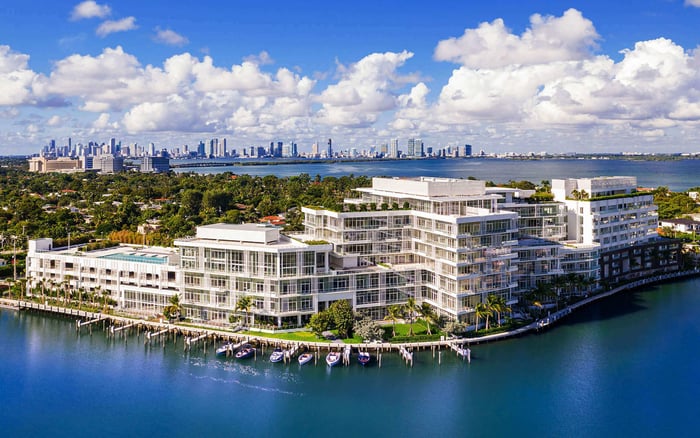
The Ritz-Carlton Residences® Miami Beach is a branded luxury residential community in Miami Beach, positioned around The Ritz-Carlton service ethos in a private residential setting. It is not a hotel-attached branded residence. That non-hotel format matters because the absence of regular transient hotel circulation allows amenities to feel more personal, less exposed, and more naturally connected to daily life.
For a discerning buyer, the experience begins before treatment. Where is the room located? Who might pass by? Is the route visible from active social areas? Can the resident move from home to wellness space without feeling observed? These details can shape the emotional value of an amenity.
In a conventional tower, wellness often becomes part of a larger amenity-floor sequence. That can be efficient, but it can also feel public. At The Ritz-Carlton Residences® Miami Beach, the property’s lower-density, low-rise composition creates a different framework. Its horizontally composed layout is part of what distinguishes it from Miami Beach’s more typical vertical luxury tower model.
That difference supports a more nuanced approach to wellness planning. A red-light therapy room, if introduced, would be most persuasive if it felt tucked into a calm residential sequence rather than displayed as a showpiece. Buyers at this level often respond to what feels effortless and protected, not what feels theatrical.
The development combines waterfront condominium living with villa-style privacy and scale. That hybrid idea is central to why placement matters. A wellness amenity in a private residential community should not behave like a hotel spa feature competing for attention. It should feel like an extension of the home.
For red-light therapy, that means the strongest placement would likely be near other quiet wellness functions, with controlled access and intuitive scheduling. It should avoid the feeling of a corridor attraction. A buyer who values discretion may care less about the novelty of the feature than whether it can be used without friction.
This is where The Ritz-Carlton Residences® Miami Beach has a natural interpretive advantage. The project’s non-hotel residential character supports a quieter experience without the regular circulation of hotel guests. If wellness programming is aligned with that calm, it can strengthen buyer confidence that daily rituals will remain private.
The property is located on the shores of a protected bay in Miami Beach, and that setting changes how wellness is perceived. A water view is not simply a visual asset. In the luxury residential context, it can become part of the rhythm of decompression, especially when paired with spaces designed for stillness, recovery, and slow transitions.
A red-light therapy concept placed near a serene recovery lounge, quiet changing area, or contemplative path could feel consistent with the bayfront mood. Placed too close to louder social programming, it could lose that association. The same feature can read as either refined or incidental depending on its relationship to the rest of the plan.
This is also where the Miami Beach buyer becomes highly specific. Many buyers are not simply purchasing access to amenities. They are purchasing the right kind of separation from noise, crowds, and overstimulation. Wellness placement should therefore reinforce the protected nature of the residence rather than interrupt it.
Amenity programming is part of the luxury value proposition at The Ritz-Carlton Residences® Miami Beach, but programming alone is not enough. Service is what turns an amenity from a room into a ritual. The development emphasizes curated residential services and concierge-style support, which is precisely the context in which a wellness feature could become more meaningful.
If red-light therapy were introduced, the buyer would likely ask whether it can be reserved discreetly, whether timing can be coordinated around a resident’s routine, and whether the experience feels managed without feeling intrusive. A beautiful wellness room may attract attention, but a beautifully choreographed wellness experience earns loyalty.
This is why the Ritz-Carlton brand association matters in a private residential setting. The service ethos suggests that the strongest amenity experience is not necessarily the most visible one. It is the one that seems to anticipate what the resident wants before the resident has to ask.
For buyers evaluating any luxury residence, the ideal placement of red-light therapy would be measured by adjacency, acoustics, access, and atmosphere. It should be close enough to wellness or fitness programming to feel purposeful, but separate enough to remain quiet. It should not require a resident to pass through heavily social spaces after a private session.
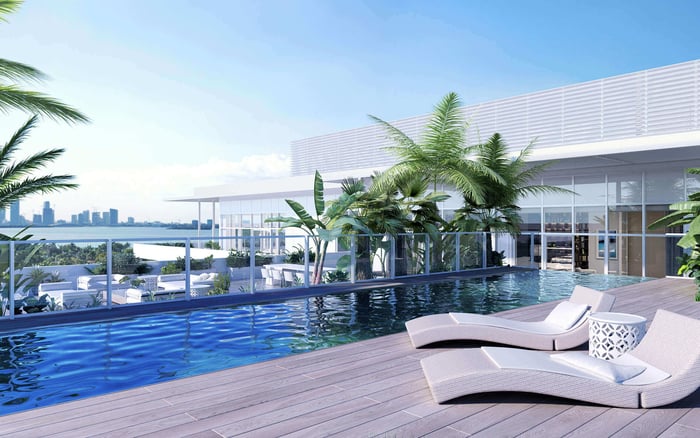
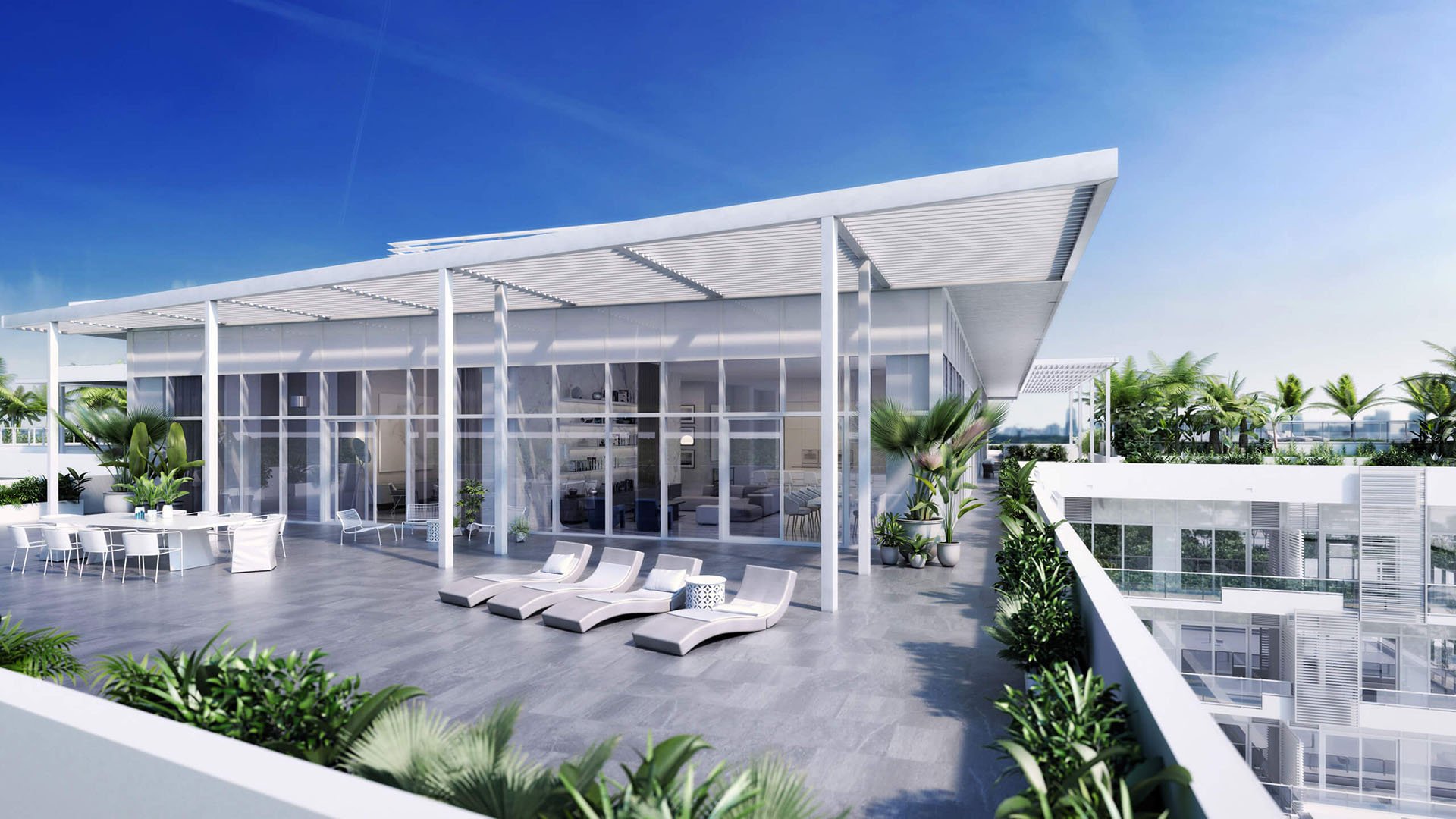
A pool area may be compelling as part of a broader wellness circuit, but only if the therapy space remains sheltered from traffic and casual observation. A terrace connection could add appeal if it creates a gentle transition to light, air, or water views, but exposure must be managed carefully. In a Top Project conversation, restraint often reads as sophistication.
The best placement would also acknowledge that recovery is personal. Some residents may use wellness amenities in the morning before work. Others may prefer evening privacy. A location that supports different daily patterns can matter more than elaborate visual drama.
The buyer decision at this level is rarely about a single feature. It is about whether the entire residence feels aligned with a desired way of living. A red-light therapy feature, if placed intelligently, could become a subtle proof point: this building understands privacy, wellness, and the choreography of daily life.
At The Ritz-Carlton Residences® Miami Beach, that proof point would need to connect with the project’s established identity. The non-hotel format, protected bay setting, low-rise composition, and private residential service model already create a framework for calm. Wellness placement should reinforce those qualities rather than compete with them.
For broader South Florida context, buyers sometimes compare branded residential experiences across markets, including The Ritz-Carlton Residences® Pompano Beach. Even then, the Miami Beach decision remains highly specific: does wellness feel private, calm, and choreographed around residential life?
In that sense, red-light therapy is less important as a trend than as a test. Does the building treat wellness as spectacle, or as a private extension of the residence? Does it place recovery where it is convenient, or where it is emotionally coherent? For the most selective buyers, those answers can shape perception, confidence, and ultimately preference.
Does The Ritz-Carlton Residences® Miami Beach currently offer red-light therapy? This article treats red-light therapy as a design and buyer-perception concept, not as a confirmed amenity at the property.
Why would placement affect a buyer’s decision? Placement determines privacy, convenience, and whether the amenity feels like part of daily residential life rather than a public feature.
What makes this property relevant to a wellness-placement discussion? Its non-hotel residential format, protected bay setting, and low-rise layout support a quieter and more private amenity experience.
Why does the non-hotel format matter? It reduces the regular circulation of transient hotel guests, which can make wellness spaces feel more discreet and residential.
Should red-light therapy be placed near social amenities? It can be nearby, but the most persuasive placement would preserve calm, privacy, and a sense of separation from active social areas.
How does waterfront living influence wellness perception? A protected bay setting can make wellness feel more restorative when amenity placement supports quiet transitions and visual calm.
What should buyers ask during a private showing? Buyers should ask about amenity access, scheduling, privacy, circulation routes, and how services support day-to-day wellness routines.
Is the low-rise layout important? Yes. A lower-density, horizontally composed layout can make amenities feel less centralized, less crowded, and more residential.
Does brand service affect wellness value? Yes. Curated residential service can make a wellness amenity feel more seamless, discreet, and integrated into a resident’s routine.
What is the best way to shortlist comparable options for touring? Start with location fit, delivery status, and daily lifestyle priorities, then compare stacks and elevations to validate views and privacy.
For a discreet conversation and a curated building-by-building shortlist, connect with MILLION.
If branded residences are on your mind — as a home or as an allocation — we would be glad to share what we are seeing, privately.
Begin a quiet conversation