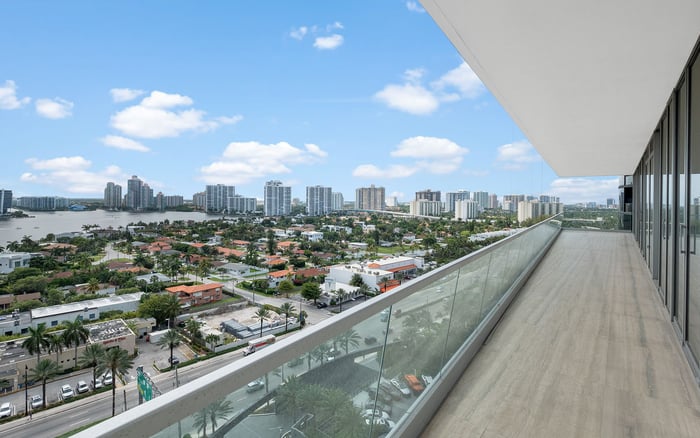
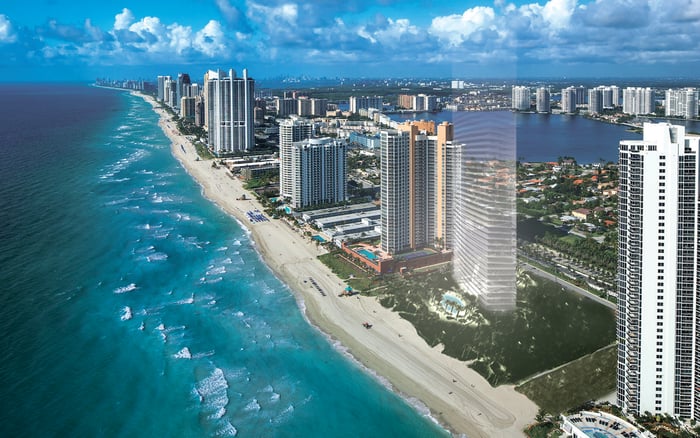
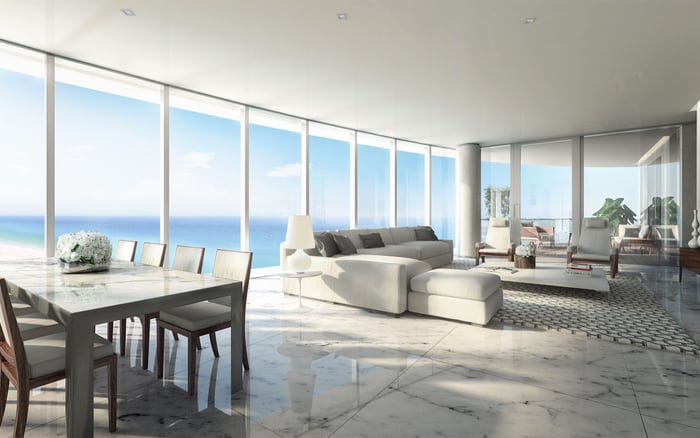
Muse offers a design-led, boutique oceanfront proposition centered on privacy. Buyers should isolate the value of that identity through adjusted closed-sale comparisons, service and cost analysis, resale evidence, and a long-term assessment of differentiation.
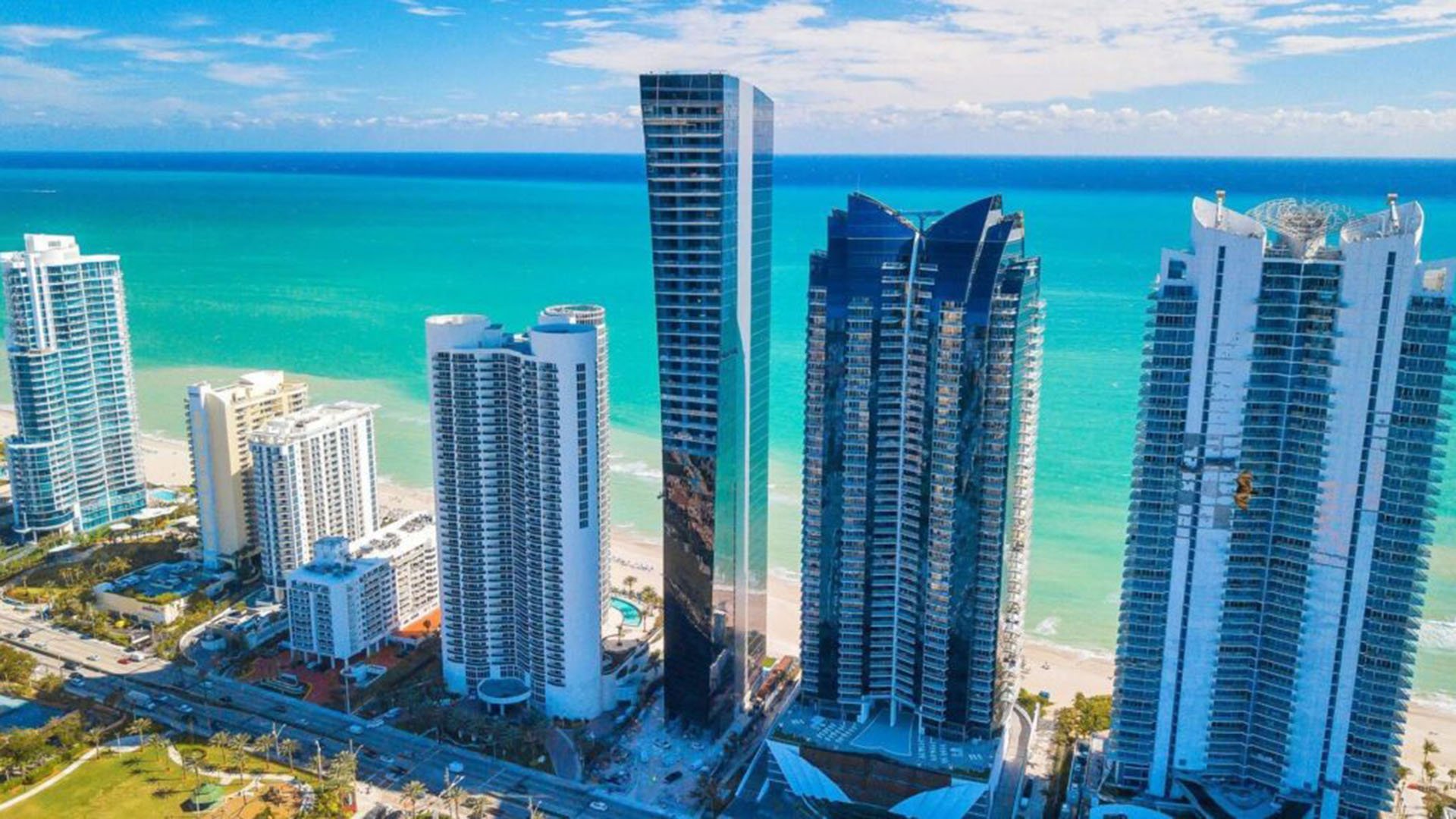
In Sunny Isles Beach, a recognizable residential identity can shape a buyer’s perception before the first comparable sale is reviewed. Yet the central question at Muse Residences Sunny Isles Beach is not whether the property presents itself convincingly. It is whether the value assigned to the Muse name remains defensible after examining the residence, ownership costs, and likely exit.
Muse is a luxury oceanfront condominium positioned as a boutique residential tower, with privacy and design central to its proposition. That identity differs from the promise of a hospitality-flagged residence. A buyer is not simply comparing logos, but two operating experiences, two cost structures, and two potential resale narratives.
For a disciplined purchaser, the premium should be treated as a hypothesis, not a given. The evidence must come from the apartment itself, the building experience, and adjusted market behavior.
A price-per-square-foot comparison becomes meaningful only when the underlying residences are genuinely comparable. Begin with closed sales, not asking prices, and normalize for contract or closing date, floor, unit line, interior area, ocean exposure, condition, parking, furnishings, and seller concessions. A high-floor sale with a superior view cannot establish a building-wide premium over a lower residence with a less favorable exposure elsewhere.
The first comparison should be internal. Examine how different lines and floors at Muse have traded after accounting for renovation and layout. The second should be external, drawing on competing Sunny Isles Beach residences with similar views, scale, and physical quality. Jade Signature Sunny Isles Beach and Regalia Sunny Isles Beach can enter the broader consideration set, but only closed sales with sufficiently similar characteristics should influence the valuation conclusion.
Ceiling height and interior specifications warrant explicit adjustments. So do layout usability, the relationship to the terrace, natural light, and the condition of installed finishes. The objective is not to produce a neighborhood average. It is to isolate what, if anything, a buyer is paying for Muse after pricing the residence-specific advantages.
Muse’s identity is design-driven rather than tied to a major hotel operator. That distinction matters because a hospitality brand may imply a particular service culture, operating structure, or recognition among future buyers. Muse instead asks the market to value privacy, boutique scale, and a distinct project identity.
A purchaser comparing Muse with The Ritz-Carlton Residences® Sunny Isles should not assume equivalent services simply because both occupy the upper end of the market. Compare what is actually delivered: staffing, arrival experience, owner support, service availability, privacy protocols, and any usage-related charges. Confirm each item through current building documents and direct due diligence.
The same principle applies when considering an automotive-branded proposition such as Bentley Residences Sunny Isles. Brand recognition, hospitality operations, and architectural identity are distinct value drivers. Each requires its own evidence rather than a generalized allowance for prestige.
Evaluate amenities independently of marketing language. Create two columns: facilities an owner expects to use frequently and those that are impressive but peripheral to daily life. Then weigh those benefits against common charges and any additional fees.
Higher carrying costs may be rational when services deliver recurring personal value, protect the ownership experience, or support resale appeal. They are less persuasive when the buyer rarely uses the underlying program. With appropriate professional advisers, review the current budget, reserve position, insurance structure, recent capital work, anticipated projects, and assessment history. Because these items are not quantified here, verify them for the specific transaction.
This is where a buyer’s-guide mindset is more valuable than showroom enthusiasm. A premium paid at closing is only the opening entry. The full cost of ownership includes recurring charges, potential capital needs, financing implications, and the opportunity cost of additional equity.
A credible Muse premium should appear in resale performance after adjustments for floor, condition, layout, and view. Look for repeated evidence across multiple relevant closings rather than relying on one exceptional sale. Examine marketing time, price changes, buyer concessions, and the depth of demand for the specific unit type. Resale liquidity matters even to an owner who does not expect to sell soon.
The long-hold question is whether privacy and design will remain differentiated as newer Sunny Isles projects enter the market. New supply can reset expectations for interiors, amenities, and service. Muse does not need to imitate a resort to remain compelling, but its core proposition must continue to feel scarce and well executed.
Rental analysis requires similar restraint. Confirm current building restrictions, approval procedures, lease terms, operating expenses, and achievable net income. Gross rent or luxury positioning alone cannot support an investment case. For pricing-and-trends analysis, the meaningful figure is income retained after realistic vacancy, management, maintenance, and ownership costs, subject to verified building rules.
Before assigning value to the name, divide the offer into four components: the underlying oceanfront real estate, unit-specific physical advantages, the building’s service and amenity value, and any residual premium for Muse’s identity. If that residual is substantial, require evidence that it has persisted in adjusted resales.
Model more than one holding period. Include the purchase price, closing costs, annual carrying costs, possible capital requirements, rental income where applicable, and a conservative resale scenario. The goal is not to deny the emotional value of privacy or design. It is to understand exactly how much is being paid for those qualities-and whether the next buyer is likely to recognize them as well.
Is Muse a hospitality-branded residence? Muse’s identity is design-driven and is not based on an affiliation with a major hotel operator.
What is the first test of a Muse price premium? Compare relevant closed sales after adjusting for date, floor, line, size, view, condition, furnishings, parking, and concessions.
Should asking prices be used as primary evidence? No. Asking prices express seller expectations, while adjusted closed sales provide stronger evidence of market acceptance.
Why do floor and unit line matter so much? They can materially affect exposure, privacy, light, and view, making an unadjusted price-per-square-foot comparison misleading.
How should ceiling height and specifications be treated? Treat them as unit-quality variables and make explicit adjustments when comparing Muse with competing luxury towers.
Does boutique positioning automatically justify higher common charges? No. Test the charges against the services and amenities the owner will actually use and value.
How can a buyer compare Muse with a hotel-branded property? Compare actual staffing, owner services, fees, privacy, and operating experience rather than assuming equivalent delivery.
What makes a Muse premium defensible at resale? It should remain visible across relevant resales after controlling for floor, condition, layout, and view.
What should a rental buyer verify? Confirm building restrictions and calculate achievable net income after realistic operating and ownership costs.
What is the best long-term lens for Muse? Consider the purchase price, carrying costs, future capital needs, resale liquidity, and whether its privacy and design remain differentiated.
For a confidential assessment and a building-by-building shortlist, connect with MILLION.
If branded residences are on your mind — as a home or as an allocation — we would be glad to share what we are seeing, privately.
Begin a quiet conversation