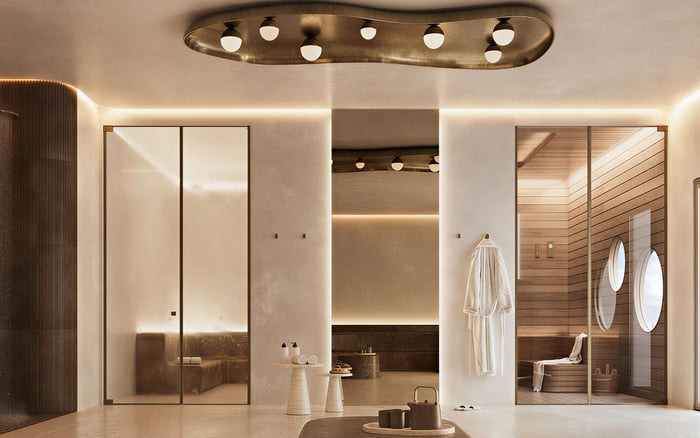
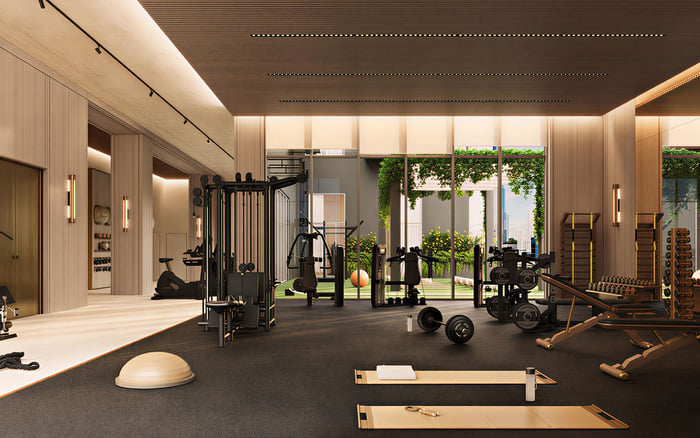
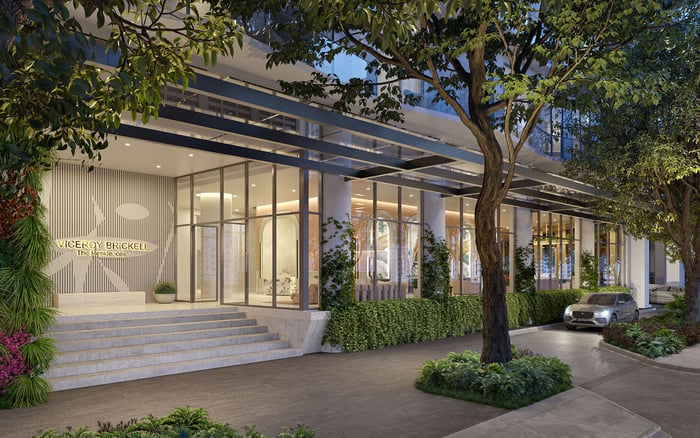
Two distinctly named Brickell propositions offer a useful lens on how 2026 buyers can assess residential hospitality, wellness positioning, and service credibility without letting branding substitute for contractual diligence.
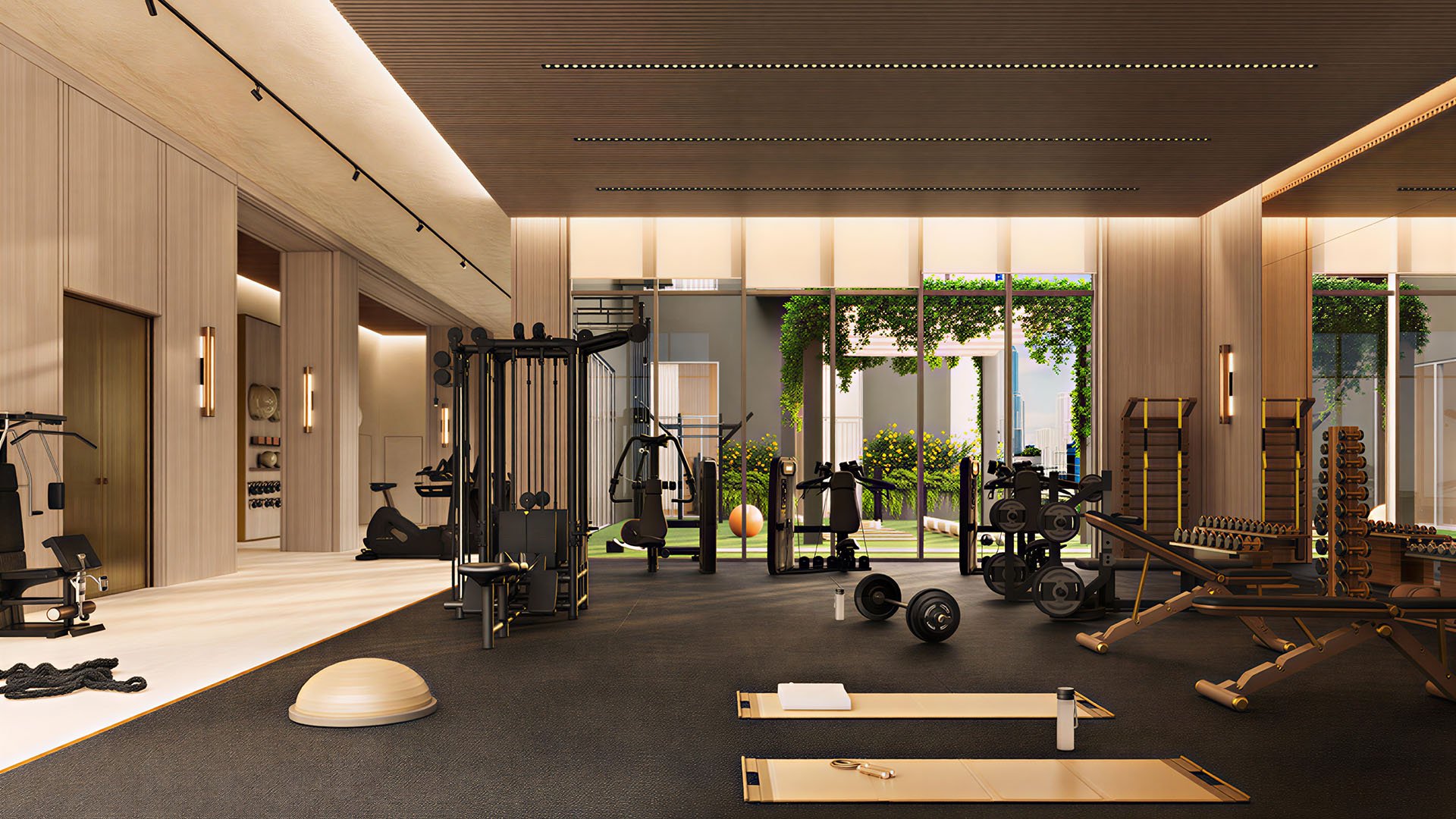
For 2026 buyers, the pairing of ORA by Casa Tua Brickell and House of Wellness Brickell offers a useful framework for evaluating two prominent themes in luxury residential positioning: hospitality and wellness. One name evokes a hospitality identity; the other places wellness at the center of its message.
Buyers should resist filling gaps with assumptions. A name can establish an emotional frame, but it cannot by itself define operating standards, ownership obligations, costs, access, or the long-term quality of service.
The sophisticated buyer’s task is both interpretive and practical: understand how a hospitality-led proposition intends to make life feel, then determine what is documented, deliverable, and financially sustainable.
Residential hospitality is more than hotel-inspired styling transferred to a condominium. As a buyer concept, it concerns how residents may be received, how shared spaces are intended to function, how requests may be handled, and whether the atmosphere can remain coherent in ordinary daily life.
The ORA by Casa Tua name naturally directs attention toward hospitality culture, while House of Wellness Brickell directs attention toward personal wellbeing. These are positioning signals rather than substitutes for verified specifications. They nevertheless frame two priorities that buyers may weigh in 2026: the quality of daily service and the quality of daily restoration.
This distinction matters across branded residences. A recognizable identity may shape expectations for design and service, but buyers should ask which elements belong to the brand narrative, which appear in governing or purchase documents, and which may evolve after closing.
A long amenity menu can impress while revealing little about everyday use. A more rigorous review begins with routine. Where would a resident start the morning? How would arrivals work? What rules would apply to guests? Which spaces might require reservations? How would busy periods be managed?
Wellness warrants the same scrutiny. Because the term can support different interpretations, buyers should seek precision rather than infer a complete program from a name. Relevant questions include what would be included, what might carry a separate charge, who would operate each component, which access rules would apply, and whether offerings could change.
The same framework can guide comparisons with Cipriani Residences Brickell and Baccarat Residences Brickell. The productive question is not which name feels most familiar, but which proposition best aligns with the buyer’s preferred rhythm, privacy threshold, service expectations, and ownership horizon.
Begin with service architecture. Identify who is expected to deliver resident-facing services, how responsibilities would be divided, and what remedies or review processes are described if standards change. Marketing language may establish an aspiration; contractual language defines the buyer’s documented position.
Next, examine cost architecture. Hospitality and wellness concepts may involve staffing, upkeep, technology, supplies, and management. Buyers should determine which projected expenses are shared, which are optional, and how the relevant documents address budgets and future changes.
Then study access architecture. Clarify how residents, guests, and any other permitted users may interact with common spaces. Privacy, availability, booking rules, and priority can affect the lived experience, so exclusivity should not be assumed from visual presentation alone.
Finally, consider continuity. Ask how the concept could remain coherent through management transitions, board decisions, vendor changes, and ordinary wear. Durable residential hospitality depends on repeatable standards rather than occasional theatrical moments.
Lifestyle and investment can coexist, but they should be analyzed separately. A buyer may prefer a socially expressive residence or a wellness-centered environment for personal reasons. That preference can be meaningful even when it cannot be reduced to a resale formula.
Investment discipline requires a different set of questions. Would the proposition be understandable to a future buyer? Are ongoing costs clearly presented? Could the service concept broaden or narrow appeal? Is the identity capable of remaining distinctive without becoming restrictive?
Separating these considerations prevents an elegant narrative from doing the work of due diligence. The strongest fit is not necessarily the proposition with the loudest identity, but the one whose identity, documentation, financial structure, and daily usefulness align with the buyer’s priorities.
ORA and House of Wellness illustrate how residential positioning can frame the home as both private space and a setting for service, social connection, and restoration. That framing can be compelling, provided each promise is translated into specific questions.
Buyers can appreciate atmosphere without confusing it with evidence. They should compare the proposed routine with how they actually live, review relevant documents with qualified advisers, test recurring costs against likely use, and distinguish what is evocative from what is enforceable.
What does the ORA by Casa Tua name suggest to buyers? It suggests a hospitality-oriented identity, but buyers should verify every service, cost, and operating detail in the relevant materials.
What does the House of Wellness Brickell name emphasize? The name emphasizes wellness positioning, which buyers should evaluate through specific questions about access, operations, fees, and potential changes.
What does residential hospitality mean for a buyer? It refers to the service, arrival, shared-space, and day-to-day experience surrounding private ownership.
Does a hospitality brand guarantee service quality? No; buyers should verify who would deliver services, which standards are documented, and how changes would be governed.
How should buyers assess a wellness-centered proposition? They should request precise details about access, operators, hours, fees, reservations, and the ability to modify offerings.
Why are operating costs important? Service-oriented environments may involve recurring expenses, so buyers should examine budgets, allocations, and optional charges.
Should buyers compare amenity counts? Counts are only one consideration; availability, privacy, maintenance, staffing, and relevance to daily routines also deserve attention.
What should a second-home buyer prioritize? A second-home buyer can focus on arrival procedures, residence oversight, guest protocols, service responsiveness, and cost clarity during periods away.
Can branding influence future resale appeal? Branding may shape recognition, but future appeal can also depend on execution, costs, condition, governance, and buyer preferences.
What is the central lesson for 2026 buyers? Hospitality and wellness should be treated as operating propositions to test against documents, costs, access rules, and personal use.
For a discreet conversation and a curated building-by-building shortlist, connect with MILLION.
If branded residences are on your mind — as a home or as an allocation — we would be glad to share what we are seeing, privately.
Begin a quiet conversation