A disciplined framework for evaluating wellness spaces, medical access, operations, and long-term suitability before purchasing vertical luxury in Hallandale Beach.
In Hallandale Beach, the initial appeal of a luxury residence may lie in its architecture, water outlook, arrival sequence, or private outdoor space. Yet the features that shape daily satisfaction are often quieter: the ease of maintaining a fitness routine, the privacy of restorative spaces, the reliability of building services, and the practicality of reaching medical care when timing matters.
These considerations belong at the beginning of a purchase review, not at its conclusion. A beautiful residence can satisfy the visual brief while creating friction around exercise, recovery, appointments, guests, or future mobility. For buyers evaluating new-construction or established vertical communities, wellness should be treated as an operating system connecting the private home, shared amenities, building management, and surrounding area.
This is not simply a lifestyle preference. It is a question of whether the residence supports the buyer's actual schedule, household, and long-term expectations.
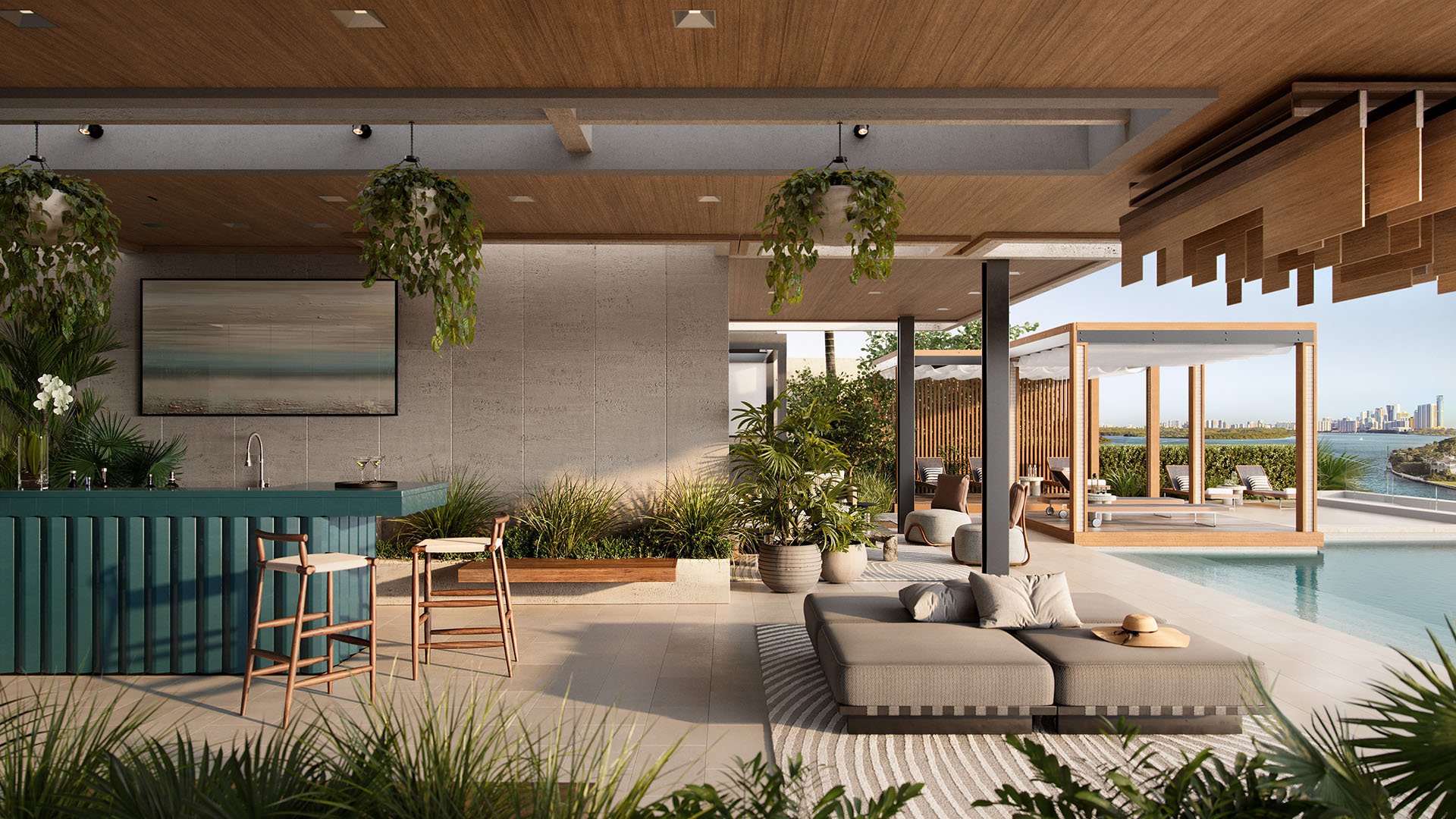
A wellness program should be assessed by how it functions at the hour a resident intends to use it. A fitness room may appear generous on paper, but buyers should examine circulation, equipment spacing, acoustics, ventilation, natural light, changing facilities, and the route from the elevator. The same scrutiny applies to a spa, treatment room, sauna, studio, or pool.
Ask who may use each space, whether reservations are required, which hours apply, and how private sessions are handled. Determine whether trainers, therapists, or other service providers may enter the building and what insurance or registration rules govern them. If a household depends on early workouts or scheduled recovery sessions, operational restrictions can matter as much as design.
Buyers should also distinguish between spaces included in standard building operations and services that may carry separate fees. Review current documents for maintenance responsibilities, staffing, booking protocols, guest access, and the possibility of policy changes. The objective is not to accumulate the longest amenity list, but to identify the program that will remain genuinely usable.
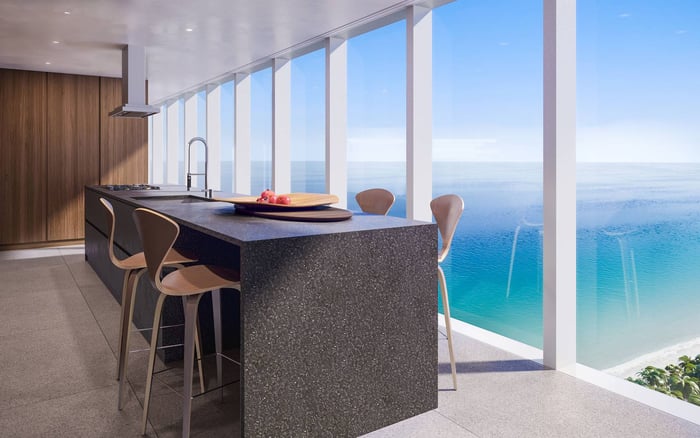
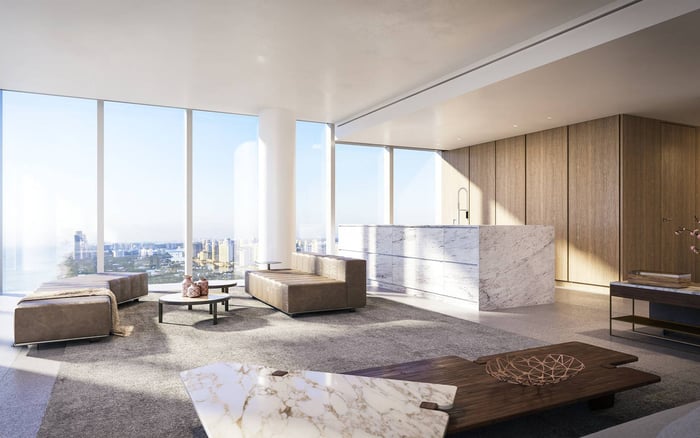
Private wellness begins with the floor plan. Consider whether bedrooms can be acoustically separated from entertaining areas, whether a quiet room can support meditation or private exercise, and whether bathrooms offer comfortable, safe circulation. Storage for equipment, luggage, mobility aids, or health-related supplies may prove more valuable over time than a dramatic but inflexible passageway.
Light control, temperature zoning, air movement, elevator dependence, and terrace transitions deserve careful review. In a waterfront setting, buyers should also consider how exposure and outdoor conditions affect how often terraces can support a routine. The relevant question is not whether a feature photographs well, but whether it can be used consistently.
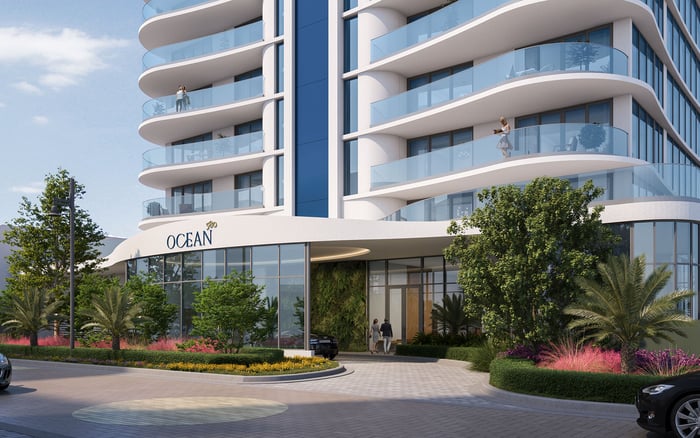
For a local comparison, 2000 Ocean Hallandale Beach and Shell Bay by Auberge Hallandale can be reviewed through the same disciplined lens: private-residence functionality, shared-space access, operational rules, and alignment with the buyer's habits. Any amenity or service material to a decision should be confirmed in the applicable project and transaction documents.
Medical proximity should not be reduced to a map pin or nominal drive time. Buyers should identify the physicians, specialists, pharmacies, diagnostic services, rehabilitation providers, and hospitals they currently use or may reasonably need, then test those trips at the times appointments are likely to occur.
The route from the residence matters from the front door onward. Review elevator access, vehicle retrieval, valet procedures, garage circulation, accessible pickup arrangements, and options for a caregiver or driver. A short geographic distance can still feel inconvenient when several transitions are involved.
Different households will assign different weight to this issue. A primary resident with recurring appointments may prioritize dependable access over an occasional-use wellness suite. A second-home buyer may focus on continuity of prescriptions, local specialist options, and the ability to coordinate care from another city. Families may consider both routine care and the logistics of supporting older relatives during extended stays.
Buyers should personally verify providers, routes, opening hours, appointment availability, and emergency plans. These requirements are individual, and they may change.
Hallandale Beach need not be evaluated in isolation. A useful comparison may extend south toward Bentley Residences Sunny Isles or north toward Four Seasons Hotel & Private Residences Fort Lauderdale. The purpose is not to assume equivalence among distinct properties, but to sharpen the buyer's priorities by applying the same questions to different locations and residential formats.
Compare door-to-door medical journeys, privacy, staffing models, guest procedures, exercise options, and the usability of outdoor areas. Also consider how frequently the buyer expects to travel between home, work, dining, airports, family, and care providers. A residence that excels for occasional leisure may not be the strongest fit for year-round routines.
This comparative approach is especially useful when glossy presentations make every wellness program appear comprehensive. Consistent questions reveal meaningful differences without relying on broad labels such as resort living or holistic design.
A concise decision file can prevent wellness priorities from becoming diluted during negotiations. Begin with a one-page schedule of nonnegotiable routines: workout times, treatment frequency, preferred providers, guest needs, pet care, accessibility concerns, and likely travel patterns. Then match each requirement to a private feature, shared amenity, building service, or nearby destination.
Request the documents relevant to material representations and have appropriate advisers review them. Questions may address amenity completion, access rights, operating hours, fees, staffing, insurance requirements, service-provider entry, construction phasing, and maintenance. For a resale, observe the spaces in operation. For a pre-completion purchase, distinguish clearly between illustrative concepts and binding commitments.
A practical principle should guide the review: assess repeated experiences before exceptional ones. The daily elevator ride, weekly appointment, and familiar exercise routine will usually influence ownership more often than an occasional event space.
Future-readiness need not compromise elegance. It means selecting a residence that can adapt with discretion. A flexible room, comfortable circulation, manageable thresholds, reliable vertical access, and space for household support can preserve independence without making the home feel clinical.
The same perspective applies to building culture. Privacy, responsive management, orderly service access, and clear procedures can become increasingly valuable when a household needs temporary assistance. Buyers should ask how deliveries, caregivers, visiting practitioners, and accessible transportation are accommodated, then confirm the answers before relying on them.
The strongest choice is rarely the building with the most wellness language. It is the residence whose design, operations, and location reduce friction while preserving the calm expected of luxury living.
Why review wellness amenities before selecting a unit? Amenity operations can influence which building, floor plan, and ownership structure best suit a buyer's routine.
Is a large fitness center automatically better? No. Usability depends on layout, access, privacy, hours, equipment, maintenance, and expected demand.
What should buyers ask about spa facilities? Confirm access rules, reservations, guest policies, staffing, fees, maintenance, and whether outside practitioners are permitted.
How should medical proximity be measured? Test the complete door-to-door journey at realistic times, including elevator, vehicle, parking, and pickup logistics.
Should second-home buyers prioritize medical access? Yes. They should consider prescription continuity, preferred care, local options, and coordination while away.
What in-residence features support wellness? Flexible rooms, acoustic separation, light control, storage, temperature zoning, and comfortable circulation can all matter.
Why compare Hallandale Beach with nearby markets? Applying identical criteria across neighboring luxury corridors helps clarify location, service, and operational tradeoffs.
Do amenity renderings confirm future operations? Not necessarily. Material features, access rights, fees, and obligations should be verified in the applicable documents.
Who should review purchase documents? Buyers should engage qualified legal, financial, insurance, design, and medical advisers as their circumstances require.
What is the central buying principle? Favor the residence that supports repeated routines, practical care access, privacy, and adaptability with minimal friction.
For a discreet conversation and a curated building-by-building shortlist, connect with MILLION.
If branded residences are on your mind — as a home or as an allocation — we would be glad to share what we are seeing, privately.
Begin a quiet conversation