A discreet look at why voice-control privacy is becoming part of the luxury smart-home conversation, especially for South Florida buyers who value calm, control, and restraint.
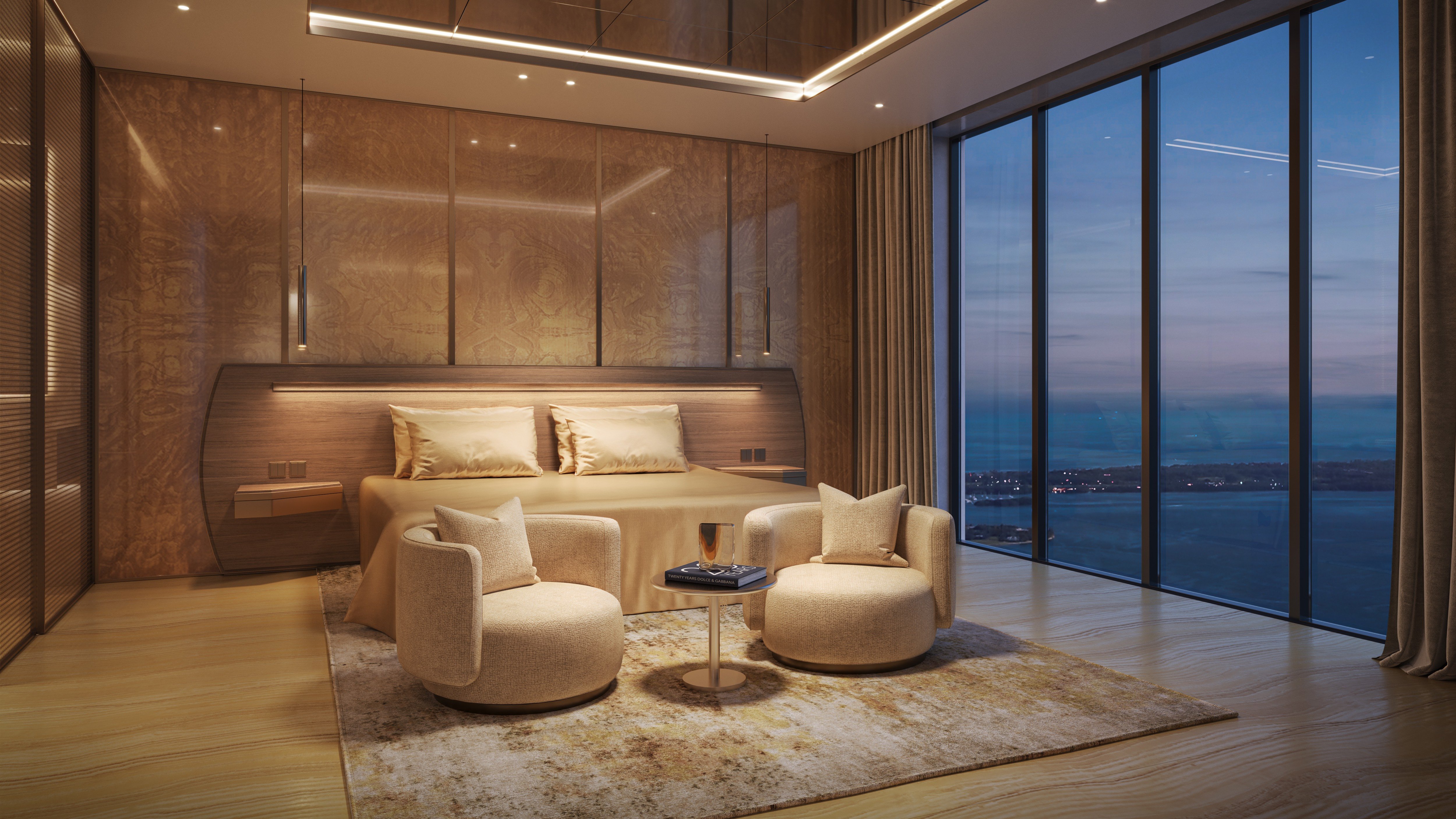
Quiet luxury has always favored restraint: the tailored suit without a visible logo, the stone slab chosen for tone rather than spectacle, the residence that settles the room before anyone names the designer. In South Florida real estate, that same sensibility now extends to voice-control privacy.
The question is not whether voice technology belongs in a sophisticated home. For many owners, spoken control makes lighting, climate, shades, music, and entry sequences feel effortless. The more important question is whether that convenience has been planned with the same discretion expected from architecture, service, and security. A truly refined residence should not leave its owner wondering who is listening, what is being retained, or whether a guest command has altered the home’s digital habits.
For buyers comparing Brickell, Downtown, Edgewater, Aventura, Surfside, and new-construction residences, privacy is becoming less of an afterthought and more of a design preference. The most desirable approach is not theatrical technology. It is technology that recedes, responds predictably, and preserves the dignity of private life.
Voice-control privacy begins with intention. A home can be highly automated without being indiscriminately accessible. The better question for buyers is not, “Does this residence have voice control?” It is, “How was voice control designed, limited, and managed?”
A privacy-forward setup should feel selective. Not every room needs a microphone. Not every command needs a cloud-based interaction. Not every user needs the same level of access. In a primary suite, study, family office, or staff-adjacent area, the right answer may be reduced voice functionality, a physical mute option, or no voice interface at all.
This is where luxury separates itself from gadgetry. A generic smart-home layer often celebrates what can be controlled. A more elevated system considers what should remain quiet. The result is not less convenience, but greater confidence. The owner understands which spaces are responsive, which are intentionally passive, and how to adjust those settings without calling attention to the system.
During a private tour, voice privacy can be evaluated with the same composure as millwork, views, and elevator access. Start by asking where listening devices are located. Built-in speakers, wall panels, and tabletop devices all influence how a residence feels. Placement matters, especially near bedrooms, offices, children’s rooms, guest suites, and entertaining areas.
Next, ask how permissions are structured. A well-considered residence should distinguish among owner, family, guest, staff, and service access. Voice control should not flatten those roles into a single level of authority. A guest may reasonably control music or lighting in a lounge, but should not have broad access to door locks, cameras, private schedules, or housewide settings.
Also ask about handoff. If ownership changes, the home’s digital identity should be reset with care. Accounts, voice profiles, automations, saved preferences, and device permissions deserve the same attention as keys, gate access, alarm codes, and building credentials. For luxury buyers, this is not a technical nuisance. It is part of taking possession.
Finally, look for physical overrides. The most elegant homes do not force residents to speak to the room. Keypads, discreet panels, app controls, and manual options all create a sense of ease. Voice should be one layer, not the only layer.
South Florida residences often live socially. Dinner guests move between terrace and salon. Family visits stretch across long weekends. Private chefs, wellness providers, captains, designers, art handlers, and household staff may pass through different zones at different hours. In that environment, voice-control privacy becomes a hospitality issue as much as a technology issue.
A discreet host does not want guests to feel monitored. Nor does the host want a casual command to alter the mood, unlock a function, or reveal a private preference. Good design reduces that awkwardness. It creates intuitive scenes for entertaining while keeping personal systems protected.
This is especially relevant in homes where indoor and outdoor living merge. Terraces, summer kitchens, media lounges, pool decks, and arrival spaces may invite casual commands, but they also introduce more variables. Wind, music, conversation, and multiple voices can make control feel less precise. A restrained system anticipates that social reality and limits voice control where ambiguity could become inconvenient.
The quiet luxury standard is not anti-technology. It is anti-friction. It asks technology to behave with manners. Lights should dim without a performance. Climate should adjust without a lecture. Music should follow the occasion without making the home feel like a showroom.
Privacy-forward voice design supports that standard because it respects boundaries. It allows owners to decide when the residence is responsive and when it is silent. It recognizes that the most personal spaces in a home are not merely expensive; they are psychologically protected.
For this reason, buyers should treat voice-control privacy as part of the broader wellness and security conversation. Acoustic comfort, bedroom darkness, air quality, elevator privacy, secure parking, and controlled access all contribute to how a home feels. Voice privacy belongs in that same category. It is a comfort feature, a security feature, and a sign of taste.
Before a purchase, buyers should ask for a clear explanation of the home’s smart infrastructure. Who can administer the system? Which devices respond to voice? How are guests handled? What happens when staff changes? Can certain rooms be excluded? Are there physical mute controls? Can voice functions be removed without disturbing the rest of the home?
The best answers are plain. A luxury residence should not require the owner to decode a complicated digital ecosystem. If the system cannot be explained elegantly, it may not have been designed elegantly.
Buyers should also consider future flexibility. Preferences change. Families grow. Work patterns shift. A home that feels perfect during a tour may need different privacy settings once it becomes a primary residence, seasonal retreat, or multigenerational gathering place. The right infrastructure allows adjustment without disrupting the architecture.
For sellers, better voice-control privacy can be presented as a mark of stewardship. A home that has been thoughtfully reset, simplified, and prepared for transition feels more polished. It signals that the residence has not only been maintained physically, but also curated digitally.
This does not require turning the home into a technology pitch. In fact, the opposite is often more compelling. A short, clear explanation of privacy zones, user controls, and transfer readiness can be more persuasive than a long demonstration. The goal is to show that convenience exists, but discretion governs it.
In the upper tier of the market, buyers notice what feels calm. They notice when a home is intuitive. They notice when service, security, and technology appear to have been considered as part of one lifestyle rather than as separate upgrades. Voice-control privacy is part of that impression.
What is voice-control privacy? It is the practice of limiting, managing, and clarifying how voice-enabled systems respond inside a residence.
Should every room have voice control? Not necessarily. Bedrooms, offices, and private suites may benefit from fewer listening points or alternative controls.
Is voice control incompatible with luxury privacy? No. It can work beautifully when it is selective, well governed, and supported by physical overrides.
What should buyers ask during a tour? Ask where voice devices are located, who has permissions, and how the system is reset for new ownership.
Why do guest settings matter? Guest settings help visitors enjoy basic comforts without gaining access to sensitive functions or private preferences.
Can voice control affect resale perception? Yes, when it feels intrusive or unmanaged. A discreet system can make a home feel more refined.
Are physical controls still important? Yes. Keypads, panels, and manual options keep the home functional without requiring spoken commands.
Should staff access be separate? Yes. Distinct access levels help preserve privacy while allowing household operations to run smoothly.
What is the most elegant approach? Use voice control where it adds ease, and keep it absent or limited where privacy matters most.
When should privacy planning begin? Ideally, it begins before move-in, during the same review as security, lighting, access, and household operations.
When you're ready to tour or underwrite the options, connect with MILLION.
If branded residences are on your mind — as a home or as an allocation — we would be glad to share what we are seeing, privately.
Begin a quiet conversation