A discreet, buyer-minded playbook for producing large-scale charitable events in Palm Beach Gardens with the service expectations, privacy norms, and contingency planning that define trophy real estate.
In ultra-premium communities, a philanthropic event is never just a party. It’s a brand moment for the host, a trust exercise for guests, and a lived-in environment for residents. The difference between a beautiful evening and an operationally flawless one is protocol: a disciplined sequence of decisions that safeguards privacy, anticipates risk, and delivers hospitality with no visible strain.
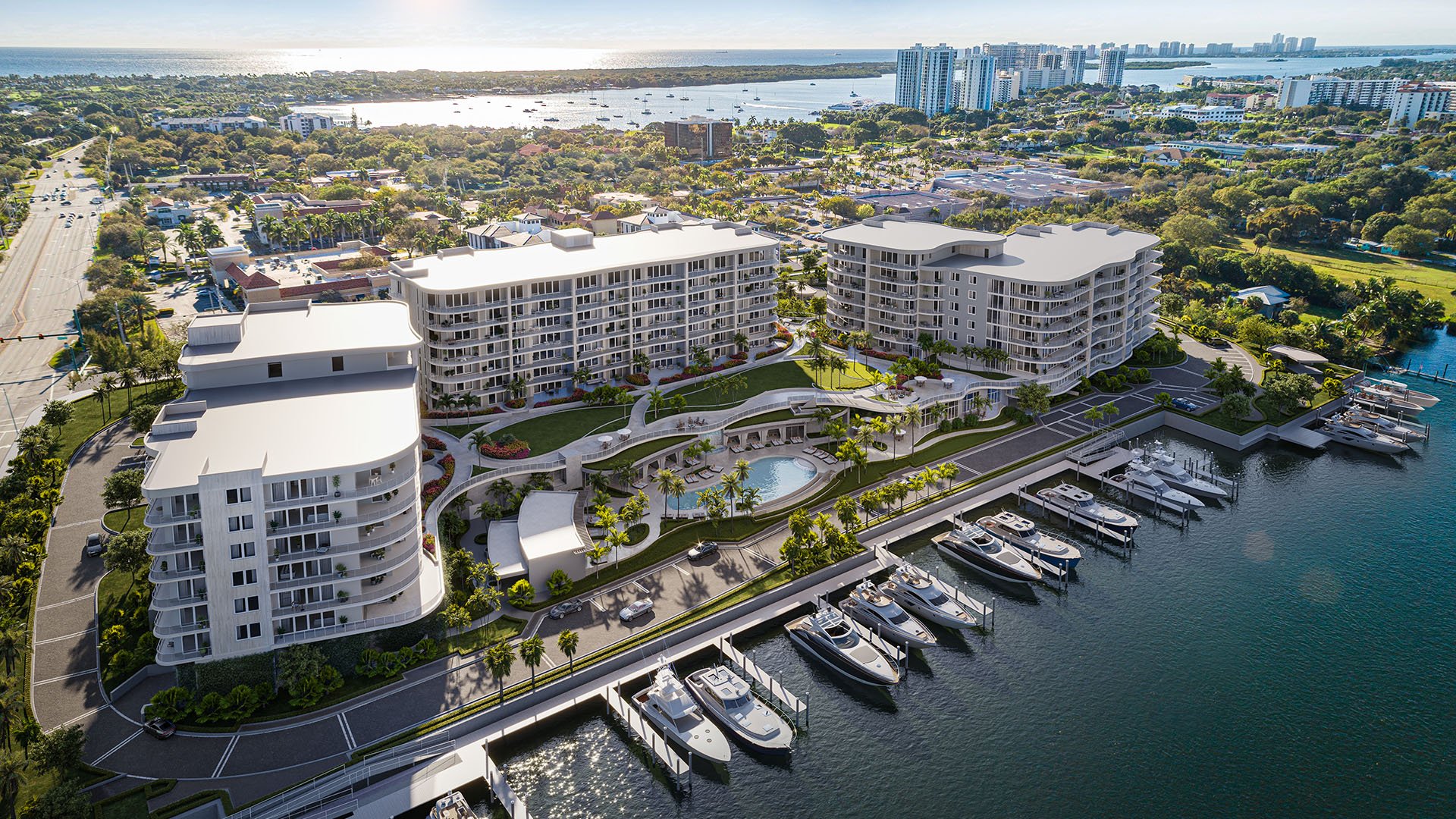
At The Ritz-Carlton Residences® Palm Beach Gardens, the standard is inherently elevated. Your planning posture should match it-treat the property as a private estate with hotel-grade expectations, and design the event around guest comfort and resident respect.
Large-scale philanthropy gets complicated when too many people can say “yes” and no one can say “no.” Before a single menu is discussed, establish a tight governance structure.
Start with four decisions that determine every downstream choice:
The purpose of the evening in one sentence (fundraising, awareness, stewardship, or all three).
The guest hierarchy (principals, benefactors, prospects, press if any, vendors).
The experience promise (black-tie gala, cocktail-forward salon, intimate concert, etc.).
The approval authority (one host-side decision lead plus one operational lead).
Then set guardrails that prevent drift: maximum guest count per space, quiet hours, audio limits, and a clear definition of what cannot happen on-site (uncontrolled filming, open access to residential corridors, unscreened vendors). In luxury properties, restraint reads as confidence.
Arrivals are where luxury is most legible-and where privacy is most vulnerable. The objective is a calm, linear path from curb to welcome, with zero uncertainty and zero exposure.
A strong arrival protocol typically includes:
A single arrival narrative: valet or pre-arranged transport, one welcome point, one check-in.
A layered credential system: discreet identifiers for staff, vendors, and guests.
A secure principal route: a separate, quiet arrival for honorees and top donors.
A “no linger” zone: keep the curb clear so the first impression stays controlled.
If you’re hosting donors who split time between submarkets, account for how expectations can shift. A guest accustomed to Brickell’s high-touch pace may read any queue as disorganization, while a Palm Beach guest may read visible commotion as a privacy breach. The fix is consistent: pre-arrival communication that feels personal, and an on-site team empowered to resolve issues immediately.
The best security is felt, not seen. For large-scale events in a residential environment, security should be integrated into hospitality.
Build the plan around zones:
Public-facing zone: arrivals and welcome.
Event zone: the only area most guests access.
Restricted zone: residences, back-of-house, service corridors.
Start with soft boundaries: lighting, floral moments, furniture placement, and attendants positioned as “hosts.” Then reinforce with hard controls: monitored access points, scheduled vendor deliveries, and credential checks conducted away from the main guest flow.
If photography is permitted, define it with precision. A common protocol is to allow staged step-and-repeat coverage in a dedicated area while restricting roaming camera work. Guests at this level aren’t avoiding visibility-they’re avoiding unpredictability.
Spatial planning is where many events fail quietly. A beautiful room can still feel uncomfortable if the flow creates bottlenecks, echo, or heat pockets.
Design the evening as a sequence of “rooms,” even if the event occupies one continuous space:
Welcome and first drink.
Social circulation.
Program moment (remarks, live auction, performance).
Dinner or heavy passed service.
Late-evening lounge.
Two practical principles:
Protect the bar: place it where lines don’t block circulation.
Protect the restrooms: clear wayfinding and attendants prevent awkward wandering.
Acoustics deserve attention early. If the event includes a program, the sound plan should privilege clarity over volume. Guests will forgive a modest floral moment faster than they’ll forgive not being able to hear-or having to shout through dinner.
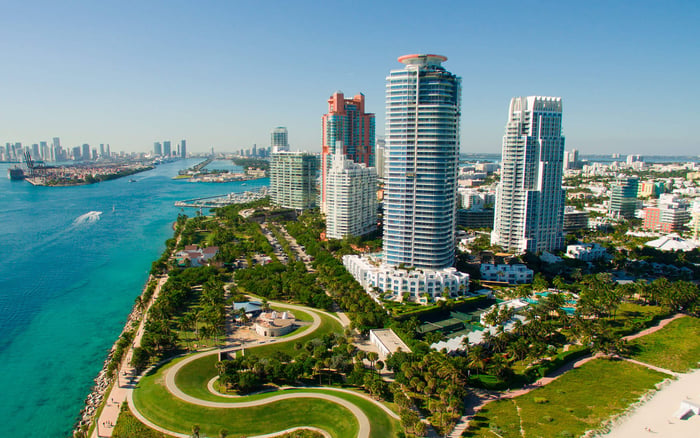
For perspective, consider how different luxury product types handle social flow. A tower designed for entertaining in the sky, like 2200 Brickell, often emphasizes grand arrival and vertical separation. A coastal property like Alba West Palm Beach may lean into waterfront ease and breezy transitions. In Palm Beach Gardens, the ideal is composed: polished, quiet, and intentional.
Philanthropic guests may be there for the cause, but they remember hospitality. The highest compliment is that service felt effortless.
Protocol for large-scale dining typically comes down to pacing and optionality:
Offer an early, light option for guests who arrive hungry.
Keep the main service synchronized with the program so no one is eating during remarks.
Provide a clear non-alcoholic bar standard, not a consolation.
Ensure dietary requests are handled invisibly, without drawing attention.
When the donor base spans multiple cultures and generations, avoid menus that require explanation. Luxury isn’t complexity. Luxury is confidence.
If you’re raising meaningful dollars, the program has to be engineered. The goal is to maximize participation without making guests feel managed.
A refined structure often follows this arc:
A brief welcome that establishes the mission in human terms.
One emotional anchor (a story, a beneficiary perspective, or an honoree moment).
A clear fundraising mechanism: live auction, pledge, or both.
A graceful close that returns guests to celebration.
Keep remarks short and rehearsed. Use a run-of-show document with minute-by-minute cues for lighting, audio, service holds, and stage movement.
For auctions, the protocol is simple: remove friction. QR codes and mobile bidding can work, but only if guests are briefed and the interface feels effortless. Provide discreet “concierge bidding” support for top donors who prefer not to self-manage.
Vendors create the experience-and they also create the risk. At this level, vendor discipline is a signature of the host.
A strong operational plan includes:
A single load-in window with assigned routes and staging zones.
Background checks or vetted staffing where appropriate.
A dress code for all staff that matches the environment.
A hard cutoff for setup noise and a clearly defined “doors” time.
Your event team should look like they belong. The tone should mirror the residences themselves: understated, crisp, and capable.
In luxury real estate, protection is part of hospitality. Contracts should be explicit about responsibilities, damage, overtime, and cancellation terms.
Contingency planning isn’t pessimism; it’s professionalism. Prepare for:
Weather disruption and an indoor pivot.
Late vendor arrival.
Audio failure.
A medical incident.
A security concern involving an uninvited guest.
Assign decision authority for each scenario in advance. When something goes sideways, guests should never see deliberation.
The most sophisticated philanthropic hosts treat the next day as part of the event.
Operationally, prioritize a clean reset: restoration, walkthroughs, and a documented closeout. Socially, begin stewardship within 24 hours: personal thank-yous to major donors, a concise impact statement, and clear next steps.
Just as important, protect the community experience. In any residential setting, neighbors remember sound, traffic, and hallway activity more than they remember your floral design. Respect is the ultimate amenity.
If you frequently host across South Florida, your protocol should travel with you. Whether you are entertaining near the sand at 57 Ocean Miami Beach or in a resort-caliber environment like The Ritz-Carlton Residences® Miami Beach, the principles remain consistent: tight governance, controlled access, impeccable flow, and post-event stewardship.
How far in advance should we begin planning a large-scale philanthropic event? For a complex guest list and production, begin months ahead so vendors and approvals are secured without rushing.
What is the most common planning mistake at luxury residences? Underestimating arrivals and access control, which can compromise privacy and create visible disorder.
Should we allow open media coverage? Only if it aligns with the cause and guest expectations; many hosts opt for controlled, designated photo moments.
How do we keep security discreet? Use zoning, credentialing, and hospitality-forward staffing so boundaries feel natural rather than enforced.
What service style reads most luxurious for large groups? Seamless pacing with attentive staff and minimal waiting, whether passed service or seated dining.
How do we manage donor tiers without making it obvious? Create separate arrival options, reserved seating, and subtle concierge support without public callouts.
What should the run-of-show include? Minute-by-minute cues for program, lighting, audio, and service holds so the room moves as one.
How can we reduce disruption to residents? Limit access points, control sound, schedule load-in/load-out windows, and keep traffic flows predictable.
Is it better to do a live auction or a pledge moment? Pledges often raise significant funds quickly; auctions add theater, but only if the room is primed to bid.
What happens after the event to sustain momentum? Prompt stewardship, clear impact communication, and personal follow-up convert a great night into lasting support.
When you're ready to tour or underwrite the options, connect with MILLION Luxury.
If branded residences are on your mind — as a home or as an allocation — we would be glad to share what we are seeing, privately.
Begin a quiet conversation