For luxury condo buyers comparing Miami, Fort Lauderdale, and Palm Beach, proximity to art and design districts is less about novelty than daily rhythm, social fluency, and long-term ownership fit. The most refined shortlist weighs cultural access, privacy, mobility, and architectural character with equal discipline.
For a particular South Florida buyer, the condo shortlist no longer begins and ends with water, height, or brand. Those factors still matter, but the more revealing question is increasingly cultural: how close does the residence feel to the places where taste is made, collected, discussed, and quietly displayed?
Art and design district proximity changes the conversation because it affects daily life without presenting itself as a conventional amenity. A buyer may not visit galleries every week, yet the presence of studios, showrooms, fairs, private dinners, design ateliers, and architecturally ambitious hospitality can shape the texture of ownership. It influences where guests want to stay, where an evening begins, how often a residence is used, and whether the neighborhood feels static or alive.
For buyers comparing Miami, Fort Lauderdale, and Palm Beach, this filter is not one-size-fits-all. Miami rewards proximity to creative density. Fort Lauderdale offers a more relaxed cultural orbit with yachting and waterfront calm close at hand. Palm Beach privileges discretion, polish, and a more established social cadence. The strongest shortlist is not the longest one. It is the one that understands which form of cultural access actually fits the owner.
Miami is the clearest market for buyers who want art and design to be part of the residential atmosphere. The city’s appeal is not simply that galleries, design showrooms, and cultural events exist. It is that they influence how neighborhoods feel, how interiors are conceived, and how buyers assess architectural identity.
In practice, a Miami shortlist often narrows around movement. A buyer drawn to Wynwood may prioritize immediacy, creative edge, and the ability to move from a private residence to a gallery opening or design dinner with little friction. A buyer considering Brickell may want a more vertical, service-led lifestyle that keeps cultural access within reach while preserving a polished financial-district rhythm. A Miami Beach buyer may place greater value on hospitality, ocean air, and a social calendar that can shift easily from private apartment to dinner, performance, or collector event.
The key is to avoid treating Miami as a single cultural proposition. A condo near an active design corridor may feel entirely different from one that is technically nearby but separated by traffic, bridge dependence, or a more corporate streetscape. For art-oriented buyers, the real question is not distance alone. It is whether the residence makes cultural participation feel natural rather than scheduled.
Fort Lauderdale changes the shortlist because it offers a different relationship to culture. The buyer here may still care deeply about art, interiors, architecture, and hospitality, but may not want the constant intensity of Miami’s cultural calendar. Instead, the preference is often for a more measured environment, where waterfront living, marina access, dining, and private entertaining carry equal weight.
This does not make design proximity less important. It makes it more personal. In Fort Lauderdale, a buyer may value a residence that supports collecting, entertaining, and quiet retreat while still allowing access to cultural evenings without making them the center of daily life. The condo that wins may not be closest to the busiest district. It may be the one with the best balance of arrival, privacy, views, service, and ease of movement between the beach, the river, and the city’s cultural nodes.
For buyers coming from larger metropolitan markets, Fort Lauderdale can read as more relaxed but not less refined. The shortlist should therefore consider how the building frames lifestyle. Does the lobby feel residential rather than transient? Are the amenity spaces conducive to private gatherings? Does the plan allow serious art placement, proper lighting, and walls that are not sacrificed entirely to glass? For a design-aware owner, these details matter as much as proximity itself.
Palm Beach brings a more discreet lens. Here, proximity to art and design is less about visible edge and more about cultivated access. Buyers often respond to the area’s sense of permanence, established social rituals, elegant retail, private clubs, and a tradition of interiors that prize restraint over spectacle.
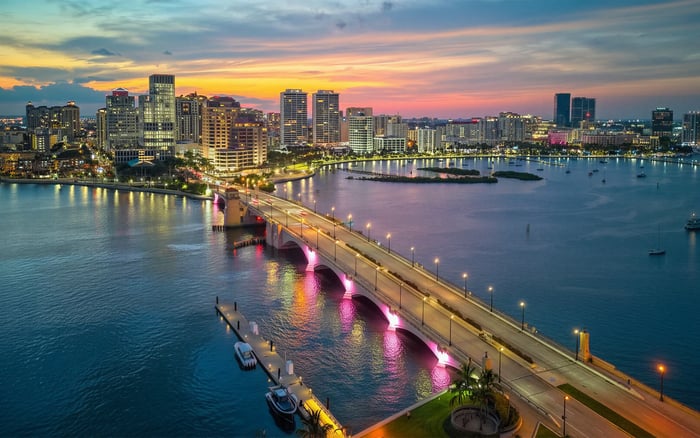
That changes the condo shortlist in subtle ways. A Palm Beach-oriented buyer may be less interested in being beside the newest creative district and more focused on whether the residence supports a gracious pattern of living. Morning walks, appointments with designers, private dinners, philanthropic events, and seasonal entertaining may matter more than nightlife or gallery density. West Palm Beach can also enter the conversation for buyers who want a mainland base with cultural convenience, dining access, and an easier daily rhythm while remaining connected to the broader Palm Beach lifestyle.
The strongest Palm Beach shortlist therefore evaluates atmosphere. Does the building feel dignified? Is the service discreet? Does the residence allow for proper furniture plans and art walls? Is the approach sequence elegant, or merely efficient? In this market, design proximity is often measured by confidence rather than noise.
When art and design proximity becomes a serious buying criterion, the shortlist should be edited with greater nuance. First, consider frequency. If the owner attends cultural events constantly, immediate access may justify a more urban setting. If those events are occasional, a quieter waterfront residence with strong mobility may be more satisfying.
Second, consider the residence as a setting for art. Floor-to-ceiling glass is seductive, but collectors and design-focused buyers also need walls, controlled light, thoughtful circulation, and rooms that can hold furniture with intention. A spectacular view should not make the interior impossible to curate.
Third, consider hospitality. South Florida luxury ownership often includes visiting family, friends, advisors, designers, and guests. A building near cultural districts can make hosting easier, but only if arrival, valet, elevators, and amenity spaces feel composed. Convenience without discretion can quickly become a compromise.
Fourth, consider time of day. A district that feels compelling at night may be less practical for morning routines. A quieter neighborhood may lack evening energy but offer greater restoration. The best choice depends on whether the residence is intended as a primary home, seasonal base, or occasional retreat.
The Miami buyer is often choosing energy. They may want proximity to galleries, design conversations, dining, fashion, and hospitality. Their shortlist should favor buildings that deliver privacy without disconnecting from the city’s cultural pulse.
The Fort Lauderdale buyer is often choosing balance. They may want waterfront serenity and nautical ease while keeping design and cultural access available rather than omnipresent. Their shortlist should examine how seamlessly the residence connects private calm with the city’s more active moments.
The Palm Beach buyer is often choosing refinement. They may want elegance, social continuity, and a quieter expression of culture. Their shortlist should prioritize architectural grace, service, and the ability to live beautifully without needing to be visibly near everything.
None of these profiles is superior. The mistake is applying the wrong cultural lens to the wrong buyer. A collector who thrives on spontaneous openings may feel constrained in a setting built for seasonal discretion. A buyer seeking privacy may tire of a district that is always in motion. A family using the residence for long weekends may value easy restaurants and walkability more than gallery density.
Cultural proximity can also affect how a residence ages in the owner’s imagination. Buildings near design activity tend to be judged not only by finishes, but by whether they remain visually relevant. Buyers become more sensitive to architecture, lobby composition, landscape design, and the quality of shared spaces because the surrounding environment raises expectations.
This is where restraint becomes powerful. The most durable residences do not chase every trend. They provide a calm architectural envelope that allows art, furniture, and personal collections to evolve. In South Florida, where light, water, and social life are unusually present, the best condos give owners room to edit.
For the ultra-premium buyer, the shortlist should ultimately answer one question: does this residence make my cultural life easier, richer, and more natural? If the answer is yes, proximity has done its work. If the answer is no, even a famous district nearby may be little more than a map point.
Does proximity to an art district automatically make a condo more desirable? Not automatically. It matters most when the buyer’s lifestyle, entertaining pattern, and mobility needs align with that location.
Is Miami the best choice for art-focused condo buyers? Miami is often the strongest fit for buyers who want frequent cultural energy, but it is not the only sophisticated option.
Why would a design-focused buyer choose Fort Lauderdale? Fort Lauderdale can offer a calmer waterfront lifestyle while keeping dining, culture, and design access within a manageable orbit.
How does Palm Beach differ for art and design buyers? Palm Beach tends to emphasize discretion, elegance, and established taste rather than constant creative intensity.
Should collectors prioritize wall space over views? Serious collectors should balance both. Dramatic glass can be beautiful, but usable walls and controlled light are essential.
Does walkability matter more than driving distance? It depends on the owner. Some buyers value spontaneous access, while others prefer privacy and are comfortable planning movement.
Can a quieter building still suit a culturally active buyer? Yes. A composed private residence can be ideal if it offers convenient access to the cultural life the owner actually uses.
What should seasonal buyers consider? Seasonal buyers should focus on arrival ease, guest comfort, dining access, and whether the neighborhood feels rewarding during peak use.
Are branded amenities more important than neighborhood culture? Amenities matter, but they cannot replace a location that supports the owner’s preferred daily rhythm and social life.
What is the best first step when comparing these markets? Define the desired lifestyle before touring, then judge each residence by how naturally it supports that pattern.
For a discreet conversation and a curated building-by-building shortlist, connect with MILLION.
If branded residences are on your mind — as a home or as an allocation — we would be glad to share what we are seeing, privately.
Begin a quiet conversation