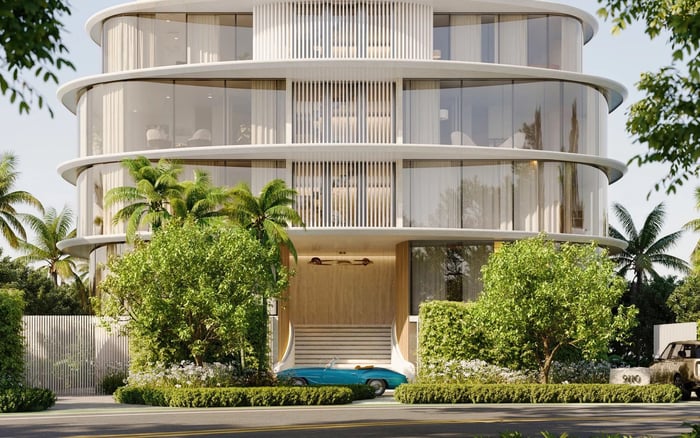
Two-story duplex residences inside a high-rise are a niche product in South Florida: more private than a typical condo, yet more vertically connected than a single-floor plan. For buyers considering Riva Residenze Fort Lauderdale, the question is less about headline scarcity and more about functional rarity: how often the layout genuinely improves daily living, entertaining, and resale positioning along the Fort Lauderdale waterfront.
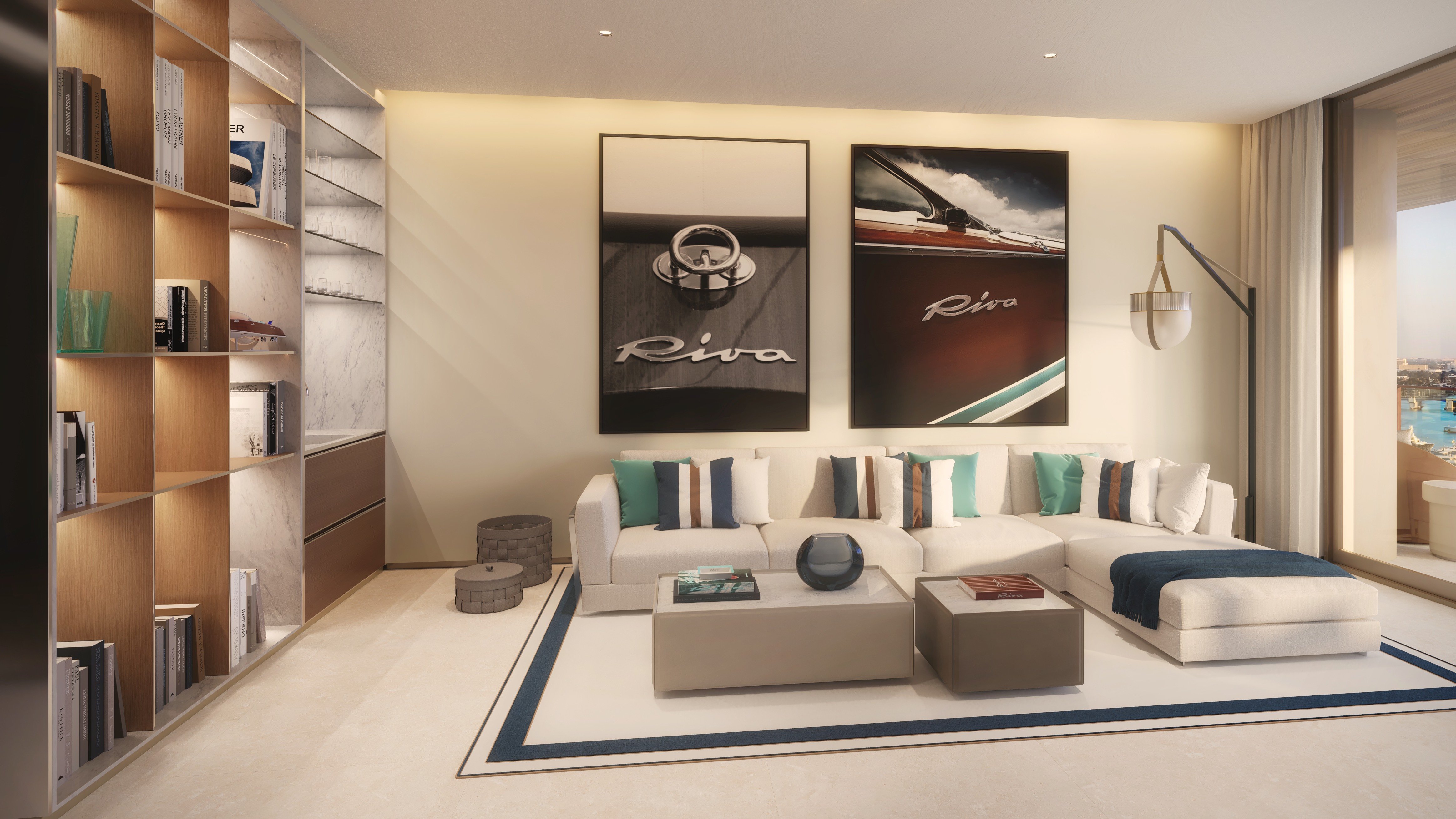
In South Florida’s newest luxury inventory, the default residence is a single-plane condominium: an elevator-to-corridor arrival, a linear progression from foyer to living room, and a single stack of bedrooms typically arranged off a hallway. A two-story duplex breaks that pattern. It introduces vertical zoning, sharper privacy control, and a different relationship to sound, light, and entertaining.
That distinction is why duplex layouts can feel rare even when they are not numerically scarce within a given building. The buyer pool for stair-connected living inside a high-rise is narrower by design. Some purchasers want everything on one level for long-term ease. Others want the lived-in drama of a multi-level home, but with the security and services of a condominium. Duplex buyers are often selecting a very specific lifestyle: hosting with a true “public” floor, keeping bedrooms meaningfully separate, and living in a home that reads more like a private residence than a typical unit.
At Riva Residenze Fort Lauderdale, evaluating rarity starts with that broader context. When a scarcity premium exists, it is usually tied to how convincingly the duplex delivers multi-level benefits without importing the same inconveniences that pushed the buyer away from a single-family property.
“Rarity” is often discussed as if it is only about count. In practice, duplex value is driven by three overlapping forms of rarity.
First is typological rarity: how often true duplexes show up in this segment. In Fort Lauderdale, many towers rely on repeating floorplates, which naturally favors single-level plans. A duplex requires structural and mechanical planning that disrupts repetition, so it is typically reserved for select positions in a building.
Second is experiential rarity: whether the duplex truly lives differently, or simply stacks two levels with compromises. A well-conceived duplex can feel like two zones stitched into one coherent home-an arrival that makes sense, a stair that lands gracefully, and bedrooms that remain private even when the main floor is active.
Third is resale rarity: how many comparable alternatives a future buyer will realistically consider. Duplexes can stand out in a listing set, but they can also be harder to comp against the market. That makes clarity essential: a legible bedroom count, sensible kitchen placement, and a layout that photographs and tours cleanly.
The stair is the headline, but it is not the test. The real test is whether the stair improves the home’s choreography.
Start with arrival. The most desirable duplexes typically create a grounded sense of entry on the main living floor, even if the building uses a shared corridor. A foyer that buffers the living room, creates art-wall opportunities, and controls sightlines reads more like a private home. If the layout delivers you immediately into the kitchen or straight into a seating area, much of the duplex advantage is diluted.
Next, assess vertical separation. Ideally, the “public” floor holds living, dining, kitchen, powder, and potentially a flex room or den. The “private” floor holds the primary suite and secondary bedrooms, with laundry and linen storage placed to reduce daily friction. When bedrooms are split across both levels without a clear purpose, the duplex can feel like two partial apartments instead of one unified residence.
Then, study stair placement. A stair that sits too centrally can steal square footage and complicate furniture planning. A stair that is overly tucked away can feel like an afterthought. The best solutions are visually calm, naturally lit when possible, and positioned so movement between floors does not cut through the main entertaining zone.
Finally, look at acoustic logic. Duplex living can be quieter when bedrooms are stacked away from the active floor. It can also carry noise if the stairwell becomes a channel. Note where TVs, kitchens, and social zones sit relative to the bedroom level.
Duplexes ask you to accept a defined set of trade-offs.
The first is the stairs themselves. For some buyers, stairs are aspirational-a cue of “house-like” living and a more layered interior. For others, stairs are a long-term concern. The decision is personal, but it should match your time horizon.
The second trade-off is service circulation. Many condominium buildings optimize deliveries and service flow for single-level units. Duplex owners should think through the practical realities: where packages land, how groceries reach the kitchen, and whether laundry is placed where it truly supports the home’s rhythm.
The third trade-off is climate control and comfort. Two levels can introduce temperature stratification, especially with higher ceilings or broad glass exposure. The most comfortable duplexes tend to have thoughtful zoning and vents that avoid noisy drafts near seating and sleeping areas.
For buyers who want a more residential experience without exterior upkeep, duplex living can bridge the gap between tower life and a true townhouse. That same instinct is why some shoppers compare duplex condos to luxury townhome-style offerings in other submarkets, even when they ultimately prefer a full-service building.
Fort Lauderdale’s luxury buyer often balances boating culture, walkability, and a preference for newer product. In this environment, duplex layouts tend to resonate with three profiles.
One is the entertainer who wants a distinct hosting level. The psychological shift of guiding guests “up” or “down” to private spaces matters. It changes how a home feels during events-and how personal spaces stay personal.
Another is the multi-generational or frequent-guest owner who wants separation without needing two separate units. A duplex can support visiting family, long weekends with friends, and work-from-home needs when the plan places a quiet zone away from the main living areas.
The third is the former single-family owner who wants to keep a sense of layered living. In many cases, the buyer is not downsizing in lifestyle-only simplifying maintenance. Within Fort Lauderdale, duplexes can preserve that “house cadence” while retaining the lock-and-leave advantages of a condominium.
For those cross-shopping the broader coastal corridor, it can be useful to compare the duplex concept with other high-end, service-forward towers. For example, the hospitality-anchored environment at Four Seasons Hotel & Private Residences Fort Lauderdale appeals to buyers who prioritize seamless day-to-day support, even if they ultimately choose a different layout philosophy.
Rather than leaning on simplistic scarcity, consider how duplexes tend to behave in a market.
They can command a premium when the layout reads as inherently superior, not merely different. If the duplex creates a true great-room experience, protects bedroom privacy, and delivers meaningful storage, it can attract buyers who might otherwise consider a penthouse or a single-family home. In those cases, the competitive set shifts upward.
They can also trade at a discount when the second level feels like leftover square footage. A duplex with awkward landings, tight stair geometry, or compromised ceiling heights can be more challenging to sell than a well-proportioned single-level plan with similar views.
Liquidity is also seasonal and demographic. Duplexes often appeal to a decisive buyer who already knows they want this format. That can mean fewer showings, but higher conviction when the right person walks in. Owners benefit most when the duplex is presented as a lifestyle solution-“hosting upstairs, sleeping downstairs,” or the reverse-based on the plan’s logic.
The strongest duplex interiors feel curated rather than crowded. Furniture scale matters, because stair volume-and any double-height moments, when present-can dwarf standard pieces.
One practical approach is to treat each level as a distinct mood. The entertaining floor can lean more architectural: sculptural lighting, gallery walls, and seating that orients to views. The private level can feel quieter and more tactile in palette. That contrast reinforces the purpose of duplex living.
Storage is another differentiator. Buyers should identify where seasonal items live, where luggage goes, and whether the home supports a clean visual line. When storage falls short, duplexes can feel visually busy, because vertical circulation already adds complexity.
For those who want a “house-like” sensibility with condominium polish, it can be helpful to experience how other ultra-premium buildings approach privacy, arrival, and amenity adjacency. A boutique oceanfront environment such as 2000 Ocean Hallandale Beach offers a different interpretation of exclusivity, but it highlights the same buyer instinct: separation, calm, and a sense of ownership that feels personal.
When deciding whether a two-story duplex at Riva Residenze Fort Lauderdale is “rare enough” to matter, use a framework grounded in function.
Does the plan provide true separation between hosting and sleeping, with logical placement of baths and laundry?
Does the stair enhance the home’s flow and aesthetics without consuming the best square footage?
Does the layout reduce daily friction, meaning groceries, packages, and morning routines feel effortless?
Can the home be furnished elegantly without forcing narrow circulation paths or undersized seating?
If you imagine resale, does the duplex tell a clear story in one sentence, something a buyer immediately understands?
If the answer is consistently yes, the duplex is not only rare-it is meaningfully differentiated. If the answers are mixed, a single-level residence may ultimately deliver a more universally liquid luxury product.
For buyers who are also considering Miami’s vertical neighborhoods, it is worth observing how other markets position statement residences. A design-forward, skyline-centric offering like 2200 Brickell underscores how strongly layout clarity and lifestyle narrative influence desirability, even when the exact product type differs.
Are two-story duplex condos truly uncommon in Fort Lauderdale? They are less common than standard single-level plans because they require more complex building design.
Do duplex layouts usually sell for more than similar single-level units? Sometimes, but only when the layout delivers better privacy, flow, and entertaining value.
Is a duplex a good alternative to a townhouse? Yes, if you want vertical separation without exterior maintenance and with full-service living.
What is the biggest functional risk with a duplex plan? Poor stair placement can waste prime square footage and disrupt furniture and circulation.
Should bedrooms always be on the upper level? Not always, but the best duplexes keep sleeping areas clearly separated from hosting spaces.
Do duplexes feel louder or quieter than single-level condos? Either is possible; good stacking and bedroom separation can make them feel quieter.
How should I think about long-term accessibility with stairs? Consider your time horizon and whether you would still enjoy stair use years from now.
What makes a duplex easier to resell? A legible layout story, strong privacy, and rooms that photograph and furnish cleanly.
Is a duplex only for large households? No; many buyers choose them for entertaining and for separating work and rest zones.
What should I prioritize when touring a duplex at Riva? Focus on arrival, stair logic, bedroom privacy, storage, and how daylight moves between levels.
If you'd like a private walkthrough and a curated shortlist, connect with MILLION Luxury.
If branded residences are on your mind — as a home or as an allocation — we would be glad to share what we are seeing, privately.
Begin a quiet conversation