A practical editorial guide for luxury buyers evaluating how South Florida residences can support daily wellness, privacy, movement, recovery, family routines, and long-term livability.
For the South Florida luxury buyer, wellness is no longer a weekend indulgence or a spa appointment reserved for travel. It is a daily operating system. The right residence should make movement easier, recovery quieter, food more intentional, sunlight more useful, and privacy more dependable. In practice, that means looking beyond the polished amenity image and asking how the home performs at 6 a.m., after a long flight, during school drop-off, before dinner guests arrive, and on the rare day when doing nothing is the most restorative choice.
That discipline is especially relevant in a region where indoor and outdoor life are often intertwined. A wellness-focused purchase is not simply about choosing the building with the longest amenity menu. It is about understanding how the residence, the building, and the neighborhood support habits you can actually sustain. The most valuable luxury is not novelty. It is consistency.
Before comparing finishes, begin with a candid audit of your routine. Do you train early or late? Do you need a quiet room for virtual sessions, meditation, massage, or stretching? Will wellness be individual, couple-driven, or family-wide? Is the priority longevity, athletic performance, stress reduction, sleep, nutrition, social connection, or all of the above?
A practical buyer should measure the home against the week. Monday may require efficiency and privacy. Friday may call for entertaining. Saturday may revolve around children, beach time, boating, golf, or a long lunch. A residence that supports wellness only when the calendar is empty is not truly wellness-oriented. The strongest fit is the one that reduces friction on ordinary days.
In spreadsheet terms, this often means comparing Brickell convenience, Miami Beach access, Coconut-grove calm, Oceanfront exposure, Pool programming, and New-construction service design through the lens of how you actually live.
The wellness conversation should begin inside the private residence. A beautiful amenity deck cannot compensate for a floor plan that compromises sleep, creates noise conflicts, or offers no transition between social and restorative spaces.
Look for bedroom separation, calm primary suites, generous storage for fitness equipment, and at least one flexible area that can become a movement, treatment, or meditation room. A terrace can be more than a view platform if it allows for morning light, quiet reading, breathwork, or an outdoor dining ritual. Kitchens matter as much as gyms. If nutrition is central to the household, study refrigeration, pantry capacity, prep space, ventilation, and the relationship between kitchen, dining, and staff areas.
Natural light is valuable, but so is control. The strongest residences allow brightness when desired and darkness when needed. For full-time wellness, sleep quality is a serious consideration. Window treatments, bedroom orientation, acoustic privacy, and mechanical comfort deserve the same scrutiny as stone selection.
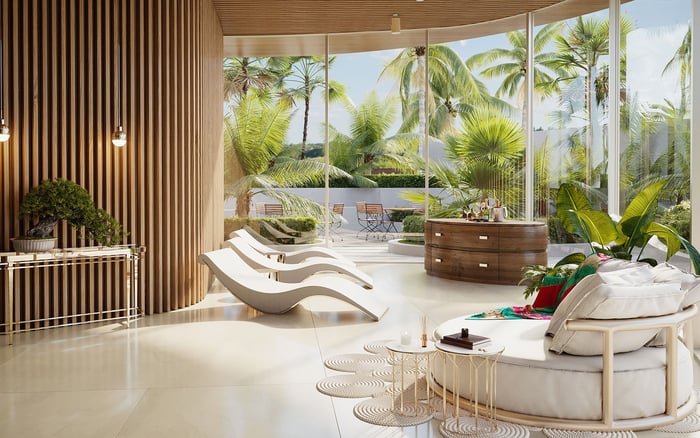
Amenity spaces are most useful when they are available, well maintained, and naturally integrated into daily life. A fitness center that feels inconvenient will be skipped. A spa area without privacy may go unused. A pool that is visually striking but poorly suited to actual swimming may not support the buyer who values disciplined movement.
Ask how residents move from elevator to gym, pool, treatment room, sauna, or outdoor space. Consider whether the amenity sequence feels discreet or exposed. For many high-net-worth buyers, the issue is not access but comfort. A wellness area should feel calm at peak times, not performative.
Service is equally important. Full-time wellness depends on small operational details: towel availability, cleanliness, booking systems, guest policies, package handling, valet rhythm, maintenance standards, and the tone of the staff. These details rarely photograph dramatically, but they determine whether a building supports a low-friction life.
South Florida offers distinct residential moods, and each can support wellness differently. Brickell may suit buyers who want urban proximity, dining access, and a more vertical daily rhythm. Miami Beach may appeal to those who prioritize sand, water, design, and a strong sense of arrival. Coconut-grove can feel more village-like, with a softer residential pace and an emphasis on privacy. Oceanfront living may provide immediate visual decompression, while inland enclaves may offer a quieter domestic pattern.
The right choice depends less on prestige than on repeat behavior. If you will not cross town for a trainer, therapist, club, school, marina, or dinner, proximity matters. If traffic adds stress to every appointment, the wellness promise is compromised. A buyer should test the neighborhood at the times that matter most, including early morning, late afternoon, and weekend evenings.
Wellness at the ultra-premium level is often supported by what visitors never see. Staff circulation, service entries, laundry capacity, storage, pet care, delivery handling, parking ease, and guest management all affect the calm of a household. A residence may feel serene during a showing and strained during real life if these systems are not well resolved.
For families, the evaluation should include school-day logistics, homework areas, quiet rooms, and spaces where adults and children can decompress separately. For frequent travelers, the residence should be easy to leave and easy to return to. For seasonal hosts, guest suites and entertaining flow should not invade the most private parts of the home.
The buyer who treats these operational questions as wellness questions is usually ahead of the market. A calm home is rarely accidental. It is planned.
A disciplined buyer should ask practical questions before being persuaded by atmosphere. How often will I use each amenity? Is the gym large enough for my preferred training style? Can I receive private wellness services at home without disrupting the household? Does the building allow the level of discretion I expect? Are outdoor areas usable during the times I actually want them? Can the primary suite be made truly dark and quiet? Does the staff culture feel polished without being intrusive?
Also consider adaptability. A residence should support the current routine and the next one. Wellness priorities evolve. A young family may need flexible play and recovery space. An empty-nest couple may prioritize spa rituals, dining, and travel ease. An executive may need sleep discipline and a calm work environment more than another lounge.
The most persuasive wellness residence is not necessarily the one with the longest list of features. It is the one that makes healthy choices feel natural. It shortens the distance between intention and action. It protects sleep, simplifies movement, supports privacy, and gives the household room to breathe.
In South Florida luxury real estate, the best wellness purchase is deeply personal. It should reflect your body, your schedule, your family, your service expectations, and your preferred relationship with water, light, neighborhood, and quiet. Buy the routine, not the brochure.
What should a buyer evaluate first in a wellness-focused residence? Start with the floor plan, especially bedroom privacy, light control, quiet areas, storage, kitchen function, and flexible space for daily routines.
Are building amenities more important than the private residence? No. Amenities matter, but the private home must support sleep, nutrition, movement, and recovery every day.
How should I compare different South Florida neighborhoods? Match each neighborhood to your actual habits, including commute patterns, dining, schools, beach access, fitness providers, and social life.
Is an Oceanfront residence always better for wellness? Not always. Oceanfront exposure can be restorative, but privacy, acoustics, access, and building operations may be equally important.
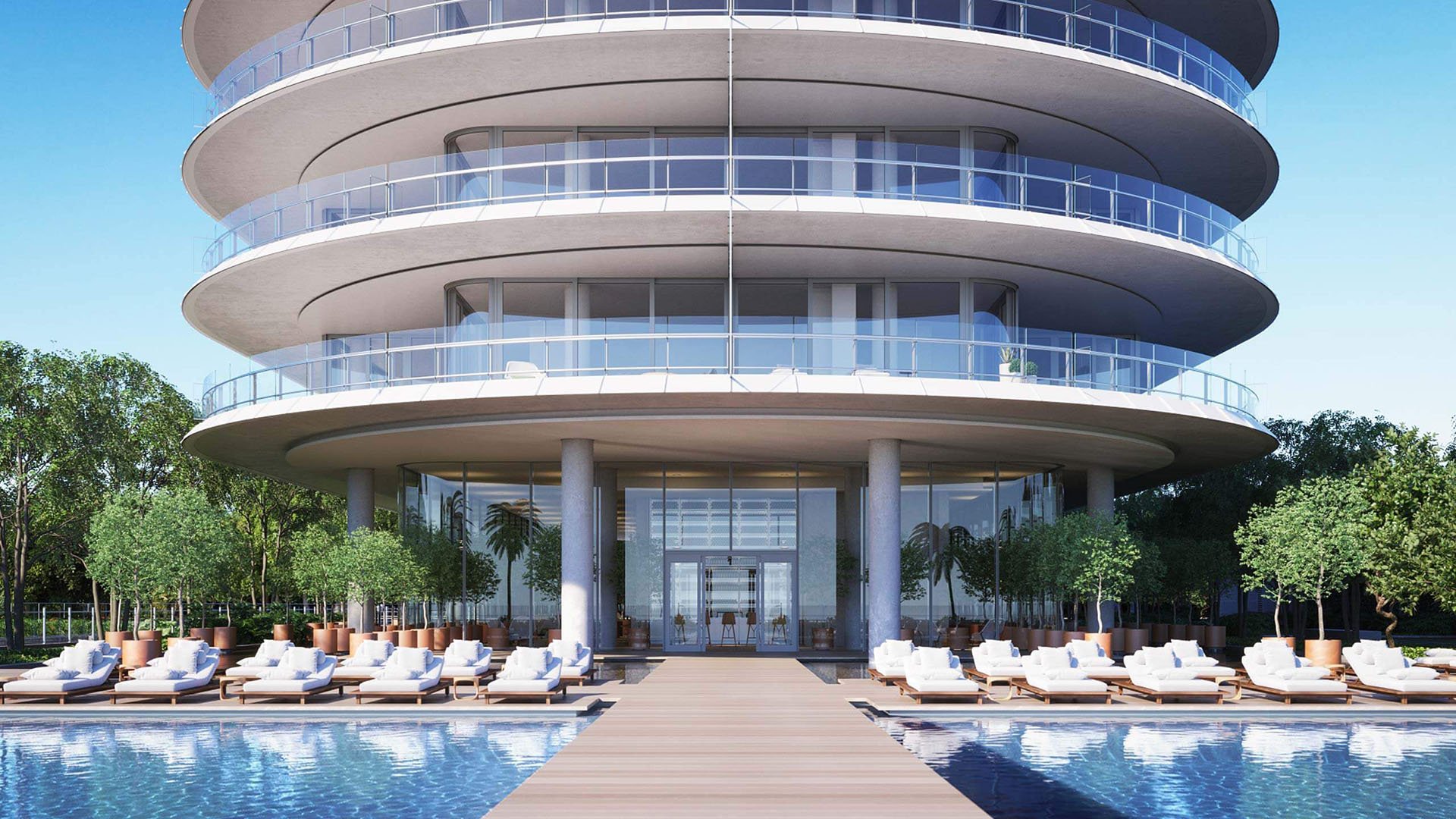
What makes a Pool valuable for daily wellness? A Pool is most useful when it supports your real routine, whether that means lap swimming, quiet recovery, family time, or outdoor relaxation.
Does New-construction automatically mean better wellness design? Not automatically. New-construction can offer modern systems and amenities, but buyers still need to evaluate layout, service, privacy, and daily usability.
How important is staff culture in a luxury wellness building? Very important. Polished, discreet service can reduce daily friction and make wellness routines easier to maintain.
Should buyers prioritize a home gym inside the residence? It depends on the routine. Some buyers need a private training room, while others prefer a well-managed shared fitness environment.
What wellness features are easiest to overlook? Acoustic privacy, blackout capability, storage, service flow, elevator experience, and delivery handling are often underestimated.
How can I avoid buying a wellness concept I will not use? Walk through your actual week and choose the residence that supports repeated habits, not occasional aspirations.
If you'd like a private walkthrough and a curated shortlist, connect with MILLION.
If branded residences are on your mind — as a home or as an allocation — we would be glad to share what we are seeing, privately.
Begin a quiet conversation