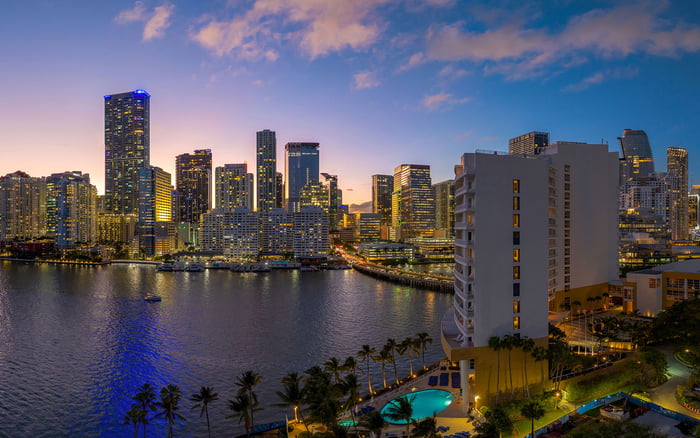
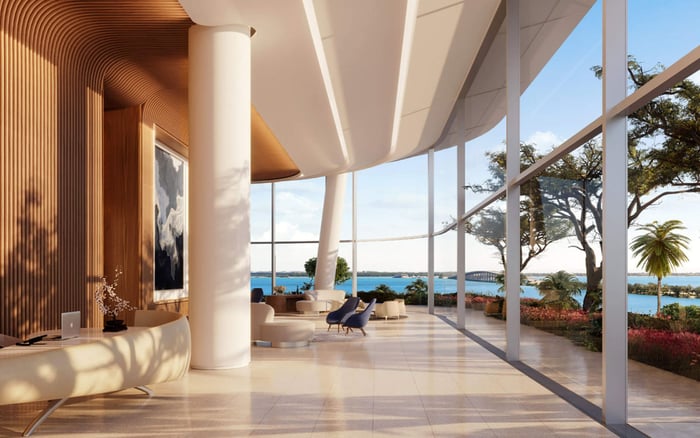
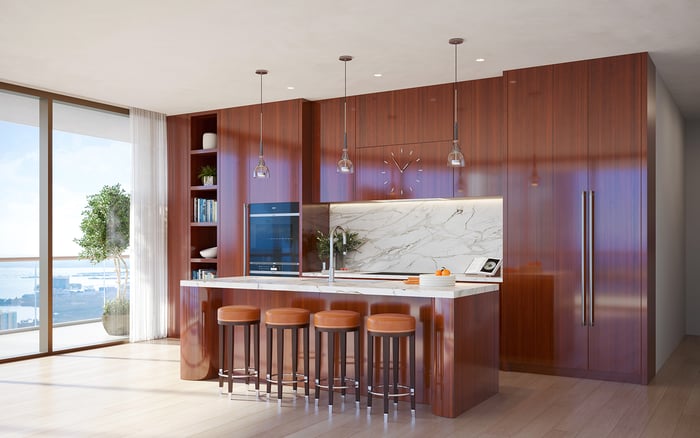
A wellness-first second-home strategy treats the residence as part of a daily operating system, not simply an occasional escape. For South Florida luxury buyers in 2026, the sharper question is how a property supports movement, sleep, recovery, privacy, and family rhythm across the full year.
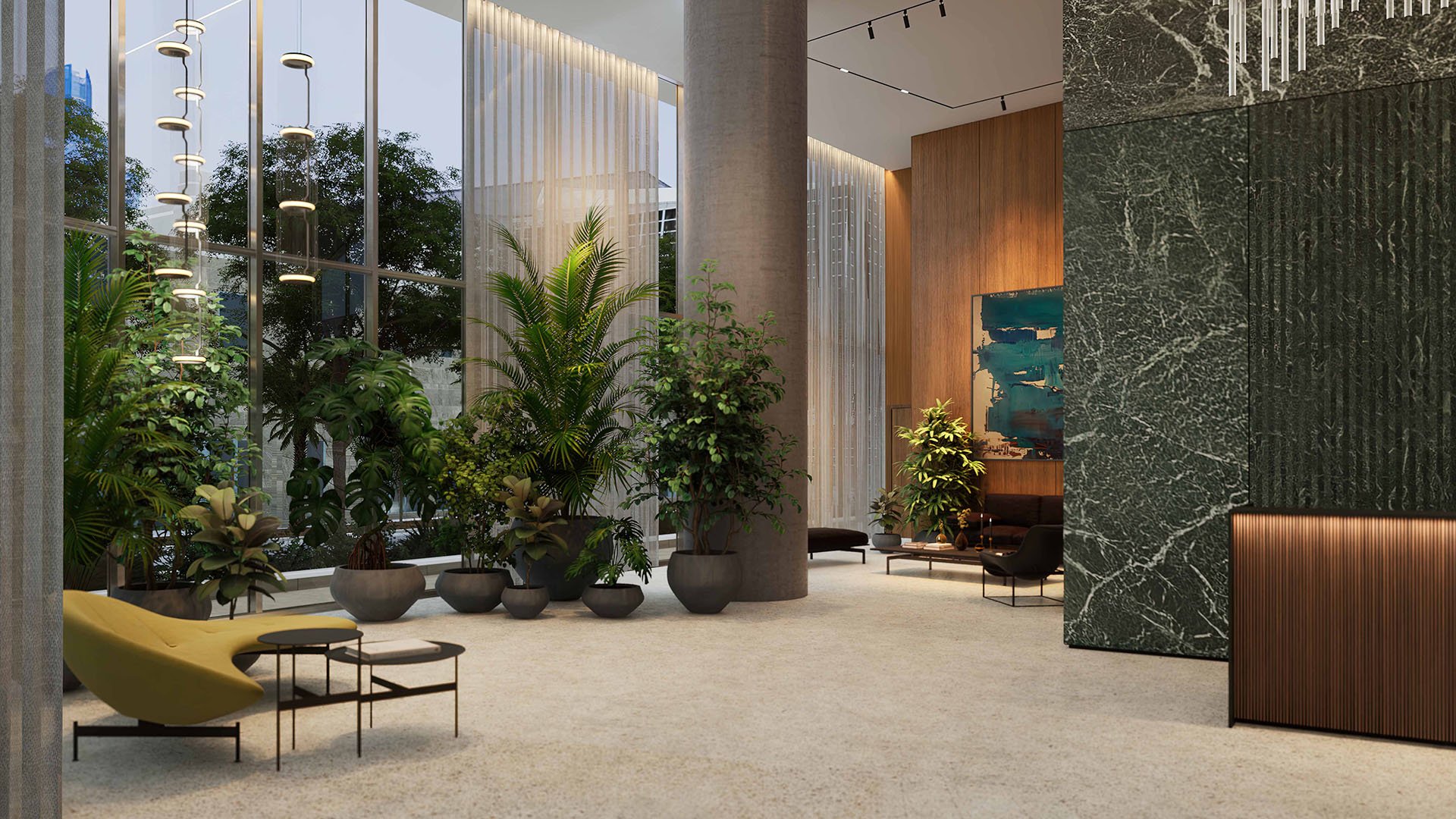
A second home was once measured by escape: a place to leave the primary residence behind, reset for a week, and return to ordinary life. In 2026, the more refined approach is different. The strongest second-home strategy begins with continuity. It asks whether a property can preserve the rituals that make a household healthier, calmer, and more productive.
For South Florida’s luxury buyer, this is not a minor shift. A residence that supports sleep, movement, nourishment, privacy, and recovery can become more than a seasonal address. It becomes a second base for daily life. When full-time wellness routines are built into ownership, the home is easier to use, easier to justify, and more likely to remain relevant as family schedules evolve.
The view still matters. So do architecture, service, security, and the arrival experience. But a wellness-led acquisition begins with a more intimate question: what does a good day look like here?
For one buyer, that may mean waking early, training before calls, working from a quiet room, walking at sunset, and hosting a low-key dinner. For another, it may mean beach time with children, private recovery after travel, and enough separation for guests without disrupting the household. The common denominator is rhythm. A property that protects rhythm is likely to be used more often than one purchased primarily for spectacle.
This is why floor-plan logic deserves as much attention as finish level. Morning light, acoustic separation, shaded outdoor space, elevator flow, kitchen practicality, and the relationship between bedrooms and wellness areas all influence whether the residence supports daily life or quietly resists it.
South Florida lends itself naturally to a wellness-driven ownership model because the climate rewards movement and outdoor time across much of the year. Yet not every luxury property translates that advantage into lived ease.
A buyer comparing Miami Beach, Brickell, Coconut Grove, oceanfront, new-construction, and second-home options should look beyond the postcard version of each address. Miami Beach may appeal to those who want sand, morning walks, and a resort-like cadence. Brickell may suit owners who need business access without sacrificing private amenities. Coconut Grove can offer a softer residential texture, with greenery, shade, and a more discreet pace. Oceanfront living may bring sensory calm, while new-construction can appeal to buyers who prioritize modern systems and service consistency.
The right answer is not universal. The right answer is the address where a household’s healthiest routine feels natural rather than forced.
Wellness begins with practical architecture. A strong second-home candidate should allow owners to arrive tired and settle quickly. That means intuitive storage, reliable technology, comfortable work areas, and spaces that accommodate both solitude and gathering.
Bedrooms should feel like true recovery zones, not simply decorative suites. Consider the path from bath to closet to sleeping area, the ability to darken rooms, and the distance from social spaces. Terraces should be assessed for actual use: sun exposure, wind, privacy, and furniture depth matter as much as square footage.
Fitness is also changing. Many luxury buyers no longer want wellness confined to a building amenity. They want the private residence to support stretching, breathwork, strength training, cold recovery, massage, or simply quiet. A room does not need to be labeled as a gym to function as part of a daily health plan. It only needs the proportions, privacy, and flexibility to be used consistently.
South Florida luxury development has made amenities central to the buying conversation. Still, an impressive amenity menu is not the same as an effective wellness environment.
The most useful amenities are the ones an owner will actually use on ordinary days. A lap pool that fits a morning routine may matter more than a dramatic lounge. A treatment room with real privacy may be more valuable than a crowded social space. A well-managed arrival sequence can reduce friction after travel. Thoughtful service can make a brief stay feel complete rather than rushed.
The goal is not to collect amenities. The goal is to reduce resistance. The fewer decisions required to maintain a healthy routine, the stronger the second-home strategy becomes.
A wellness-focused second home should be planned around the household calendar, not merely purchased for occasional desire. Owners should consider how often they can realistically visit, which months matter most, how school or work obligations affect use, and whether the property can host extended family without diluting privacy.
This is where full-time routines create discipline. If the home supports predictable habits, it becomes easier to schedule time there. A family might use it for long weekends, remote-work periods, school breaks, recovery after travel, or quiet weeks between major commitments. Each use case should be tested against the residence itself.
If the home only works when everyone is on vacation, its utility narrows. If it works on a normal Tuesday, it becomes a more durable asset.
The most resilient second-home buyers in 2026 will think like operators of their own lives. They will ask how the property performs, how it is maintained, how quickly it can be activated, and how well it supports the habits that matter most.
This mindset does not make the purchase less emotional. It makes the emotion more sustainable. Beauty is still essential, but beauty that supports a better day carries a different kind of value. It invites use, and use is what transforms a second home from a trophy into a living strategy.
For South Florida’s ultra-premium audience, the opportunity is clear: choose the residence that makes health feel effortless, privacy feel protected, and time feel better spent.
Why should wellness routines influence a second-home purchase? They reveal whether the residence will be used consistently, not just admired occasionally.
Is a wellness-focused second home only about fitness amenities? No. It includes sleep quality, privacy, movement, food routines, outdoor access, and ease of arrival.
Should buyers prioritize the neighborhood or the building first? Start with the daily routine, then identify the neighborhood and building that best support it.
Does oceanfront living automatically make a better wellness purchase? Not automatically. Privacy, sun exposure, noise, layout, and service can matter just as much as proximity to water.
Can Brickell work for a wellness-oriented buyer? Yes, particularly for owners who want business access, efficient services, and a residence that supports weekday use.
Why is new-construction appealing for wellness planning? Modern layouts, systems, and amenity programming may make daily routines easier to maintain.
How does a second-home strategy differ from a vacation-home mindset? A strategy focuses on repeatable use, family logistics, and long-term lifestyle value rather than occasional escape.
What should buyers look for in a primary suite? Prioritize quiet, darkness, circulation, storage, and a bathroom sequence that supports recovery.
Are large amenities always better? No. The best amenities are the ones that reduce friction and fit the owner’s actual habits.
How should a family test whether a property fits their routine? Walk through a normal day in detail, from waking and work calls to meals, movement, guests, and sleep.
For a confidential assessment and a building-by-building shortlist, connect with MILLION.
If branded residences are on your mind — as a home or as an allocation — we would be glad to share what we are seeing, privately.
Begin a quiet conversation