A buyer-oriented look at how meditation rooms reveal whether a luxury residence offers genuine wellness or simply another photographed amenity.
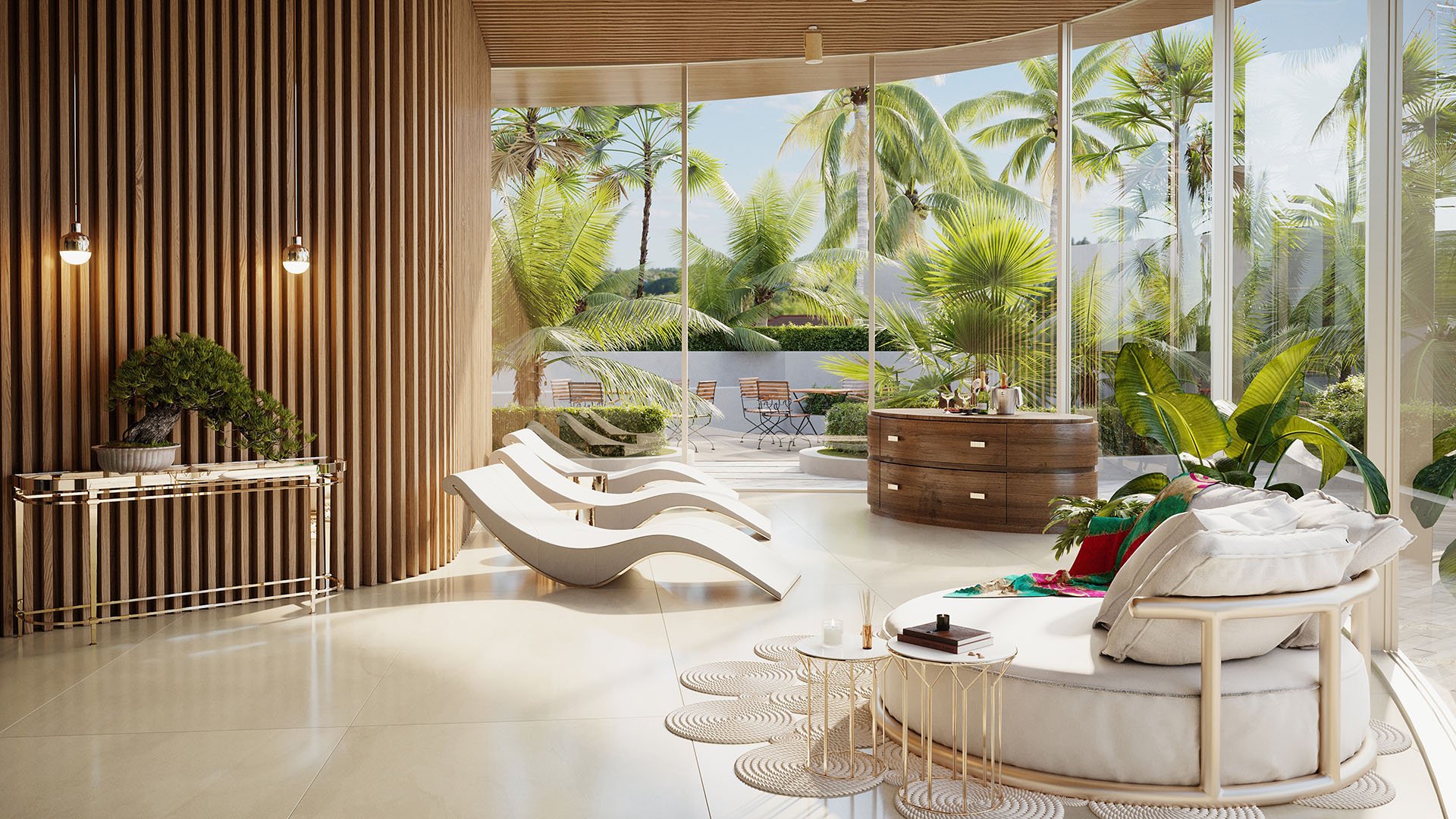
In South Florida luxury real estate, wellness is no longer confined to the spa corridor. It is part of the purchase decision, the daily rhythm of ownership, and the quiet language of value. A meditation room may seem modest beside a dramatic lobby, rooftop pool, or oceanfront terrace, but that simplicity is precisely why it reveals so much.
A true meditation room is difficult to fake. It requires restraint. It depends on silence, proportion, circulation, light, and privacy rather than theatrical equipment. When well designed, it gives residents a place to downshift without leaving the building or estate. When poorly conceived, it becomes a dim corner with a cushion, recast in brochures as wellness.
For buyers considering Miami Beach, Brickell, Coconut Grove, and other prime South Florida settings, the meditation room has become a useful filter. It separates residences that understand how affluent residents actually live from those that simply attach wellness language to an amenity menu.
The first distinction is operational. A credible meditation room is not merely a room with soft lighting. It is supported by decisions that make quiet possible. It should be positioned away from high-traffic zones, protected from gym noise, and insulated from mechanical hum. If the path to the room passes through a busy social lounge or loud fitness studio, the experience has already been compromised.
The best wellness spaces consider arrival. A resident should be able to enter without performance, conversation, or the feeling of being observed. There should be a natural transition from public to private, perhaps through a low-lit corridor, garden passage, or understated vestibule. The room should feel intentional before the door even opens.
This is where amenity marketing often fails. A meditation room may photograph beautifully at dusk yet function poorly at 7:30 in the morning, when residents want stillness before a workday, or at night, when privacy matters most. Real wellness is measured by repeated use, not by a single rendering.
Silence is the primary luxury. Buyers should pay attention to walls, ceilings, floors, door seals, and adjacency. If the meditation room shares a wall with weights, service areas, a children’s room, or an entertainment lounge, ask how sound is controlled. In a high-rise, elevator proximity and mechanical vibration also matter.
Light is equally important. A room designed for contemplation should avoid glare and visual clutter. Natural light can be beautiful, but it must be manageable. Soft indirect lighting, filtered daylight, and the ability to dim the space are more valuable than dramatic fixtures. The goal is not spectacle. The goal is nervous system ease.
Materials should feel tactile without becoming distracting. Stone, wood, linen, plaster, and warm neutral palettes can support calm when used with discipline. Scent should be handled carefully. Permanent fragrance systems may please some residents and alienate others. Flexibility is more sophisticated than a fixed sensory script.
Scale is another revealing factor. Oversized rooms can feel ceremonial and underused. Tiny rooms can feel like storage. The best meditation spaces understand intimacy. They offer enough room for individual practice, small guided sessions, and quiet breathing without becoming an event venue in disguise.
A serious buyer should ask how the room is accessed, when it is open, how it is reserved, and whether it is shared with other functions. If the answer is vague, the wellness promise may be vague as well. A space that alternates between meditation, meetings, private dining overflow, and brand activations is not truly a meditation room. It is flexible square footage with a wellness label.
Ask about rules. Quiet spaces need governance. Phone policies, group class schedules, cleaning protocols, capacity limits, and guest access all affect the lived experience. In luxury buildings, the elegance of an amenity often depends on invisible management. Without it, the calmest room can become another contested common area.
New-construction buyers should also look beyond renderings. Renderings often emphasize mood, symmetry, and perfect emptiness. The completed room must answer practical questions: where personal items are placed, how the air is handled, what happens when multiple residents arrive, and how the space feels at different times of day.
South Florida living is inherently sensory. Water, heat, glare, social energy, and constant movement are part of its appeal. That makes interior refuge more important, not less. A meditation room in this market should not compete with the view, the beach club, or the dining scene. It should provide a counterpoint.
In Brickell, where vertical living and professional pace shape the day, a credible quiet room can create a meaningful pause between work and home. In Miami Beach, where leisure and visibility are part of the atmosphere, privacy becomes a premium. In Coconut Grove, where landscape and residential calm already influence the neighborhood character, the best wellness spaces feel connected to nature without turning into decorative greenery.
The room should also reflect the building’s broader culture. If every other amenity is designed for display, a meditation room may feel like an afterthought. If the entire residence is organized around ease, privacy, and considered service, the room can feel like a natural extension of the home.
Not every amenity improves the ownership experience. Some are useful for sales, then lightly used. Others become part of daily life and shape long-term satisfaction. A meditation room can fall into either category.
As an amenity, it is a checkmark: wellness, mindfulness, tranquility. As an asset, it is a protected environment that reduces friction in the resident’s day. It helps a buyer imagine not just entertaining, exercising, and arriving, but recovering. That is a more mature definition of luxury.
For developers and designers, the challenge is restraint. For buyers, the challenge is discernment. The most convincing meditation rooms do not need overexplaining. They feel quiet immediately. They are placed intelligently. They are maintained consistently. They do not borrow credibility from wellness language. They earn it through use.
When touring, pause before entering. Listen from the corridor. Notice whether conversation, music, equipment, or elevator movement carries into the space. Step inside and remain still for a full minute. A room that photographs well may reveal its weakness in silence.
Observe the seating, floor, air temperature, and lighting controls. Look for storage that prevents clutter. Consider whether the room accommodates both individual residents and small groups without forcing awkward proximity. Ask yourself whether you would use it weekly, not whether it would impress a guest once.
The highest standard is simple: the room should feel like it belongs to the daily private life of the residence. If it feels staged, branded, or borrowed from hospitality theater, it is probably amenity marketing. If it feels calm, protected, and quietly inevitable, it may be real wellness.
What makes a meditation room a true wellness feature? It must offer quiet, privacy, thoughtful lighting, and consistent access. The room should support daily use rather than serve as a marketing image.
Is a meditation room more valuable than a spa? It depends on the resident. A spa may impress, but a meditation room can become more meaningful if it supports a daily ritual.
Should buyers prioritize size? Not necessarily. Proportion, acoustics, and privacy matter more than a large room that feels exposed or multipurpose.
What is the biggest red flag? A room located beside noisy amenities or used for multiple unrelated functions is a concern. Quiet spaces need clear purpose.
How should lighting be handled? Lighting should be soft, adjustable, and free of glare. The room should feel calm in morning, afternoon, and evening use.
Do meditation rooms need programming? Programming can help, but it should not dominate the room. Residents should be able to use the space independently.
Why does location within the building matter? Access and adjacency shape the experience. A quiet room loses value if residents must pass through busy social areas to reach it.
Can a meditation room work in a high-rise? Yes, if acoustics, circulation, and mechanical systems are handled with care. The room must feel insulated from building activity.
Are wellness amenities important for resale? They can support desirability when they are genuinely useful. Buyers increasingly distinguish between thoughtful design and superficial amenity branding.
What should I do during a tour? Spend a quiet minute in the room and listen. The space should feel restorative before anyone explains it.
For a tailored shortlist and next-step guidance, connect with MILLION.
If branded residences are on your mind — as a home or as an allocation — we would be glad to share what we are seeing, privately.
Begin a quiet conversation