
A dedicated yoga room can reshape a luxury floor-plan decision when practice is frequent, private, and central to the rhythm of the home. The right choice depends on light, sound, proportion, adjacency, and whether the room can remain valuable if lifestyle needs evolve.
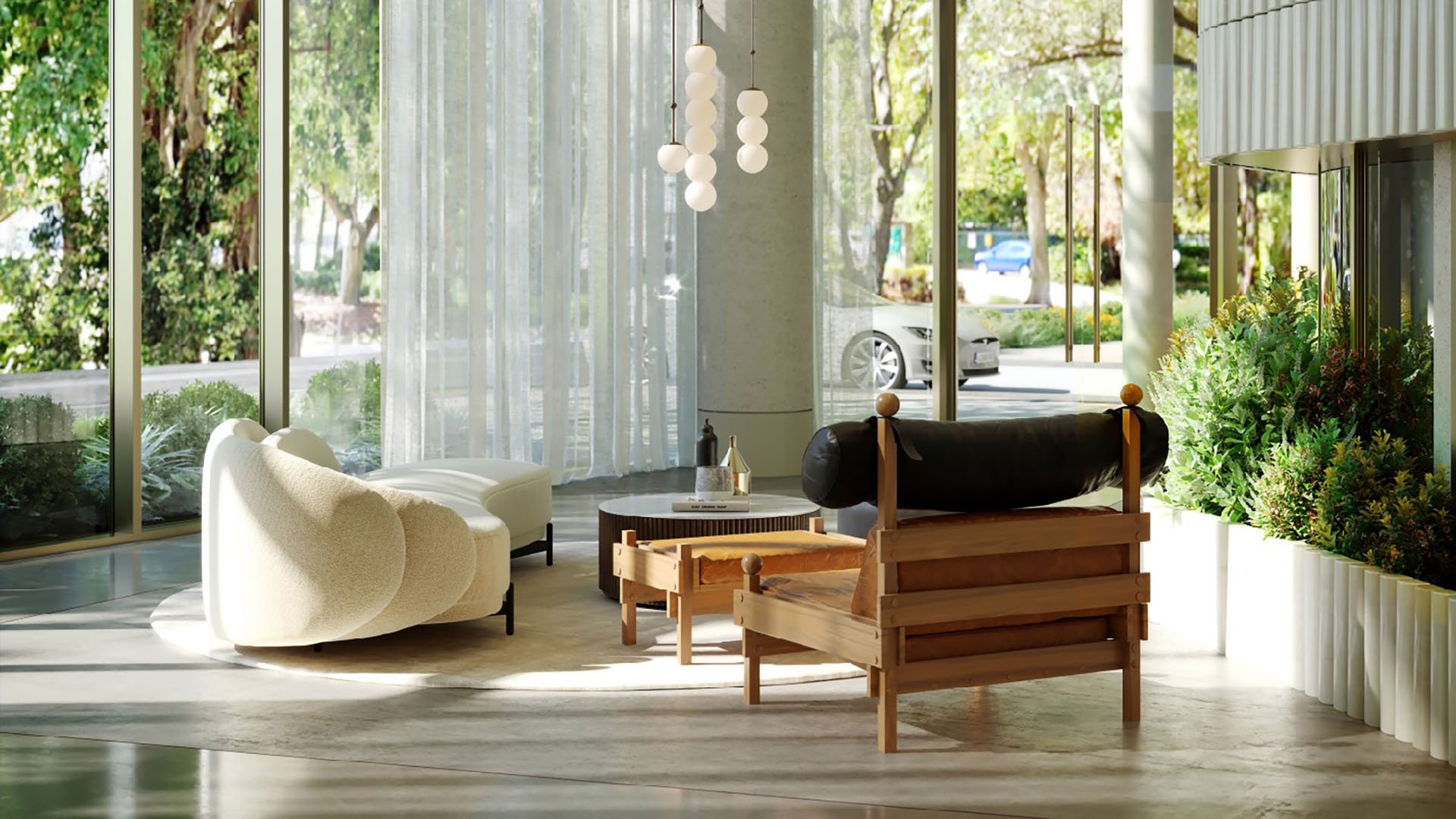
A yoga room should influence the floor plan you choose when it is part of daily life, not simply a beautiful idea attached to a listing. In South Florida’s luxury market, wellness space is often framed as an amenity. The more discerning question is architectural: will the residence allow you to practice well, consistently, and privately?
The answer depends less on square footage than on how the plan lives. A spare bedroom with poor light, hallway noise, and awkward proportions may be less useful than a smaller den with calm exposure and a clean wall for movement. A large great room may photograph beautifully, yet feel too public for restorative practice. The best yoga rooms are not accidental. They are rooms where the body can move, the mind can settle, and the rest of the home does not intrude.
Let the yoga room guide your floor-plan choice if you practice several times a week, work with a private instructor, meditate daily, or prefer wellness rituals at home rather than in shared amenity spaces. In these cases, the room is not surplus. It is part of how the residence supports performance, recovery, and discretion.
The room should offer enough clearance for a mat, props, and full arm extension without negotiating furniture. Ceiling height matters, especially for standing postures and breathwork that benefits from an open vertical feel. Natural light is desirable, but it should be soft rather than harsh. A room that overheats or creates glare may discourage use, no matter how impressive the view.
Privacy is equally important. A yoga room near the elevator foyer, service corridor, or main entertaining zone may feel exposed. A quieter position near the primary suite, a secondary bedroom wing, or a study can make the practice feel integrated without putting it on display.
Start with proportion. A long, narrow room can work for a single mat, but it may be limiting for assisted stretching, Pilates, or dual practice. A more balanced rectangular room usually offers greater flexibility. Avoid spaces interrupted by columns, angled glazing, or too many doors unless the room is large enough to absorb those constraints.
Flooring should feel grounded, resilient, and easy to maintain. If the existing finish is polished stone, consider whether rugs or specialized mats will be enough. If renovation is possible, a softer wood or engineered surface may create a more comfortable foundation. Sound transfer also deserves attention. Practice is quieter than many forms of fitness, but instruction, music, and morning routines can still disturb adjacent bedrooms if the plan is too compressed.
Storage is often overlooked. Blocks, bolsters, straps, towels, and meditation cushions should disappear when the room is not in use. A clean yoga room supports calm because everything has a place. If the floor plan includes a closet, millwork wall, or nearby bath, the space becomes easier to use every day.
In Miami Beach, Brickell, Coconut Grove, and Sunny Isles, the yoga-room decision often revolves around exposure. Morning light can be exquisite, but strong sun may require shading, UV control, and careful temperature management. Oceanfront residences can offer remarkable calm, yet the best practice room is not always the one with the most dramatic panorama. Sometimes the ideal room is slightly removed from the view, allowing the water to become atmosphere rather than distraction.
Terraces are a seductive part of the conversation. Outdoor practice can be beautiful in the right season and at the right hour, but wind, heat, humidity, and privacy may limit daily use. Treat the terrace as a complement, not a replacement. The interior room should be strong enough to function on its own.
New-construction buyers should study plans early, before assuming that any den can become a wellness room. Look closely at door swings, window walls, mechanical closets, bathroom adjacency, and where furniture will naturally land. A floor plan may label a space as a den, but its real value depends on how gracefully it can become a sanctuary.
A dedicated yoga room is compelling, but over-specialization can reduce long-term adaptability. The most valuable wellness rooms can also serve as a study, massage room, nursery, or quiet guest space if life changes. This is especially relevant for second homes, seasonal residences, and homes intended for multigenerational use.
The ideal plan gives the room identity without trapping it. Sliding doors, pocket doors, discreet storage, and a nearby full bath can make the space feel intentional while preserving optionality. If a room requires excessive customization to function, it may be the wrong room or the wrong plan.
For buyers comparing two otherwise similar residences, the better yoga-room plan is often the one that protects daily ritual. It gives you calm light, privacy, storage, and silence without compromising the principal living spaces. In that sense, the yoga room is not a luxury extra. It is a test of whether the home understands how you actually intend to live.
Should a yoga room influence my home purchase? Yes, if yoga, meditation, or private wellness routines are part of your regular lifestyle. The floor plan should support the practice without relying on compromise.
Is a den better than a spare bedroom for yoga? Often, yes. A den with better light, privacy, and proportions can outperform a larger bedroom that feels noisy or awkward.
Does a yoga room need a view? Not necessarily. A calming exposure is more important than a dramatic view that creates glare, heat, or distraction.
What room size is best for private yoga? The room should allow a mat, props, and full movement without furniture conflicts. Balanced proportions matter more than raw square footage.
Should the yoga room be near the primary suite? It can be ideal if the location remains quiet and private. This arrangement supports morning or evening practice with minimal disruption.
Can a terrace replace an indoor yoga room? Usually not. Terraces are beautiful for occasional practice, but weather, wind, and privacy make an indoor room essential for consistency.
What should buyers avoid in a yoga room? Avoid harsh glare, awkward columns, loud adjacency, poor storage, and rooms that feel like leftover space rather than intentional space.
Is flooring important for yoga? Yes. Hard polished surfaces may look elegant but can feel unforgiving, so comfort and maintenance should be considered early.
Can a yoga room help resale appeal? A flexible wellness room can broaden appeal if it can also function as an office, guest room, or quiet retreat.
Should I prioritize building amenities or a private yoga room? Shared amenities are valuable, but a private room supports consistency, discretion, and personal rhythm in a way amenities cannot.
If you'd like a private walkthrough and a curated shortlist, connect with MILLION.
If branded residences are on your mind — as a home or as an allocation — we would be glad to share what we are seeing, privately.
Begin a quiet conversation

.jpg&width=700&height=438&fit=cover)