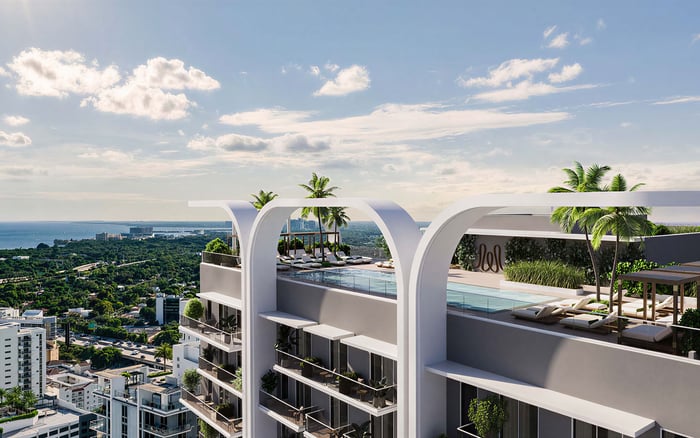
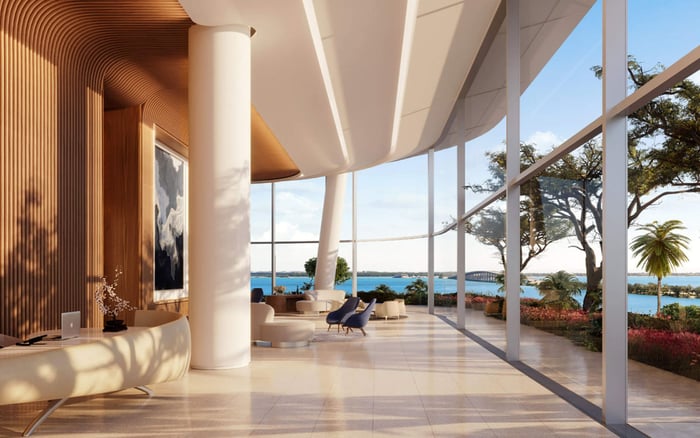
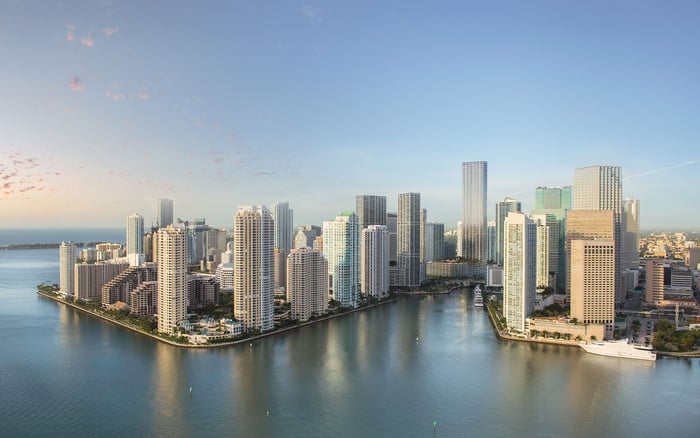
South Florida luxury buyers are treating brand premium durability as a practical underwriting lens for 2026, weighing whether a residence's name, service culture, design discipline, and operating quality can hold value beyond the initial sales cycle.
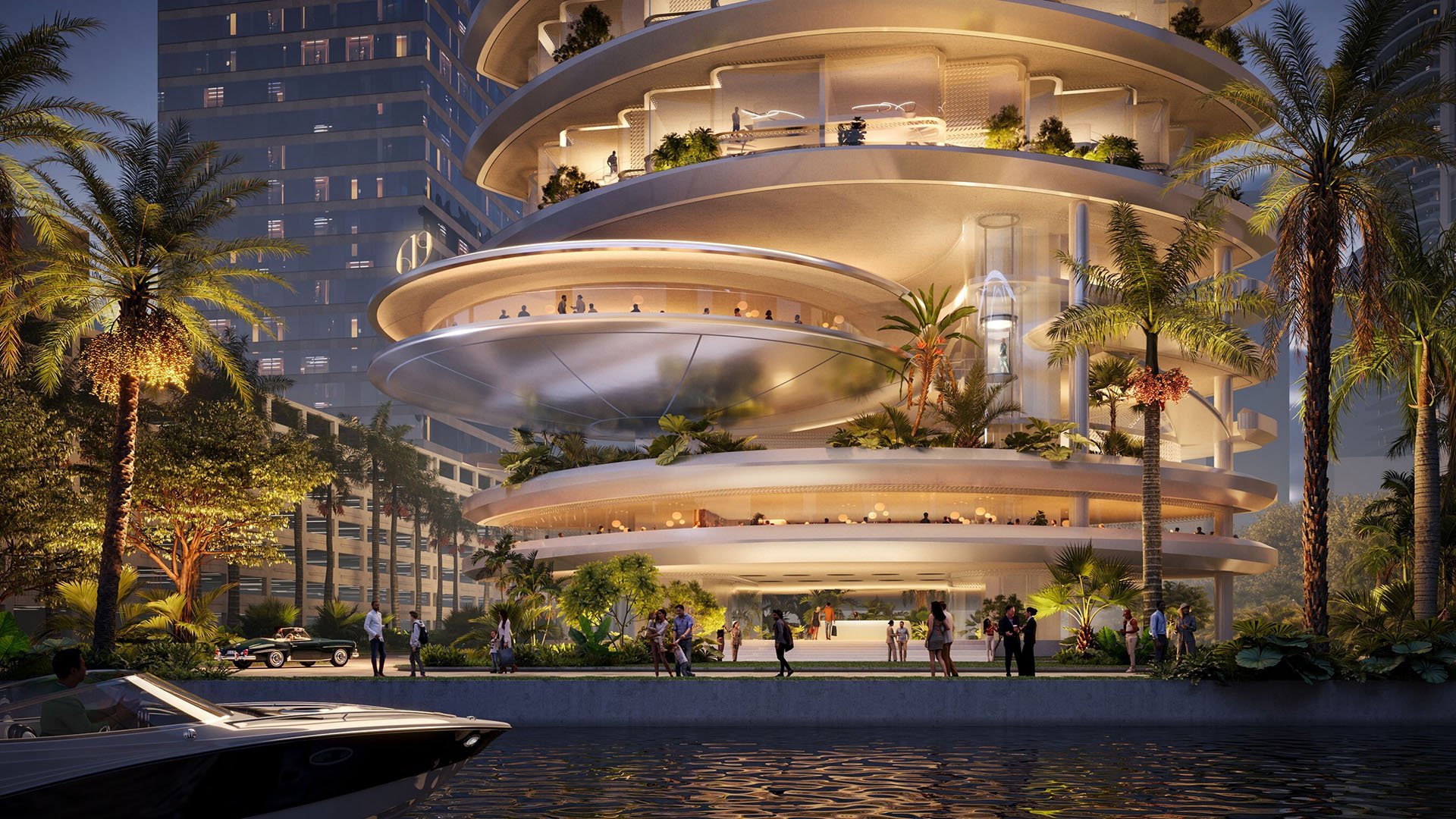
In South Florida's luxury condominium market, the question around brand has become more exacting. Buyers are no longer asking only whether a name is recognizable, fashionable, or attached to a polished sales environment. They are asking whether the premium attached to that name can endure into 2026 and beyond.
That shift matters. A brand premium is easy to understand at launch, when architecture, interiors, hospitality language, and scarcity are presented in their most controlled form. Durability is harder. It asks whether the promise survives daily use, association governance, staffing continuity, material wear, market cycles, and the scrutiny of a future buyer who is not emotionally attached to the original presentation.
For sophisticated purchasers, brand premium durability is becoming a filter rather than a decorative preference. It separates names that create lasting trust from those that merely generate opening-week attention.
Luxury buyers in South Florida increasingly behave like stewards of capital, even when the residence is primarily personal. A waterfront home, a pied-à-terre, or a seasonal base may be purchased for lifestyle, but the acquisition is still judged through a preservation lens. Will the building feel relevant later? Will service standards remain consistent? Will the design age with grace rather than trend fatigue?
This is where brand durability becomes valuable. The strongest brands do not rely on logos alone. They convey discipline. They create expectations around materials, service, privacy, arrival sequence, resident experience, and how a building is maintained after the excitement of launch has passed.
In practical terms, the buyer is asking: if two comparable residences sit in the same area, why should one command a stronger premium over time? The answer must now be more than ambiance. It must be operational credibility.
A durable brand premium usually reveals itself through restraint. The building does not need to overstate its identity because that identity is embedded in the details. Lobby proportions, acoustic comfort, elevator programming, wellness spaces, valet choreography, resident-only privacy, and staff training all shape whether a brand feels permanent or performative.
The same principle applies to interiors. Buyers are increasingly cautious with visual signatures that may photograph well but date quickly. In South Florida, where light, water, humidity, salt air, and indoor-outdoor living all shape the residential experience, durable luxury is often quiet luxury. It favors materials that can be maintained, plans that live well, and common areas that remain elegant after years of use.
This is why the durability lens is especially relevant across Brickell, Miami Beach, Sunny Isles, and Palm Beach searches, where new-construction and investment goals often overlap. Each market has its own lifestyle rhythm, yet the underlying question is consistent: does the brand help protect long-term confidence, or does it depend too heavily on novelty?
South Florida is not a passive luxury market. It is visually competitive, internationally observed, and unusually lifestyle-driven. Buyers often compare not only buildings, but atmospheres: the energy of an urban bayfront setting, the discretion of an oceanfront address, the convenience of a walkable district, or the calm of a quieter waterfront enclave.
That variety gives branded residential projects an opportunity, but it also raises the standard. A brand cannot succeed by importing a concept without adapting it to how people actually live here. The most durable premium is local in function, even when the name carries global recognition.
A South Florida residence must perform through heat, weather, guest use, seasonal occupancy, and the expectations of owners who may divide time across multiple homes. Service must be intuitive, not theatrical. Amenities must be useful, not merely extensive. Architecture must respect views, privacy, and the coastal environment. The brand that understands these conditions has a stronger chance of retaining its premium.
The first buyer often purchases the story. The second buyer evaluates the evidence. By the time a branded residence reaches resale, the market can see whether the building delivered on its promise. Are the common spaces maintained with care? Do residents speak of convenience or friction? Has the association protected standards? Does the service culture feel settled?
This is why durability is becoming part of acquisition discipline. A buyer looking toward 2026 is not only choosing a residence for the next season. They are considering whether the property will remain easy to explain to a future market. A durable brand gives that future buyer language for confidence: recognizable positioning, consistent experience, and a clear reason for price distinction.
That does not mean every branded building will outperform, nor that every unbranded building lacks value. It means the name must earn its role. A strong brand can compress the time needed for a buyer to understand the building's promise. A weakly executed brand can do the opposite, adding cost without conviction.
A serious buyer should start by separating brand identity from brand execution. The name may open the conversation, but the building must close it. Ask how the service model will be funded and maintained. Ask whether the amenity program fits the resident profile rather than a generic luxury checklist. Ask whether the design language is timeless enough for a future resale audience.
Governance also matters. A premium residence depends on decisions made after closing: maintenance reserves, staffing levels, rental policies, building rules, and the resident culture that develops over time. These issues may feel less glamorous than finishes and views, but they often determine whether the premium is durable.
Finally, buyers should consider scarcity. A brand premium is stronger when the experience feels specific and difficult to replicate. If the brand promise can be copied easily, the premium may be more vulnerable. If it is embedded in architecture, location, service, and resident experience, it has a stronger foundation.
The most effective approach is comparative. Look at a branded residence beside a non-branded alternative of similar scale, location, and quality. Then ask what the brand genuinely adds. If the answer is better service, more coherent design, stronger privacy, superior arrival experience, or a clearer resale narrative, the premium may be rational. If the answer is mostly recognition, the premium deserves more scrutiny.
This does not reduce luxury to numbers. It brings discipline to desire. South Florida buyers still want beauty, water, wellness, entertaining space, and a sense of arrival. The difference is that in 2026, the most informed buyers want those qualities supported by something steadier than market enthusiasm.
Brand premium durability is ultimately about trust. It asks whether a residence can remain desirable after the showroom, after the launch campaign, and after the first wave of attention. In a market where taste moves quickly, durability may be the most elegant luxury of all.
What is brand premium durability? It is the likelihood that a branded residence can maintain its value, desirability, and credibility after the initial sales cycle.
Why is this becoming a 2026 buyer filter? Buyers are placing more emphasis on long-term confidence, service consistency, and resale clarity rather than launch-era excitement alone.
Does a famous brand always justify a higher price? No. The premium is stronger when the brand improves daily living, design quality, service standards, and future market perception.
What should buyers examine beyond the name? They should review service structure, governance, maintenance standards, design restraint, amenity usefulness, privacy, and resident culture.
Is brand durability more important for resale or personal use? It matters for both. Personal enjoyment depends on execution, while resale depends on whether future buyers still trust the building's promise.
Can an unbranded residence be a better purchase? Yes. A well-located, well-designed, and well-managed unbranded building may compete strongly if the branded premium lacks substance.
Which South Florida areas make this filter especially relevant? It is relevant wherever luxury supply is competitive, including urban waterfront, oceanfront, and private residential enclaves.
How does design affect brand premium durability? Timeless design tends to age better than trend-heavy styling, especially when materials, layouts, and common spaces support daily use.
Why does service matter so much? Service is where the brand becomes tangible. If staffing and operations fall short, the premium can feel cosmetic rather than structural.
What is the simplest test before paying a brand premium? Ask whether the residence would still command respect if the marketing disappeared and only the lived experience remained.
For a tailored shortlist and next-step guidance, connect with MILLION.
If branded residences are on your mind — as a home or as an allocation — we would be glad to share what we are seeing, privately.
Begin a quiet conversation