A discreet 2026 guide to evaluating concierge medical access as part of a Palm Beach luxury home search, from privacy and household logistics to seasonal planning.
For the Palm Beach buyer in 2026, the definition of a complete residence has expanded. Ocean exposure, architectural pedigree, club access, security, and staff circulation still matter. Increasingly, the most considered buyers are asking a quieter question: how well does this home support health, privacy, and continuity of care?
That does not mean turning a residence into a clinic. It means understanding how medical concierge services, private wellness coordination, and household logistics can work together without disrupting the cadence of daily life. For ultra-premium buyers, the goal is not convenience alone. It is confidence: the knowledge that routine care, urgent questions, travel preparation, recovery needs, and family health preferences can be handled discreetly and intelligently.
In Palm Beach, where many households divide time among multiple residences, yachts, private aviation schedules, and seasonal social calendars, medical concierge planning belongs in the same conversation as estate management and security. It should be evaluated before closing, not improvised after move-in.
The phrase can be used loosely, so precision is essential. At its best, medical concierge refers to a more personalized layer of health coordination, often centered on access, time, communication, and continuity. For a buyer, the practical questions are straightforward: Who is reachable? How quickly can the household be guided? What happens when the family is traveling? How is sensitive information handled? How are outside specialists, hospitals, wellness providers, and household staff coordinated?
The answer will vary by physician, practice model, family structure, and medical needs. A young family relocating full-time will have different priorities than a couple using Palm Beach as a winter base. A household with older relatives may focus on medication oversight, mobility, and urgent-response protocols. A frequent traveler may care most about pre-trip preparation, records access, and a clear path to care while away.
The buyer’s task is not to chase the most elaborate program. It is to design a sensible operating model around the people who will actually live in the home.
A medical concierge relationship can be excellent, but the home still has to support it. Privacy begins with the approach. Can a physician, nurse, physical therapist, or wellness professional arrive without passing through the most public social areas of the house? Is there a guest suite or flexible room that can accommodate recovery, rest, or a visiting family member? Does the elevator, motor court, or garage layout allow discreet movement when needed?
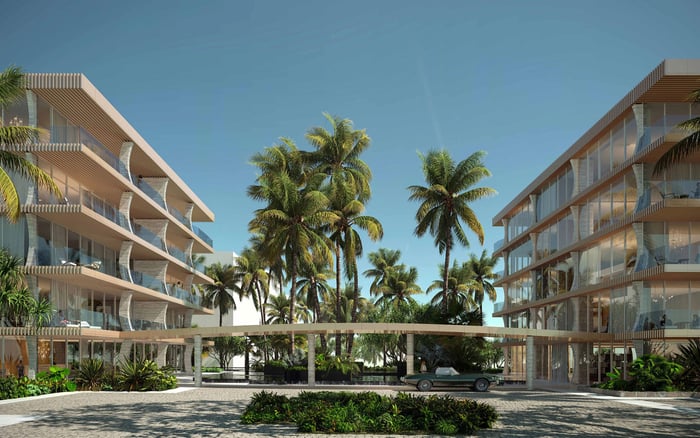
These questions are not limited to large estates. They matter in condominium residences, waterfront villas, and lock-and-leave homes. A refined building with disciplined access control, thoughtful service corridors, and a calm arrival sequence can make private care easier to manage. A beautiful home with poor circulation may create avoidable friction.
For buyers weighing Palm Beach, West Palm Beach, Boca Raton, second-home, gated-community, and oceanfront priorities, the wellness lens should sit beside views, finishes, and club proximity. A house is more valuable to the owner when it supports the household’s real rhythms, including the moments that are not meant to be seen.
Medical privacy is not only a legal or administrative matter. In a luxury residence, it is also architectural, operational, and cultural. The best households establish boundaries before they are needed. Which staff members know medical scheduling details? Where are deliveries placed? How are visiting providers greeted? What names appear in calendars? Who has authority to coordinate in an urgent situation?
These questions may feel excessive until the first high-pressure moment. Then they become essential.
Buyers should consider whether a property’s layout allows sensitive conversations to remain private. A home office, secondary sitting room, or quiet bedroom suite can be more useful than a dramatic formal room if the household expects regular consultations. Sound separation, secure connectivity, and predictable entry procedures all contribute to discretion.
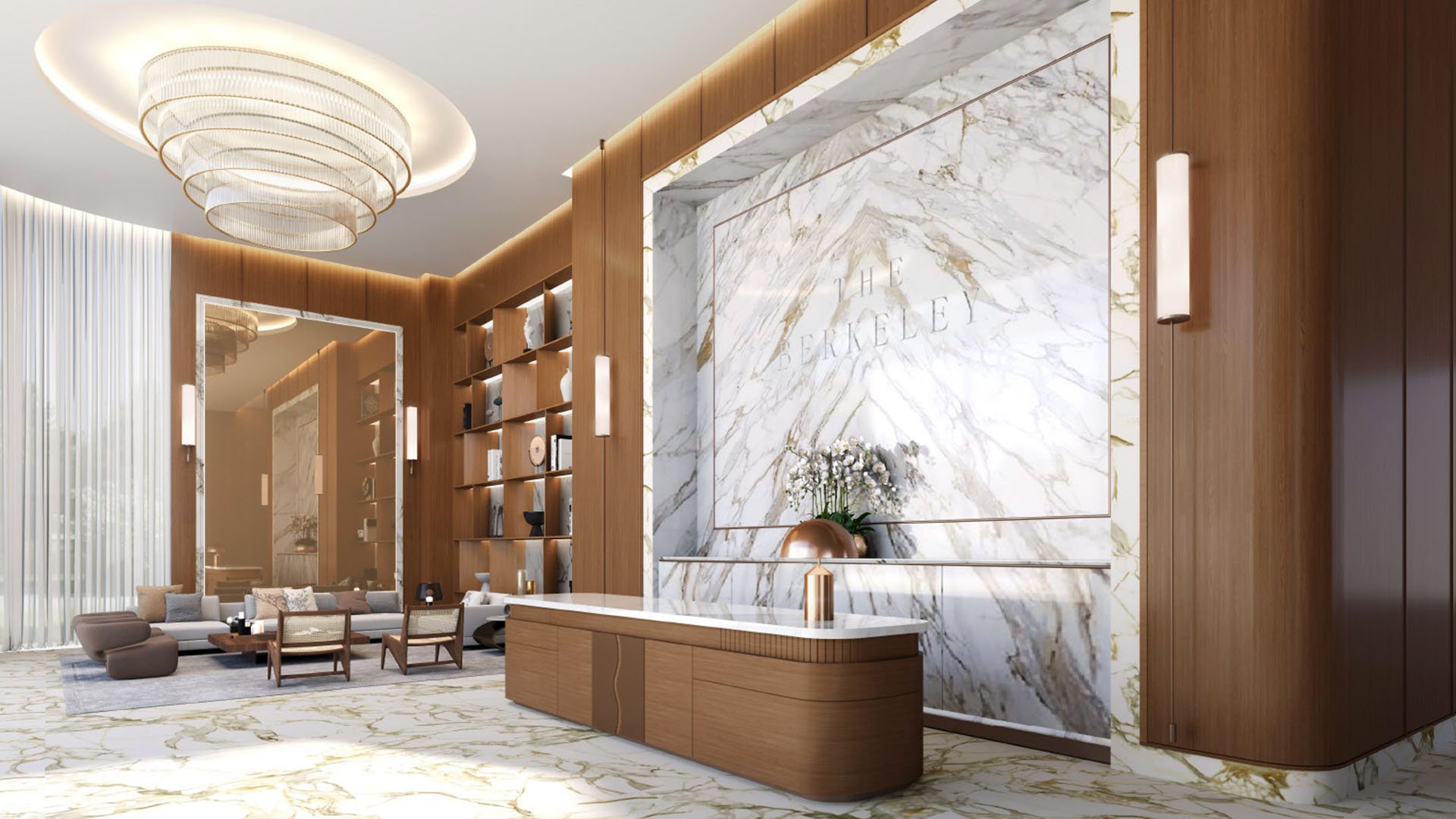
The same thinking applies to condominium living. Buyers should look beyond amenities and ask how access is managed. A polished lobby is not the same as a privacy strategy. The more prominent the owner, the more important it becomes to understand how service providers enter, wait, and depart.
Palm Beach ownership is often seasonal, but health needs are not. A buyer who spends part of the year elsewhere should think through the transitions. Records, prescriptions, specialist relationships, wellness routines, and post-procedure care can become fragmented if no one is responsible for coordination.
A well-designed plan identifies the family’s primary medical contact, local support in Palm Beach, preferred hospitals and specialists, emergency instructions, and travel protocols. It also clarifies how the household communicates. Some owners prefer a single estate manager to coordinate logistics. Others want a spouse, adult child, or personal assistant involved. The important point is to decide early and document the pattern.
For international owners or buyers with residences in multiple markets, this is especially important. The Palm Beach home should not function as an isolated island. It should be one node in a larger personal infrastructure, aligned with the owner’s physicians, advisors, family office, and travel schedule.
Luxury real estate has embraced wellness language, but buyers should separate ambiance from utility. A gym, spa bath, cold plunge, sauna, massage room, or meditation garden may be appealing, yet the more useful question is how those features fit into a realistic routine.
Can a trainer or therapist access the space without disrupting the household? Is there room for equipment storage? Does the property support quiet recovery after a procedure or injury? Is outdoor space shaded and usable during the times the owner is actually home? Does the primary suite feel restorative rather than theatrical?
The strongest residences do not simply display wellness. They reduce friction. They make it easier to sleep well, move regularly, host selectively, recover privately, and maintain a calm household rhythm. In Palm Beach, that can be more meaningful than another showpiece amenity.
Before committing to a property, buyers should add a medical concierge review to the broader due-diligence checklist. This review does not need to be dramatic. It should be practical.
Ask whether the home has a discreet provider entry path. Confirm cellular service and secure internet quality in private rooms where consultations may occur. Walk the route from garage or elevator to bedroom suites. Consider whether an older parent, recovering guest, or mobility-limited family member could move comfortably. Review where medical supplies, wellness equipment, or refrigerated items might be stored if ever needed.
For condominium buyers, ask how visiting professionals are registered, whether service elevators are available, and how privacy is protected during arrivals. For single-family buyers, look at gate procedures, driveway visibility, staff quarters, and the distance between family spaces and service areas.
None of this replaces medical advice. It simply ensures the real estate can support the care model the household intends to use.
The most successful buyers approach this quietly and collaboratively. The real estate advisor should understand privacy, layout, neighborhood nuance, and household operations. The attorney should help evaluate association documents, access rules, staffing implications, and any restrictions that could affect service providers. The estate manager or family office can translate preferences into daily procedures. Medical professionals can define what the household truly needs.
This is not about fear. It is about readiness. In the upper tier of the market, the best homes are not merely beautiful. They are capable. They allow owners to live expansively while keeping sensitive matters controlled, humane, and private.
For Palm Beach buyers in 2026, medical concierge planning is not a trend to admire from a distance. It is a practical expression of modern luxury: fewer exposed moments, fewer rushed decisions, and a residence that supports life with grace.
Is medical concierge planning relevant before buying a Palm Beach home? Yes. The property’s layout, access, privacy, and service patterns can affect how smoothly private care and wellness support are managed.
Should every buyer choose a concierge physician before closing? Not necessarily. Buyers should first understand their household needs, then evaluate whether a concierge model, traditional care, or a hybrid approach is appropriate.
What home features best support private medical access? Discreet entry, quiet rooms, strong connectivity, flexible guest space, and easy movement between parking, elevators, and bedroom suites are especially useful.
Does this matter more for single-family homes or condominiums? It matters for both. Single-family homes raise gate and staff questions, while condominiums require careful review of arrival, elevator, and privacy procedures.
How should seasonal residents think about continuity of care? They should establish clear contacts, record access, travel protocols, and local support so care does not become fragmented between residences.
Can wellness amenities replace a medical concierge plan? No. Amenities may support daily wellbeing, but they do not replace medical judgment, coordination, or emergency planning.
What should a family office or estate manager handle? They may coordinate scheduling, access, household instructions, travel logistics, and communication boundaries, depending on the owner’s preferences.
How can buyers protect privacy during provider visits? They can define who knows appointment details, control entry routes, use private rooms, and avoid unnecessary exposure in shared or public areas.
Should older relatives be considered in the property search? Yes. Mobility, guest-suite placement, elevator access, and quiet recovery space can become important even if they are not immediate priorities.
Is this medical advice? No. This is a real estate planning framework; buyers should consult qualified medical professionals for personal health decisions.
For a confidential assessment and a building-by-building shortlist, connect with MILLION.
If branded residences are on your mind — as a home or as an allocation — we would be glad to share what we are seeing, privately.
Begin a quiet conversation