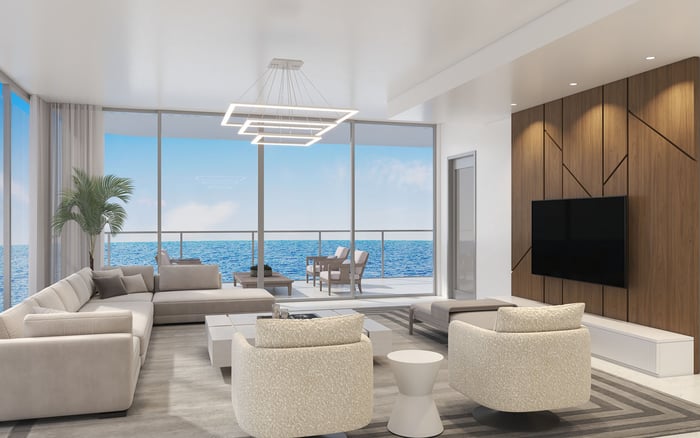
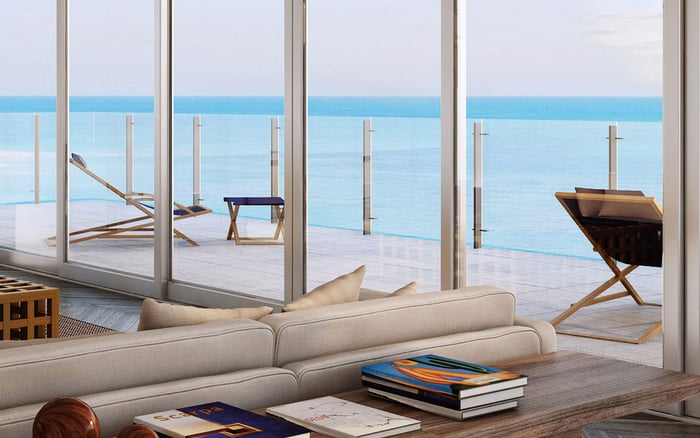
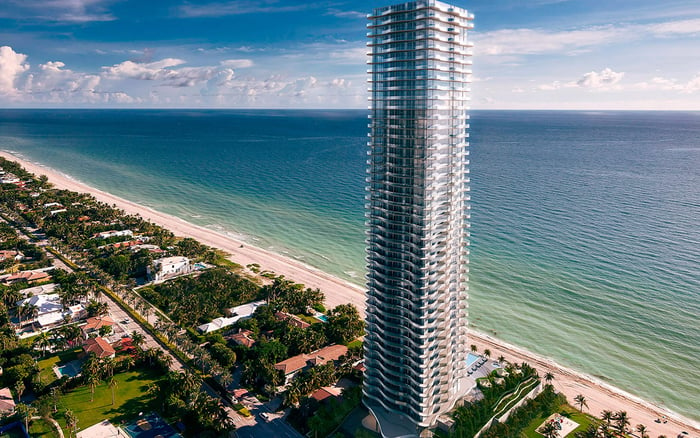
A practical due-diligence guide for luxury buyers evaluating Regalia Sunny Isles Beach through the lens of weekday school-morning departures, route discipline, elevator timing, and resale logic.
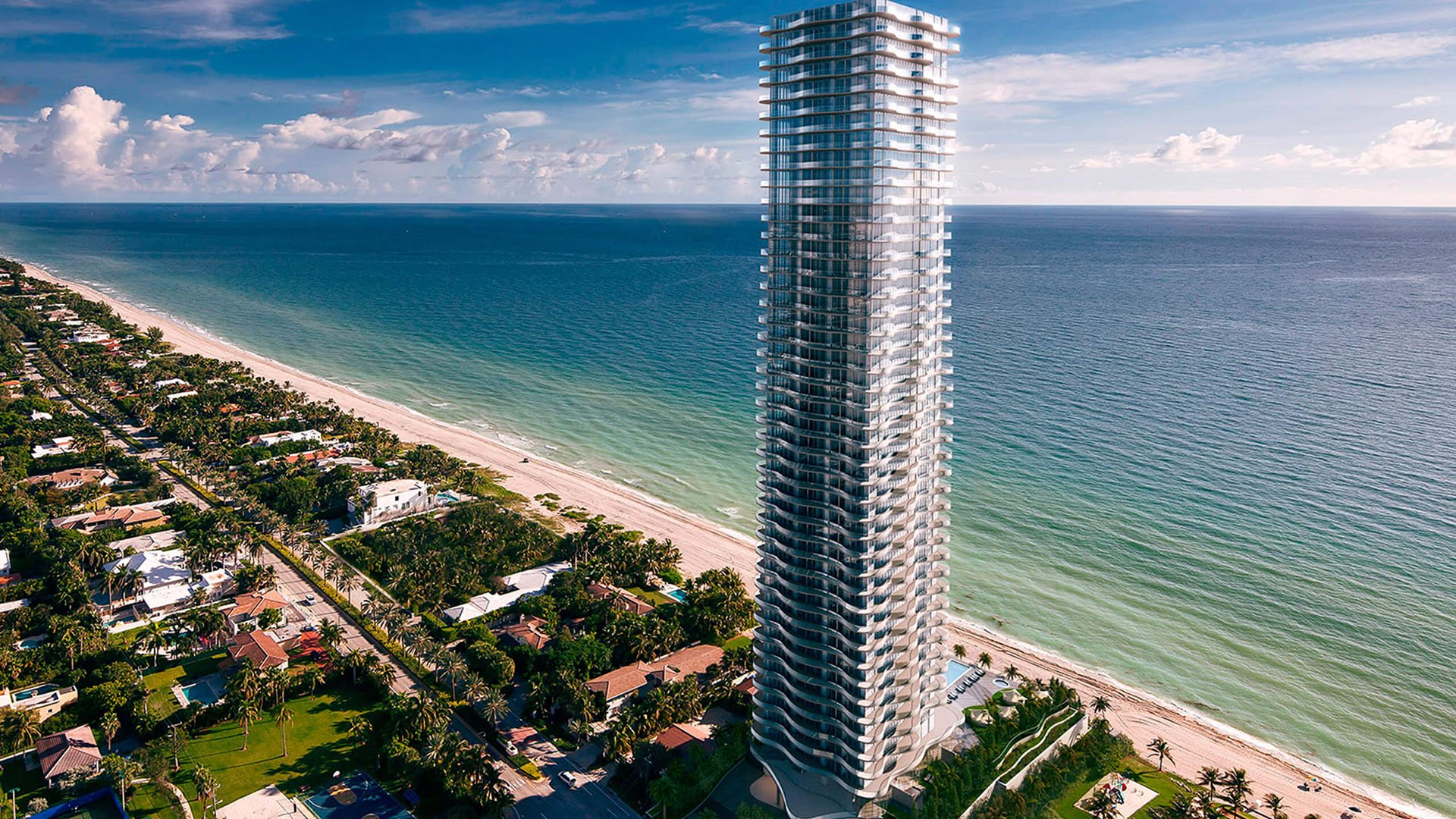
For buyers considering Regalia Sunny Isles Beach in 2026, the most important showing may not happen at sunset. It happens on a weekday morning, when the residence must perform under pressure: children are dressed, bags are packed, elevators are called, vehicles are staged, and the day’s first decision is whether the home supports family rhythm or complicates it.
This is a different kind of luxury due diligence. Finishes, views, ceiling heights, and amenity programming remain part of the conversation, but the school-morning exit asks a more practical question: can an oceanfront address deliver calm at 7:15 a.m. as convincingly as it delivers drama at golden hour?
The answer depends less on a single feature than on a sequence. Door to elevator. Elevator to lobby. Lobby to vehicle. Vehicle to route. Route to campus. Each link matters, and each should be tested before a buyer treats the residence as a serious family base.
The most useful walkthrough is not a polished afternoon appointment. It is a timed simulation during the weekday window your household will actually live. Buyers should arrive with a written schedule and ask to observe the building experience as close as possible to the intended departure time.
A disciplined test begins at the residence door. How long does it take for everyone to gather? Is there a natural place for backpacks, instruments, sports gear, and outerwear? Does the balcony become a peaceful extension of the morning, or is the family pulled immediately into a narrow service routine? A residence can be spectacular and still create friction if the first ten minutes of the day feel improvised.
The elevator interval comes next. Time the wait, note the number of stops, and consider whether the ride feels private enough for a family that values discretion. High-rise living rewards patience, but school mornings reward predictability. On high floors, the difference between an elegant vertical experience and a stressful one is often measured in minutes, not design language.
Once the elevator doors open, the building’s choreography becomes the story. The question is not merely whether the arrival looks beautiful. It is whether the departure works when multiple households are moving at once.
Observe how the lobby manages motion. Can children stand safely while a car is being brought around? Is there a clear line of sight between the waiting area and the vehicle handoff? If a driver, parent, nanny, or family office assistant is part of the routine, determine where each person naturally fits without blocking staff, neighbors, or guests.
Valet and self-parking assumptions should be tested, not presumed. Ask how peak morning periods are typically handled, how advance vehicle requests are made, and what happens when a last-minute change occurs. The most refined buildings make operational details feel invisible, but a buyer should still understand the system in practical terms.
Pets deserve a place in the schedule as well. For households with dogs, the school exit may overlap with a morning walk. If one adult is handling both children and pets, the route from residence to vehicle becomes more complex. A luxury property should be evaluated for the entire household, not only the principal buyer.
Regalia Sunny Isles Beach belongs within a broader regional routine. Many families considering Sunny Isles also think in terms of Aventura, Miami Beach, Bal Harbour, North Miami, and private campuses across the wider area. The point is not to assume one perfect route. It is to build a hierarchy of routes and know which one is primary, secondary, and emergency.
Drive the route during the same weekday time block you expect to use. Repeat it on more than one day if the decision is material. Note bridge timing, school arrival rules, turn lanes, and any points where a small delay compounds. A route that feels effortless at 10:30 a.m. may behave very differently during the real family window.
Buyers should also evaluate the return trip. A morning exit is only half of the family pattern. Afternoon pickup, after-school activities, tutoring, athletics, and social plans can create a second daily commute. If the residence is also a weekend or seasonal base, clarify which routines are permanent and which are occasional.
A school-morning checklist is not only about lifestyle. It is also about resale discipline. Future buyers in this segment may be weighing the same practical question: does the address make family logistics easier, or does it require a lifestyle staff structure that narrows the buyer pool?
The strongest ownership decisions are made with the next owner in mind. A residence that functions well for weekday departures can speak to families who want coastal living without sacrificing order. Conversely, a residence that requires too many workarounds may still be beautiful, but it becomes more specific.
This is especially important when the purchase is partly emotional. Ocean views can compress decision-making. A measured exit test restores balance. It helps the buyer separate the romance of the setting from the daily performance of the home.
Before moving from interest to contract, buyers should create a short written file for the residence. It does not need to be elaborate, but it should be specific enough to support a rational decision.
Include the timed door-to-car sequence for at least one weekday morning. Record elevator wait, lobby dwell time, vehicle handoff, and total departure time. Add route notes for the primary school option and at least one alternate route. If a driver will be used, test that version separately from a parent-driven version.
Clarify the household roles. Who carries what? Who calls the car? Who handles a delayed child? Who takes the dog out if the schedule is compressed? Luxury living is most successful when invisible routines are designed in advance.
Review storage with school life in mind. A sleek residence can still fall short if there is no graceful place for everyday equipment. Ask where sports bags, uniforms, art projects, technology, and wet-weather items will go. The best plan keeps the main living spaces serene without pretending family life is minimal.
Finally, evaluate emotional tolerance. Some buyers are comfortable with a longer route if the home offers exceptional privacy, views, and coastal presence. Others will prefer a less dramatic residence if it protects the school calendar. Neither answer is universal. The correct answer is the one that matches the household’s real weekday behavior.
A second showing should be more operational than ceremonial. Ask for the appointment time that reveals the building, not the time that flatters it. Bring the people who will use the residence in the morning, not only the decision-maker who signs the contract.
Questions should be direct. How are peak vehicle requests handled? What is the protocol for guests, drivers, tutors, or staff during school hours? How does the building manage deliveries that coincide with the morning rush? Are there quiet areas where children can wait comfortably? Is the entrance sequence intuitive for grandparents or caregivers who may assist with pickup?
For a second home, the checklist should be adjusted rather than abandoned. Seasonal use can still include school visits, holiday programs, camps, and family guests. A residence that works under weekday pressure will generally feel even more effortless when the calendar relaxes.
Why does school-morning exit matter at Regalia Sunny Isles Beach? It reveals how the residence performs during the most time-sensitive part of family life.
Should buyers test the exit during an actual weekday morning? Yes. A real-time test is far more useful than an afternoon showing because it reflects the household’s true departure window.
What should be timed first? Start with the interval from residence door to vehicle departure, including elevator wait, lobby dwell time, and vehicle handoff.
How should elevator performance be evaluated? Time the wait, note intermediate stops, and consider whether the ride feels predictable enough for a school routine.
Is valet service enough to solve the morning routine? Not by itself. Buyers should understand request timing, staging, and backup procedures before relying on any one system.
Should families drive the school route more than once? Yes. Repeating the route helps reveal timing patterns and pressure points that one drive may miss.
Does this checklist matter for buyers without children? It can. Smooth building operations often support long-term value and daily comfort beyond school-specific needs.
How does school access affect resale thinking? A residence with practical family logistics may appeal to a broader future buyer pool than one that requires too many workarounds.
Should pets be included in the morning plan? Yes. Dogs and other household needs can materially change the departure sequence when timing is compressed.
What is the best way to shortlist comparable options for touring? Start with location fit, delivery status, and daily lifestyle priorities, then compare stacks and elevations to validate views and privacy.
For a confidential assessment and a building-by-building shortlist, connect with MILLION.
If branded residences are on your mind — as a home or as an allocation — we would be glad to share what we are seeing, privately.
Begin a quiet conversation