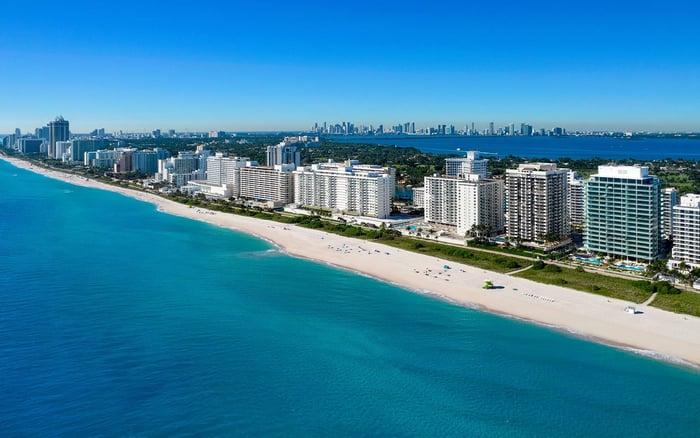
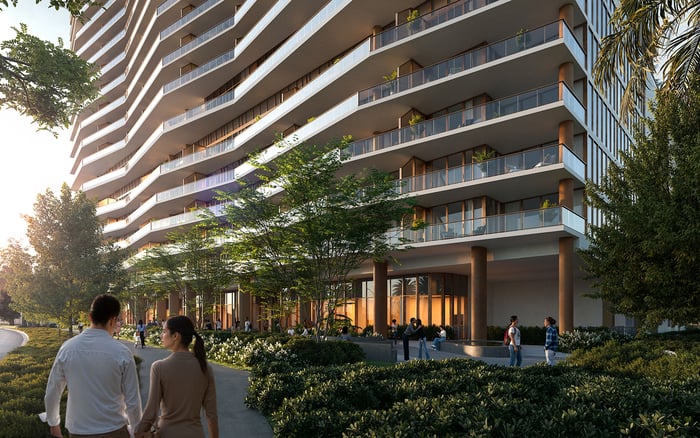
A buyer-focused guide to using insurance quotes as a disciplined due-diligence filter for South Florida waterfront condominiums, from master policy review to personal coverage and closing leverage.
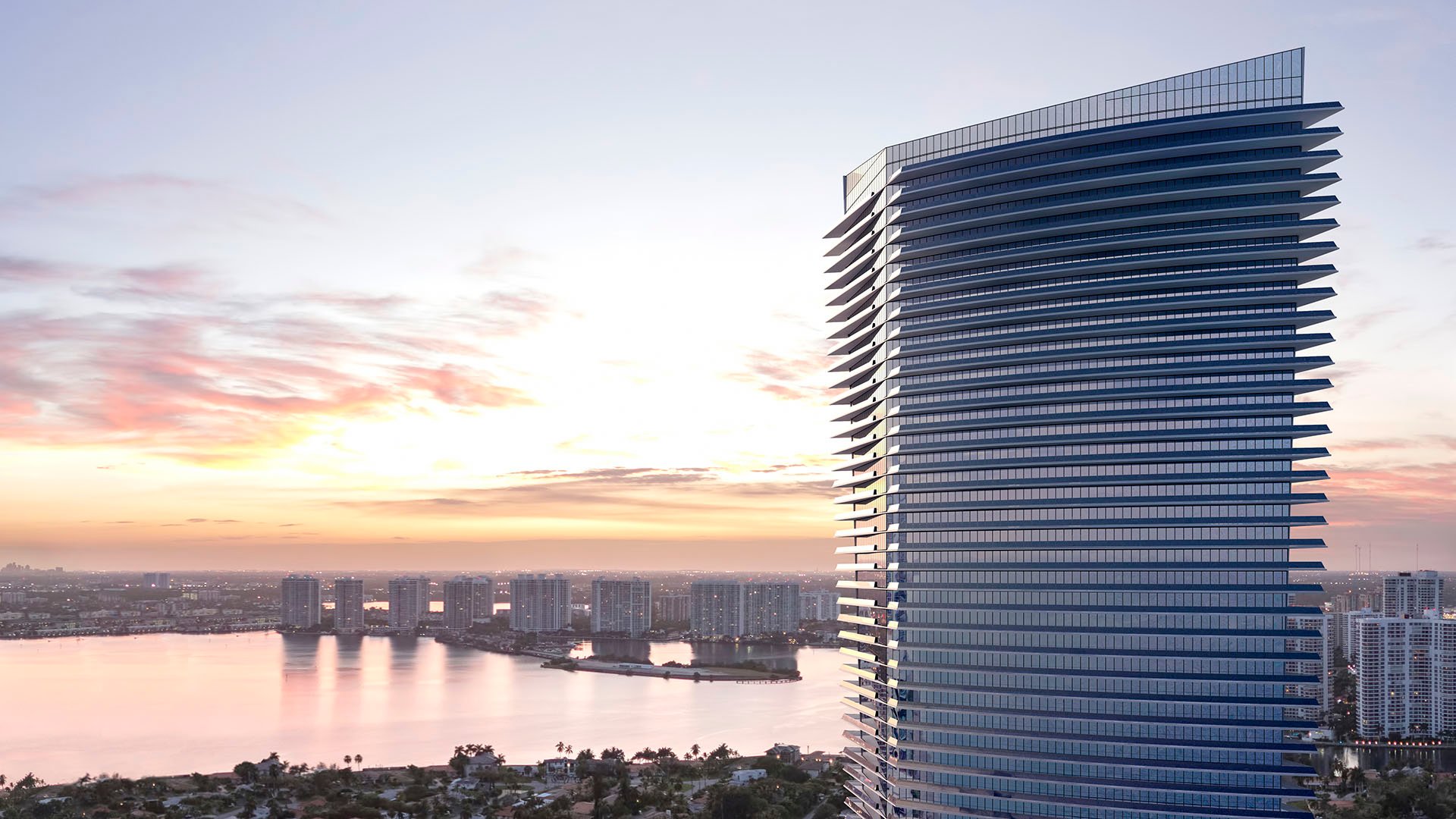
For South Florida waterfront condo buyers, the most revealing document is not always the glossy floor plan or amenity book. It may be the insurance quote. Before the romance of an oceanfront terrace becomes a signed contract, a disciplined buyer needs to understand how the building is insured, how the individual residence must be insured, and whether the full cost of ownership still feels elegant once premiums, deductibles, and coverage gaps are visible.
This is not about fear. It is about control. The insurance quote test turns an abstract risk conversation into a practical underwriting exercise. A buyer who evaluates insurance early can compare properties with greater precision, negotiate from cleaner information, and avoid discovering late in the process that a lender, association, or personal risk tolerance requires a different answer.
In luxury markets, the strongest buyers often move quietly and quickly. Yet speed should not mean postponing the insurance conversation. The better approach is to make insurance part of the first due-diligence rhythm, alongside financials, reserves, inspections, building rules, and closing costs.
The test is simple in concept: can the buyer obtain a realistic insurance picture before the purchase becomes emotionally or contractually difficult to unwind? That picture usually has two layers. The first is the association’s master coverage, which relates to the building and common elements. The second is the owner’s individual coverage, often discussed as an HO-6 policy, which may address interiors, personal property, liability, and loss assessment exposure.
The quote is not merely a number. It is a map of assumptions. What deductibles apply? Are wind and flood handled in a way that matches the buyer’s expectations? Does the lender have additional requirements? Are there exclusions that shift more exposure to the unit owner than the buyer expected? Is the association’s coverage consistent with the documents the buyer has reviewed?
A sophisticated buyer does not need to become an insurance specialist. The point is to assemble the right team early, then ask direct questions before the contract clock becomes uncomfortable.
Waterfront living is South Florida’s great luxury language. It is also a setting where insurance becomes especially relevant. Wind exposure, flood considerations, building age, elevation, reserves, maintenance history, and association governance can all influence how a buyer thinks about risk and cost.
This does not make waterfront living less desirable. Quite the opposite. It means the best waterfront purchases are the ones where the view, the building, and the risk profile all make sense together. A residence can be exquisite and still require careful insurance review. A premium address can still raise questions around deductibles or lender comfort. A buyer who treats the quote as part of the property’s architecture is often better positioned than one who treats it as a closing chore.
For example, a buyer considering Miami Beach residences such as 57 Ocean Miami Beach may be focused on light, sand, and the daily rhythm of the Atlantic. The insurance quote adds a quieter but equally important dimension: how the experience of living near the water translates into ongoing ownership responsibility.
The premium attracts attention because it is the easiest figure to understand. It is also incomplete. The quote test should examine deductibles, coverage limits, endorsements, exclusions, and any assumptions built into the application. A lower premium may not be the best outcome if it leaves the owner exposed to a meaningful loss or a special assessment scenario.
The buyer should also separate personal affordability from market comparability. A quote can be affordable and still signal something worth investigating. Conversely, a higher quote can be rational if the coverage, building profile, and ownership goals support it. The question is not whether the number is pleasant. The question is whether it is coherent.
This is especially important in vertical luxury, where two residences in different buildings can have similar asking prices yet very different insurance dynamics. The quote helps convert lifestyle preference into a more complete cost comparison.
The insurance quote test should not happen in isolation. It belongs beside a review of association documents, budgets, reserves, rules, pending projects, and meeting materials. Buyers should ask how the association handles insurance deductibles, which portions of the residence are the owner’s responsibility, and whether the governing documents create obligations that are not obvious from a listing description.
In Brickell, where waterfront and near-waterfront condo living often combines skyline energy with bay orientation, this kind of diligence is particularly useful. A buyer comparing a branded urban residence such as St. Regis® Residences Brickell with other high-service towers should not only compare finishes and amenities. The ownership structure, association obligations, and insurance expectations deserve the same attention as the lobby experience.
The best review is coordinated. The buyer’s insurance advisor, real estate advisor, lender, attorney, and accountant may each see a different part of the puzzle. When those perspectives are aligned before contingencies expire, the buyer has better options.
Newer buildings may present a different insurance conversation than older buildings, but newer does not mean automatic simplicity. Buyers should still confirm what the association covers, when policies are placed, how deductibles are allocated, and what the unit owner must secure. Pre-construction and newly delivered residences may also require clarity on timing, closing requirements, and lender conditions.
In established resale buildings, the quote can reveal how the market views the building today. It can also help a buyer ask sharper questions about maintenance, prior claims, reserves, and upcoming projects. None of these questions need to be adversarial. In the luxury segment, they are part of a mature acquisition process.
A Sunny Isles buyer looking at a high-profile address such as Bentley Residences Sunny Isles may have a different lifestyle thesis than a Fort Lauderdale buyer considering Four Seasons Hotel & Private Residences Fort Lauderdale. Yet the core insurance discipline is the same: confirm the master policy context, quote the owner’s coverage, understand deductibles, and test the total carrying cost before the decision hardens.
Insurance clarity can influence negotiation, timing, and property selection. If a quote reveals a cost or condition that materially changes the buyer’s view, the buyer may revisit price, request more documentation, adjust the financing plan, or step away before sunk costs expand. If the quote confirms expectations, it strengthens the buyer’s confidence and can make the closing path smoother.
For cash buyers, the quote remains important. The absence of a lender does not eliminate risk. It simply means the buyer must be even more intentional about defining acceptable exposure. For financed buyers, insurance may be tied directly to loan conditions, so waiting too long can introduce unnecessary closing pressure.
In Pompano Beach, a buyer evaluating The Ritz-Carlton Residences® Pompano Beach should treat insurance as part of the same premium decision set as architecture, service, and access to the water. The quote does not diminish the lifestyle. It protects the integrity of the purchase.
Begin with the association’s insurance summary and governing documents. Then request a unit-specific quote as early as practical. Ask whether the policy assumptions match the residence, the intended use, and any lender requirements. Review deductibles closely, including how association deductibles may be allocated after a covered event. Confirm whether flood, wind, personal property, interior improvements, liability, and loss assessment protection have been addressed in a way that fits the buyer’s profile.
Finally, revisit the total monthly and annual cost of ownership. Luxury buyers are rarely surprised by premium pricing when it is explained clearly. They are frustrated by late surprises. The quote test is designed to move those surprises to the front of the conversation, where they can be handled with discretion and leverage.
Should I request an insurance quote before making an offer? If timing allows, yes. Even a preliminary quote can help shape budget, leverage, and risk tolerance before the property becomes emotionally fixed.
Is the association’s master policy enough for a condo buyer? Usually not by itself. Buyers often need individual coverage for items such as interiors, personal property, liability, and possible loss assessment exposure.
What should I compare besides the premium? Compare deductibles, limits, exclusions, endorsements, lender requirements, and how the policy treats wind, flood, and interior improvements.
Can a cash buyer ignore insurance requirements? A cash buyer may not face lender conditions, but still needs a deliberate risk plan. Self-insuring without understanding exposure is rarely elegant.
Does a newer building remove insurance concerns? No. Newer buildings still require review of master coverage, unit-owner obligations, deductibles, and closing requirements.
Can the insurance quote affect negotiation? Yes. If coverage costs or terms materially change the ownership picture, a buyer may revisit price, timing, or documentation requests.
Who should review the insurance information? The buyer’s insurance advisor, real estate advisor, lender, attorney, and accountant may each add useful perspective before contingencies expire.
What is loss assessment coverage? It is coverage that may help address certain assessments passed from the association to owners after covered events, subject to policy terms.
Should I review association documents at the same time? Yes. Insurance only makes sense when read alongside budgets, reserves, rules, maintenance history, and the condominium documents.
What is the best outcome of the quote test? The best outcome is not always the lowest premium. It is a clear, coherent risk picture that supports the purchase decision.
For a tailored shortlist and next-step guidance, connect with MILLION.
If branded residences are on your mind — as a home or as an allocation — we would be glad to share what we are seeing, privately.
Begin a quiet conversation