A buyer focused guide to evaluating South Florida waterfront exposure, from oceanfront immediacy to bayfront atmosphere and Intracoastal practicality.
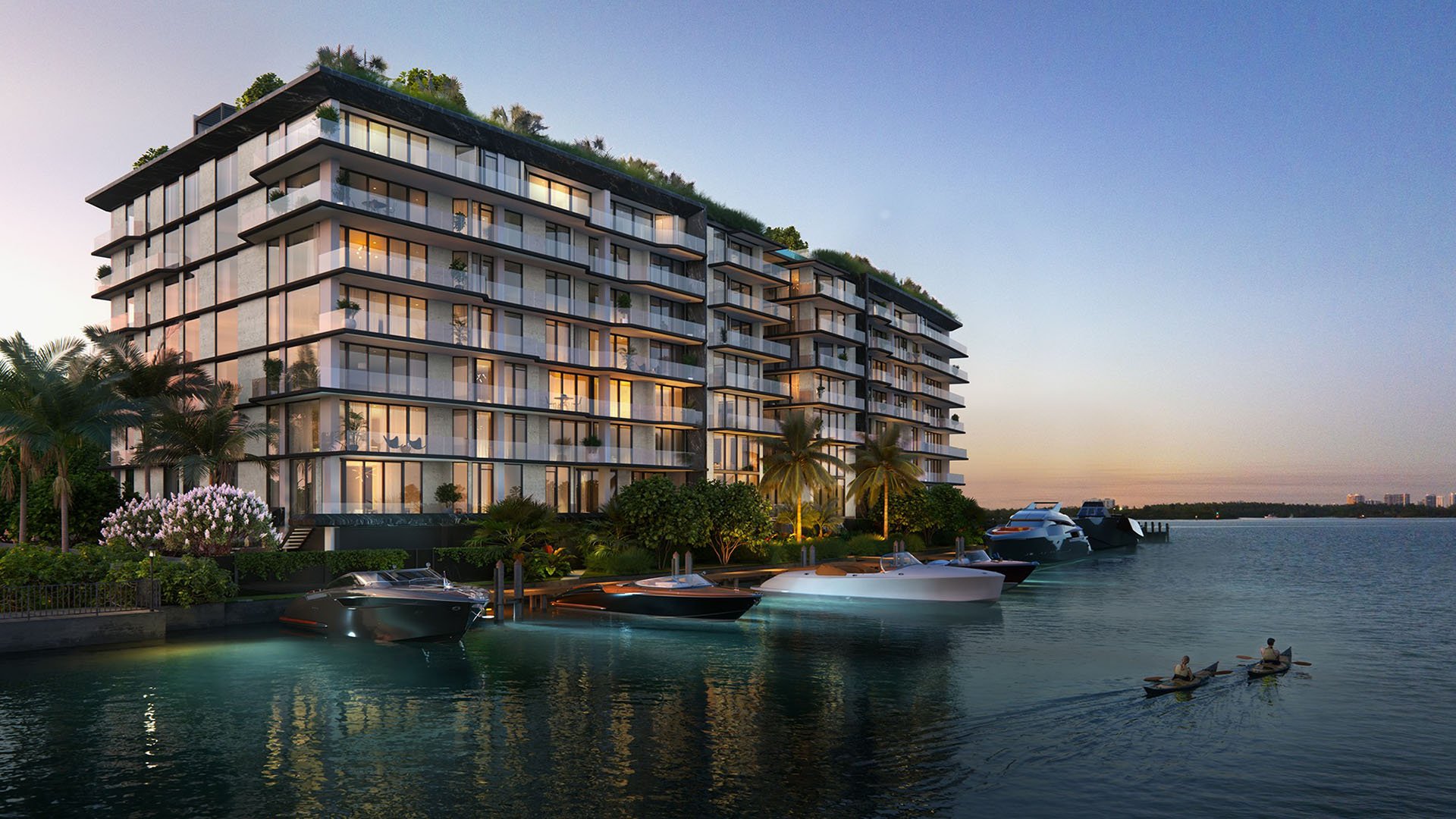
Waterfront buyers often begin with an image: a clean horizon, a glittering skyline, a private slip, or a balcony washed in late-afternoon light. The strongest purchase, however, begins less romantically and more precisely. Oceanfront, bayfront, and Intracoastal exposure are not interchangeable forms of prestige. Each shapes sound, light, privacy, access, maintenance expectations, and the emotional cadence of daily life.
The right exposure is the one that matches how you intend to live after the first sunrise has become routine. A full-time resident may prioritize quiet, convenience, and serviceability. A seasonal owner may care more about arrival theater and lock-and-leave ease. A boater may see the water as infrastructure. A collector of architecture may care most about the way interiors hold light throughout the day.
In a buyer brief, use plain labels: Oceanfront for direct surf presence, Waterview for the primary sightline, Beach-access for daily sand convenience, Marina for boating context, Miami Beach for island living preferences, and Sunny Isles for a high-rise coastal profile. The vocabulary matters because it keeps emotion from blurring the real comparison.
Oceanfront exposure is the most elemental of the three. It is defined by openness, movement, and the psychological value of an uninterrupted horizon. For some buyers, nothing substitutes for the sound of surf, the brightness of morning light, and the sensation of living at the edge of the continent.
The tradeoff is that oceanfront living demands disciplined evaluation. Study how the residence handles glare, balcony usability, wind, and privacy from neighboring towers or beach activity. A spectacular view can be less practical if the terrace is uncomfortable at the hours you most want to use it. Conversely, a slightly angled ocean view may be more livable if it creates softer light, better furnishing options, and a stronger sense of retreat.
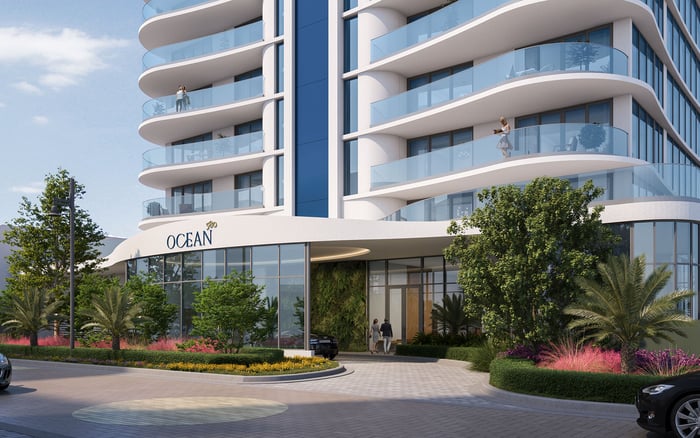
Buildings along Miami Beach and Surfside show why oceanfront should be assessed as architecture, not simply frontage. A residence such as 57 Ocean Miami Beach belongs in a conversation about buyers who want the beach to be part of the daily ritual. Farther north, The Perigon Miami Beach reflects the continued pull of ocean-facing living for those who want a more composed residential environment.
For oceanfront purchasers, the essential questions are direct: Will I use the beach often, or do I primarily want to look at it? Do I prefer sunrise energy or softer afternoon interiors? Is the residence designed to make the view feel calm rather than overpowering? The best oceanfront homes do not merely display the Atlantic. They moderate it.
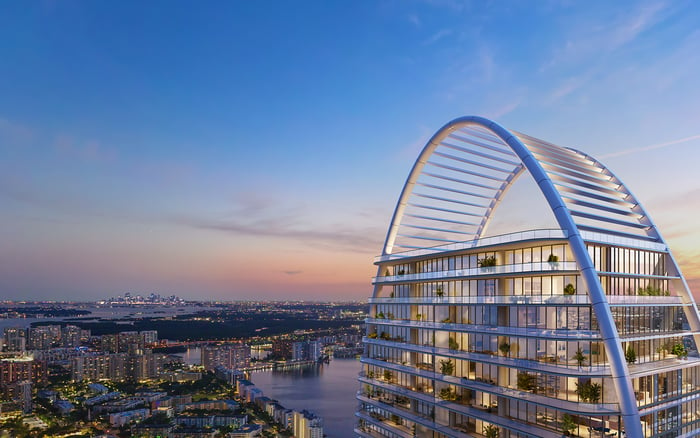
Bayfront exposure is often chosen by buyers who want water without surrendering proximity to restaurants, culture, offices, and neighborhood life. The mood is distinct from the ocean. Instead of one infinite plane, the bay typically offers layers: water, islands, bridges, boats, skyline, and evening reflection. The experience can feel more cinematic, especially at dusk.
For many South Florida buyers, bayfront living is about balance. It can deliver a strong water identity while keeping daily movement efficient. The views may shift from hour to hour, with passing vessels, city lights, and weather patterns creating a living composition beyond the glass.
In Edgewater, for example, Aria Reserve Miami is the kind of address buyers may study when they want an urban waterfront environment with a broad visual connection to the bay. In Bay Harbor Islands, La Baia North Bay Harbor Islands belongs in a quieter bay-oriented comparison, particularly for buyers who prefer a more residential village scale.
Bayfront evaluation should focus on orientation and foreground. A sweeping bay view can feel expansive, while a closer water view can feel intimate. Some buyers prefer the sparkle of skyline at night; others prefer a cleaner, less urban sightline. Neither is objectively superior. The correct choice depends on whether you want the water to feel serene, social, or metropolitan.
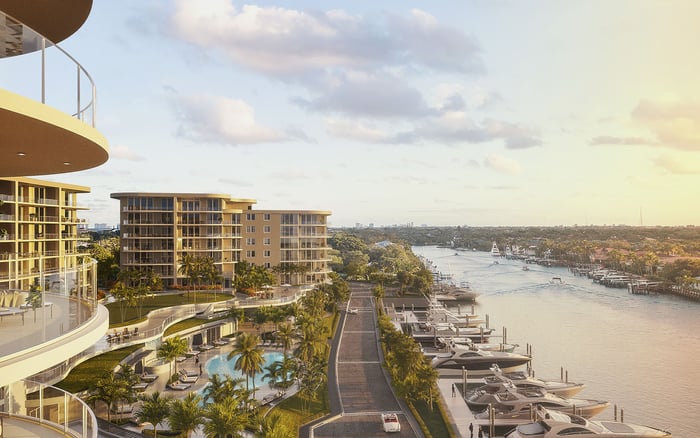
Intracoastal exposure attracts a different buyer profile. It is less about the open horizon and more about movement, access, and texture. The view may include passing boats, waterfront homes, bridges, and protected channels. For owners who enjoy boating or simply like an active waterscape, this can feel more engaging than a distant ocean panorama.
The Intracoastal can also offer a more residential form of luxury. In certain settings, the water is close enough to feel private and observable, almost like a garden that moves. The experience is intimate rather than vast. That intimacy can appeal to buyers who find oceanfront exposure too public or bayfront living too urban.
Fort Lauderdale buyers often weigh this lifestyle carefully, especially when water access is central to the search. St. Regis® Residences Bahia Mar Fort Lauderdale may enter the discussion for purchasers who want a refined coastal address with a waterfront identity in a city long associated with boating culture.
When comparing Intracoastal properties, look closely at noise patterns, bridge proximity, neighboring uses, and the choreography of arrival. If boating is a priority, assess the residence alongside the practical realities of access, storage, service, and route convenience. If boating is not a priority, decide whether the visual activity feels energizing or distracting.
A property can be oceanfront and still feel compromised if its orientation is harsh or its main rooms fail to capture the best view. A bayfront residence can outperform expectations if it has the right elevation and frames both water and skyline. An Intracoastal home can feel exceptionally private if its outlook is carefully composed.
Height changes the entire experience. Lower floors can feel immediate and connected to the water, but may sacrifice privacy. Higher floors may create grander vistas and more sky, but can feel removed from the tactile qualities that made waterfront living attractive in the first place. Mid-level residences are often worth careful consideration because they can balance view, scale, and usability.
Orientation should be studied at the hours you expect to live in the residence. Morning brightness may be exhilarating for one buyer and too intense for another. Sunset exposure may be a daily pleasure, but it can also shape cooling, shade, and the way interiors are furnished. Visit at different times if possible, and stand where you will actually sit, dine, read, and work.
Waterfront ownership rewards beauty, but it also rewards diligence. Buyers should evaluate window systems, balcony depth, building maintenance culture, lobby arrival, parking convenience, and how service areas function. A perfect view cannot compensate for a building that feels difficult to live in.
Privacy deserves equal attention. Oceanfront residences may look over public sand or neighboring balconies. Bayfront homes may face other towers across the water. Intracoastal residences may encounter boat traffic or homes directly opposite. The issue is not whether others exist in the view. The issue is whether the residence feels composed, protected, and gracious in daily use.
Resale thinking should be sober. The broadest buyer pool often responds to clear, legible advantages: direct water view, strong floor plan, usable outdoor space, elegant arrival, and a location with enduring appeal. Highly specific preferences can be wonderful for personal enjoyment, but they should be understood as personal rather than universal.
Begin with three questions. First, what do you want to see when you wake up? Second, what do you want to hear when the doors are open? Third, how do you want the day to unfold once you leave the residence?
If the answer is horizon, surf, and beach ritual, oceanfront deserves priority. If the answer is skyline, restaurants, and evening atmosphere, bayfront may be the more sophisticated fit. If the answer is boating, privacy, and a layered waterfront scene, Intracoastal exposure may be more aligned.
Then test the residence against the less glamorous factors: elevator experience, garage flow, terrace comfort, guest arrival, pet routines, storage, and the quality of nearby services. Luxury is not only what is seen from the glass. It is how effortlessly the home supports the life behind it.
Is oceanfront always the most valuable exposure? Not necessarily. Oceanfront has strong emotional appeal, but value also depends on floor plan, building quality, privacy, location, and daily usability.
Who is best suited to bayfront living? Bayfront living often suits buyers who want water views with a more urban rhythm, including skyline light, dining access, and neighborhood convenience.
Why do some buyers prefer the Intracoastal? The Intracoastal can feel more intimate and active, especially for buyers who enjoy boating, passing water traffic, and a layered residential view.
Should I prioritize direct water frontage or a better floor plan? A superior floor plan can be more livable than a compromised direct view. The best purchase balances both rather than treating the view as the only asset.
Does floor height change the waterfront experience? Yes. Lower floors feel closer to the water, while higher floors often provide broader views, more sky, and greater separation from activity below.
How should I evaluate balcony usability? Stand on the terrace at the time of day you expect to use it. Consider wind, shade, depth, privacy, and whether furniture can be placed comfortably.
Is Beach-access essential if I buy oceanfront? It depends on your habits. Some owners use the beach daily, while others primarily value the view and prefer pool, spa, or private club amenities.
What matters most for boating oriented buyers? Route convenience, service access, storage options, and the surrounding waterway experience should be studied alongside the residence itself.
Can bayfront feel quieter than oceanfront? It can, depending on the specific setting, building design, and surrounding activity. The best comparison is made in person at different hours.
What is the smartest way to choose between the three? Match the exposure to your daily routine, not just your aspiration. The right waterfront home should feel beautiful on arrival and effortless over time.
If you'd like a private walkthrough and a curated shortlist, connect with MILLION.
If branded residences are on your mind — as a home or as an allocation — we would be glad to share what we are seeing, privately.
Begin a quiet conversation