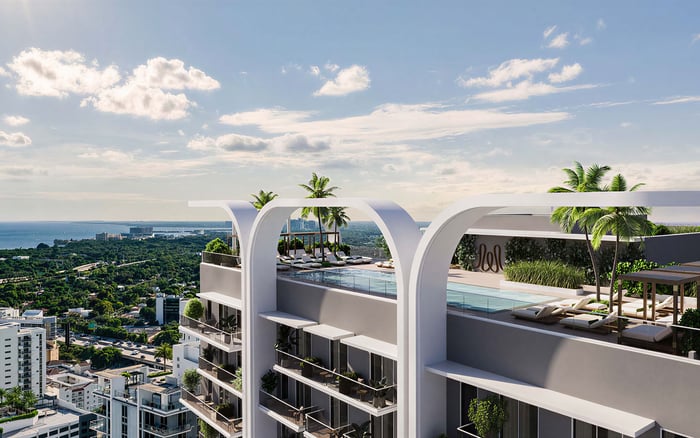
A luxury buyer’s guide to evaluating resale liquidity before closing, with emphasis on floor plan discipline, building fit, pricing resilience, and exit strategy.
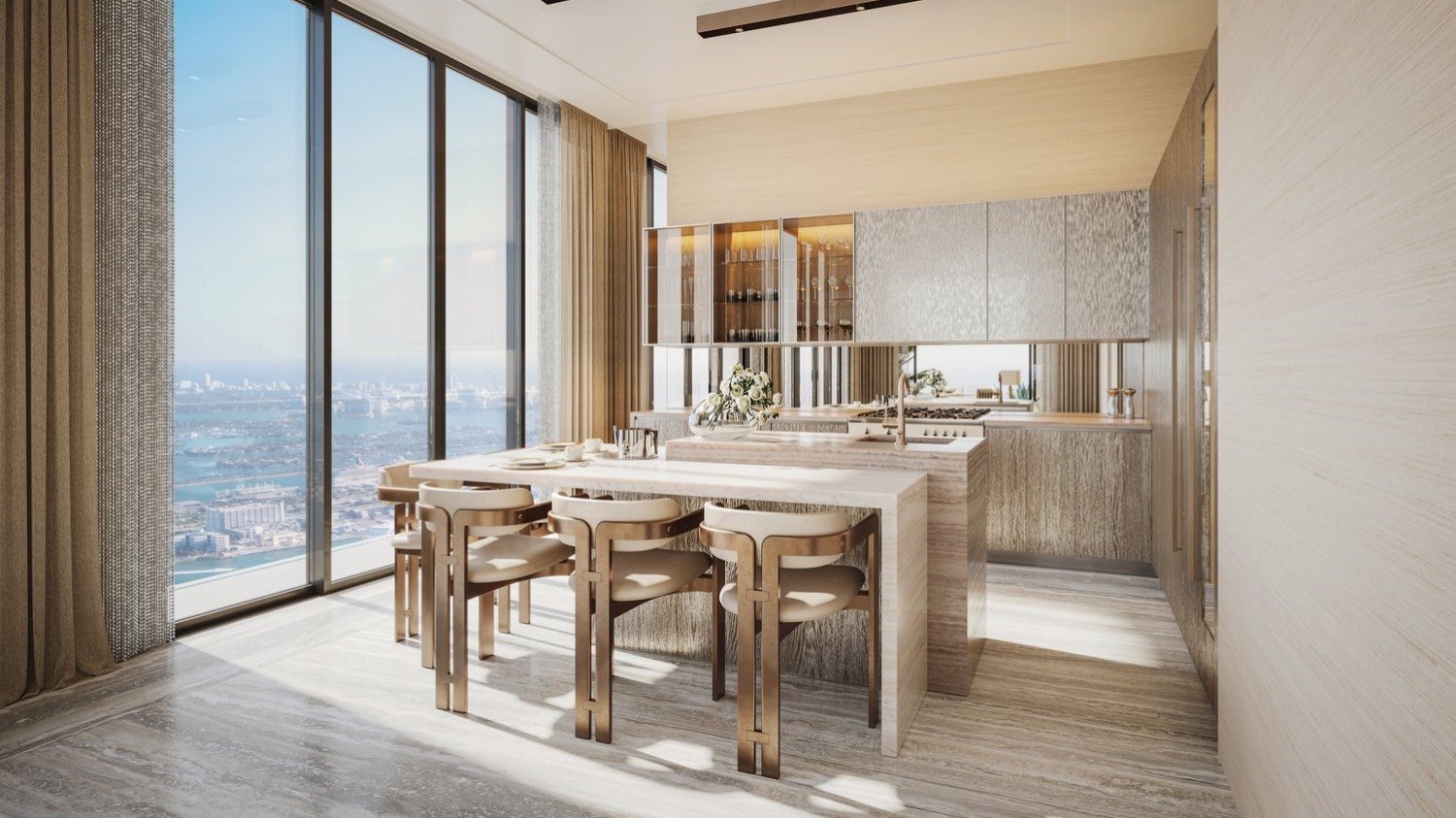
The most expensive mistake in a luxury purchase is not always overpaying. More often, it is buying a residence that feels exceptional in private but becomes difficult to explain in the open market later. Resale liquidity measures how readily a property can attract qualified buyers when the owner decides to sell. It is not the same as desirability, and it is not simply a function of location. It sits at the intersection of pricing, scarcity, floor plan clarity, building reputation, carrying costs, and future buyer depth.
In South Florida, where buyers may be weighing a waterfront condominium, a branded tower, a boutique building, or a single-family estate, liquidity belongs in the conversation before closing. The question is not whether a residence is beautiful. The question is whether the next buyer will understand the value as quickly as you did.
Luxury buyers are naturally drawn to emotion: the view at sunset, the arrival sequence, the private elevator, the terrace that feels like an outdoor salon. Emotion is part of the reason people buy in Miami, Palm Beach, Fort Lauderdale, Boca Raton, and the barrier islands. But an emotional premium paid at acquisition can become an exit discount if the property depends on a very narrow future audience.
A highly personalized floor plan may suit one family perfectly and confuse the next. A dramatic finish package may feel current now and overly specific later. A penthouse can command attention, but only if its premium is supported by space, privacy, outdoor utility, ceiling height, views, and a buyer pool capable of absorbing the pricing level. Resale is strongest when the property’s virtues are obvious, durable, and broadly legible.
Liquidity is not about selling quickly at any price. It is about preserving optionality. A liquid luxury residence gives an owner more control over timing, negotiation posture, and pricing discipline. An illiquid residence creates a narrower path: longer exposure, more aggressive concessions, or dependence on the one buyer who happens to share the owner’s exact taste.
For an investment-minded purchaser, liquidity is a form of risk management. For a lifestyle purchaser, it is a form of freedom. It allows a family to respond to a move, a school decision, a business transition, or a change in tax planning without feeling trapped by the property itself.
A strong individual residence can be weakened by a building that lacks clarity. Buyers should evaluate the full proposition: arrival, privacy, service culture, amenity relevance, maintenance expectations, parking, storage, and the quality of comparable units within the same address. A beautiful apartment in a building with inconsistent product can require more explanation at resale.
The most resilient buildings tend to communicate their value quickly. A buyer understands the lifestyle within minutes. The lobby, elevator experience, views, floor plate, and amenity program feel coherent. In markets such as Brickell and Aventura, where inventory can span many styles and price bands, clarity can separate a residence that competes from one that waits.
The floor plan is one of the quietest liquidity drivers. Square footage alone is not enough. Buyers should study how the residence lives: bedroom separation, service flow, kitchen proportion, wall space for art, natural light, terrace access, and whether the primary suite feels private rather than merely large.
A plan with awkward transitions, oversized corridors, undersized secondary bedrooms, or compromised views may be acceptable to the current buyer but difficult to defend later. By contrast, a balanced plan with intuitive circulation travels well across buyer categories. It appeals to full-time residents, seasonal owners, and international purchasers because it requires less translation.
Monthly ownership cost is a liquidity issue. Even at the highest end, buyers evaluate the full cost of ownership. Association fees, insurance exposure, assessments, staffing, reserves, and maintenance expectations influence how many future buyers will remain comfortable with the asset.
This does not mean buyers should avoid service-rich properties. In many luxury buildings, high-touch service is central to value. The key is alignment. A buyer will accept meaningful monthly costs when the experience, privacy, maintenance quality, and amenities justify them. Carrying costs become a problem when they feel detached from the perceived benefit.
Before closing, buyers should ask a more demanding set of questions than whether the residence suits today’s lifestyle. Who is the most likely next buyer? Will the residence compete with newer inventory, larger homes, or better-located alternatives? Are the views protected by context, or could they be diluted by future surroundings? Is the price supported by features that another buyer will value without a long explanation?
In pre-construction and new-construction purchases, the discipline should be even sharper because the buyer is often committing before the final lived experience is visible. Renderings can inspire confidence, but liquidity will ultimately depend on execution, floor plan strength, building management, and how the finished product compares with alternatives available at the time of resale.
Scarcity is powerful only when it is attached to something buyers consistently want. A rare line, private outdoor space, a protected waterfront position, or a genuinely limited building type can support liquidity. But rarity alone is not enough. If the feature is unusual because few buyers want it, scarcity may not translate into pricing power.
The best acquisitions combine scarcity with usefulness. A generous terrace that functions as an outdoor living room is easier to understand than a visually impressive space with limited practical use. A distinctive residence should still feel rational, livable, and adaptable.
Ignoring liquidity can cost more than money. It can cost time, leverage, and peace of mind. A seller with a liquid asset can make decisions from strength. A seller with an illiquid asset may have to wait for the market to agree, or discount until the market responds.
For luxury buyers, the ideal closing posture is not defensive. It is elegant and informed. Buy the property you love, but understand how it will be perceived by the next buyer. The most sophisticated acquisitions in South Florida balance beauty with market intelligence, pleasure with discipline, and privacy with future optionality.
What is resale liquidity in luxury real estate? Resale liquidity is the ability of a property to attract qualified buyers without excessive time, explanation, or discounting.
Why should I evaluate liquidity before closing? Once you close, the property’s strengths and weaknesses become yours. Reviewing liquidity beforehand preserves future flexibility.
Does a more expensive residence always have lower liquidity? Not necessarily. A high-priced residence can be liquid if its value is clear, scarce, and supported by a deep enough buyer pool.
Can a beautiful home still be hard to resell? Yes. Beauty alone may not overcome an awkward plan, narrow design choices, high carrying costs, or unclear positioning.
How important is the floor plan? It is central. A practical, elegant floor plan usually broadens the future audience and reduces friction at resale.
Do amenities improve resale liquidity? Amenities help when they are relevant, well executed, and aligned with ownership costs. Excess without usefulness can be less persuasive.
Is Brickell different from waterfront residential markets? Yes. Brickell often requires sharper comparison across vertical inventory, while waterfront markets may place more emphasis on views and privacy.
Should seasonal owners care about liquidity? Absolutely. Seasonal use does not eliminate exit risk, especially if family needs, travel habits, or financial plans change.
Can customization hurt resale value? It can if the customization is highly personal or expensive to reverse. Timeless choices usually travel better across buyer groups.
What is the best way to think about resale before buying? Ask whether the next buyer will immediately understand the property’s value. If the answer requires too much explanation, proceed carefully.
When you're ready to tour or underwrite the options, connect with MILLION.
If branded residences are on your mind — as a home or as an allocation — we would be glad to share what we are seeing, privately.
Begin a quiet conversation