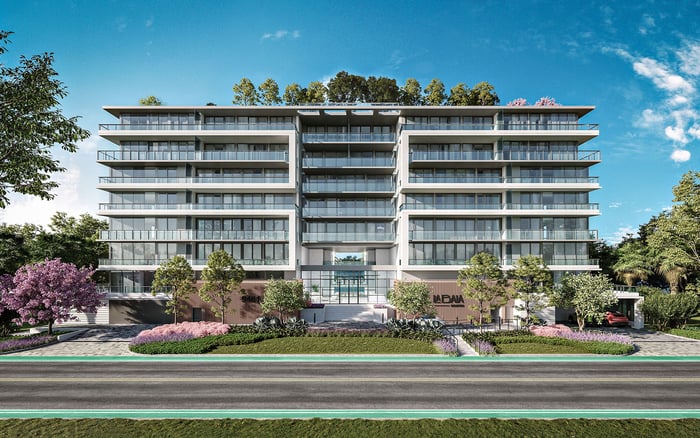
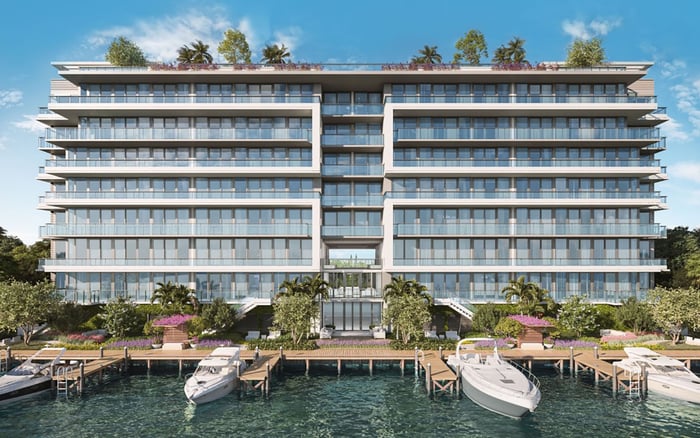
A discreet look at why safe-room ventilation belongs in the quiet luxury conversation at La Baia North, where waterfront living, resilience, wellness, and security increasingly overlap for South Florida buyers.
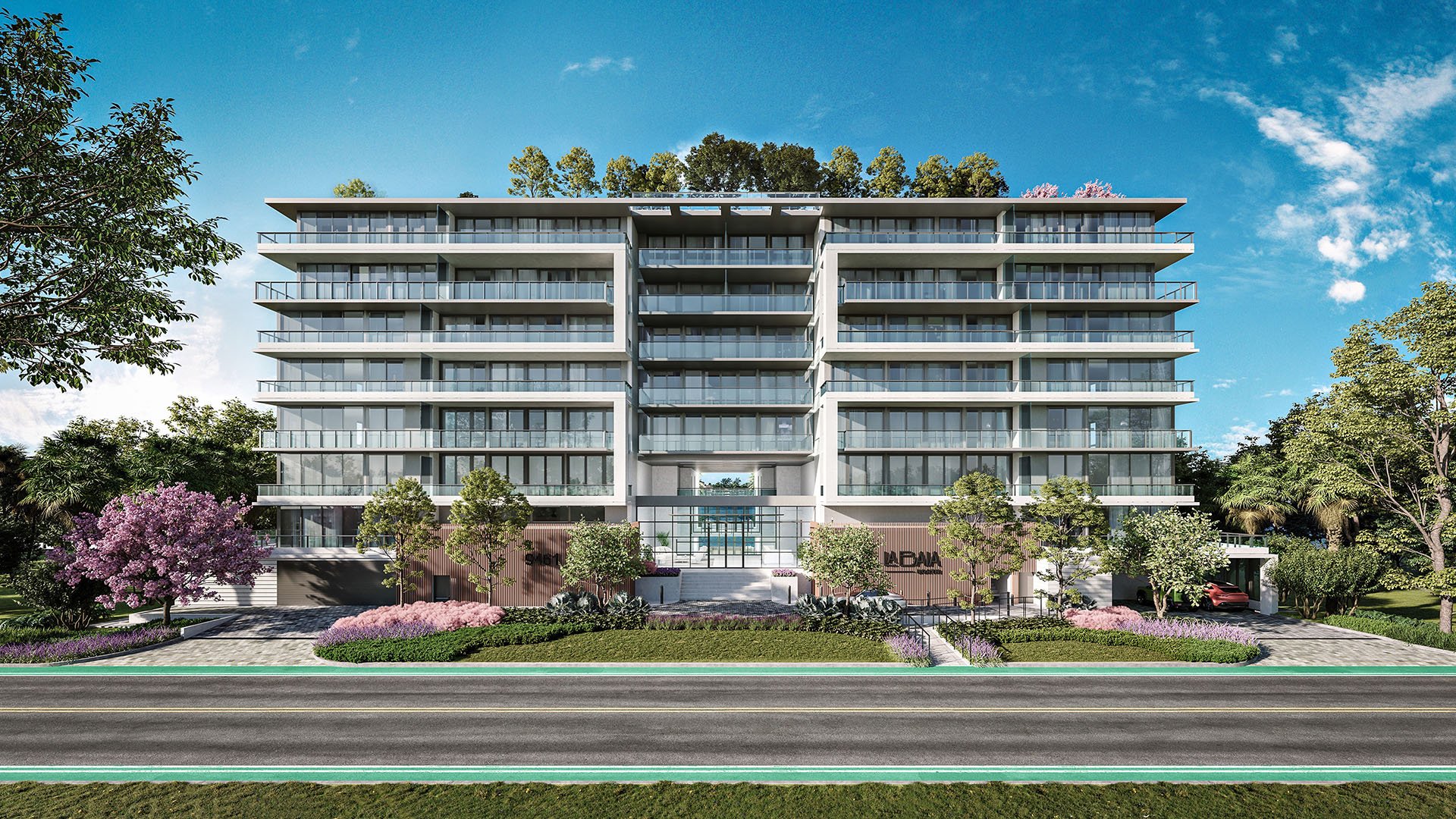
For years, South Florida luxury was judged by the visible language of waterfront living: the view corridor, terrace depth, finish palette, arrival sequence, pool deck, and marina mood. Those signals still matter. But at the most discerning end of the market, value is increasingly defined by elements that are felt before they are seen.
That is the context for La Baia North Bay Harbor Islands, a boutique waterfront residential setting in Bay Harbor Islands that invites a more nuanced conversation about what sophisticated buyers now expect from a home. The point is not to turn a luxury residence into a fortress. It is to recognize that resilience, wellness, and discreet security now belong to the same design vocabulary as stone, glass, millwork, and water views.
Safe-room ventilation sits squarely in that invisible category. A safe room is often imagined as a hardened enclosure, but protection is not only a matter of doors, walls, and access control. If a refuge is poorly ventilated, it can shift from protective to problematic. In a high-end residence, air quality, quiet operation, and seamless interior integration are not secondary details. They are the difference between a panic feature and a genuinely livable sanctuary.
La Baia North belongs to a Bay Harbor Islands conversation shaped by scale, privacy, and a more residential rhythm than the louder resort corridors of Miami Beach or Sunny Isles. That makes it an appropriate lens for quiet luxury because its appeal is not dependent on spectacle alone. It is also about composure.
In a boutique waterfront environment, the strongest design choices tend to be intentional rather than excessive. Buyers are not simply collecting amenities. They are evaluating how a residence behaves in daily life, during seasonal weather, during travel, and in moments when privacy or security may matter. Within that framework, a safe room is not a theatrical bunker. It can be a discreetly planned interior zone that supports a broader sense of preparedness.
The South Florida buyer has also become more fluent in resilience-oriented design. Waterfront living carries beauty, but it also encourages a serious look at systems, backup planning, and the capacity of a home to perform under stress. Safe-room ventilation is one of those rare topics that touches life safety, wellness, comfort, and asset quality at once.
A safe room without thoughtful ventilation is an incomplete concept. The room may be secure, but it must also remain usable. Air movement, comfort, noise control, and discreet service access all influence whether the space feels integrated into the home or like an emergency compartment added late in the process.
For ultra-premium buyers, the question is not whether the ventilation looks impressive. The question is whether it is engineered to function quietly while remaining compatible with luxury interiors. The ideal outcome is nearly invisible: no jarring grilles, no mechanical harshness, no aesthetic compromise, and no sense that a practical life-safety feature has interrupted the architecture.
This is where quiet luxury becomes literal. A well-designed safe-room ventilation strategy should support calm. It should preserve the dignity of the room. It should allow the space to feel suitable for more than a crisis, perhaps as a private study, media retreat, wellness nook, dressing area, or family holding room, depending on the residence and the owner’s program. The more naturally the room participates in daily life, the more likely it is to be maintained, understood, and respected.
The most compelling features in a modern luxury residence are often not the ones a guest notices first. Acoustic performance, elevator privacy, service circulation, backup systems, water management, and air quality all live behind the more glamorous surfaces. Safe-room ventilation belongs in that family.
At La Baia North, the broader idea is not to replace traditional luxury markers. Water-view appeal, refined amenities, and a boutique sense of place remain central to the experience. Rather, the point is to layer invisible performance beneath visible elegance. That layering is what separates a polished residence from a deeply considered one.
In search shorthand, a buyer may call this Bay Harbor, New Project, New-construction, or Pre-construction real estate. In practice, the more interesting question is how early the buyer can discuss customization priorities that are difficult to resolve after interiors are finalized. Safe-room ventilation is exactly that kind of topic. It is best addressed before the room has been reduced to a floor-plan label or a decorative afterthought.
A buyer does not need to become a mechanical engineer to ask intelligent questions. The most useful approach is to focus on outcomes. Can the room remain comfortable if occupied for an extended period? Can the system operate quietly enough to preserve calm? Can the ventilation be integrated without making the room look clinical? Is maintenance accessible without compromising discretion? How does the safe-room concept relate to the home’s broader air, power, and security planning?
Those questions should be raised with the appropriate project, design, and technical teams early. The details require professional verification, especially where code, filtration, pressure, oxygen, and HVAC performance are concerned. But a buyer’s brief can still be clear: the room should feel residential, composed, and compatible with the rest of the home.
The aesthetic brief matters as much as the technical one. A safe room in a luxury residence should not announce fear. It should communicate foresight. The finishes, lighting, acoustics, seating, storage, and air delivery should work together so the space feels intentional. Quiet luxury has no patience for visible anxiety.
South Florida’s premium market has matured beyond the simple pursuit of view and address. Buyers still want beauty, but they are increasingly attentive to privacy, wellness, and continuity. A residence that performs gracefully in ordinary life and under pressure carries a different kind of prestige.
That is why safe-room ventilation belongs in the conversation around La Baia North. It is not the loudest topic, and it may never appear in the first sentence of a sales presentation. Yet it reflects the deeper sensibility of a buyer who understands that true luxury is not merely what can be photographed. It is what protects the household without disturbing the mood of the home.
In Bay Harbor Islands, where waterfront calm is part of the appeal, the best resilience features should feel aligned with that calm. They should be discreet, quiet, and expertly integrated. A well-conceived safe room is not a retreat from luxury. It is one of its most mature expressions.
Why does safe-room ventilation matter in a luxury residence? A safe room must be more than secure; it must remain breathable, calm, and usable. Poor ventilation can undermine the purpose of the refuge.
Is this about turning a waterfront condo into a bunker? No. The quiet luxury approach is about discreet resilience that respects the architecture and interior design.
Why discuss this through La Baia North Bay Harbor Islands? La Baia North offers a boutique waterfront context where privacy, wellness, and refined living naturally frame the conversation.
Can a safe room have another daily use? Yes. With thoughtful planning, it may function as a private study, retreat, dressing area, or calm family space.
Should buyers ask about technical ventilation specifications directly? Buyers should ask about desired outcomes first, then have qualified professionals verify technical details.
What is the main design risk? The risk is treating the safe room as a last-minute security feature rather than integrating it into the home’s systems and interiors.
Does ventilation need to be visible? Not necessarily. In a refined residence, ventilation should be discreet, quiet, and compatible with the room’s finish language.
Is this relevant only to large penthouses? No. The principle applies wherever a safe-room concept is being considered within a high-end residential plan.
How does this connect to wellness? Air quality, comfort, acoustics, and calm all influence whether the room feels supportive rather than stressful.
When should the conversation happen? As early as possible, especially when interiors, systems, and customization decisions are still flexible.
For a tailored shortlist and next-step guidance, connect with MILLION.
If branded residences are on your mind — as a home or as an allocation — we would be glad to share what we are seeing, privately.
Begin a quiet conversation