A practical guide for South Florida full-time condominium owners on reading finish schedules, managing selections, and protecting livability, resale, and long-term value.
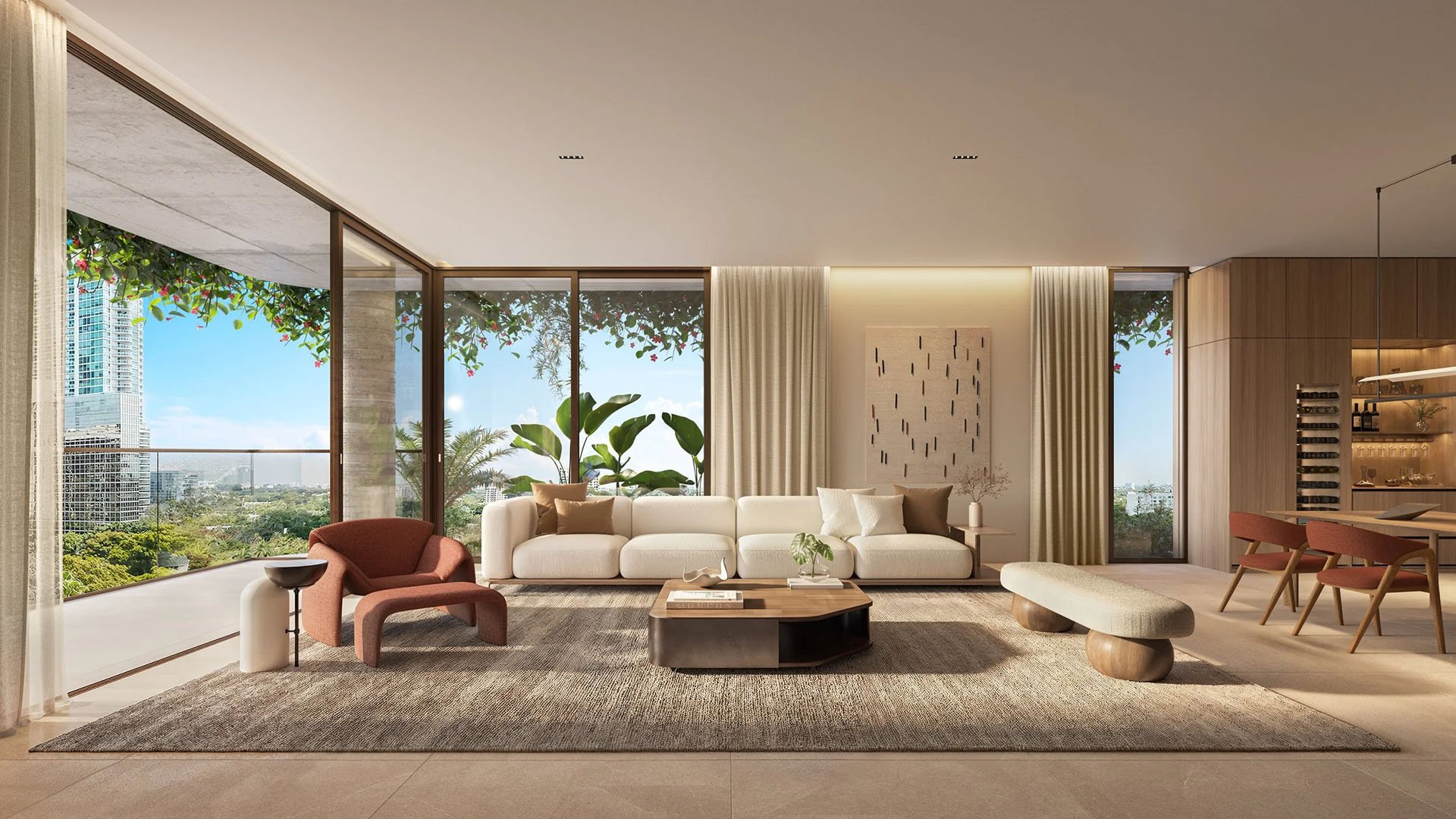
For a full-time owner, a finish schedule is not merely a design appendix. It is the practical translation of a residence from rendering to daily life. It defines the surfaces you will touch, how rooms will wear, which materials may require specialized care, and where design intent meets the realities of cooking, hosting, working, sleeping, and returning home every evening.
In South Florida’s luxury market, buyers often focus first on views, floor height, building services, and architectural presence. Those elements matter. Yet the finish schedule is where the experience becomes intimate. Flooring affects acoustics and maintenance. Cabinetry affects storage and serviceability. Stone, tile, hardware, appliances, lighting, plumbing fixtures, and terrace surfaces determine whether the home still feels considered after the initial excitement of closing has passed.
This is especially true for a Brickell buyer planning to live in the residence year-round, not simply visit for the season. A beautiful selection may be entirely appropriate for a second home yet less forgiving in a primary residence with frequent entertaining, children, pets, staff, or extended family. One question should guide every review: will this choice still feel effortless after daily use?
A finish schedule should be read with patience, not skimmed as a checklist. Start by identifying what is included as standard, what is optional, and what may be subject to substitution. In pre-construction and new development settings, schedules can evolve as procurement, availability, design coordination, and construction sequencing progress. A thoughtful owner asks what is fixed, what is conceptual, and what requires written confirmation.
Pay close attention to brand names, model lines, dimensions, colorways, finish levels, and installation locations. A schedule that simply says marble, engineered wood, porcelain, or custom millwork may not answer the questions that matter most. Where is the material used? Is it slab, tile, veneer, or panel? Is the finish honed, polished, brushed, matte, or lacquered? Does the same material continue into secondary spaces, or does the specification change?
Full-time owners should also ask how substitutions are handled. A substitution may be equal in price but different in appearance, maintenance, or performance. The safest approach is to request clarity on approval rights, notice, and whether alternatives must be comparable in quality, tone, and design intent. The goal is not to micromanage the process. It is to avoid discovering a material change only when the residence is nearly complete.
One of the most common mistakes is treating every upgrade as inherently better. In a luxury residence, upgrades should be evaluated against lifestyle, not vanity. A more dramatic stone may create impact in a powder room but feel demanding across a heavily used kitchen island. A high-gloss cabinet may photograph beautifully but show fingerprints in a family home. A statement fixture may add character yet complicate maintenance if replacement parts are difficult to obtain.
The strongest owners divide decisions into three categories: essential, experiential, and decorative. Essential finishes include flooring, bathroom surfaces, kitchen systems, closet infrastructure, lighting control, appliances, and plumbing fixtures. Experiential finishes influence mood and comfort, including wall treatments, hardware, window coverings, and integrated lighting temperature. Decorative items can often be adjusted after closing, so they should not distract from structural decisions that are difficult or costly to revisit.
For a Penthouse buyer, the temptation may be to personalize aggressively before move-in. That can be rewarding when the residence is intended as a long-term home. Still, the most durable luxury often comes from restraint: excellent materials, quiet continuity, and a palette that allows art, furniture, and views to lead.
Finish schedules are closely tied to timing. The moment to ask questions is before selections are locked, not when the installation team is already on site. Full-time owners should request a clear understanding of selection deadlines, change-order windows, inspection opportunities, punch-list procedures, and the anticipated handoff sequence.
If the residence is being delivered with finished interiors, ask when the owner or representative may view installed finishes. If a designer or owner’s representative is involved, align that person with the sales, development, and construction teams early. Small issues are easier to resolve before a wall is closed, a slab is cut, or cabinetry is installed.
The punch-list process deserves particular attention. A luxury finish can be correct in specification but imperfect in execution. Look for grout consistency, cabinet alignment, door reveals, appliance integration, paint transitions, stone seams, terrace drainage details, and lighting function. In a primary residence, these are not minor irritations. They are the details that shape daily satisfaction.
A full-time owner should also clarify warranty procedures. Who is contacted after closing? How are finish-related concerns documented? What is considered normal variation in natural materials? What is considered a defect? Clear answers create a calmer process if an issue appears after move-in.
The rooms that deserve the greatest scrutiny are the ones used most often. Kitchens should be reviewed for counter durability, appliance placement, pantry logic, cabinet interiors, lighting, ventilation, and service access. A stunning kitchen that lacks practical storage will age quickly for an owner who cooks regularly or entertains often.
Bathrooms require a different lens. Stone and tile should be evaluated for slip resistance, cleaning requirements, visual consistency, and how they respond to humidity. Fixtures should feel substantial and intuitive. Showers should be reviewed not only for appearance but also for niches, benches, thresholds, drainage, glass maintenance, and lighting.
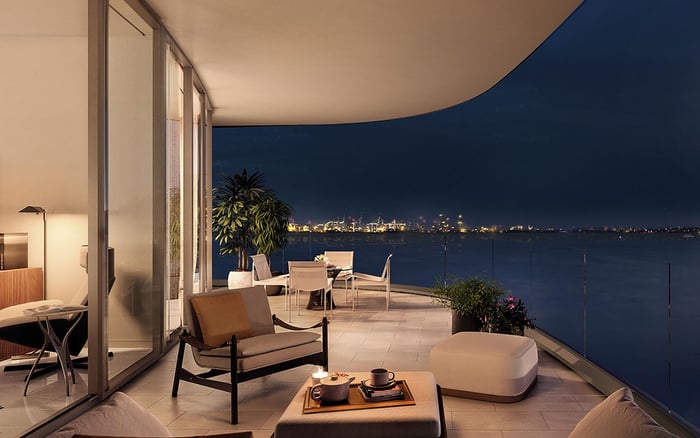
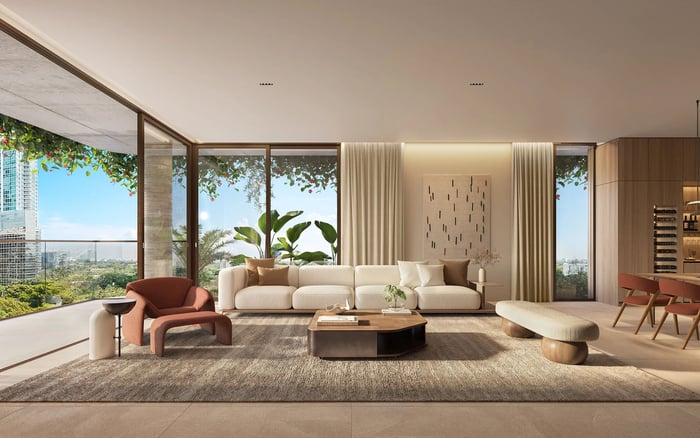
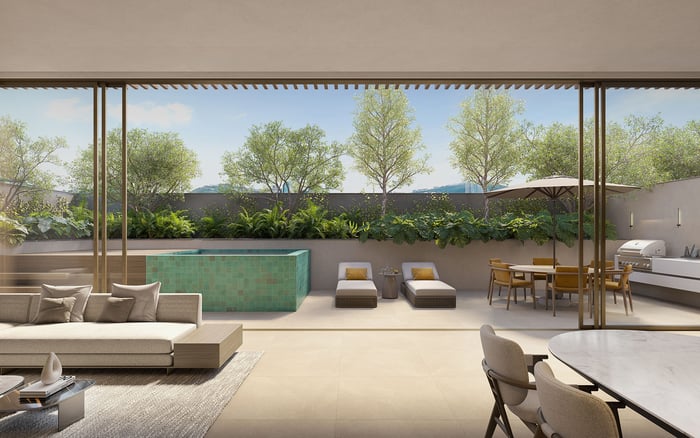
Flooring connects the entire residence. In South Florida, indoor-outdoor living makes flooring transitions especially important. Owners should understand how interior floors meet exterior surfaces, how thresholds are detailed, and whether materials near a Balcony or Terrace can tolerate frequent use. The experience should feel seamless without becoming fragile.
Lighting is another area where full-time owners benefit from early attention. A residence may show beautifully in daylight yet require layered lighting after sunset. Ask where decorative fixtures are included, where recessed lighting is specified, and where additional control may be possible. Good lighting supports art, wellness, entertaining, and quiet evenings with equal discretion.
Even if the plan is to live in the residence for many years, finish decisions should respect future marketability. Resale does not require blandness. It requires coherence. Buyers respond to interiors that feel intentional, well maintained, and aligned with the building’s architectural language.
For Investment-minded owners, the best finish strategy is usually disciplined quality. Avoid overly specific choices in permanent materials unless they are central to the home’s identity. Personalization can flourish through furnishings, art, wallcoverings, lighting accents, and soft goods. Permanent surfaces should be elegant enough to stand on their own and versatile enough to welcome another owner’s life.
This balance is particularly important in competitive luxury corridors, where buyers compare not only square footage and views but also the freshness of interiors. A residence with calm stone, refined millwork, strong lighting, practical storage, and well-kept outdoor surfaces can feel current longer than one dependent on a short-lived decorative trend.
Finish schedules also help owners budget intelligently. If a desired change is expensive during construction but even more invasive after closing, it may be worth addressing early. Conversely, if an item can be changed later without disrupting the home, it may be better deferred until the owner has lived in the space.
Before approving any finish schedule, ask what is included, what is optional, and what remains subject to change. Ask which samples can be viewed in person and whether installed examples are available. Ask how natural material variation is handled and whether slabs, tiles, or wood tones can be reviewed before installation.
Ask whether appliances, fixtures, and hardware are final or representative. Ask what happens if a selected item becomes unavailable. Ask how changes affect timing and whether approvals must be submitted by a specific date. Ask how the home will be inspected before closing and how post-closing service requests will be managed.
Finally, ask yourself whether each selection supports the way you actually live. The most successful finish schedules are not the most elaborate. They are the ones that disappear into the rhythm of ownership, making the residence feel composed, functional, and deeply personal without calling constant attention to themselves.
What is a finish schedule in a luxury residence? It is the document or package that identifies the materials, fixtures, surfaces, and interior specifications planned for the home.
Why should full-time owners study it more closely? Daily use reveals whether finishes are durable, practical, easy to maintain, and aligned with the owner’s lifestyle.
Are finish schedules always final? Not always. Some specifications may be subject to availability, substitution, approval deadlines, or construction coordination.
Which rooms deserve the closest review? Kitchens, baths, primary closets, flooring areas, lighting plans, and outdoor living spaces usually deserve the most attention.
Should I upgrade every visible finish? No. Upgrade where durability, comfort, and long-term satisfaction improve, not simply where a material appears more expensive.
How do finish choices affect Resale? Coherent, durable, and well-maintained finishes can make a residence feel more current and broadly appealing when it returns to market.
What should I ask about natural stone? Ask about variation, finish type, sealing expectations, slab or tile review, maintenance requirements, and acceptable installation tolerances.
Can I bring my designer into the review? Yes. A designer can help interpret specifications, prioritize changes, and ensure selections work with furnishings and art.
What is the risk of late changes? Late changes can affect timing, cost, availability, and installation quality, especially once materials have been ordered or installed.
How should I approach outdoor finishes? Review drainage, slip resistance, sun exposure, furniture plans, and how exterior surfaces transition from interior living areas.
For a discreet conversation and a curated building-by-building shortlist, connect with MILLION.
If branded residences are on your mind — as a home or as an allocation — we would be glad to share what we are seeing, privately.
Begin a quiet conversation