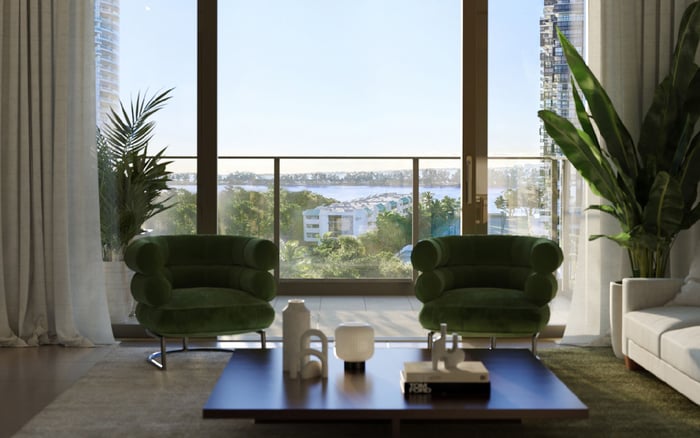
A practical luxury buyer’s guide for executives evaluating Downtown Miami residences through the lens of privacy, productivity, daily rhythm, amenities, and long-term ownership discipline.
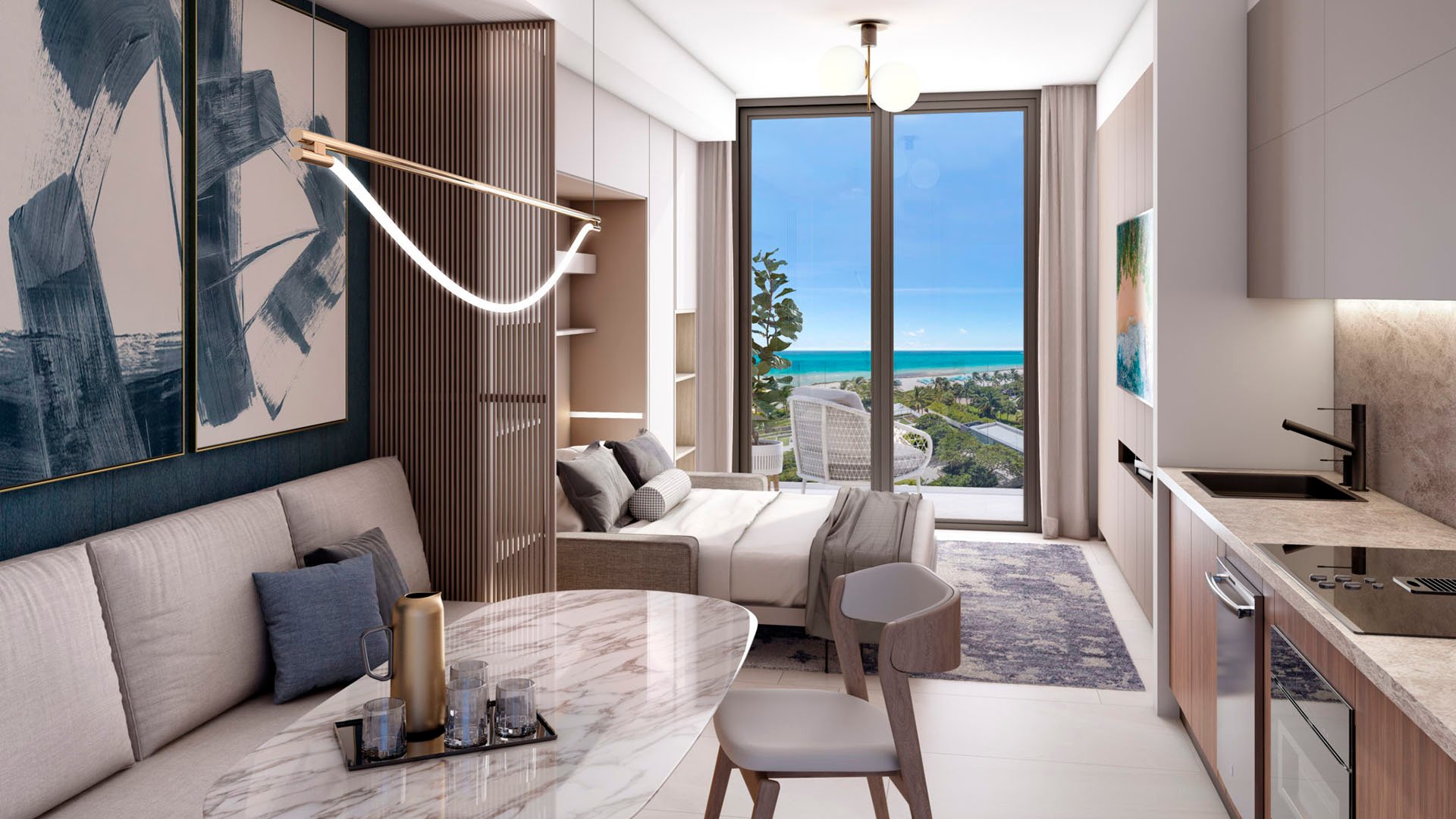
For an executive who works from home, Downtown Miami is more than a place to live near the office. It is the office, the retreat, the meeting point, the decompression space, and often the first impression made before a board call begins. The right residence must support productivity without feeling corporate, privacy without feeling isolated, and convenience without surrendering calm.
That changes the buying brief. A beautiful view is not enough if the primary suite shares a wall with the work area. A dramatic amenity deck is not enough if the elevator experience feels exposed. A trophy address is not enough if the plan cannot absorb private calls, visiting colleagues, family routines, and late-night international schedules.
This is where Downtown Miami rewards precision. Buyers comparing Waldorf Astoria Residences Downtown Miami, Aston Martin Residences Downtown Miami, and Casa Bella by B&B Italia Downtown Miami should move beyond a generic luxury checklist and consider how the home performs from 7 a.m. to 10 p.m.
The strongest remote-work purchase begins with a calendar audit. How many hours are spent on video calls? Are those calls confidential? Does the owner host occasional in-person meetings? Is the home used by a partner, children, staff, or overnight guests during business hours? These questions should shape the residence search before finishes, views, or amenity narratives.
A true executive plan needs at least one workspace that can close off visually and acoustically. A den near the entry may work for brief administrative tasks, but it may not suit sensitive negotiations. A secondary bedroom converted to an office can be more effective if it offers distance from the kitchen, living room, and family zones. The best arrangements create a professional threshold inside the home, allowing the owner to enter work mode without letting work consume the residence.
Light matters as much as square footage. A glare-prone wall of glass can be beautiful in the evening and unforgiving on camera at midday. Buyers should study where a desk would actually sit, how backgrounds appear on video, and whether window treatments can provide both privacy and control. The goal is not to recreate a corporate suite. It is to create a residential environment that performs with executive-grade composure.
For high-performing buyers, privacy is not limited to security. It includes acoustic discretion, circulation, elevator experience, arrival sequence, and the ability to separate personal life from professional obligations. The building should feel intuitive for a guest, but not porous. The home should allow a principal to take a confidential call while others continue living normally.
This is especially important for buyers who split time between Downtown Miami, Brickell, and other South Florida residences. In Brickell, the appeal is often proximity to business, dining, and an established financial rhythm. A buyer considering Baccarat Residences Brickell should still evaluate the same fundamentals: the path from arrival to residence, the privacy of shared spaces, and the distinction between hospitality energy and residential calm.
The strongest buildings for executives do not simply impress visitors. They reduce decision fatigue. Parking, package handling, guest access, service coordination, and wellness routines should all feel controlled. When these systems are seamless, the owner has more attention left for the work that matters.
Downtown Miami is compelling for buyers who want an urban home base with cultural energy and a sense of vertical momentum. It can suit executives who like being near the center of activity while retaining a private residential perch above it. The right unit selection is essential, since not every line, exposure, or floor plan will deliver the same daily experience.
Brickell tends to attract buyers who want a business-forward rhythm. It can be ideal for those whose professional and social calendars often overlap, and for owners who prefer immediate access to a dense urban environment. The tradeoff is that buyers must be especially disciplined about quiet, arrival privacy, and the emotional transition from work to home.
Edgewater offers a different proposition, often appealing to buyers who want a softer residential cadence while remaining connected to the urban core. For those who value waterfront outlooks and a less formal daily rhythm, Aria Reserve Miami may enter the conversation alongside Downtown Miami and Brickell options. The decision is less about which area is universally superior and more about which one protects the owner’s best workday.
The floor plan should be read like an operating system. Where does the workday begin? Where does a private call happen if someone else is using the main living area? Can guests stay without disrupting the office? Is there a powder room positioned for visitors without drawing them through private zones? These details are subtle, but they shape daily satisfaction.
Storage is another underestimated factor. Remote executives often accumulate documents, devices, samples, luggage, and presentation materials. A minimalist interior can become frustrating if it lacks concealed utility. Buyers should look for the ability to hide printers, charging stations, files, and work equipment without compromising the design integrity of the home.
Outdoor space also deserves a practical reading. A terrace may function as a reset between calls, a private breakfast setting, or a quiet evening extension of the living room. Yet its usefulness depends on exposure, depth, furniture placement, and sound. The most valuable terrace is not necessarily the largest. It is the one that will actually be used.
Amenity evaluation should be disciplined. Executives who work from home need amenities that protect health, time, privacy, and focus. A gym is valuable when it is easy to use consistently. A pool is valuable when it supports recovery and calm. Private dining or meeting areas are valuable when they allow the owner to host without turning the residence into a public-facing space.
Wellness should not be treated as decorative language. For remote executives, the body carries the cost of long calls, compressed travel, and irregular schedules. A building that supports movement, recovery, and quiet transition can materially improve the owner’s day. This is where new-construction residences can be attractive, provided the buyer evaluates execution, service culture, and the real usability of shared spaces.
This is a buyer’s-guide decision, not a trend-watching exercise. The question is not whether a building has the most amenities. The question is whether its amenities make an intense life feel more graceful.
Even if the purchase is lifestyle-led, resale should remain part of the decision. Flexible plans usually age better than overly specific ones. A true den, secondary suite, or adaptable media room may appeal to future buyers with different household structures. Clear separation between entertaining, sleeping, and working zones can broaden demand.
Views, finishes, and brand identity can create emotional appeal, but function supports long-term confidence. The best executive residences feel elegant on arrival and intelligent after six months of use. They allow the owner to host, focus, rest, and travel without feeling that the home is either too precious or too exposed.
For Downtown Miami buyers, the most refined choice is often the one that disappears into the rhythm of the day. It handles the call, the workout, the guest arrival, the late dinner, and the quiet morning without drama.
What should executives prioritize first when buying in Downtown Miami? Start with the floor plan and privacy. The residence should support focused work before it impresses as a showpiece.
Is a den enough for a work-from-home executive? Sometimes, but only if it can close off and remain quiet. A secondary bedroom or separate study may offer better control.
How important is building privacy? It is central. Arrival sequence, elevator experience, guest access, and service flow all affect daily discretion.
Should I choose Downtown Miami or Brickell? Choose Downtown Miami for an urban residential base and Brickell for a more business-forward daily rhythm. The right answer depends on how you work and host.
Does Edgewater make sense for executives? Yes, for buyers who want a softer residential cadence while remaining connected to the city. It can be especially compelling for those who value water views and calm.
What makes a residence video-call friendly? Controlled light, an elegant background, acoustic separation, and a door that closes. Desk placement should be tested before purchase.
Are amenities important for remote executives? Yes, when they reduce friction. Fitness, wellness, private hosting, and quiet work-adjacent spaces can improve the week.
Should I buy larger than I think I need? Buy for functional flexibility, not just size. An adaptable room can be more valuable than unused square footage.
How should I think about resale? Favor plans that serve multiple lifestyles. Clear room separation and flexible spaces tend to appeal to a wider future buyer pool.
What is the biggest mistake in this category? Buying for the view alone. The best executive home must also protect time, privacy, concentration, and recovery.
For a discreet conversation and a curated building-by-building shortlist, connect with MILLION.
If branded residences are on your mind — as a home or as an allocation — we would be glad to share what we are seeing, privately.
Begin a quiet conversation