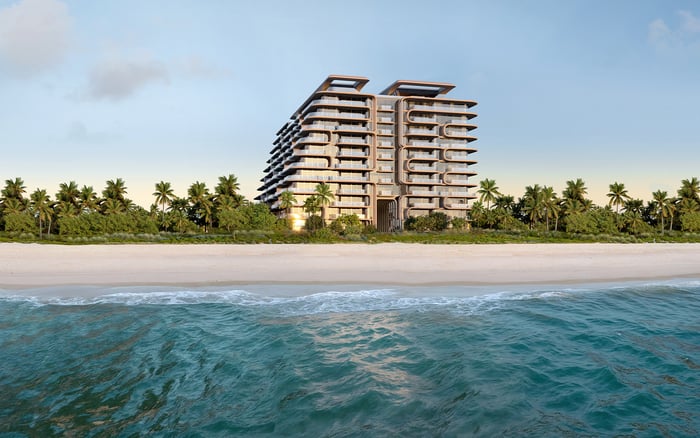
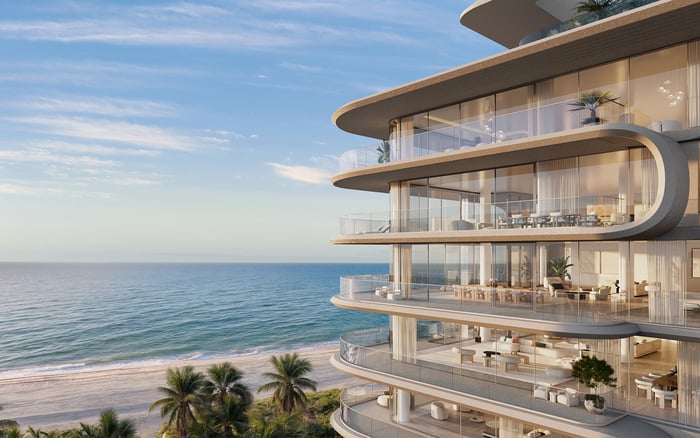
A buyer-focused look at why meditation-room value at The Delmore Surfside depends less on design language than on ownership, access, cost allocation, and long-term governance.

At the top end of South Florida condominium design, wellness has become a language of its own. Quiet rooms, spa corridors, treatment suites, cold plunges, infrared saunas, scent-controlled lobbies, and meditation spaces now appear not as afterthoughts, but as signals of a building’s intended rhythm. The promise is compelling: a private residential environment that supports recovery, focus, and calm without requiring a hotel reservation or club membership.
For buyers considering The Delmore Surfside, however, the usefulness of a meditation room is not determined by soft lighting or refined finishes. The more important question is structural: who owns the room, who controls it, who pays for it, and who may use it. That is where a wellness amenity moves beyond brochure language and into the practical realities of ownership.
In Surfside, where oceanfront living and architectural discretion carry significant weight, buyers often evaluate amenity packages as part of a larger lifestyle proposition. Yet even the most elegant amenity can be less valuable than expected if its legal classification, access policy, or operating budget does not align with how residents actually live.
A meditation room can be framed several ways within a condominium structure. It may be treated as a common element, a limited common element, an association-controlled amenity, or another ownership category established through governing documents. Each structure carries a different implication for value.
If a space is broadly available to residents, its usefulness is relatively intuitive. Owners can imagine stopping in before work, after a flight, or on a quiet weekend morning. If access is narrower, scheduled, or subject to special rules, the same room may become more ceremonial than practical. It may remain visually impressive, but less integrated into daily life.
This is the distinction sophisticated buyers should make early. A meditation room is not automatically a universal resident benefit simply because it appears in a building’s amenity narrative. Its actual function depends on the documents and policies that define it.
That distinction is especially relevant for The Delmore Surfside because the project sits in a segment where buyers are not merely purchasing square footage. They are purchasing a governed environment. In that environment, the fine print can matter as much as the finish palette.
A rarely used amenity can still carry a real cost. Lighting, cleaning, climate control, furnishings, repairs, insurance, management oversight, and future refurbishments all belong somewhere within the building’s financial architecture. If those costs are allocated through the association budget, residents may support the room whether they use it daily or never enter it at all.
That does not make the amenity undesirable. It simply means its value should be weighed against the broader carrying cost of ownership. In luxury condominiums, buyers are accustomed to paying for shared experiences that elevate the building as a whole. The question is whether the meditation room contributes enough to resident life, brand identity, and resale appeal to justify its share of the expense.
This is where new-construction and pre-construction buyers should be especially disciplined. Renderings can present a wellness space as complete and frictionless. Budgets and governing documents reveal how the experience will be maintained over time. A room that looks serene in a sales gallery still needs an operating model once the building is occupied.
Meditation requires availability. A space intended for quiet personal use feels different if it is subject to reservations, private sessions, restricted hours, or programming that limits spontaneous access. None of those policies is inherently negative. In some buildings, structured programming can make an amenity more useful by giving residents guided experiences, predictable quiet hours, or curated wellness events.
The point is alignment. A buyer who imagines an always-open refuge should confirm whether the room is designed to operate that way. A buyer who values guided classes or wellness programming should ask who manages the calendar, how often sessions occur, and whether participation is included or separately charged.
At the ultra-premium level, access is not merely logistical. It shapes whether residents experience the room as part of private residential life or as a controlled amenity that requires planning. That difference may seem small during a tour, but it becomes meaningful after move-in.
The most successful wellness amenities are not only well designed. They are well governed. Boards, managers, and, in some cases, developers during early operations can influence hours, guest rules, reservation systems, programming, etiquette, and maintenance standards. These choices determine whether a meditation room becomes a daily-use resident benefit or an underused showpiece.
Good governance protects atmosphere. It prevents a quiet room from becoming overflow event space, an unsupervised lounge, or a space with rules so restrictive that residents stop using it. It also gives owners confidence that the amenity will age with intention rather than drift into ambiguity.
For The Delmore Surfside, the buyer-facing lesson is broader than one room. In any luxury condominium, shared spaces are only as strong as the framework behind them. The legal and operational life of an amenity determines whether it remains desirable after the opening moment has passed.
Wellness amenities photograph beautifully. They also carry emotional resonance. A meditation room suggests restraint, privacy, and balance, qualities that align naturally with luxury coastal living. But marketing appeal and resident utility are not the same thing.
A room can help distinguish a development in a competitive market even if only a portion of residents uses it regularly. That brand value can matter. Future buyers may respond to a complete wellness program because it signals a building designed for contemporary living rather than basic recreation. Still, resale value is most resilient when the amenity package feels both impressive and justified.
This is why resale buyers often evaluate carrying costs through a sharper lens. They are not reacting only to renderings or launch materials. They are looking at how the building functions in real life, how frequently amenities are used, and whether association expenses feel proportionate to the lifestyle offered.
A meditation room that residents actually adopt can strengthen a building’s identity. One that is difficult to access, costly to maintain, or poorly governed may become an elegant but marginal feature.
The most practical approach is simple: treat the meditation room as both a lifestyle amenity and a legal-financial asset. Before assigning value to it, buyers should ask how the space is described in governing documents. Is it common to all owners, limited to certain users, controlled by the association, or governed through another structure?
They should also ask how operating costs are allocated. Are cleaning, staffing, programming, repairs, and replacements included in general assessments? Could future upgrades create assessment exposure? Are there separate charges for certain uses?
Access is equally important. Are residents free to use the room at reasonable hours, or is it primarily scheduled? Can it be reserved for private events? Are guests allowed? Who sets the etiquette rules, and how are conflicts handled?
Finally, buyers should consider adoption. A wellness amenity has the strongest value when residents naturally use it. In Surfside, where privacy and calm are already part of the residential appeal, a meditation room can feel especially appropriate. But appropriateness is not enough. The experience must be available, maintained, and supported by governance.
The Delmore Surfside makes the meditation-room question especially useful because it reflects a broader shift in luxury condominium evaluation. Buyers are no longer assessing only pools, views, lobbies, and private terraces. They are analyzing how lifestyle promises translate into ownership obligations.
This does not diminish the appeal of wellness amenities. It refines it. A well-governed meditation room can become one of the most intimate and memorable spaces in a building, particularly for residents who value quiet over spectacle. It can also enhance a building’s identity in a market where differentiation matters.
But the best buyers ask the less glamorous questions. Who owns it? Who controls it? Who pays for it? Who gets access? The answers determine whether the room is a meaningful residential privilege or simply part of the visual vocabulary of luxury.
For The Delmore Surfside, the ownership question is therefore not a technical footnote. It is the beginning of a more precise conversation about value.
Why does ownership matter for a meditation room? Ownership determines who controls the space, who pays for it, and how access is granted to residents.
Is a meditation room automatically valuable in a luxury condominium? No. Its value depends on legal structure, operating cost, access rules, and whether residents actually use it.
What should buyers ask about The Delmore Surfside? Buyers should ask how the meditation room is described in governing documents, budgets, and amenity rules.
Can a rarely used amenity still affect monthly costs? Yes. Even low-use spaces may require cleaning, maintenance, utilities, repairs, and future capital planning.
What is the difference between marketing appeal and daily utility? Marketing appeal is how an amenity helps present the building, while daily utility is how well it serves residents after move-in.
Can access rules reduce usefulness? Yes. Limited hours, reservations, private events, or restricted-user policies can change how practical the space feels.
Who usually shapes amenity rules? Boards, managers, and early-stage developers can influence hours, programming, reservations, and etiquette.
How can a meditation room affect resale? Future buyers may judge whether the overall amenity package justifies the building’s carrying costs.
Why is this issue relevant in Surfside? Surfside buyers often value privacy, calm, and refined shared spaces, making governance especially important.
What is the main takeaway for buyers? A wellness amenity should be evaluated as both a lifestyle feature and an ownership obligation.
To compare the best-fit options with clarity, connect with MILLION.
If branded residences are on your mind — as a home or as an allocation — we would be glad to share what we are seeing, privately.
Begin a quiet conversation