For cash buyers in South Florida, new-development optionality is not simply having choices. It is the discipline of comparing comparable residences, timelines, deposit structures, design packages, and exit flexibility before converting certainty into negotiation leverage.
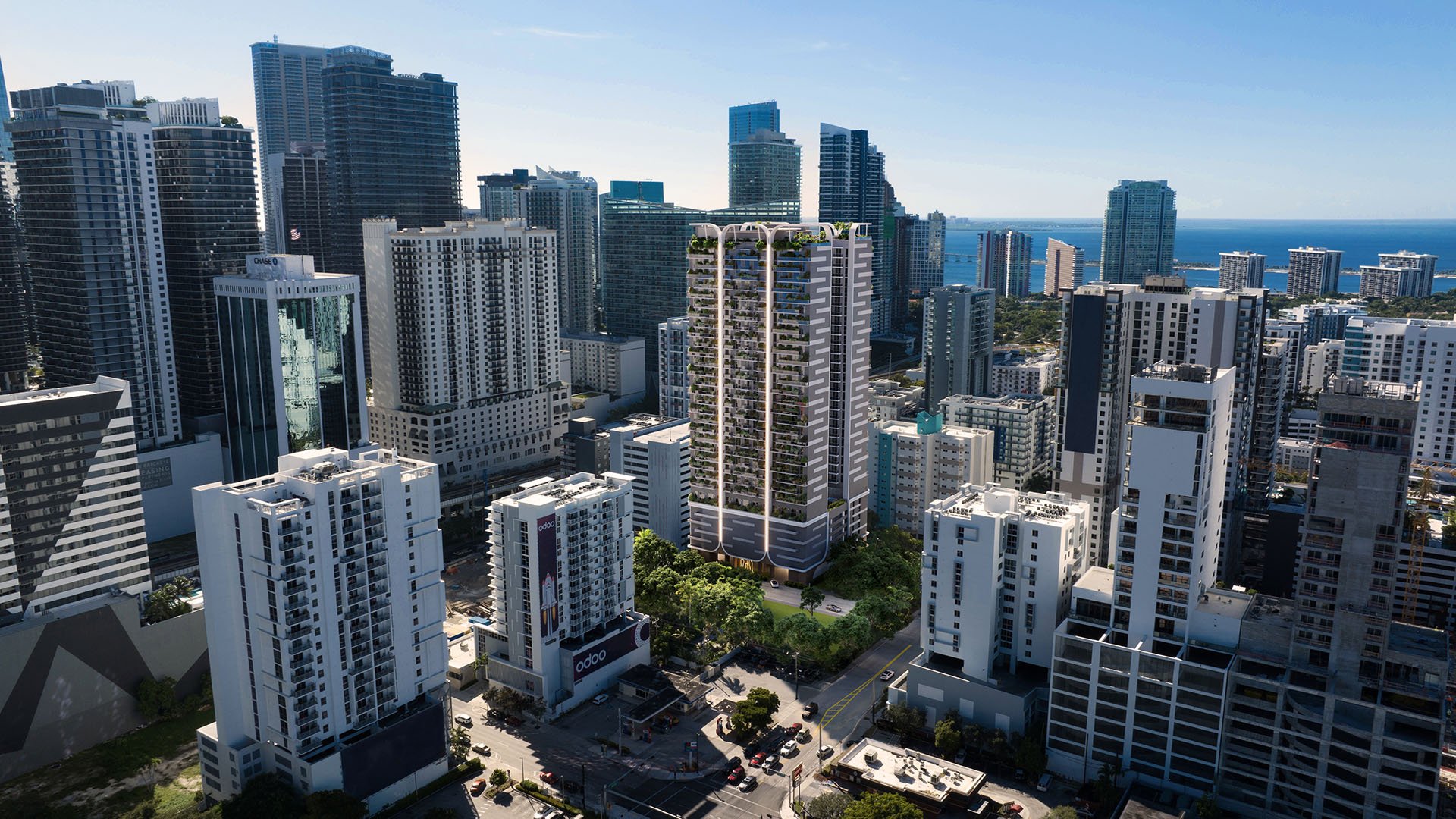
For the South Florida luxury buyer, cash is not merely a payment method. It is a strategic position. In new development, that position becomes most powerful when paired with optionality: the ability to compare multiple buildings, floor plans, delivery timelines, finish levels, deposit structures, and resale alternatives without being forced into a single outcome.
The strongest cash buyers do not negotiate from urgency. They negotiate from preparedness. They understand that a developer may value clean execution, certainty of closing, and reduced financing friction. They also recognize that every project has its own rhythm. A residence in Brickell may compete on skyline access and daily convenience, while a Miami Beach property may be evaluated through lifestyle, privacy, and scarcity. Sunny Isles buyers may weigh height, water views, service, and long-horizon ownership differently. Optionality allows the buyer to move among these conversations with composure.
In ultra-prime new development, the headline price attracts attention, but negotiated value often lives in the details. A cash buyer should look beyond a simple discount and assess the total package. That may include deposit timing, closing flexibility, credits, parking, storage, furniture coordination, upgrade allowances, association start-up costs, or the ability to select a more desirable exposure.
This is especially relevant in pre-construction, where the buyer is not only purchasing a residence but also entering a delivery timeline. The question is not simply, “Can the price move?” The sharper question is, “Where can the economics, certainty, and lifestyle outcome improve without weakening the transaction?” A developer may resist a visible price reduction yet remain open to terms that protect the buyer’s capital and improve the finished ownership experience.
For a cash buyer, the art is to identify which term matters most. If the buyer intends to hold for personal use, view, layout, ceiling feel, and arrival sequence may matter more than a marginal concession. If the purchase is partly an investment decision, liquidity, rental flexibility where permitted, carrying costs, and future buyer depth deserve closer attention.
Optionality becomes leverage when it is credible. A buyer who simply says there are other choices has little influence. A buyer who has toured carefully, compared comparable residences, reviewed contract structure, and clarified timing can negotiate with far greater authority.
In new construction, credibility is often quiet. It is conveyed through proof of funds, a prepared advisory team, swift contract review, and a calm willingness to pause. Developers and sales teams recognize buyers who are organized. They also recognize buyers who are shopping without intention. Cash does not automatically create leverage if the buyer’s behavior feels unfocused.
The most effective approach is to create a small, serious field of alternatives. Two or three credible options can be enough. The buyer should understand what each option offers and what each lacks. One may have a stronger location. Another may have a superior floor plan. A third may offer a more attractive payment structure. When the buyer can articulate these trade-offs without theatrics, the negotiation becomes more sophisticated.
Cash buyers often underestimate the value of timing. A flexible closing window can be useful to a developer. So can a faster contract path, reduced contingency friction, or alignment with a project’s internal sales goals. Conversely, a buyer may benefit from more time to coordinate liquidity, family logistics, tax planning, design work, or the sale of another asset.
The point is not to assume the seller’s priorities. The point is to discover them discreetly. A polished negotiator asks what the project values most: speed, certainty, visibility of price integrity, a larger deposit, a particular closing date, or reduced complexity. Once those priorities are understood, the buyer can shape an offer that trades strength in one area for value in another.
This is where cash becomes elegant. It can simplify the transaction without appearing aggressive. Instead of demanding a dramatic concession, the buyer may propose a clean path with a precise request. That request should be defensible, discreet, and easy to accept.
Optionality is not only about winning better terms. It is also about avoiding the wrong commitment. New-development contracts can vary widely in structure, obligations, timing, and remedies. A cash buyer should understand deposit exposure, construction timing, default provisions, permitted changes, assignment language, and closing requirements before treating any offer as final.
The luxury buyer’s risk is rarely only financial. It may also be practical. A residence that appears attractive on paper can lose appeal if the view corridor, arrival experience, service model, or interior proportions do not match the buyer’s daily life. Optionality slows the process just enough to separate the impressive from the appropriate.
This is particularly important for buyers comparing different South Florida submarkets. Brickell can reward convenience and vertical energy. Miami Beach can reward proximity to sand, dining, culture, and privacy. Sunny Isles can appeal to buyers seeking oceanfront scale and resort-style living. None is universally superior. The best choice is the one that aligns with the buyer’s use case, time horizon, and appetite for future resale competition.
The disciplined cash buyer can use a simple framework. First, define the non-negotiables: location, view, floor height, residence size, delivery timing, privacy, and service level. Second, rank the negotiables: price, credits, deposit schedule, upgrades, storage, parking, and closing date. Third, understand the walkaway point before submitting the offer.
This framework prevents the buyer from overvaluing a concession that does not improve the life of the property. A small credit cannot fix an inferior line. A favorable deposit schedule may not compensate for a delivery timeline that misses the buyer’s personal needs. A prestigious address may not be enough if the layout fails the way the buyer lives.
The best negotiations are neither timid nor theatrical. They are curated. The buyer presents strength, requests value, and maintains optionality until the contract protects the intended outcome. In South Florida’s luxury market, where lifestyle, architecture, service, and scarcity intersect, the buyer with choices often has the most graceful power.
Why does optionality matter for a cash buyer? Optionality keeps the buyer from appearing dependent on one residence. It also creates a stronger basis for comparing value, terms, and long-term fit.
Is cash always enough to secure a better price? Not always. Cash can improve certainty, but the strongest negotiation may involve timing, credits, upgrades, or contract terms rather than price alone.
How many alternatives should a buyer compare? A focused set of serious alternatives is usually more useful than a broad search. The goal is clarity, not volume.
What should be negotiated besides price? Deposit structure, closing timing, upgrade allowances, parking, storage, credits, and contract flexibility can all affect total value.
Does pre-construction require a different strategy? Yes. Buyers should evaluate timeline, deposit exposure, delivery expectations, and the developer’s willingness to structure terms carefully.
How should a buyer evaluate new construction versus resale? New construction may offer modern design and first ownership, while resale may provide immediate visibility into the finished product and building operation.
Is Brickell a different negotiation environment than the beach? Yes, buyer priorities can differ by location. Brickell often centers on convenience and access, while beach markets may emphasize lifestyle, privacy, and views.
Why mention Miami Beach and Sunny Isles separately? Each submarket can attract a different buyer profile. Comparing them helps clarify whether the purchase is lifestyle-led, view-led, or service-led.
How should investment goals influence negotiation? Investment-oriented buyers should examine liquidity, permissible use, carrying costs, and the likely depth of future buyer demand.
What is the most common mistake cash buyers make? They sometimes focus on appearing decisive before fully understanding alternatives. True leverage comes from being prepared, patient, and willing to walk away.
When you're ready to tour or underwrite the options, connect with MILLION.
If branded residences are on your mind — as a home or as an allocation — we would be glad to share what we are seeing, privately.
Begin a quiet conversation