A buyer-focused look at why The Estates at Acqualina Sunny Isles suits owners seeking a highly serviced, secure, low-friction South Florida residence for part-time or multi-home living.

For high-net-worth buyers, lock-and-leave ownership is not simply about having a beautiful residence that can sit empty between visits. It is about whether the building, staff, governance, security, and lifestyle infrastructure are organized to reduce the owner’s workload when life is divided among multiple homes, flights, offices, and seasons.
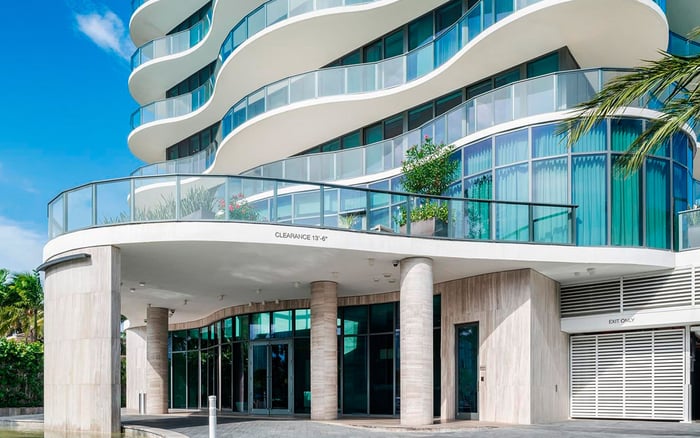
That is why The Estates at Acqualina Sunny Isles belongs in the conversation for buyers prioritizing low-maintenance South Florida ownership. The development is positioned as an ultra-luxury condominium in Sunny Isles Beach, within the broader Acqualina brand’s resort-style hospitality ecosystem. Its relevance is not only aesthetic. It is operational.
In practical terms, the strongest lock-and-leave residences let an owner arrive, live well, depart, and return with minimal friction. The Estates at Acqualina is framed around exactly that expectation: highly serviced living, on-site management, controlled access, security infrastructure, association rules, and an integrated amenity campus that reduces the need to coordinate lifestyle services externally.
A buyer who uses a residence as a second home, third home, or pied-a-terre often evaluates luxury differently from a full-time resident. The question becomes less about maximum personalization and more about continuity. Who is watching the property environment? How many outside vendors are needed? Does the building culture support privacy and order? Can the owner step away for extended periods without feeling that the residence has become another operating responsibility?
The Estates at Acqualina answers that brief through a service-oriented residential model. The appeal is not that ownership becomes passive in every sense, since any significant property still requires judgment and oversight. The appeal is that many day-to-day burdens are absorbed by a managed residential framework. For buyers who travel frequently or divide time among several homes, that distinction can be decisive.
This is where Sunny Isles Beach has matured as a serious ultra-luxury address. Buyers comparing St. Regis® Residences Sunny Isles, The Ritz-Carlton Residences® Sunny Isles, and Acqualina’s ecosystem are often not just comparing finishes or views. They are comparing how each residence will function when the owner is not there.
For lock-and-leave buyers, amenities are not merely recreational. They are a form of lifestyle consolidation. A robust on-site amenity environment can reduce the need to manage memberships, appointments, external providers, and multiple logistics channels each time an owner returns to South Florida.
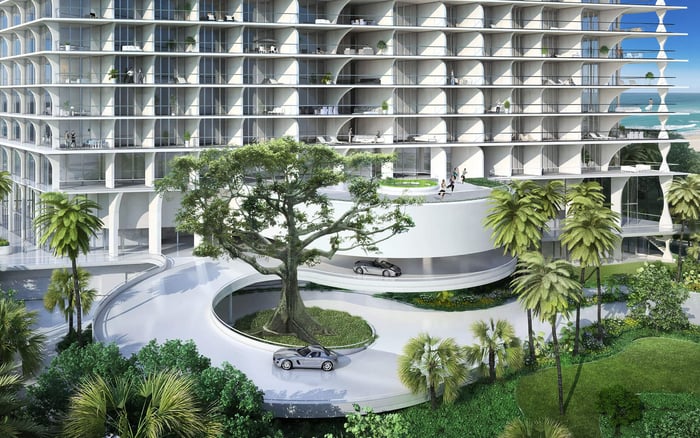
The Estates at Acqualina is presented with an integrated amenity campus, supporting the broader premise of convenience and self-contained living. For an owner arriving for a long weekend, a winter stay, or a family holiday, the ability to rely on a curated residential environment becomes part of the asset’s usability.
This matters especially in oceanfront and coastal ownership, where buyers often seek the pleasures of South Florida without accepting the operational complexity of a standalone estate. A condominium with managed services can offer a more predictable rhythm: arrive to a staffed environment, use the residence and amenities, then leave with confidence that the building’s systems and rules continue to operate in the background.
Security-conscious absentee owners tend to focus on three things: access, oversight, and predictability. The Estates at Acqualina is positioned with strict access control and security infrastructure as part of its low-friction ownership appeal. For owners who may be away for weeks or months, these details are central rather than secondary.
In a highly serviced condominium, the security proposition is not only physical. It is procedural. Clear access standards, orderly association rules, and on-site management create a framework in which the residence is not dependent on ad hoc arrangements. That can be particularly important for owners with family members, household staff, guests, or advisors who may interact with the property at different times.
The best lock-and-leave buildings create a culture in which privacy and predictability are normal. They do not require constant owner intervention. They offer a residential rhythm that is both refined and controlled.
South Florida buyers understand that coastal ownership requires a different level of scrutiny. Beauty is not enough. Physical and operational resilience matter, particularly for owners who may not be in residence during seasonal weather events or extended travel periods.
For The Estates at Acqualina, hurricane-grade construction is an important factor for coastal lock-and-leave ownership, along with robust physical and operational resilience. For a high-value residence, that combination can influence confidence as much as design or amenity programming.
This is not a substitute for due diligence. Buyers should still review building documentation, insurance context, association rules, maintenance standards, and ownership costs with appropriate advisors. But as a shortlist criterion, resilience is inseparable from lock-and-leave appeal. A residence that is easier to leave must also be one that feels more secure while the owner is away.
Sunny Isles Beach has become one of South Florida’s most recognizable corridors for vertical luxury, especially among buyers who want water, services, privacy, and convenient access without adopting the responsibilities of a single-family estate. In Sunny Isles conversations, the most compelling projects tend to combine architecture, hospitality, and managed operations.
The Estates at Acqualina benefits from that context while remaining distinct because it is tied to the Acqualina brand’s resort-style hospitality ecosystem. The result is a residential proposition that emphasizes not just where the owner lives, but how little the owner has to coordinate to enjoy the property.
Buyers may also consider neighboring ultra-luxury options such as Bentley Residences Sunny Isles or established names like Turnberry Ocean Club Sunny Isles when assessing the area. The relevant question is not which is loudest on paper. It is which ownership model best matches the buyer’s travel schedule, staffing expectations, privacy needs, and appetite for management complexity.
In ultra-premium condominium living, association rules are sometimes discussed only as constraints. For lock-and-leave buyers, they can also be a feature. A clear governance structure helps preserve order, consistency, and residential expectations when owners are not always present.
The Estates at Acqualina is framed with association rules as part of the structure supporting low-friction ownership. That matters because a lock-and-leave residence is only as effortless as the building’s operating culture allows. If rules are unclear, service standards inconsistent, or access unmanaged, the owner’s burden increases.
A curated residential culture is therefore not just about exclusivity. It is about making sure the building behaves predictably. For buyers accustomed to private aviation, staffed homes, and global travel, predictability is a form of luxury.
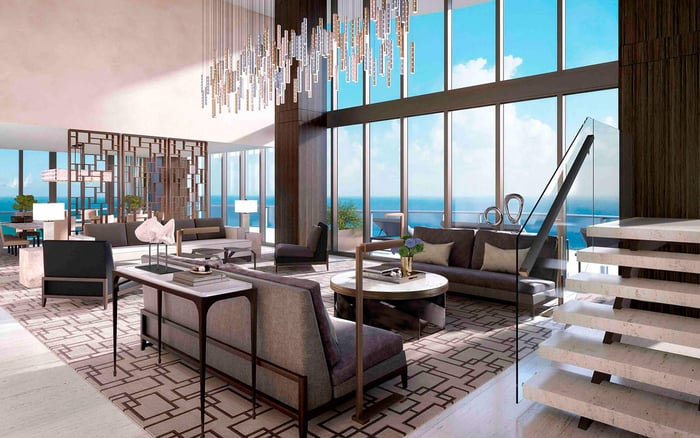
The Estates at Acqualina is especially relevant for buyers who want a South Florida residence that can be used intermittently without feeling neglected between visits. It suits owners who prioritize convenience, security, on-site management, and a service menu that simplifies the practical side of ownership.
It is also a logical fit for buyers who want resort-style living but do not want to outsource every lifestyle need across the city. The integrated amenity campus, managed setting, and Acqualina hospitality positioning give the property a more comprehensive value proposition than generic luxury alone.
The distinction that matters most is clear: a true lock-and-leave residence is not merely impressive when occupied. It is well considered when unoccupied. On that measure, The Estates at Acqualina Sunny Isles deserves serious attention from buyers seeking an elegant, lower-maintenance base in South Florida.
Is The Estates at Acqualina a good fit for lock-and-leave ownership? Yes. Its serviced residential model, on-site management, access control, and amenity campus make it relevant for owners who are not always in residence.
What type of buyer is most likely to value this ownership model? It is best suited to buyers who travel frequently, split time among multiple homes, or want a South Florida residence with less day-to-day involvement.
Why does on-site management matter? On-site management can reduce the need for owners to coordinate every operational detail themselves, especially during extended absences.
How important is security for part-time residents? It is central. Strict access control and security infrastructure help support confidence when an owner is away.
Does the amenity campus affect lock-and-leave convenience? Yes. Integrated amenities can reduce reliance on outside lifestyle services and make each stay easier to organize.
Is this only about luxury finishes? No. The more important value proposition is reduced operational burden within a highly serviced residential environment.
Why does coastal resilience matter for absentee owners? Coastal residences require confidence in physical and operational durability, particularly when owners may not be present during seasonal weather events.
Are association rules a disadvantage? Not necessarily. For lock-and-leave buyers, clear rules can support an orderly, predictable residential culture.
How should buyers compare it with other Sunny Isles projects? They should compare not only design and amenities, but also service depth, access control, management structure, and ownership friction.
Should The Estates at Acqualina be on a South Florida shortlist? For buyers prioritizing convenience, security, managed operations, and resort-style living, it belongs in serious consideration.
For a confidential assessment and a building-by-building shortlist, connect with MILLION.
If branded residences are on your mind — as a home or as an allocation — we would be glad to share what we are seeing, privately.
Begin a quiet conversation