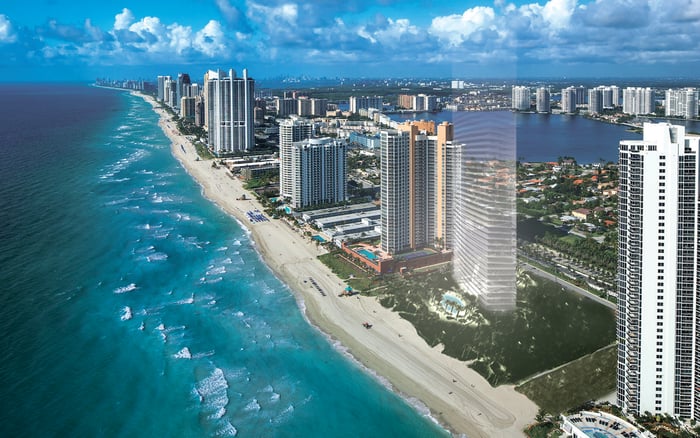
A disciplined framework for evaluating waterfront homes, condominium governance, insurance, marine rights, physical condition, and storm readiness before closing.
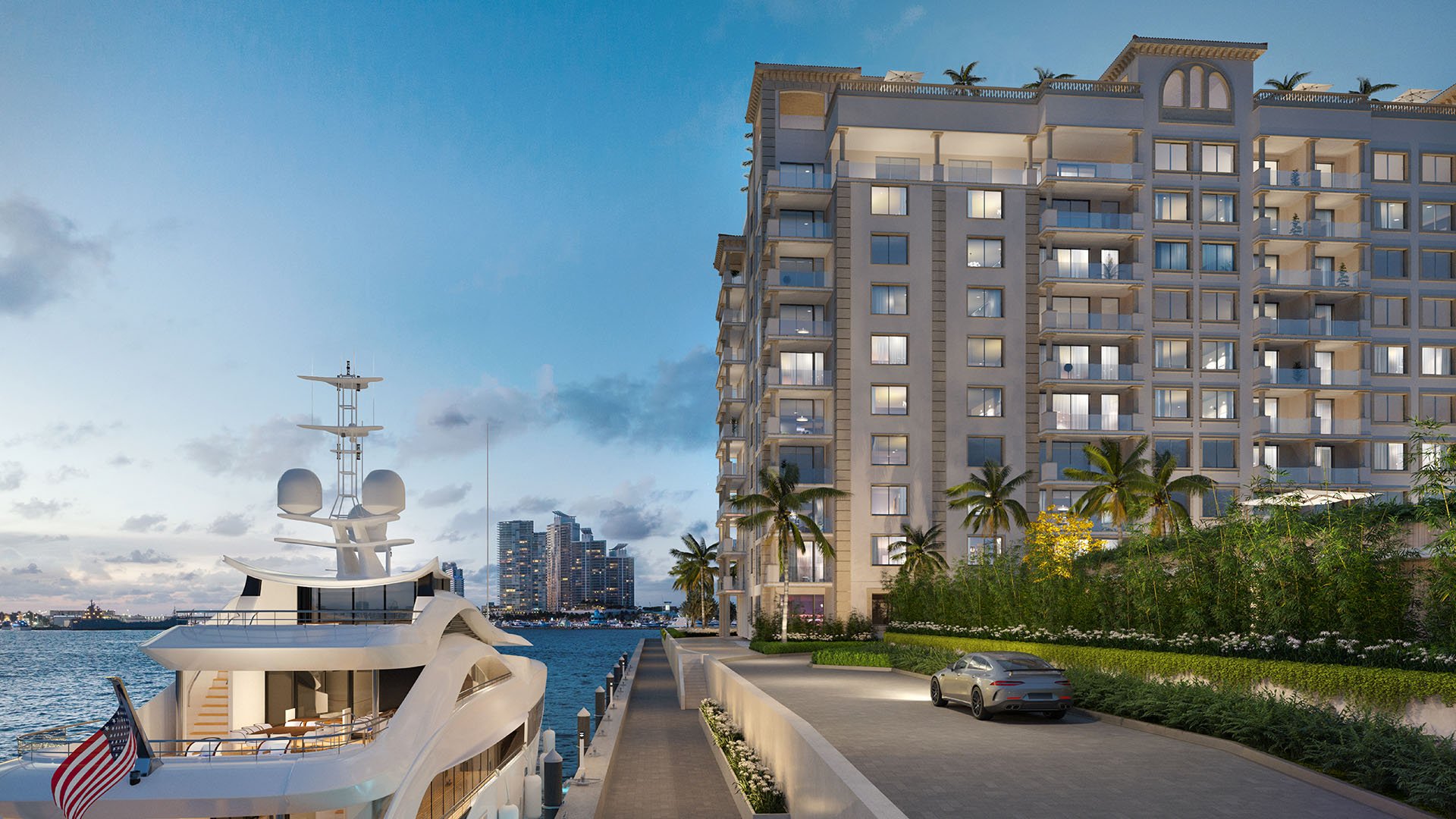
Miami waterfront due diligence begins by separating the emotional appeal of the view from the legal and physical realities beneath it. This 2026 framework belongs in any serious collection of buyer’s guides because waterfront ownership is not a single asset class. An oceanfront condominium, a bayfront residence, and a home beside a marina can carry materially different responsibilities.
Ask counsel to identify precisely what the contract conveys. The residence may include, reference, or exclude shoreline areas, seawalls, docks, slips, lifts, access routes, storage, and submerged-land interests. Confirm whether the relevant rights are exclusive, assigned, licensed, leased, or shared-and whether they transfer with the property. Marketing language should never stand in for governing documents.
A prestigious address does not resolve the most important site questions. Buyers should commission a property-specific review of elevation, drainage, surrounding grade, garage and lobby access, lower-level equipment, utility placement, and potential pathways for wind-driven rain or rising water.
The same discipline applies across Miami Beach. When evaluating a residence such as The Ritz-Carlton Residences® Miami Beach, examine the individual unit, its parking and storage, and the building systems that support it. A high-floor home can still rely on vulnerable equipment, access points, and common infrastructure below.
A conventional inspection is only the starting point. Depending on the property type, the appropriate team may include a licensed inspector, structural engineer, marine contractor, roofing specialist, and building-envelope consultant. Their scopes should be coordinated to avoid both gaps and duplication.
For a single-family home, scrutinize the roof, impact protection, exterior openings, waterproofing, generators, drainage, seawalls, docks, lifts, and electrical equipment. For a condominium, extend the inquiry to façades, roofs, terraces, glazing, garages, pumps, elevators, backup power, and mechanical rooms. Salt exposure and water intrusion warrant direct questions, documented maintenance histories, and professional interpretation-not visual assumptions.
In a condominium acquisition, governance and capital planning are integral to the asset. With qualified advisers, review budgets, financial statements, reserve information, insurance summaries, meeting minutes, engineering materials, pending projects, special assessments, claims, disputes, and owner obligations.
Do not assess any document in isolation. A low regular assessment may be less meaningful if major work is approaching or reserves are constrained. Conversely, a higher assessment may reflect broader services or deliberate funding. For Bentley Residences Sunny Isles in Sunny Isles Beach, as with any contemplated acquisition, the buyer’s review should unite the residence, shared systems, association finances, and insurance structure in a single risk picture.
Treat insurance as an underwriting condition, not a closing-week task. Obtain property-specific indications early, and ask what is covered, excluded, limited, or subject to separate deductibles. For a house, the analysis may encompass the dwelling, contents, flood, wind, excess liability, marine improvements, and equipment. For a condominium, compare the association’s coverage with the owner’s proposed policy and define the boundary between them.
Discuss deductibles, loss-assessment exposure, temporary living arrangements, water damage, ordinance-related costs, and requirements for shutters or other protective measures directly with licensed insurance and legal advisers. Price alone is an incomplete basis for comparison. Scope, limits, exclusions, carrier terms, and the owner’s retained risk carry equal weight.
Boaters should verify dimensions, depth, access, operating restrictions, utilities, maintenance obligations, and the legal basis for using a slip or dock. A beautiful berth has limited value if it cannot accommodate the intended vessel or if access depends on conditions the buyer has not examined.
At a bayfront condominium such as Una Residences Brickell, or an island setting such as Vita at Grove Isle, buyers should ask project-specific questions rather than presume that water frontage includes boating rights. Have marine and title professionals review every relevant arrangement, approval, transfer condition, and maintenance allocation.
A resilient ownership plan is operational as well as structural. Establish who will monitor the property, install protection, move outdoor furnishings, secure vessels, test backup systems, and communicate while the owner is away. Keep vendor contacts, access permissions, shutoff locations, equipment instructions, policy details, and inventories in a secure, accessible file.
For condominiums, ask management how residents receive notices, which services may pause, how elevators and garages are handled, and when re-entry may occur. For houses, confirm arrangements for landscaping, pool systems, generators, docks, and post-event inspections. Contract terms should provide sufficient time for counsel, inspectors, insurers, lenders, and marine specialists to complete their work and resolve material findings.
What is the first document a waterfront buyer should review? Begin with the contract and title materials, then reconcile them with surveys, governing documents, and any dock or access agreements.
Does a water view guarantee dock rights? No. Confirm the legal nature, transferability, restrictions, and physical suitability of any claimed dockage.
Is a high-floor condominium insulated from flood-related risk? Not necessarily. Access, parking, elevators, utilities, mechanical systems, and common areas may remain relevant.
Should insurance be reviewed before making an offer? Ideally, obtain early guidance and ensure the contract strategy allows sufficient time for property-specific underwriting.
Which condominium records deserve the closest attention? Focus on finances, reserves, insurance, engineering materials, meeting minutes, assessments, claims, and planned capital work.
Who should inspect a seawall or dock? Engage an appropriately licensed or qualified marine professional whose scope covers condition, functionality, and anticipated work.
What belongs in an absentee owner’s storm plan? Include a local decision-maker, vendor access, protection procedures, vessel arrangements, inventories, and post-event inspection steps.
How should buyers compare two waterfront properties? Compare total carrying obligations, retained risk, physical condition, governance, access, and intended use-not price per square foot alone.
Can a standard home inspection cover every waterfront issue? Usually not. The property type may warrant separate structural, envelope, roofing, electrical, drainage, or marine expertise.
What is the best way to shortlist comparable options for touring? Start with location fit, delivery status, and daily lifestyle priorities, then compare stacks and elevations to validate views and privacy.
For a tailored shortlist and next-step guidance, connect with MILLION.
If branded residences are on your mind — as a home or as an allocation — we would be glad to share what we are seeing, privately.
Begin a quiet conversation