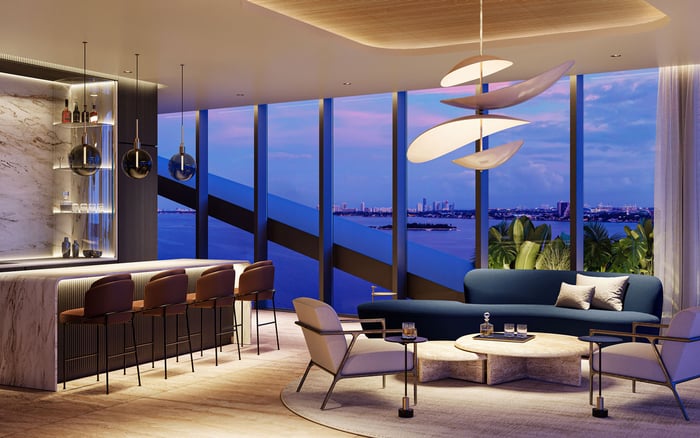
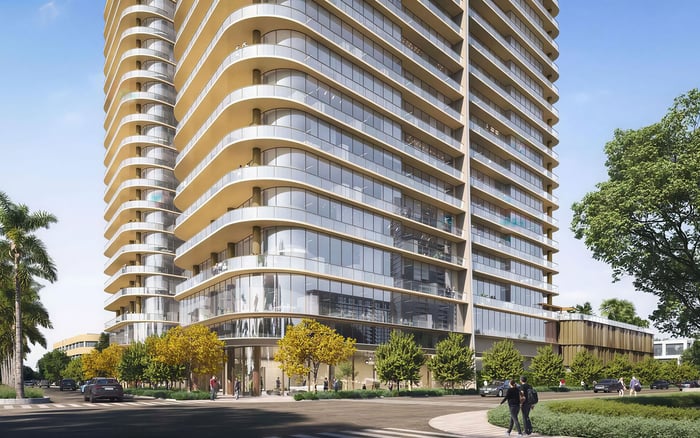
A buyer-focused look at how seasonal-use management can influence ownership strategy, lifestyle confidence, and decision-making at The Cove Residences Edgewater.
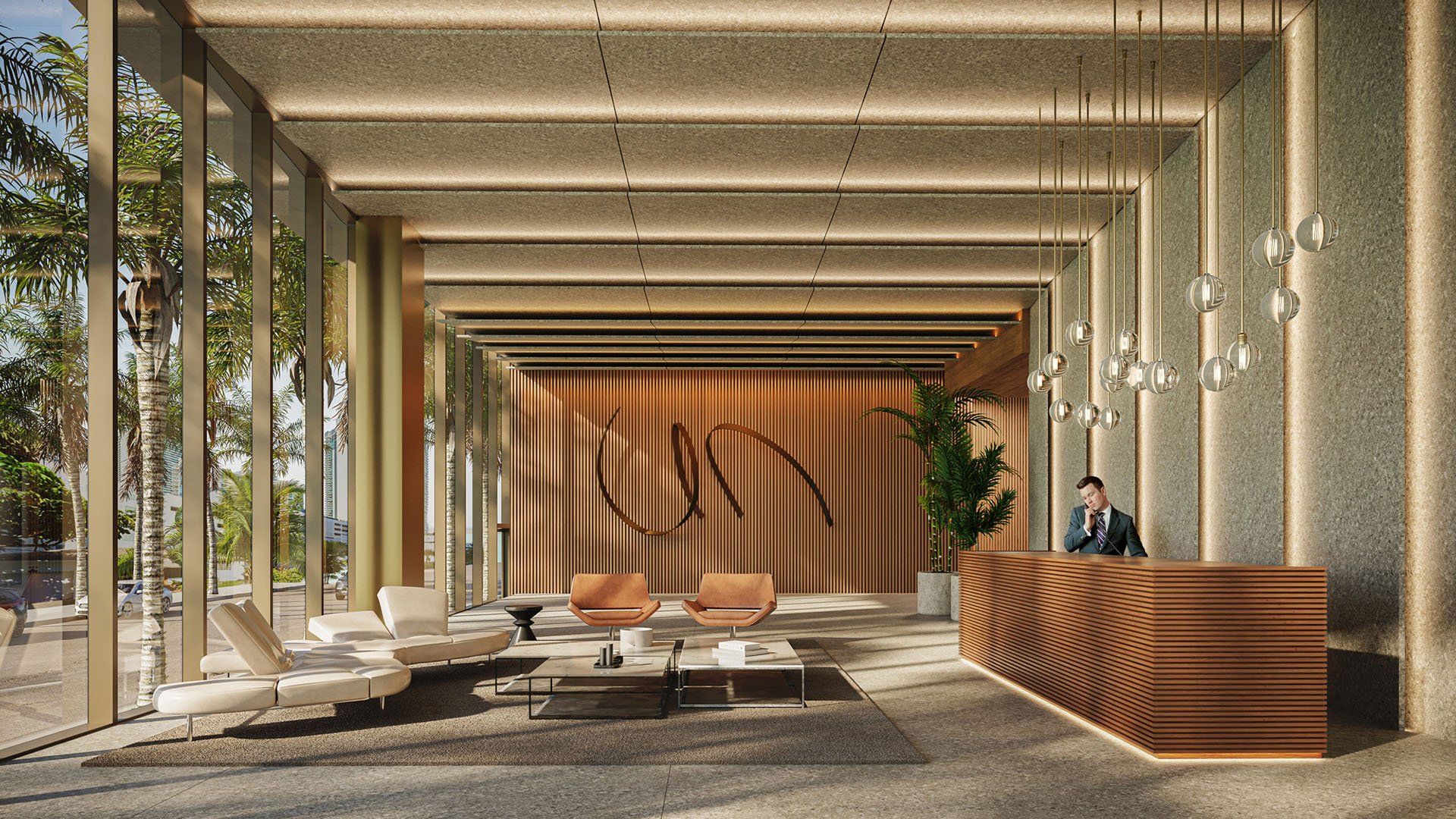
For many South Florida luxury buyers, the conversation around The Cove Residences Edgewater begins with familiar emotional cues: water, light, privacy, and the appeal of a Miami address that can serve as both escape and asset. Yet for seasonal owners, the decisive question often arrives later and carries more weight than a finishes package: what happens to the residence when the owner is not there?
Seasonal-use management is the framework that answers that question. It is not a single amenity, and it is not merely a convenience. It is the operational layer that determines how confidently an owner can leave, return, host, maintain, and potentially monetize a residence without turning ownership into a second job. At the upper end of the market, that layer can alter the entire buyer decision.
The Cove Residences Edgewater enters a buyer conversation shaped by mobility. Many purchasers split time across cities, countries, family offices, yachts, private clubs, and business obligations. They want a Miami home that feels fully personal when they arrive, but they also want the intervals between visits managed with discretion. In that context, the most valuable question is not only whether the residence is beautiful. It is whether the ownership experience remains elegant when the owner is absent.
A full-time resident evaluates a building through daily rhythm: elevator experience, amenity access, neighborhood flow, staff consistency, and day-to-day comfort. A seasonal owner evaluates those same elements, then adds a second layer of risk. The home may sit unused for extended periods. Deliveries may need handling. Maintenance may require coordination. Guests may arrive before or after the owner. Climate, security, access, and communication all become part of the ownership equation.
That is why management quality can become a value signal. A buyer considering The Cove Residences Edgewater may view seasonal-use support as a form of preservation: of time, privacy, condition, and peace of mind. The better the system, the less friction there is between wanting a Miami residence and actually using it well.
This is especially relevant for a second-home buyer who wants spontaneity. If every arrival requires a checklist, the home begins to feel administrative. If the residence can be prepared, maintained, and supported in a polished way, the owner can treat it as a lifestyle instrument rather than an obligation.
In luxury real estate, lock-and-leave is often used casually, but serious buyers should treat it as a collection of operating standards. It includes building access protocols, vendor coordination, package handling, maintenance communication, guest arrival procedures, and the broader culture of service within the property. The strongest experiences feel invisible because small issues are addressed before they become owner problems.
For The Cove Residences Edgewater, the seasonal-use question should be framed around how ownership will actually unfold. Will the owner arrive for long winter stays, short cultural weekends, family holidays, or flexible work periods? Will the home be used by relatives? Will it remain private, or will rental administration be part of the plan? Each use case changes what management must deliver.
A buyer focused on investment logic should be particularly precise. A residence can have strong design appeal and still be misaligned with a buyer's intended use if the building policies, rental cadence, service model, or ownership expectations do not match. The goal is not simply maximum optionality. The goal is controlled optionality that fits the owner's lifestyle and preserves the tone of the property.
Seasonal-use management often intersects with rental strategy. Some owners want the ability to offset carrying costs during periods of non-use. Others value the idea of flexibility but have no intention of placing the residence into a rental program. A smaller group may view rental administration as essential to the purchase case. These are three different buyers, even if they are considering the same floor plan.
The question is not whether short-term rentals sound attractive in the abstract. The more important questions are procedural and cultural. What is permitted? What is restricted? How are arrivals handled? How does the building protect residential quiet? How are damages, cleaning, deposits, and standards managed? Does the ownership structure encourage hospitality-style use, private residential use, or a more limited hybrid?
For high-net-worth buyers, rental flexibility is rarely only about income. It is also about control. The wrong rental environment can dilute privacy, increase wear, and alter the character of a building. The right framework can provide convenience while maintaining standards. That distinction is central to the decision.
Edgewater has become part of Miami's broader luxury conversation because it offers a different posture from the city's more traditional resort addresses. Buyers who look at Edgewater often want proximity to the urban core, water-oriented living, and a setting that feels connected without becoming overly exposed. The appeal is neither purely beach nor purely downtown. It occupies a more flexible lifestyle category.
For seasonal users, that flexibility matters. A residence in Edgewater can serve as a base for dining, art, wellness, boating, work, and family visits, depending on the owner's routine. The management layer determines how smoothly those routines can be activated. A well-managed residence allows the owner to land, settle, and move through the city without losing the first day to logistics.
Some buyers may shorthand the search as Cove Miami, but the more useful lens is ownership behavior. If the residence is intended for repeat seasonal use, the building's day-to-day operating philosophy should be reviewed with the same seriousness as views and interiors. In luxury property, convenience is not a minor detail. It is part of the asset's lived value.
The most sophisticated buyers approach seasonal-use management with a practical checklist, even when the purchase itself is emotional. They ask who communicates with owners during absences, how maintenance issues are identified, whether preferred vendors are coordinated, how guest access works, and what level of service is standard rather than exceptional.
They also test the building's stance on privacy. A seasonal residence should not require the owner to overexplain every arrival, guest, delivery, or service request. At the same time, it should not feel loosely controlled. The best luxury buildings balance recognition and restraint. Staff should know enough to serve well, but not so much that ownership feels exposed.
For new-construction buyers, the same discipline applies early. Sales presentations can emphasize lifestyle, but seasonal ownership depends on governance, rules, staffing, and operational maturity. A buyer should understand which promises are built into the building's structure and which depend on future association decisions, third-party vendors, or evolving policies.
A residence used year-round is judged primarily by presence. A seasonal residence must be judged by both presence and absence. This is the critical shift. The value of The Cove Residences Edgewater, for a seasonal buyer, is not only what it feels like during a perfect Miami week. It is also how well the property performs during the months when the owner is elsewhere.
That performance can affect perceived value, liquidity, family usage, and long-term satisfaction. A buyer who feels confident leaving the residence may use it more freely, share it more comfortably with family, and hold it with less friction. A buyer who senses uncertainty may hesitate, even if the architecture, location, and price feel compelling.
Seasonal-use management is therefore not a footnote. It is a decision filter. It helps separate a beautiful condominium from a truly workable Miami residence. For the right buyer, that difference can be decisive.
What is seasonal-use management? It is the operational support that helps an owner maintain, access, and enjoy a residence during periods of both use and absence.
Why does it matter at The Cove Residences Edgewater? Seasonal buyers may not occupy the home full-time, so management quality can influence confidence, convenience, and long-term satisfaction.
Is lock-and-leave ownership only about security? No. It also includes maintenance coordination, access control, communication, guest handling, and arrival readiness.
Should rental potential drive the decision? Only if it fits the owner's goals and the building's rules. Lifestyle alignment and property standards should remain central.
How should buyers evaluate short-term rentals? They should review permissions, procedures, guest controls, cleaning standards, and how rental activity affects residential privacy.
What makes Edgewater attractive to seasonal owners? Edgewater can appeal to buyers seeking a Miami base that feels connected, urban, and water-oriented without relying on one lifestyle mode.
Is this mainly a second-home consideration? It is especially relevant for second-home owners, but it can also matter to investors, frequent travelers, and international buyers.
Can management affect investment thinking? Yes. Strong operations can support usability and perceived quality, while unclear rules can complicate ownership expectations.
What should new-construction buyers verify early? They should understand rules, staffing assumptions, service scope, rental policies, and how future governance may affect operations.
What is the simplest buyer test? Ask whether the residence will feel effortless after three months away. If the answer is uncertain, the management model needs closer review.
To compare the best-fit options with clarity, connect with MILLION.
If branded residences are on your mind — as a home or as an allocation — we would be glad to share what we are seeing, privately.
Begin a quiet conversation