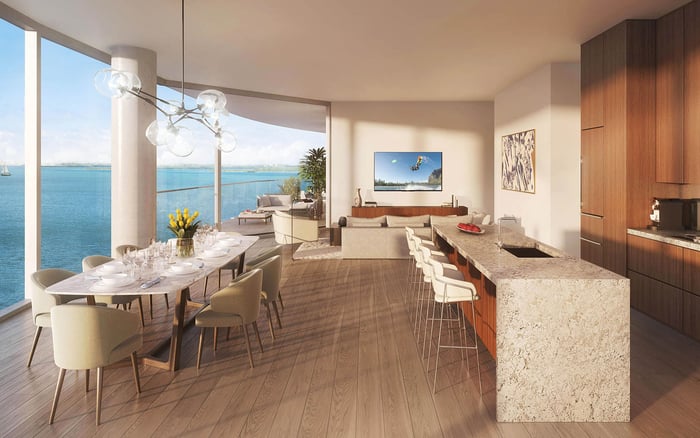
In Miami’s luxury condo market, the most persuasive residence is not always the one with the most cinematic outlook. For discerning buyers, generator coverage has become a critical resilience question, shaping comfort, access, security, and peace of mind when the skyline is no longer the only measure of value.
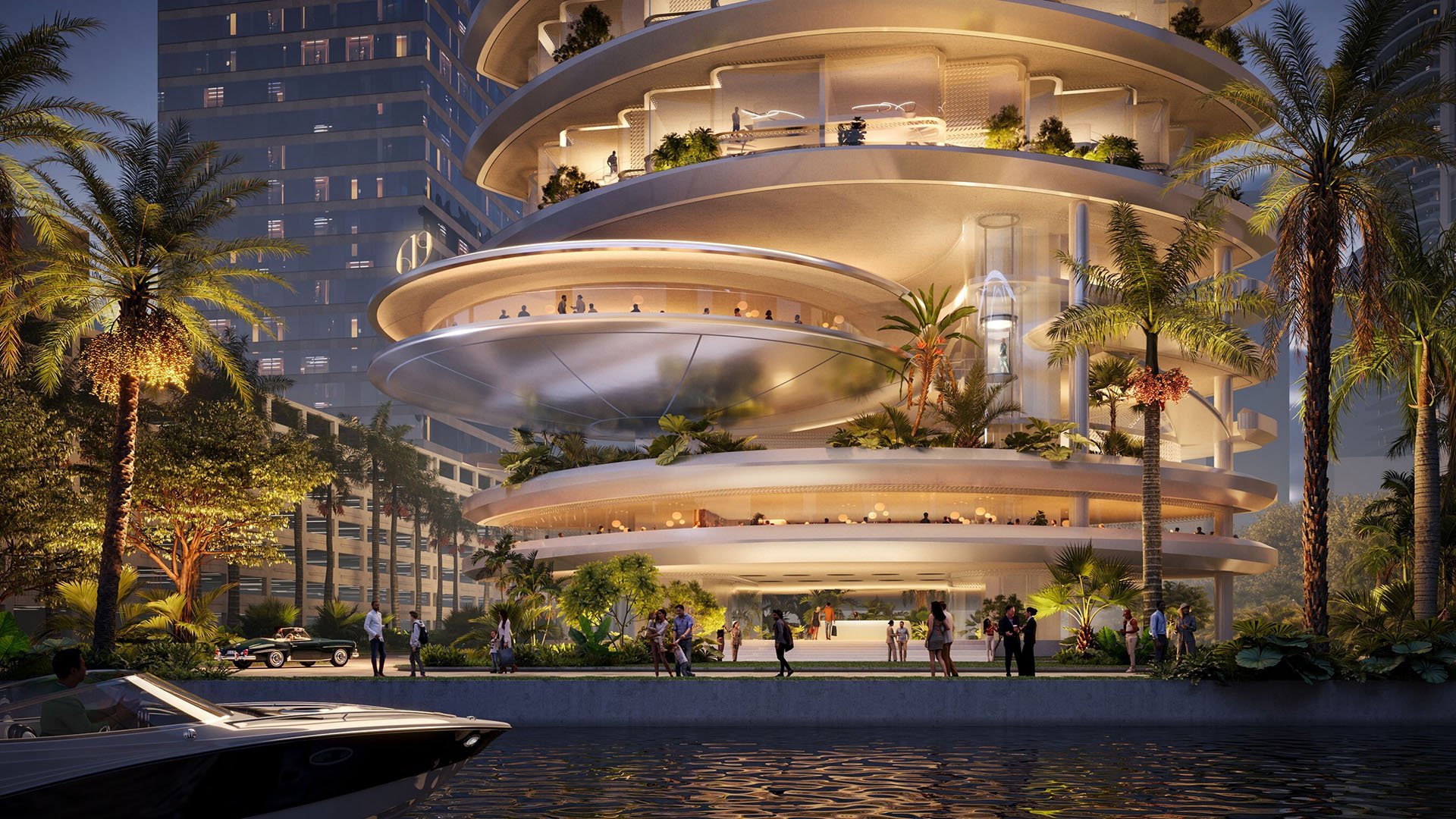
In Miami, the view has long been the opening argument. Biscayne Bay at first light, the Atlantic in silver weather, the downtown skyline after dinner: these are the images that make a buyer pause in the doorway. Yet in a sophisticated condo search, particularly at the upper end of the market, the view is no longer the only measure of a residence’s desirability.
Generator coverage has moved from technical footnote to luxury lifestyle question. Buyers are not simply asking whether a building has backup power. They are asking what the generator actually supports, how long essential systems can operate, and whether the residence remains functional when the outside world becomes inconvenient.
This shift is not anti-view. It is a more mature understanding of value. A dramatic outlook may sell the fantasy, but resilient infrastructure protects the experience of living there.
Luxury buyers in Miami often divide their lives among multiple homes, travel schedules, family obligations, and investment priorities. When they return to a condominium, they expect the residence to perform with discretion. The elevator should be dependable. The lobby should be accessible. Security systems should remain orderly. Garage entry, water pressure, lighting, and basic climate comfort become part of the private luxury equation.
That is why generator coverage can outrank a slightly better exposure or a higher-floor panorama. A buyer comparing Brickell with Miami Beach, Sunny Isles, Coconut Grove, or other prime settings may love the romance of a water view, but still favor the building that answers operational questions clearly. In new-construction searches, the conversation often begins earlier, when buyers can review specifications, planned systems, and the practical philosophy behind the building.
The emotional calculus is simple. A view is enjoyed when everything is working. Backup power matters most when something is not.
The most important question is not, “Does the building have a generator?” It is, “What does the generator cover?” The answer can vary meaningfully by building, and it should be confirmed through appropriate documents, management discussions, and professional review.
A polished buyer should ask whether backup power supports elevators, lobby and corridor lighting, access control, security systems, garage gates, domestic water pumps, fire and life-safety systems, and any portion of in-unit power. If in-unit coverage exists, the next question is whether it supports selected outlets, refrigeration, lighting, air conditioning, or other defined circuits.
The distinction matters. One building may maintain essential common-area functions while leaving residences largely dependent on temporary arrangements. Another may provide a more extensive level of comfort. Neither should be assumed from marketing language alone. Luxury diligence is about precision, not optimism.
Buyers should also ask who maintains the system, how testing is handled, what fuel arrangements exist, and whether any limitations are disclosed in the governing documents. These are not glamorous questions, but they are the questions that determine how gracefully a building performs under pressure.
There are moments when the view remains the dominant factor. A rare line, an irreplaceable waterfront angle, or a residence with a uniquely protected outlook can justify compromise elsewhere, provided the buyer understands the trade. For collectors of setting, architecture, and scarcity, an exceptional view can carry enduring emotional weight.
The key is not to diminish the view. It is to price the risk accurately. If two residences are otherwise comparable, and one building provides more credible resilience, the premium attached to the superior outlook may deserve a second look. This is especially true for owners who plan to occupy the property regularly, host family, maintain staff routines, or depend on the residence during seasonal weather.
A view can be breathtaking and still be less useful than an elevator that operates, a secure entry sequence, and common areas that remain calm.
Miami buyers are fluent in amenity language. They compare spas, pools, lounges, fitness rooms, private dining spaces, and arrival sequences with ease. Infrastructure is quieter. It lives behind panels, in mechanical rooms, and in association budgets. Yet it can be the difference between a beautiful building and a well-governed one.
The strongest buildings tend to communicate infrastructure with confidence. They do not rely on vague assurances. They provide clear answers, organized documentation, and a management culture that understands why high-net-worth residents care about continuity.
For a buyer, generator coverage should be considered alongside reserves, maintenance discipline, insurance posture, staffing, service standards, and the physical condition of core systems. The residence itself may be impeccable, but the building is the vessel that protects it.
This is where a refined search becomes less about spectacle and more about stewardship. The buyer is not only purchasing a floor plan. The buyer is entering an operating environment.
When two condos are close in size, finish level, and location, generator coverage can become a rational tie-breaker. Begin with lifestyle mapping. How often will the residence be occupied? Will children, older relatives, pets, or staff be present? Is the owner frequently away, making remote building stability more important? Does the buyer need refrigeration, communications, lighting, or climate comfort to remain dependable for personal or professional reasons?
Then compare the buildings, not just the units. Ask for the same generator-related information from each property. Review what is covered, what is excluded, and what remains subject to association decision-making. If one building answers crisply and the other relies on generalities, that tells its own story.
Finally, consider resale psychology. Future buyers may increasingly value resilient systems as part of the luxury package. The best view in the stack will always matter, but confidence in building performance can broaden appeal, especially among experienced owners who have lived through operational inconvenience elsewhere.
At the highest level, luxury is not merely beauty. It is continuity. It is the ability to live well without friction, to welcome guests without apology, and to trust that the building’s private world remains composed.
That is why generator coverage belongs in the first round of questions, not at the end of due diligence. It helps distinguish a residence that photographs beautifully from one that supports the life a buyer intends to live.
The Miami condo search will always be seduced by water, light, and elevation. But the most discerning buyers know that the quiet systems behind the walls can be just as important as the horizon beyond the glass.
Does generator coverage matter more than a view? It can, particularly for buyers who prioritize access, comfort, and continuity during outages. The best choice depends on lifestyle, occupancy, and tolerance for disruption.
What should I ask before buying a Miami condo? Ask exactly what the generator powers, including elevators, security, water systems, garage access, common areas, and any in-unit circuits. Do not rely on a general statement that backup power exists.
Is in-unit generator power always included? No, it should never be assumed. Some buildings may support only essential common-area systems, while others may offer more extensive coverage.
Can generator coverage affect resale value? It may influence buyer confidence, especially among purchasers who understand building operations. Resilience can strengthen the overall appeal of a residence.
Should I review condo documents for generator details? Yes, generator-related details should be reviewed through appropriate building documents and professional guidance. Management answers should be clear and consistent.
Is a higher floor less attractive without strong backup systems? It depends on the buyer, but elevator reliability and building access become more important as floor height increases. A beautiful elevation still requires practical support.
Do luxury amenities matter less than infrastructure? Amenities matter, but infrastructure determines how well the building functions when conditions are imperfect. The best luxury properties balance both.
How should second-home buyers think about generator coverage? Second-home owners should consider how the building performs when they are away. Security, access control, and management discipline can be especially important.
Can I compare generator coverage between buildings easily? Yes, if you ask the same questions of each building and request clear answers. Comparable diligence helps reveal which property is better prepared.
What is the simplest takeaway for Miami condo buyers? Treat generator coverage as a core feature, not a technical afterthought. The right building should offer beauty, service, and operational confidence.
When you're ready to tour or underwrite the options, connect with MILLION.
If branded residences are on your mind — as a home or as an allocation — we would be glad to share what we are seeing, privately.
Begin a quiet conversation