A discreet buyer’s guide to evaluating Sunny Isles Beach residences through the lens of private-club adjacency, daily access, privacy, service culture, and long-term lifestyle fit.
For a certain buyer, the question is not simply whether a residence is beautiful. It is whether the address supports a private rhythm: breakfast before a tee time, an early training session, a late dinner after a club event, or a quiet return from the marina without passing through the intensity of a hotel lobby. In Sunny Isles Beach, that calculus is especially refined because the city offers Oceanfront condominium living while remaining connected to the broader north Miami corridor.
Private-club adjacency is not a synonym for being next door to a club. It is a practical measure of how well a residence supports club life. The right fit may depend on where a buyer holds memberships, where children or guests spend weekends, where a driver can stage, and how often the owner moves between the beach, Aventura, Bal Harbour, Miami Beach, and private aviation routes.
This is why Sunny Isles Beach attracts a particular kind of purchaser. The setting can deliver high-floor water views, direct beach routines, and a quieter residential profile than denser urban districts, while still keeping a buyer within reach of private golf, yachting, racquet, dining, and wellness circles elsewhere in the region.
The first step is not choosing a floor plan. It is mapping the weekly routine. Buyers should identify the club experiences that matter most: golf, marina access, tennis, padel, wellness, dining, children’s programming, guest entertaining, or reciprocal travel. A residence that serves a daily club member may not be the same residence that serves a seasonal owner who entertains at formal events a few times per year.
A practical buyer should consider three questions. How often will the club be used during peak season? Who travels with the owner, including family, staff, drivers, trainers, or guests? What should the return home feel like after the club? For many ultra-premium buyers, the last question is decisive. A private-club day should not end in congestion, noise, or compromised privacy.
Sunny Isles Beach works best for buyers who want a beach residence as the calm center of a broader lifestyle network. The home is not necessarily the club itself. It is the private base from which club life becomes effortless.
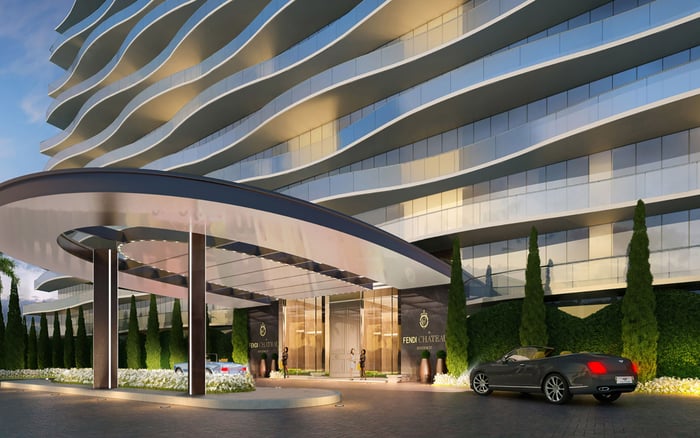
Club-oriented buyers should inspect a building’s approach with the same discipline they bring to interiors. The porte cochere, valet choreography, garage entry, service elevators, package handling, and guest drop-off sequence all influence daily satisfaction. A residence may have a commanding view, but if the arrival experience feels exposed or inefficient, the lifestyle promise weakens.
This is particularly relevant in Sunny Isles Beach, where many buyers prioritize discretion. A successful building should make transitions feel simple: from car to elevator, from beach to residence, from dinner jacket to private terrace. Buyers comparing Bentley Residences Sunny Isles with established Oceanfront addresses, for example, may place as much emphasis on arrival privacy and vehicle movement as on skyline drama.
The same principle applies to guests. If entertaining is central to the private-club lifestyle, the building should receive guests with polish, not spectacle. The most luxurious arrival is often the one with the least friction.
The essential trade-off in Sunny Isles Beach is elegant but real. Oceanfront living gives the owner a daily resort atmosphere, sunrise exposure, and immediate beach access. Club proximity may require a short drive to reach a specific golf, yacht, or social setting outside the city. The buyer must decide which element deserves primacy.
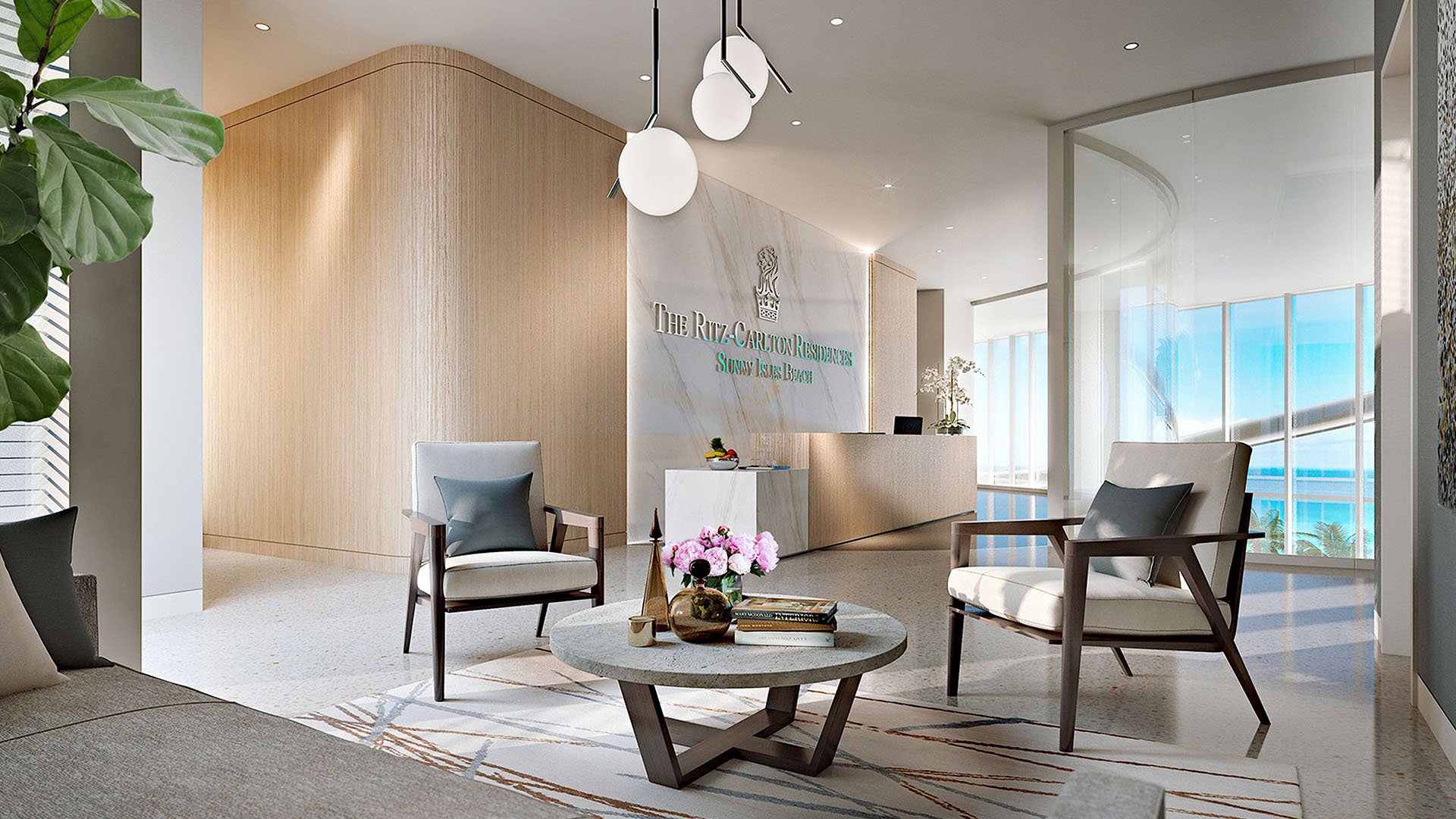
For many purchasers, the correct answer is Oceanfront first, club adjacency second. The beach is used daily, even when a club is not. A terrace, a morning swim, and a quiet building culture can define the owner’s life more consistently than formal club programming. This is where properties such as The Ritz-Carlton Residences® Sunny Isles enter the conversation for buyers who want a residential environment shaped around service, water, and private retreat.
Others may prefer to be positioned for quick movement inland or south, especially if family routines revolve around Aventura or a specific private facility. In that case, the best residence may not be the most dramatic tower, but the one that simplifies daily routes.
A private-club buyer is accustomed to recognition without intrusion. That expectation should carry into the building. Staff should understand privacy, guest sensitivity, delivery protocols, and seasonal occupancy patterns. Amenities should feel maintained and intentional rather than crowded or theatrical.
Buyers should walk the lobby at different times of day, observe how staff interacts with residents, and assess whether the building feels calm under pressure. The right atmosphere is difficult to quantify, but easy to feel. It is the difference between luxury as display and luxury as competence.
Residences such as St. Regis® Residences Sunny Isles may appeal to buyers who want a recognizable service vocabulary, while other buyers may prefer a more understated building where privacy and low visibility are the highest forms of comfort. Neither approach is universally superior. The fit depends on how the owner lives.
Private-club adjacency often comes with equipment and logistics. Golf bags, racquets, beach gear, formalwear, catering deliveries, wine storage, children’s items, and seasonal luggage all need a place to disappear. Buyers should scrutinize service corridors, storage opportunities, laundry capacity, back-of-house access, and elevator separation.
A spectacular residence can feel inadequate if the operational layer is thin. Owners who entertain frequently should study kitchen flow, staff circulation, powder room placement, and whether guests can move naturally between living areas and terraces. Beach access is valuable, but it becomes more valuable when the building also supports the quiet mechanics of high-level ownership.
For this reason, larger residences and well-planned floor plates may outperform smaller showpieces for club-oriented buyers. The home should make elegant living look effortless, even when the schedule is full.
The strongest comparison framework begins with lifestyle, then tests the real estate. Start with daily routes, preferred clubs, airport patterns, family obligations, and guest frequency. Then compare buildings by privacy, arrival, service, views, outdoor space, storage, and long-term maintenance culture.
Buyers considering Turnberry Ocean Club Sunny Isles may be drawn to the idea of an elevated coastal residence that supports entertaining and an amenity-rich lifestyle. Others may gravitate toward more boutique-feeling environments, or toward newer branded projects where design language and service identity are central to the purchase decision.
The best Sunny Isles Beach purchase is rarely the one with a single winning attribute. It is the address where every part of the owner’s day feels considered: the drive to a club, the return from dinner, the morning on the sand, the movement of guests, and the privacy of the elevator ride home.
Before writing an offer, buyers should verify the realities behind the lifestyle promise. Drive the routes at the times they will actually be used. Confirm guest parking and valet procedures. Understand how the building handles contractors, deliveries, security, beach service, and staff access. Ask whether the condominium culture is social, private, seasonal, family-oriented, or investor-heavy.
The phrase private-club adjacency should be treated as a performance standard, not a marketing phrase. It should mean that the residence makes a demanding lifestyle easier. In Sunny Isles Beach, the right address can be a serene Oceanfront counterpoint to the energy of clubs, marinas, restaurants, and cultural commitments across South Florida.
Is Sunny Isles Beach a good fit for private-club buyers? Yes, particularly for buyers who want a beach residence that remains connected to club, dining, marina, and Aventura routines.
Should I prioritize Oceanfront living or proximity to a specific club? Prioritize the place you will use every day. For many buyers, that means Oceanfront living first and club access second.
What does private-club adjacency really mean? It means the residence supports the owner’s club lifestyle through convenient routing, privacy, service, storage, and guest logistics.
Are branded residences better for club-oriented buyers? They can be, especially when the buyer values recognizable service culture. The building’s actual operations matter more than the name alone.
How important is valet and arrival design? Very important. A refined arrival sequence protects privacy and makes daily club use feel effortless.
Should seasonal owners evaluate buildings differently? Yes. Seasonal owners should focus on lock-and-leave confidence, staff communication, maintenance standards, and guest handling.
What should golfers look for in a Sunny Isles Beach residence? Golf-oriented buyers should study routes, storage, car access, early-morning departures, and post-round privacy.
Does beach access matter if I mainly use private clubs? Yes. Beach access adds daily value and gives the residence an independent lifestyle beyond formal club programming.
How should I compare newer projects with established buildings? Compare service, privacy, floor plans, amenity relevance, and how each building feels during peak hours.
What is the best way to shortlist comparable options for touring? Start with location fit, delivery status, and daily lifestyle priorities, then compare stacks and elevations to validate views and privacy.
For a tailored shortlist and next-step guidance, connect with MILLION.
If branded residences are on your mind — as a home or as an allocation — we would be glad to share what we are seeing, privately.
Begin a quiet conversation