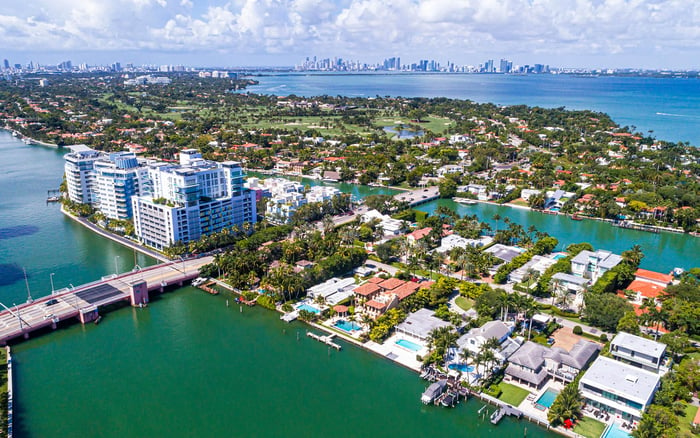
A South Florida luxury purchase is as much a question of execution as lifestyle. Condominium project eligibility, waterfront valuation, ownership planning, and contract timing deserve separate scrutiny before a buyer commits.
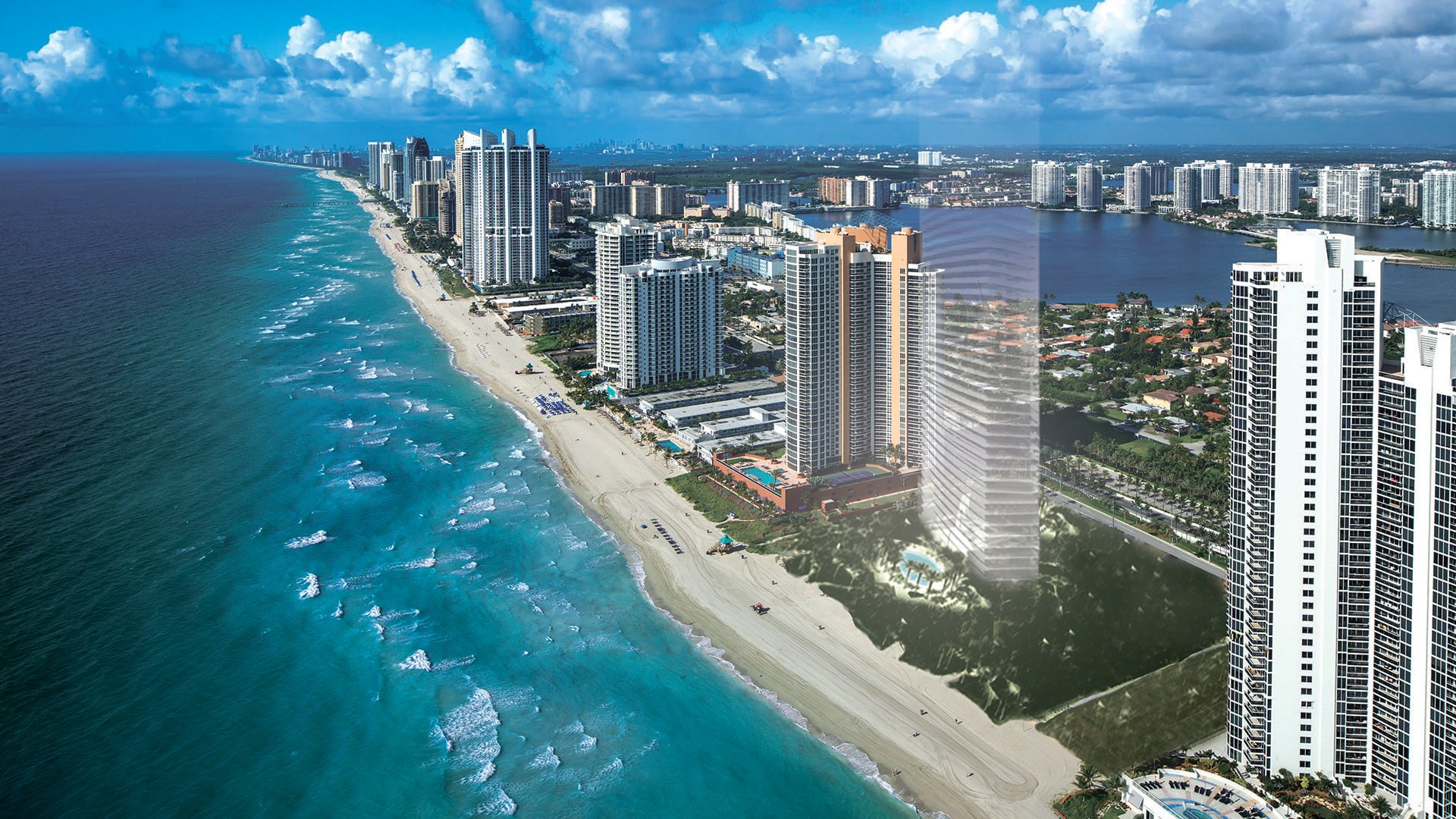
The choice between a luxury condominium and a waterfront estate is usually framed around lifestyle: a managed residence versus a more individual property. For a South Florida buyer, an equally important distinction lies beneath the purchase agreement: what must be approved, what must be valued, and what must be resolved before closing?
A strong personal balance sheet does not settle every question. Condominium financing can depend on the building’s eligibility as well as the borrower’s qualifications. A distinctive waterfront estate may pose a different challenge when genuinely comparable sales are scarce. Ownership structure and closing flexibility warrant separate discussions, not assumptions carried over from an earlier purchase.
The useful comparison is not which category is inherently safer. It is which property, financing arrangement, and timetable align with the buyer’s priorities while leaving the fewest conditions unresolved.
Effective August 3, 2026, Fannie Mae retired Limited Review and Freddie Mac ended its comparable Streamlined Review process for affected condominium loans. Many conventional condominium loans consequently require Full Review of the project alongside underwriting of the individual buyer.
The distinction matters. A financially qualified purchaser can still be denied financing if the condominium project fails the lender’s eligibility review. Association budgets, reserves, insurance, owner delinquencies, and repair obligations all enter the analysis. Litigation, special assessments, deferred maintenance, and critical repairs can also affect eligibility.
For a buyer considering Una Residences Brickell, the practical question is not whether a Brickell address feels financeable. It is which review applies to the proposed loan and what documentation the lender requires for that purchase. This is a diligence principle, not a statement about any named project’s eligibility.
Agency requirements are not universal rules for jumbo, portfolio, or private-bank financing. Ask the proposed lender to identify the financing channel and project-review requirements before relying on a general preapproval.
Florida’s building-safety obligations and a lender’s financing standards are related considerations, not interchangeable approvals.
Florida’s 2025 legislation revised milestone-inspection coverage to qualifying condominium and cooperative buildings with three or more habitable stories. Milestone inspections address structural integrity. A Phase 1 visual inspection can lead to a Phase 2 evaluation when substantial structural deterioration is identified. Structural-integrity reserve studies can also expose owners to additional reserve funding or assessment obligations.
The 2025 legislation extended certain reserve-study requirements by one year and allowed a two-year pause in reserve contributions, subject to applicable conditions, to prioritize critical repairs. Temporary contribution relief does not eliminate the underlying repair obligations.
When comparing a Miami Beach residence such as The Perigon Miami Beach with an estate alternative, keep the inquiry specific: which inspection and reserve requirements apply, which documents are available, and how will the proposed lender evaluate them? A property’s design or positioning cannot substitute for those answers.
The August 2026 review changes are separate from the next reserve-contribution milestone. For applicable loans dated on or after January 4, 2027, Fannie Mae’s minimum replacement-reserve contribution is scheduled to increase from 10% to 15% of annual budgeted income.
This is not a universal buyer down-payment requirement or a blanket rule for every luxury mortgage. Buyers approaching that date should ask which requirements govern their specific loan and whether the association’s budget satisfies the applicable review.
Project size also warrants clarification. Projects with more than 10 units are generally more exposed to expanded review requirements, while eligible small projects may qualify for specified waivers. Small scale alone does not establish eligibility.
In Florida, new or newly converted attached-unit condominium projects may use lender-delegated Full Review rather than mandatory submission through Fannie Mae’s Project Eligibility Review Service. That changes the review route, not the need to establish eligibility.
A waterfront estate can raise a valuation question distinct from condominium project review. Genuinely comparable sales for an unusual waterfront property may be scarce, making appraisal a potential transaction bottleneck.
That does not mean every waterfront estate is harder to appraise than every luxury condominium. The relevant questions are whether the proposed purchase has sufficiently useful comparables and whether the valuation process fits the intended closing schedule.
Before committing, ask the lender how it will approach the property’s valuation. Discuss with counsel what the proposed contract would require if the appraisal does not support the purchase price. Do not assume a particular appraisal-gap remedy or a right to extend closing.
An oceanfront condominium alternative in Surfside, including The Surf Club Four Seasons Surfside, warrants the same disciplined attention to valuation. Inclusion in a shortlist does not establish appraisal certainty or financing approval.
Title structure belongs in a coordinated legal and financing discussion, not among last-minute preferences. If the buyer is considering an LLC or trust, ask counsel and the lender to evaluate the proposed arrangement before committing to it.
The questions are concrete: who will be the borrower, who will hold title, and what documentation will each party require? Do not assume tax savings, privacy protections, liability outcomes, or lender acceptance. Those conclusions require advice specific to the buyer and transaction.
For a waterfront estate, ask counsel whether any water-access or riparian-rights questions require investigation. Do not infer legal rights from the appearance of the shoreline or the appeal of the setting.
Address closing flexibility through the proposed agreement, not through expectations about what a seller or lender will accommodate. Ask counsel to explain financing and appraisal contingencies, documentation deadlines, and any extension provisions before signing.
For a condominium purchase, request association materials early and establish when the lender can assess project eligibility. For a distinctive estate, discuss appraisal timing early enough to inform the contract calendar. In either case, coordinate the intended title structure with the financing team.
A Sunny Isles Beach shortlist that includes Turnberry Ocean Club Sunny Isles calls for the same sequencing discipline as a waterfront estate search. No named residence should be presumed eligible, deficient, or certain to close on a particular timetable.
The better purchase is the one whose obligations and unresolved decisions the buyer understands before committing. Choose the lifestyle deliberately, then give the transaction equal attention.
Explore South Florida residences with MILLION to shape a shortlist around both lifestyle and purchase priorities.
If branded residences are on your mind — as a home or as an allocation — we would be glad to share what we are seeing, privately.
Begin a quiet conversationYes. A buyer can satisfy personal underwriting requirements while the condominium project fails the lender’s eligibility review.
Fannie Mae retired Limited Review and Freddie Mac ended its comparable Streamlined Review process for affected condominium loans. Many conventional condo loans consequently require Full Review.
No. Jumbo, portfolio, and private-bank financing should not be assumed to follow identical agency requirements; confirm the proposed lender’s standards.
Review examines association budgets, reserves, insurance, owner delinquencies, and repair obligations. Litigation, special assessments, deferred maintenance, and critical repairs can also affect eligibility.
For applicable loans dated on or after that date, Fannie Mae’s minimum replacement-reserve contribution is scheduled to rise from 10% to 15% of annual budgeted income.
No. The conditional two-year pause in reserve contributions was intended to prioritize critical repairs, not eliminate the underlying obligations.
Florida’s 2025 legislation revised coverage to qualifying condominium and cooperative buildings with three or more habitable stories. Buyers should confirm applicability to the specific building.
No universal comparison is established. Distinctive waterfront properties can face appraisal challenges when genuinely comparable sales are scarce.
No. Ask counsel and the lender to evaluate the intended borrower and title arrangement before committing, without assuming legal, tax, or financing outcomes.
Do not assume an automatic extension. Ask counsel to explain the proposed contract’s deadlines, contingencies, and any extension provisions before signing.