Mandarin Oriental’s planned West Palm Beach residences promise a layered wellness setting, but second-home buyers should distinguish advertised amenities from written commitments on capacity, guest access, independent practitioners, and seasonal service.
For a second-home buyer, the most valuable wellness amenity is not necessarily the most elaborate. It is the one that fits reliably into a short stay: a morning workout without a wait, a treatment at a convenient hour, or access for a familiar trainer who can maintain an established routine. That distinction is central to assessing Mandarin Oriental Residences, West Palm Beach.
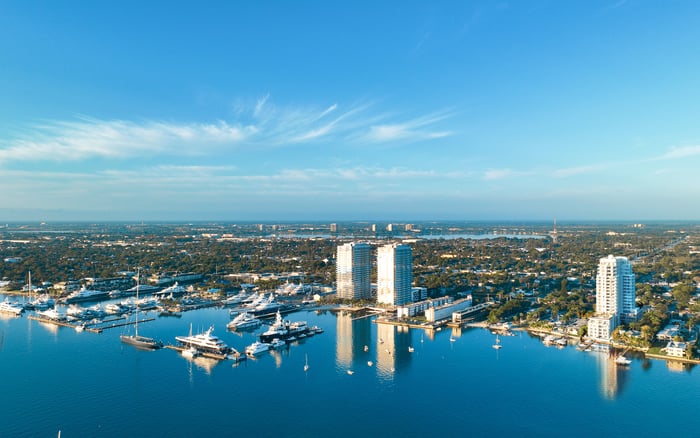
Planned for 5400 N. Flagler Drive on the Intracoastal waterfront, the development is a partnership with Great Gulf and Mandarin Oriental's first standalone residential offering in South Florida, with an anticipated opening in 2031. This is an assessment of a planned offering, not a firsthand review of an operating property.
The advertised wellness program is substantial. Its practical value, however, depends on three unresolved questions: how many people the facilities can comfortably serve, who may use them, and whether an owner's independent practitioners can work within them. An unpublished rule is neither permission nor prohibition.
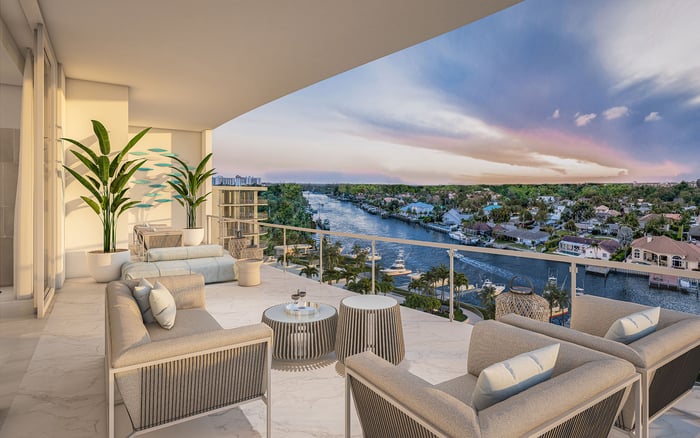
The planned amenity program spans three levels, encompassing waterfront facilities, a rooftop retreat, and a private spa. The rooftop wellness offering includes a fitness center, yoga and Pilates studio, and outdoor meditation terrace. A fitness center and spa treatment rooms are also expressly identified in the residential offering.
The broader waterfront program includes wellness facilities, a private screening room, a social lounge, and a business lounge. Personalized concierge service and bespoke wellness programs are promoted alongside housekeeping, in-residence dining, valet, and personal training. Pricing, staffing ratios, and response-time commitments are not published in the reviewed materials.
More detailed spa descriptions include private and couples' treatment rooms, a salt tepidarium, cold plunge, steam room, and infrared sauna. These should be checked against final developer specifications. Advertised advanced recovery features, including hyperbaric equipment and light-based therapies, should remain provisional rather than be treated as operating commitments. Their inclusion in the advertised program does not establish that medical services are approved or available.
The reviewed amenity materials do not publish maximum occupancy or practical capacity for the gym, studios, treatment rooms, or recovery spaces. Nor do they establish reservation procedures or peak-season access limits. Three amenity levels describe the program's organization, not the number of residents who can enjoy it simultaneously.
Request the residence count, amenity floor areas, treatment-room count, and occupancy limits. Then ask how the operator expects those spaces to function during winter-season demand. A gym's permitted occupancy is not the same as comfortable access to preferred equipment; treatment rooms also require practitioners and available appointments.
Present a proposed itinerary: two owners seeking morning workouts, a visiting family member requesting Pilates, and consecutive afternoon treatments. Ask which activities require reservations, what booking windows apply, and how cancellations or recurring appointments would work. These are proposed scenarios, not established project policies.
Buyers also considering Alba West Palm Beach can use the same questions to structure their comparison, without assuming either development has equivalent facilities or access rules.
The reviewed public materials do not specify nonresident guest eligibility for the spa, gym, treatment rooms, recovery equipment, or pools. Guest accompaniment, advance registration, age restrictions, and repeated or extended amenity use are likewise undefined. The description of a private spa does not clarify whether treatments will be resident-exclusive or available to outside clientele.
For an owner who regularly hosts family, these distinctions deserve written answers. Separate overnight visitors from day guests, accompanied visitors from unaccompanied ones, and brief stays from extended occupancy. Ask specifically about children, caregivers, and tenants rather than relying on a general assurance that guests are welcome.
Establish whether permission changes while the owner is away. A family member authorized to enter a residence may not have the same entitlement to reserve a treatment or use recovery equipment. Confirm registration procedures, applicable charges, and whether guest use counts against an owner's booking allowance, if one is adopted.
Advertised personal training does not establish a right to bring an outside trainer. The reviewed materials do not establish whether independent practitioners may use common-area facilities, require operator approval, or incur access fees. This matters to buyers whose routines depend on a particular instructor, therapist, or other practitioner.
Distinguish access to the private residence from permission to conduct sessions in shared facilities. Ask separately about in-residence visits, gym sessions, studio bookings, and treatment-room use. Obtain proposed vendor-approval requirements, insurance standards, equipment-use restrictions, fees, and recurring-visit rules, including whether approval must be renewed.
For a buyer weighing Mr. C Residences West Palm Beach alongside this offering, practitioner access is a useful comparison question, not a basis for assuming shared policies. The relevant test is whether each property's written arrangements can accommodate the buyer's routine.
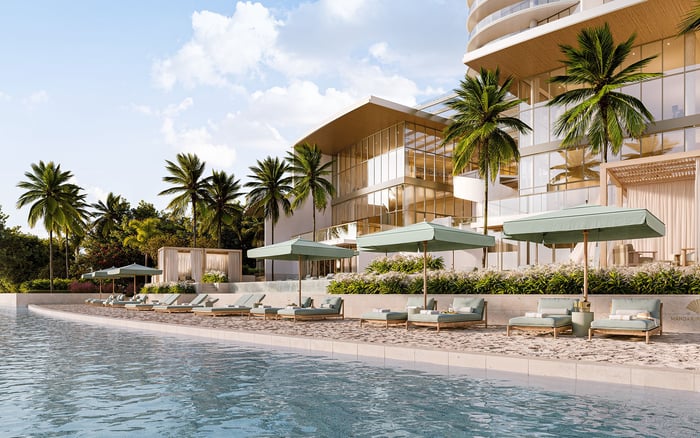
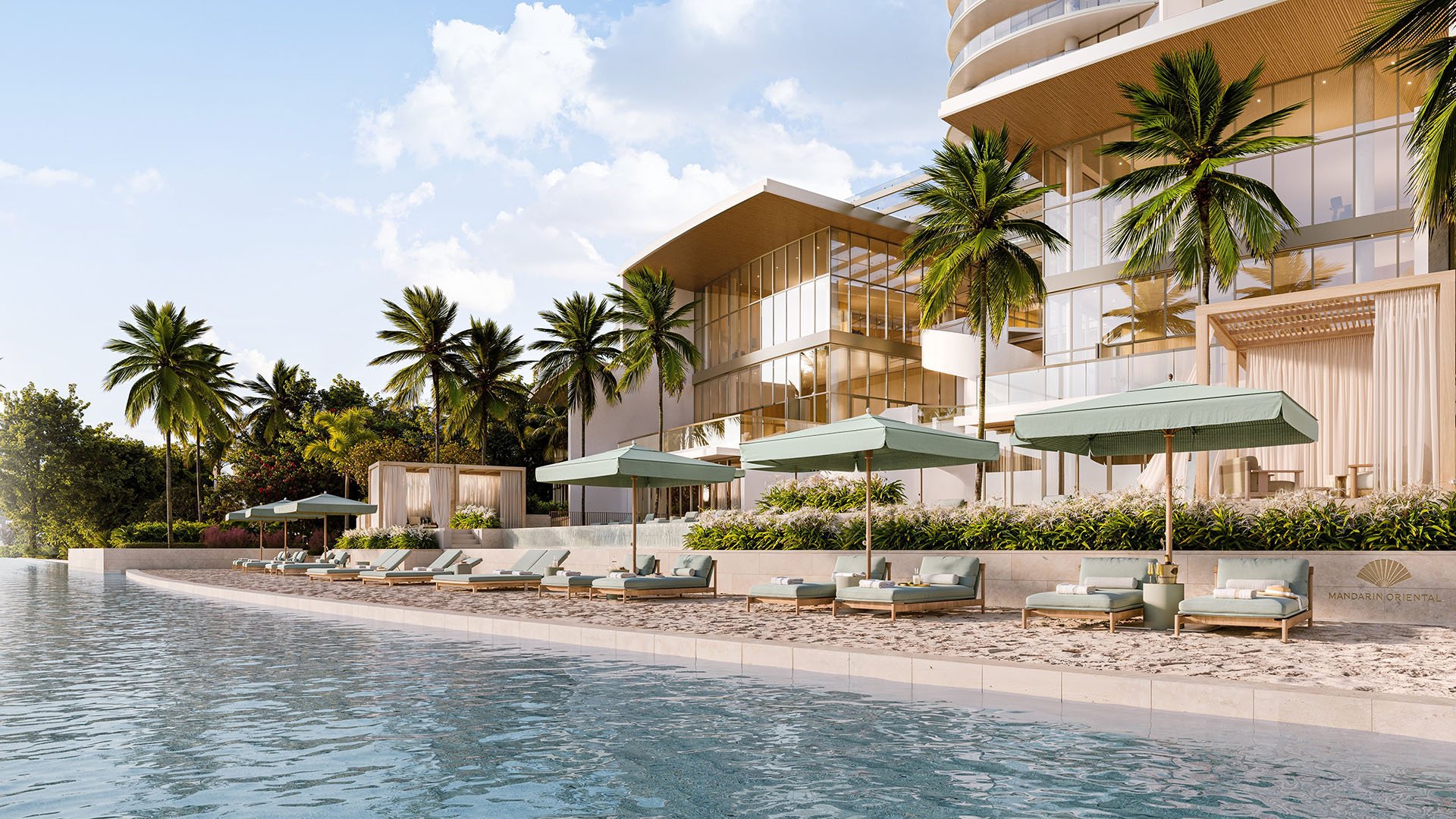
The offering includes a rooftop lounge with an infinity pool and a separately advertised private waterfront pool. The waterfront pool setting is also described with poolside cabanas and a bar beside the Intracoastal Waterway. These are appealing settings for a stay, but they do not establish usable capacity or guaranteed seating.
Pool capacity and cabana-allocation rules are not established in the reviewed materials. Ask whether cabanas would be reservable, subject to charges, or allocated by another system. Clarify guest limits, operating hours, and any distinctions between access to the rooftop and waterfront facilities.
When comparing the waterfront experience with Forté on Flagler West Palm Beach, keep the inquiry focused on documented access rather than imagery. A pool's setting and an owner's ability to enjoy it on a preferred afternoon are separate considerations.
A second residence should be easy to prepare before arrival. Request remote booking and authorization procedures for wellness appointments, housekeeping, dining, and practitioner visits. Establish which services can be arranged during an owner's absence, who may authorize charges, and whether visiting family can make reservations independently.
Ask for service charges, operating hours, and winter-season staffing schedules. Bespoke programming is attractive, but its usefulness depends on appointment availability and a clear booking process. Written terms should distinguish included access from separately charged services and identify which arrangements remain subject to change.
The planned combination of fitness, spa, meditation, and waterfront leisure makes this a compelling offering to examine. It does not yet establish dependable wellness access for a particular household. Before treating the program as a purchase advantage, request final specifications and proposed operating policies, and have counsel review the relevant governing documents and commitments.
With 2031 an anticipated opening rather than a guaranteed delivery date, amenities and policies may change. The strongest buying position is conditional confidence: appreciate the setting and service ambition while securing clarity on the routines that matter most.
For a discreet perspective on South Florida second-home choices, explore MILLION.
If branded residences are on your mind — as a home or as an allocation — we would be glad to share what we are seeing, privately.
Begin a quiet conversationThe project is planned for 5400 N. Flagler Drive on West Palm Beach's Intracoastal waterfront.
The anticipated opening is 2031. Delivery timing, amenities, and operating policies may change before completion.
The offering includes a fitness center, yoga and Pilates studio, outdoor meditation terrace, and spa treatment rooms within a three-level amenity program.
The reviewed materials do not publish practical capacity or maximum occupancy for the gym, studios, treatment rooms, or recovery spaces. Buyers should request room counts, floor areas, occupancy limits, and staffing schedules.
Nonresident guest eligibility is not specified in the reviewed public materials. Obtain written policies covering accompaniment, registration, children, and extended stays.
The public project information does not clarify whether treatments will be resident-exclusive or available to outside clientele.
Common-area practitioner access is not established. Permission to enter a private residence should be distinguished from approval to conduct sessions in shared facilities.
The offering includes a rooftop infinity pool and a separate private waterfront pool. Pool capacity and cabana-allocation rules are not established in the reviewed materials.
Advertised hyperbaric equipment and light-based therapies should be verified against final specifications. They do not establish that medical services are approved or available.
Request written capacity, reservation, guest, and practitioner policies, together with service charges, operating hours, and remote authorization procedures. Review final specifications and relevant governing documents with counsel.