For a Seoul-based buyer, a Surfside second home and a Florida yacht require separate but coordinated plans. Marina agreements, local decision-making authority, crew arrangements, and an early hurricane response deserve as much attention as the residence itself.
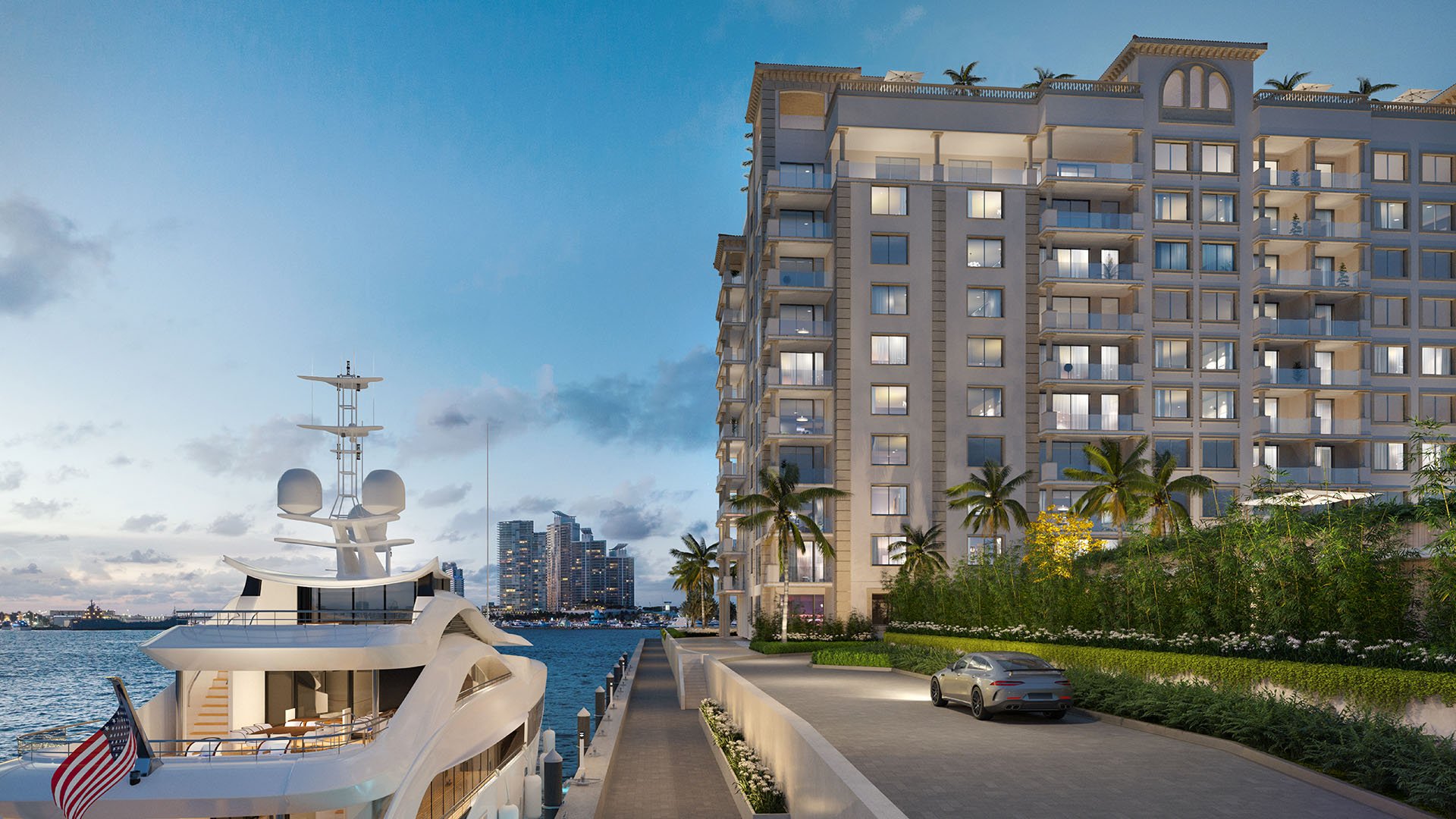
A move from Seoul to Surfside promises an elegant rhythm: a residence for extended coastal stays, a yacht ready for time on the water, and a local team maintaining continuity between visits. Making that rhythm dependable means treating the home and vessel as separate assets with coordinated operating plans. A residential address is not a berth reservation, and a berth reservation is not a hurricane strategy.
For buyers considering The Surf Club Four Seasons Surfside, the question is not simply where the yacht will sit. It is who can reach it, who can authorize work, and where it can go when conditions change. Establish those answers independently of any assumptions about residential amenities.
The most valuable preparation comes before either commitment becomes difficult to unwind. Evaluate the residence, everyday boating access, and storm arrangements together, while keeping their contracts and responsibilities distinct.
Bill Bird Marina warrants investigation as a departure option for a Surfside stay-not as confirmation of long-term slip availability, yacht-size compatibility, or pricing. Miami Beach, downtown Miami, and Coconut Grove also merit consideration, without assuming that any particular facility can accommodate the vessel.
Begin marina discussions with a vessel-specific brief. Ask the operator to confirm accommodation, access arrangements, service permissions, and the terms under which the yacht may remain. Request written answers rather than relying on a general impression of boating convenience.
Read the marina lease alongside its hurricane or disaster plan. Distinguish what the owner must do from what the facility undertakes, including responsibilities and liabilities. A berth that works beautifully during a holiday may impose very different obligations when severe weather approaches.
For a buyer evaluating Arte Surfside, marina suitability remains a separate diligence exercise. Do not infer yacht access, slip rights, or storm protection from the residential purchase.
Approach international yacht relocation as a sequence of confirmed arrangements, not a single estimated arrival date. Before committing, request written proposals from qualified transport and maritime advisers covering departure, arrival, receiving arrangements, and handover responsibilities.
Pricing, transit timing, customs treatment, and entry documentation require advice specific to the yacht and ownership structure. Do not build the first Florida visit around an assumed shipping schedule or treat a transport quotation as proof that every arrival requirement has been resolved.
A practical commissioning brief should identify who accepts the vessel, checks its condition, holds the relevant records, and coordinates its move to the agreed berth. Ask how delays would affect receiving arrangements and local support.
Keep the residence timeline distinct. A purchase at Ocean House Surfside can be evaluated on its own terms while the yacht's arrival remains subject to separately confirmed arrangements. The goal is a coordinated handover, not dependence on every component arriving simultaneously.
For an owner who spends substantial time in Seoul, the decisive luxury is continuity. A named local captain or caretaker should know the vessel's plan, hold current emergency contacts, and understand the limits of their authority. Identify a backup so the arrangement does not depend entirely on one person's availability.
Put permissions in writing. Establish who may authorize routine work, request emergency assistance, release records, or initiate a pre-agreed storm relocation. Confirm those permissions with the marina and relevant advisers; never assume caretaker authority.
Crew immigration, employment, and contractual obligations require specialist advice before assignments are finalized. Keep these questions separate from the practical task of arranging local vessel oversight.
A friend or family member can also assist with the hurricane plan when the owner is unavailable. Rehearse communications with everyone involved, including what happens when a decision cannot wait for a response from Seoul.
A useful hurricane plan answers three questions before a storm threatens: where the vessel will go, what preparation is required, and when action begins. Identify at least two possible courses of action and potential ports or hurricane havens, then confirm which options are realistic for the yacht.
Do not label a destination safe merely because it appears sheltered. Protected berths, haul-out arrangements, relocation deadlines, and access conditions require facility-specific confirmation. Monitor official tropical-cyclone advisories, and have the captain assess the vessel's closest point of approach to the cyclone when evaluating marine operating decisions.
The local access threshold matters: marinas close when sustained winds reach 39 mph. That is not a recommended departure trigger. Preparation and any relocation must happen well before access becomes restricted, with earlier operating deadlines confirmed directly with the marina.
The plan must protect people as well as property. Never ride out a hurricane aboard a boat. Crew arrangements should include a separate shoreside safety plan, not an expectation that someone will remain aboard to protect the asset.
For trailerable boats, hauling out and moving to a safe location as far from tidal waters as possible is recommended. For yachts remaining in marina berths, preparations include doubling lines, rigging cross-spring lines fore and aft, and attaching dock lines high on pilings to accommodate tidal rise and storm surge. Have the captain confirm the arrangement against the actual berth.
If anchoring is part of the agreed plan, select the most protected available location and use multiple anchors with at least a 10:1 scope. This does not replace an assessment of whether anchoring suits the vessel and conditions.
Check fuel systems, batteries, charging systems, bilge pumps, firefighting equipment, dock lines, ground tackle, and chafe protection. Remove or secure items that increase wind resistance. Stow removable furnishings and equipment, including cushions, canvas, Bimini tops, sails, and dinghies as applicable.
Consolidate current vessel records, insurance information, and emergency contacts. Rehearse access, communications, and decision-making before urgent conditions expose a gap.
Whether the residential shortlist includes The Delmore Surfside or another address, the standard is the same: a home chosen for living well, a berth chosen for operational fit, and a local team authorized to act.
The reward is not freedom from planning. It is freedom from reconstructing the plan during every visit or weather alert. For a Seoul-based owner, that distinction makes the coastal experience more dependable without confusing residential services with vessel management.
Explore your South Florida second-home options with MILLION.
If branded residences are on your mind — as a home or as an allocation — we would be glad to share what we are seeing, privately.
Begin a quiet conversationDo not assume a residential purchase includes a berth or slip rights. Confirm marina arrangements separately from the home's contracts and services.
Treat it as a departure option to investigate, not confirmation of a permanent slip. Availability, vessel compatibility, and pricing require direct confirmation.
Review the owner's and marina's responsibilities and liabilities alongside the facility's hurricane or disaster plan. Confirm what the owner must arrange before severe weather.
Request vessel-specific written proposals from qualified transport and maritime advisers. Confirm pricing, timing, receiving arrangements, and customs questions before committing.
Name a local captain or caretaker, identify a backup, and establish written authority. Include current emergency contacts and a procedure for time-sensitive decisions.
No. Obtain specialist advice specific to the proposed crew arrangements before finalizing assignments or contracts.
Decide where the vessel will go, what preparations are required, and when action begins. Confirm that the destination and timing are feasible for the yacht and marina.
Marinas close when sustained winds reach 39 mph. Complete preparation and any relocation beforehand, and confirm earlier facility-specific deadlines.
Double lines, rig cross-spring lines fore and aft, and attach lines high on pilings to accommodate rising water. Check critical systems and secure or remove loose equipment and wind-catching items.
Never ride out a hurricane aboard a boat. Include a separate shoreside safety plan for everyone involved.