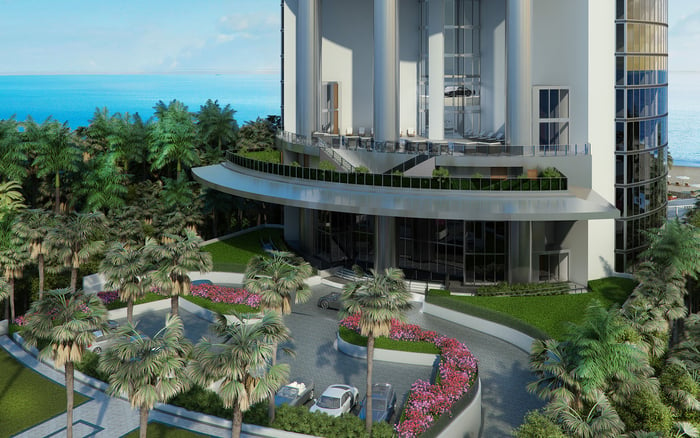
A buyer-oriented look at how SIRS and reserve funding can shift the true carrying cost, risk profile, financing conversation, and resale calculus for South Florida condominium ownership.
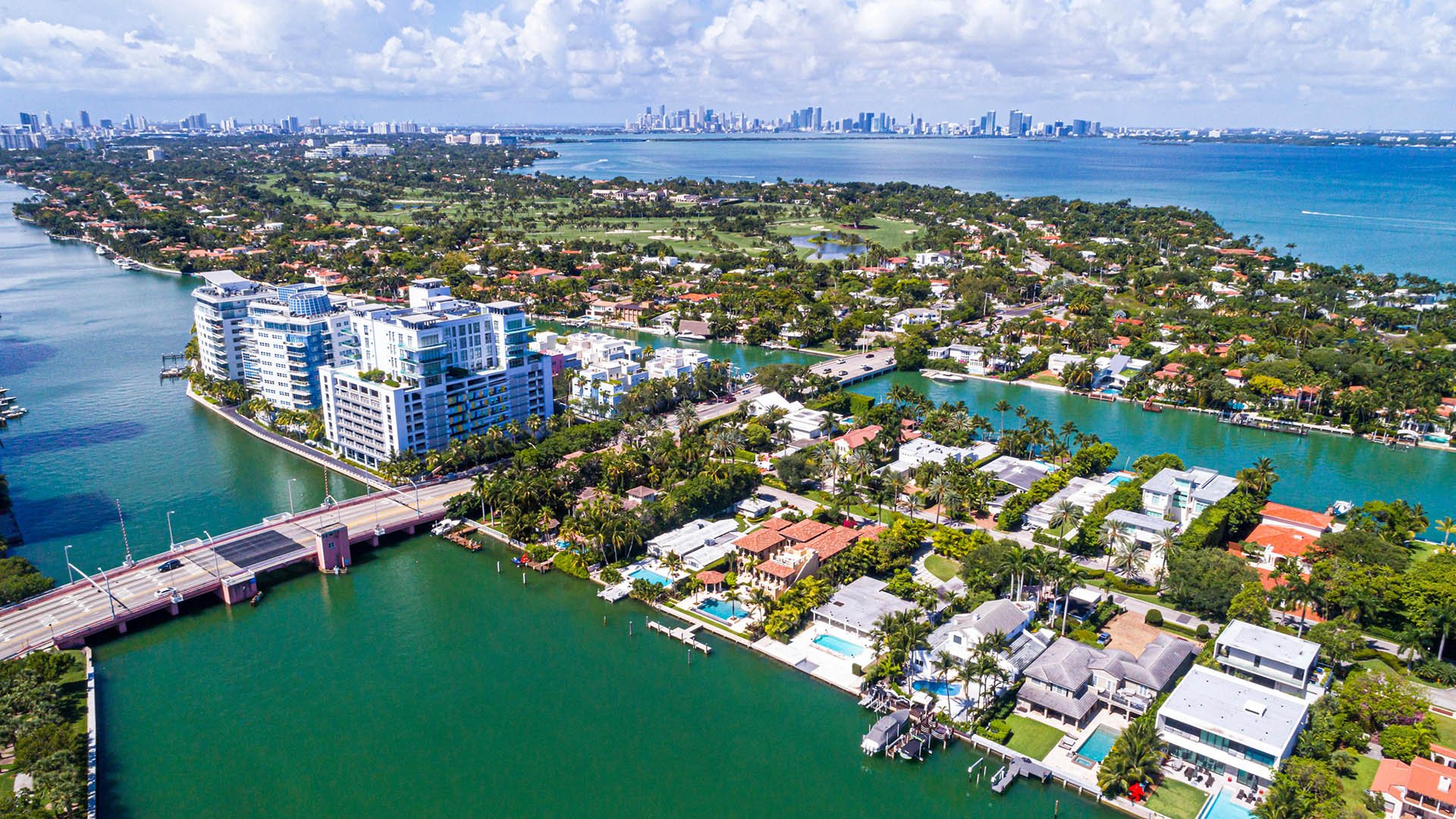
For years, the South Florida lock-and-leave home was priced through a familiar lens: purchase price, monthly association dues, insurance, taxes, and the softer premiums of view, service, parking, privacy, and brand. That calculation is no longer complete. SIRS and reserve funding now sit closer to the center of the luxury condominium conversation-not as back-office governance issues, but as part of the real cost of ownership.
For a seasonal buyer, a second-home owner, or a family seeking hotel-like ease without the obligations of a single-family estate, the appeal remains powerful. A well-run condominium can deliver security, staffing, amenities, maintenance, and peace of mind while the owner is elsewhere. Yet that promise depends on the building’s less visible health: concrete, roof systems, waterproofing, elevators, mechanical equipment, façade components, life-safety infrastructure, and the reserves set aside to maintain them.
That is why Pricing & Trends in South Florida luxury condominiums now require a more disciplined reading. The number that matters is not simply the monthly due. It is the relationship among dues, reserves, likely capital needs, and the probability of future special assessments.
A Structural Integrity Reserve Study, commonly discussed as SIRS, is best understood as a forward-looking ownership document. It is designed to focus attention on major building components and the capital that may be needed to repair, replace, or maintain them over time. For the lock-and-leave buyer, this is not a technical footnote. It is central to whether the home remains easy to own.
A condominium may feel effortless because the lobby is staffed, the pool deck is immaculate, and the residence is ready when the owner returns to South Florida. But if the association has not planned for major structural or system costs, the owner may still face an abrupt cash call. In that moment, the convenience premium can become a liquidity event.
The more sophisticated buyer now asks a simple question: is this building funding its future, or borrowing from it? A higher monthly due may be more attractive than a deceptively low due if it reflects a mature reserve strategy. Conversely, a low carrying cost can be less compelling when it masks deferred capital obligations.
In South Florida, value has often been communicated through finishes, floor height, water exposure, private elevators, beach access, concierge service, and architectural pedigree. Those still matter. But reserve funding adds another layer: the quality of the building’s financial stewardship.
A buyer comparing a new Brickell address such as The Residences at 1428 Brickell with an established condominium should look beyond the amenity renderings and the monthly maintenance line. The sharper question is how each building anticipates capital needs, how transparent the association records are, and whether the budget reflects current realities rather than outdated assumptions.
The same discipline applies in Miami Beach, where design, scarcity, and proximity to the ocean can command meaningful premiums. A buyer drawn to the private, resort-like mood of The Perigon Miami Beach should still think in terms of total ownership cost: association dues, reserves, insurance environment, staffing intensity, and the long-term maintenance profile of a coastal building.
Reserve funding may feel less glamorous than a spa, restaurant-level service, or a sunrise terrace. Yet it can be the line item that preserves lifestyle continuity. Properly understood, it is not merely an expense. It is a form of risk management.
Special assessments have always been part of condominium ownership, but the current environment has made them harder to ignore. For ultra-premium buyers, the issue is rarely whether an assessment can be paid. It is whether the assessment was foreseeable, whether it signals deeper governance issues, and whether it affects resale liquidity.
A lock-and-leave owner often chooses a condominium precisely to avoid project management. If that owner is suddenly asked to participate in a major building repair, the financial cost may be only one part of the inconvenience. The process can involve votes, timelines, contractor disruption, financing decisions, and uncertainty about future work.
This is why the cleanest buildings, from a buyer’s perspective, are not necessarily the least expensive to carry. They are the ones where the economics are legible. A buyer should be able to understand what is being reserved for, what is underfunded, what has recently been addressed, and what may be coming next.
There is a natural assumption that new construction offers a simpler answer. In many ways, it can. Newer buildings may begin with contemporary systems, current design expectations, and less immediate capital replacement pressure. Still, reserves remain relevant because every building begins aging the day it opens.
In Sunny Isles Beach, for example, buyers evaluating branded, full-service towers such as St. Regis® Residences Sunny Isles are often focused on service culture, view corridors, privacy, and amenity depth. Those attributes define the lifestyle. The operating budget defines whether that lifestyle is sustainably delivered.
A new tower with ambitious amenities may carry substantial staffing and maintenance expectations. Pools, wellness spaces, private dining rooms, beach service, valet operations, and advanced building systems all require disciplined funding. The question is not whether the amenities are desirable. It is whether their long-term cost is understood from the beginning.
Some of South Florida’s most desirable buildings are established, coveted, and difficult to replicate. They may offer larger residences, irreplaceable sites, mature service teams, or a social fabric that new development cannot instantly reproduce. But age changes the due diligence.
In Surfside, where buyers are often drawn to a quieter oceanfront rhythm, a project such as The Delmore Surfside speaks to the continuing demand for refined coastal living. In the broader Surfside conversation, however, buyers are increasingly attentive to documents, reserves, maintenance history, and capital planning. Prestige alone is not a substitute for clarity.
For older condominiums, the right question is not “Is the building old?” It is “How has the building been cared for, and how honestly is the future being funded?” A beautifully located property with strong reserves may feel more secure than a cosmetically appealing property with weak planning.
Reserve funding can also influence how a buyer feels about liquidity. A residence that appears attractively priced can become less compelling if association records suggest uncertainty. Lenders, insurers, attorneys, and purchasers all tend to prefer clarity, even when they view risk through different lenses.
For the luxury buyer, confidence has value. It affects whether a closing feels clean, whether the residence can be held comfortably as a second home, and whether the owner can later sell without apologizing for deferred costs. In a market where buyers have become more educated, a transparent reserve position can become part of the resale story.
This does not mean every well-funded building will trade at a premium, or that every underfunded building will struggle. Real estate remains intensely specific. View, line, floor, condition, location, building culture, and seller motivation all matter. But the quality of capital planning is now part of the conversation at the top of the market.
Before committing to a South Florida lock-and-leave home, buyers should ask for the association budget, reserve information, recent meeting minutes, assessment history, insurance details, and any available structural or engineering-related materials. The goal is not to become an engineer. The goal is to understand whether the building’s financial narrative is coherent.
A well-advised buyer will also distinguish between predictable cost and surprise cost. Predictable cost can be incorporated into the purchase decision. Surprise cost changes the emotional texture of ownership. The best lock-and-leave residences are not merely easy to occupy. They are easy to understand.
What is SIRS in a condominium context? SIRS refers to a structural-focused reserve study that helps identify major building components and future funding needs.
Why does reserve funding matter for a luxury buyer? It can change the true cost of ownership by shifting future repair obligations into present-day planning.
Are higher monthly dues always a negative? Not necessarily. Higher dues may reflect stronger reserve funding and a more realistic approach to long-term building care.
Can low dues be a warning sign? They can be, especially if the budget does not appear to account for major future repairs or replacements.
How can SIRS affect a lock-and-leave lifestyle? It can reduce uncertainty by clarifying what the building may need and how the association intends to fund it.
Do new condominiums need the same scrutiny? Yes. New buildings may have fewer immediate replacement needs, but their amenities and systems still require long-term funding.
What documents should a buyer review? Review budgets, reserve materials, meeting minutes, assessment history, insurance information, and relevant building reports.
Can reserve issues affect resale? Yes. Buyers often respond more confidently to buildings with clear records and credible capital planning.
Is a special assessment always bad? No. The issue is whether it is reasonable, well explained, and part of a transparent plan for the building.
What is the best way to shortlist comparable options for touring? Start with location fit, delivery status, and daily lifestyle priorities, then compare stacks and elevations to validate views and privacy.
For a discreet conversation and a curated building-by-building shortlist, connect with MILLION.
If branded residences are on your mind — as a home or as an allocation — we would be glad to share what we are seeing, privately.
Begin a quiet conversation