A buyer-focused look at how Surfside and Sunny Isles Beach are redefining ultra-luxury oceanfront ownership through privacy, services, design distinction, and long-term scarcity.
South Florida’s most coveted beachfront is no longer understood primarily as a place to visit. For a growing class of global buyers, it is a place to own, hold, inhabit, and preserve. That shift is especially visible along the northern Miami Beach corridor, where Surfside and Sunny Isles Beach have become central to the ultra-luxury conversation.
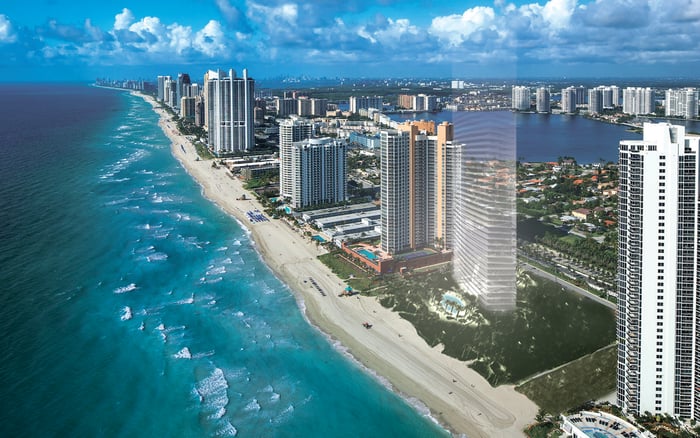
The appeal is clear, but difficult to replicate. True oceanfront land is finite. Privacy on the sand is limited. Buildings that combine residential permanence with elevated service are rare by nature. In this context, Eighty Seven Park Surfside, Ocean House Surfside, and St. Regis® Residences Sunny Isles are more than individual addresses. Together, they reflect a market that increasingly treats the beachfront as a long-term ownership asset rather than transient hospitality frontage.
For buyers, the distinction matters. A hotel stay offers access. A private residence offers control. Ownership creates a different relationship with place, from how often a family returns to how a property fits into broader lifestyle and capital planning. The new oceanfront buyer is often seeking beauty and permanence at once, with an emphasis on discretion, service, and the confidence that scarce land tends to remain meaningful over time.
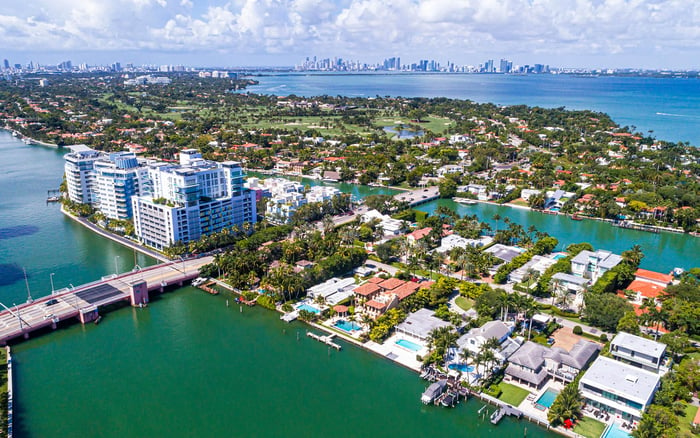
Surfside occupies a particular position in South Florida’s luxury geography. It sits within the Miami-area oceanfront market, yet its identity is quieter and more residential than the more visibly social stretches of Miami Beach. That balance has made Surfside compelling for buyers who want proximity without constant exposure.
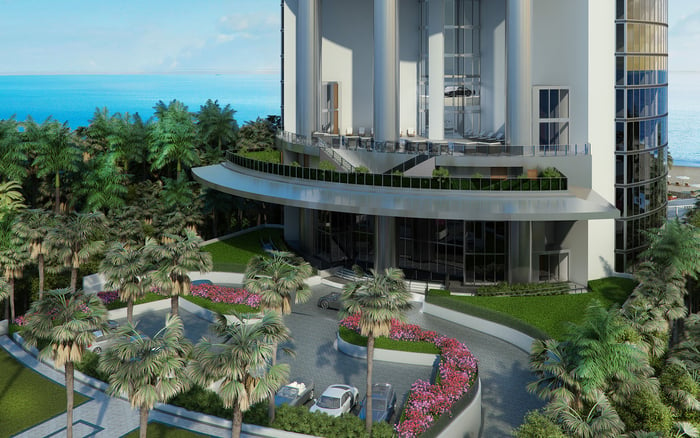
Eighty Seven Park Surfside helps define this side of the trend. It belongs to a newer ownership-oriented coastal model, one that frames the beach as a residential environment rather than a revolving hospitality experience. In that sense, the building is part of a broader change in buyer psychology. The focus is not simply a view or a seasonal escape. It is ownership within a scarce oceanfront setting where privacy and design distinction are part of the value proposition.
Nearby, Ocean House Surfside reinforces the same idea through a complementary lens. Ocean House Surfside is positioned within the same northern Miami Beach luxury corridor, adding to Surfside’s reputation as a destination for private residential ownership. Its relevance is not just geographic. It illustrates demand from affluent buyers who prefer long-term coastal ownership over short-stay accommodation, particularly in locations where beachfront inventory cannot be easily expanded.
For high-net-worth buyers, Surfside’s advantage is subtle. It offers a residential tone, a strong sense of address, and access to the ocean without requiring the performance of a larger resort district. That quieter posture is precisely why it has become so important to the South Florida luxury narrative.
If Surfside represents the discreet residential side of the ownership shift, Sunny Isles Beach expresses the vertical, service-rich version of the same movement. Sunny Isles Beach has long been associated with ultra-luxury residential towers, and its oceanfront setting continues to draw buyers who want scale, views, and a high-service lifestyle.
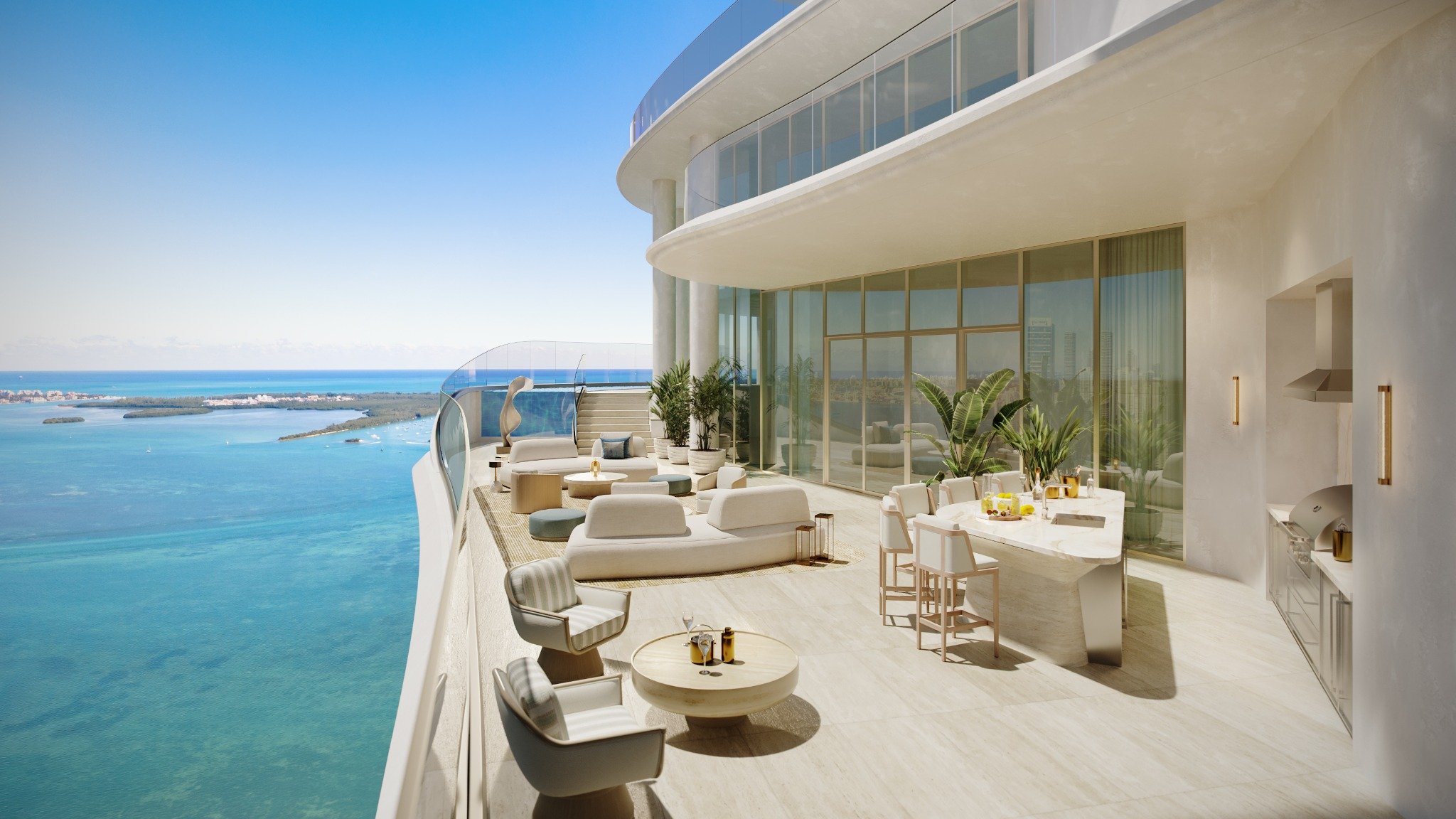
Within that context, St. Regis® Residences Sunny Isles reflects the branded-residence component of South Florida’s ownership trend. The St. Regis identity connects private ownership with hospitality-style service, a combination that resonates with buyers who want the autonomy of a residence and the ease associated with a globally recognized service culture.
This is where branded residences have become especially powerful. They offer a shorthand for service expectations, lifestyle consistency, and institutional polish. For the buyer comparing world-class coastal markets, the brand can function as a familiar language. It suggests that the experience of ownership will be supported by a service ethos, not left entirely to individual arrangement.
Sunny Isles Beach also benefits from its role within the broader northern coastal corridor. It is not merely an alternative to Miami Beach. It is its own high-rise oceanfront market, shaped by demand for privacy, services, architectural distinction, and long-term capital preservation. For many buyers, those priorities are now inseparable.
Luxury real estate is often described through finishes, views, and services, but in South Florida’s oceanfront market, scarcity may be the defining amenity. There is only so much land directly on the sand, and the most desirable parcels carry an emotional and financial weight that inland locations rarely match.
That scarcity is the common thread across Eighty Seven Park Surfside, Ocean House Surfside, and St. Regis® Residences Sunny Isles. Each project points to a market in which oceanfront land is being treated as a scarce asset for private ownership. The old model of beachfront as hotel or motel frontage is giving way to a more enduring residential logic, especially in submarkets where affluent buyers want a home base rather than a room key.
The distinction is not purely romantic. For globally mobile families, ownership can serve multiple purposes. It provides a coastal lifestyle, a winter residence, a family gathering point, and a tangible asset in a constrained location. It can also serve as a hedge against the difficulty of reacquiring a comparable position once the best beachfront addresses are absorbed.
This is why the conversation has moved beyond square footage alone. Buyers are evaluating how a building feels, how private it is, how service is delivered, and how the address may hold meaning over a long horizon. In the top tier of the market, capital preservation and lifestyle are not competing ideas. They often support each other.
The modern South Florida oceanfront buyer is not simply purchasing proximity to water. They are purchasing daily access to a particular rhythm: sunrise, privacy, service, security, and the ability to live with the ocean as a permanent backdrop.
In Surfside, that may mean a quieter coastal profile anchored by residences such as Eighty Seven Park Surfside and Ocean House Surfside. In Sunny Isles Beach, it may mean a service-forward tower environment shaped by the branded-residence model of St. Regis® Residences Sunny Isles. The common desire is ownership with intention.
This is also why architectural distinction matters. On scarce land, the building itself becomes part of the long-term proposition. Buyers want residences that feel considered, not generic. They want privacy designed into the experience, not improvised after the fact. They want service that enhances daily life without turning the home into a public-facing resort.
The strongest oceanfront projects understand this balance. They are private, but not isolated. Serviced, but not transient. Aspirational, but grounded in the enduring reality that land on the ocean is limited.
Taken together, Eighty Seven Park Surfside, Ocean House Surfside, and St. Regis® Residences Sunny Isles offer a concise reading of where South Florida luxury real estate is headed. Surfside shows the demand for intimate, ownership-oriented beachfront living. Sunny Isles Beach shows the continued strength of high-service vertical luxury and the rise of branded residential expectations.
The larger story is one of global capital becoming more lifestyle-driven, and lifestyle decisions becoming more financially deliberate. Buyers are not only asking where they want to vacation. They are asking where they want to establish presence, return season after season, and own a piece of land that cannot be multiplied.
For South Florida, that has changed the meaning of the coastline. The beach is no longer simply a backdrop for leisure. It is a private residential frontier, a capital preservation strategy, and a statement of permanence in one of the world’s most recognizable warm-weather markets.
Why are Surfside and Sunny Isles Beach important to oceanfront ownership? Surfside and Sunny Isles Beach are key submarkets in the northern coastal corridor, where private condominium ownership has become central to the luxury narrative.
What does Eighty Seven Park Surfside represent in this trend? Eighty Seven Park Surfside reflects the Surfside side of the ownership shift, emphasizing a more residential coastal model rather than a transient hospitality model.
How does Ocean House Surfside fit into the market story? Ocean House Surfside illustrates demand for scarce beachfront residences among affluent buyers seeking long-term ownership in Surfside.
What makes St. Regis® Residences Sunny Isles relevant? St. Regis® Residences Sunny Isles represents the branded-residence component, connecting private oceanfront ownership with hospitality-style service.
Why is oceanfront scarcity so important? Oceanfront land is limited, making well-positioned residences meaningful for both lifestyle use and long-term capital preservation.
Are buyers prioritizing services more than before? Yes, services are a major buyer priority, especially when paired with privacy, design distinction, and a strong sense of residential permanence.
Do branded residences appeal mainly to international buyers? They appeal broadly to buyers who value recognizable service standards, residential privacy, and a hospitality-informed ownership experience.
Is Surfside more discreet than larger beach districts? Surfside is presented as a quieter residential setting within the Miami-area oceanfront market, which appeals to buyers seeking privacy.
How should buyers compare these three projects? Buyers should consider location, privacy, service model, architectural character, and how each residence supports long-term ownership goals.
Is oceanfront ownership mainly a lifestyle purchase? It is both a lifestyle decision and an asset decision, especially where scarce beachfront land supports long-term relevance.
When you're ready to tour or underwrite the options, connect with MILLION.
If branded residences are on your mind — as a home or as an allocation — we would be glad to share what we are seeing, privately.
Begin a quiet conversation