A buyer-focused guide to judging the fitness amenity program at Waldorf Astoria Residences Downtown Miami through privacy, service standards, durability, future flexibility, and resale relevance.
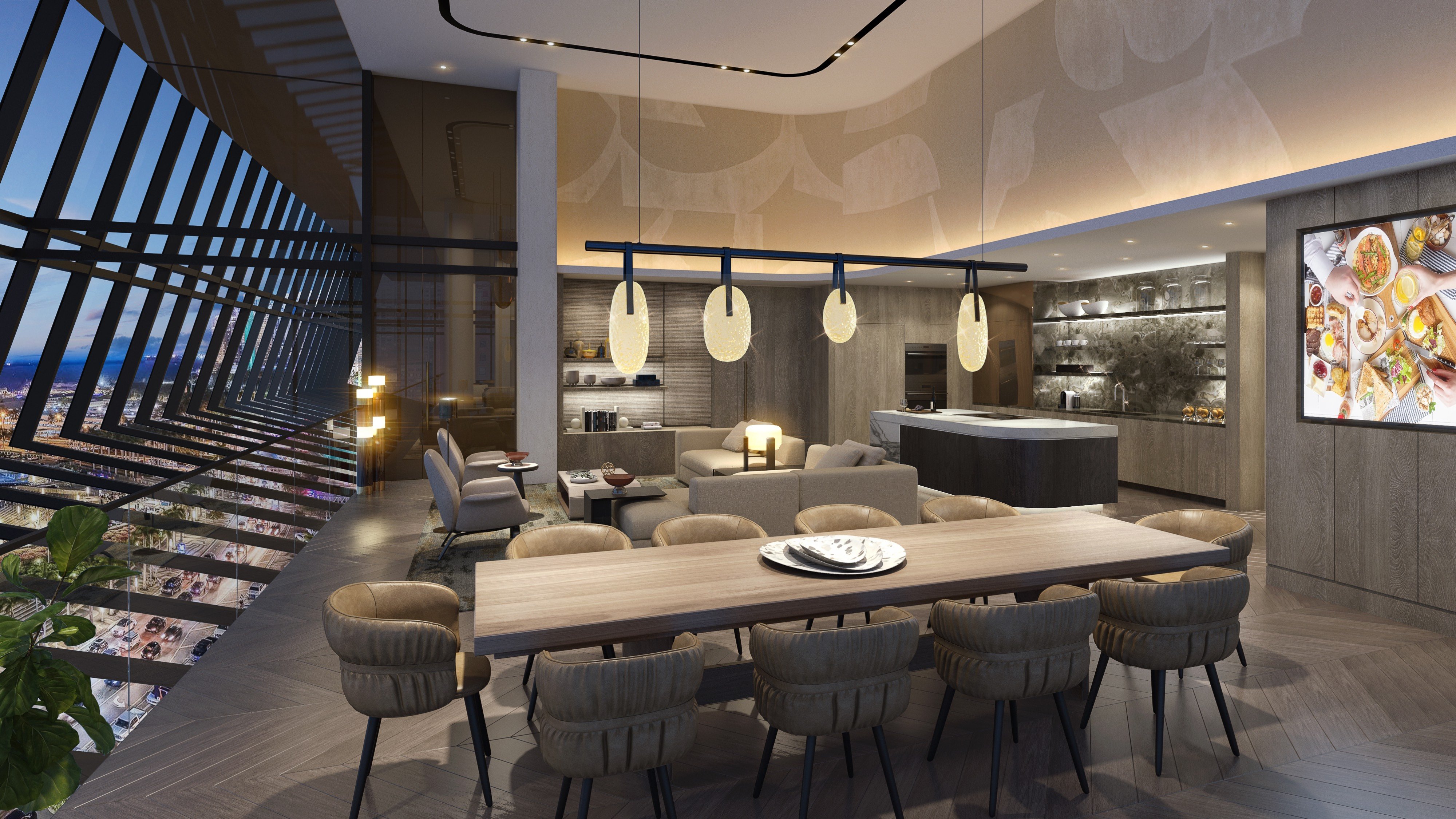
At Waldorf Astoria Residences Downtown Miami, the fitness amenity should not be judged like a conventional condominium gym. For buyers considering a branded residence in Downtown Miami, the wellness program is part of a broader expectation around privacy, service, ease, and long-term desirability.
The question is not simply whether there will be treadmills, weights, and mirrors. The sharper question is whether the fitness environment feels consistent with a private-club or hospitality-grade wellness suite. That distinction matters because many luxury buyers value discretion, trainer access, thoughtful maintenance, and equipment that remains current after the first wave of marketing excitement has passed.
Fitness quality also has a direct relationship to investment logic. A residence may offer compelling design and location, but an underscaled or poorly maintained wellness area can create a mismatch between brand expectation and lived experience. At resale, that mismatch becomes visible when future buyers compare the building with newer South Florida towers offering fresher wellness concepts.
In an ultra-premium setting, privacy is not an afterthought. It is a core amenity. Buyers should examine whether the fitness area allows residents to train without feeling exposed, watched, or confined to a single open room. Spacing between machines, sightline control, and the placement of cardio equipment all influence whether the environment feels serene or performative.
A strong layout should create distinct zones. Cardio can benefit from views and natural light, while strength training, stretching, Pilates, and recovery areas often require a more protected atmosphere. Privacy-sensitive buyers should ask whether personal training, mobility work, or recovery can take place semi-privately rather than only in an open shared area.
Quiet is part of the same equation. The best luxury fitness rooms are not merely visually polished; they manage sound. Flooring, equipment spacing, and separation between high-impact areas and restorative spaces can determine whether the room feels composed during peak hours.
Luxury buyers often ask about equipment brands, and that is reasonable. Yet the operating plan can be just as important as the initial brand list. A hospitality-caliber fitness experience depends on towel service, cleaning routines, maintenance response time, trainer access, and staff oversight. Even excellent machines lose impact if screens remain broken, upholstery wears, weights are disorganized, or cleaning feels inconsistent.
For Waldorf Astoria Residences Downtown Miami, buyers should evaluate the fitness amenity as part of the broader branded-residence experience. A polished first impression matters, but the better question is how the building will preserve that impression over time.
Ask practical questions. Who inspects equipment? How quickly are repairs handled? Is there a replacement cycle for heavily used cardio pieces? Will staff monitor cleanliness throughout the day or only after hours? The answers to these operational questions can reveal more than a rendering.
A credible luxury fitness amenity should be more than a small collection of generic machines. Buyers should look for durable commercial-grade cardio, strength, functional-training, and recovery options. The mix matters because residents use fitness spaces differently. Some prioritize low-impact cardio. Others want free weights, cable systems, stretching space, mobility tools, or recovery equipment.
Commercial-grade durability is especially important in a branded residence because usage patterns can be intense. Residents, guests, and trainers may all place demands on the room. Equipment should feel stable, intuitive, and substantial, with enough variety to support a complete workout without requiring residents to maintain outside gym memberships.
Because final equipment specifications may differ from early marketing images, buyers should request the final amenity specifications before closing or before assigning value in a resale analysis. Renderings can communicate mood and positioning, but specifications reveal what will actually be installed, maintained, and refreshed.
The most resilient fitness spaces are designed for change. Wellness preferences evolve quickly, and today’s desirable equipment mix may feel incomplete in several years. Buyers should therefore look beyond the equipment list and study whether the room has enough space, electrical capacity, flooring quality, ventilation, and layout flexibility to accommodate future upgrades.
Ventilation is a quiet but significant luxury. A fitness room can be beautifully designed and still feel compromised if airflow is weak or heat builds during busy periods. Flooring also matters. It should support strength training, impact absorption, acoustic control, and easy maintenance without making the room feel utilitarian.
Layout flexibility may become a resale advantage. If the association or operator can refresh equipment without rebuilding the entire space, the amenity can remain competitive against newer towers. If the room is too tightly planned or dependent on a single equipment arrangement, it may age faster.
Miami’s climate changes how buyers use fitness amenities. A luxury wellness program is stronger when indoor training connects naturally with outdoor living, views, light, pool areas, and movement spaces. The goal is not just exercise; it is a daily ritual tied to the city’s year-round outdoor lifestyle.
Natural light and skyline views can elevate cardio areas, but they should be balanced with privacy and glare control. Access to outdoor decks or adjacent wellness spaces can make the fitness experience feel less enclosed, especially for residents who alternate between strength training, stretching, swimming, and recovery.
Fitness should also be reviewed alongside spa, pool, outdoor wellness, and recovery amenities when those features are part of the offering being evaluated. Buyers experience these features as one integrated wellness package, not as isolated rooms. If one part feels underbuilt, the overall impression can suffer.
Fitness amenities have become a shorthand for building quality. In a branded luxury residence, worn or outdated equipment can send the wrong signal. It suggests that the service culture may not be keeping pace with the brand promise, even if the residences themselves remain beautifully finished.
Future buyers will compare Waldorf Astoria Residences Downtown Miami with newer luxury towers and branded-residence competitors across South Florida. That comparison will not stop at lobby design or views. It will include wellness depth, privacy, cleanliness, and whether the equipment feels current. For many buyers, the fitness amenity is part of daily life, which makes it more emotionally important than a rarely used formal space.
This is why the refresh cycle should be treated as part of value preservation. A building that regularly maintains and updates its wellness environment can protect the perception of quality. A building that allows equipment to age visibly may create friction during showings, negotiations, and buyer decision-making.
Before purchasing, buyers should ask for the final amenity specifications, not just conceptual descriptions. Confirm the planned mix of cardio, strength, functional-training, and recovery equipment. Ask how much of the space is open, how much is semi-private, and whether trainers can work with residents in a discreet setting.
Review the operating standards. Towel service, cleaning frequency, staffing, maintenance response, trainer policies, and replacement planning all shape the resident experience. If possible, understand how the building intends to manage peak-hour demand and whether the layout allows multiple residents to train comfortably at once.
Finally, connect the fitness amenity to the total lifestyle proposition. Waldorf Astoria Residences Downtown Miami should not be evaluated as if it were offering a basic gym; it should be reviewed through the lens of branded residential living, where wellness, service, skyline living, and privacy are expected to reinforce one another. The strongest buying decision is made when the equipment, operations, and long-term maintenance plan all support that larger promise.
Why is fitness-equipment quality important at Waldorf Astoria Residences Downtown Miami? It is part of the branded-residence value proposition, not just a convenience. Buyers should expect a wellness experience aligned with luxury hospitality standards.
Should buyers rely on early renderings of the fitness amenity? Renderings are useful for mood and positioning, but buyers should request final amenity specifications. Planned equipment can differ from early marketing visuals.
What standard should the equipment be judged against? It should be judged against hotel-grade and private-club expectations. Ordinary residential gym standards are not enough for this category.
How does privacy affect the fitness experience? Privacy depends on spacing, sightlines, quiet zones, and semi-private areas for training or recovery. These details can make daily use feel more discreet.
What service details should buyers ask about? Ask about towel service, cleaning schedules, staffing, trainer access, repair timing, and equipment replacement cycles. Operations shape the true luxury experience.
Why does fitness quality matter for resale? Future buyers will compare the building with newer luxury towers. A current, well-maintained wellness amenity can help preserve perceived value.
What equipment mix is most desirable? A strong program includes commercial-grade cardio, strength, functional-training, and recovery options. Variety helps residents avoid needing outside facilities.
How does the Miami lifestyle influence fitness design? Natural light, views, outdoor wellness access, and proximity to pool areas can enhance daily use. Indoor-outdoor flow is especially relevant in Miami.
What makes a fitness amenity future-proof? Flexible layouts, strong ventilation, quality flooring, adequate electrical capacity, and refresh planning help the space adapt over time.
Is the fitness amenity part of the broader investment case? Yes. In a branded residence, wellness quality supports daily satisfaction and can influence buyer perception during future resale decisions.
If you'd like a private walkthrough and a curated shortlist, connect with MILLION.
If branded residences are on your mind — as a home or as an allocation — we would be glad to share what we are seeing, privately.
Begin a quiet conversation