A discreet buyer’s guide to evaluating red-light therapy placement in South Florida luxury residences, from electrical planning and privacy to spa adjacencies, ventilation, service access, and resale sensibility.
Red-light therapy has moved from boutique wellness studios into the private amenity vocabulary of South Florida luxury real estate. For buyers, the question is no longer simply whether a residence can accommodate a device. The more important issue is where it belongs, how quietly it integrates, and whether the placement supports the rhythm of daily life without creating friction for ownership, staff, guests, or future resale.
In a market where buyers compare Brickell glass towers, Miami Beach oceanfront residences, Sunny Isles sky homes, Bal Harbour privacy, and new-construction wellness suites, a red-light installation should be assessed with the same discipline as a wine room, gym, plunge pool, or treatment room. It is a lifestyle feature, but it is also an architectural decision.
The best placements feel intentional. They respect circulation, privacy, mechanical realities, lighting control, and building rules. The weakest placements feel improvised, often squeezed into a closet, den, bathroom corner, or gym wall without enough thought given to heat, access, visual calm, or long-term practicality.
A red-light space works best when it sits within a coherent wellness sequence. Consider how the owner will actually use it. Will the session happen after a workout, before sleep, following a swim, or as part of a morning recovery routine? The answer determines whether the ideal location is near a private gym, spa bath, terrace-adjacent recovery area, massage room, or dressing suite.
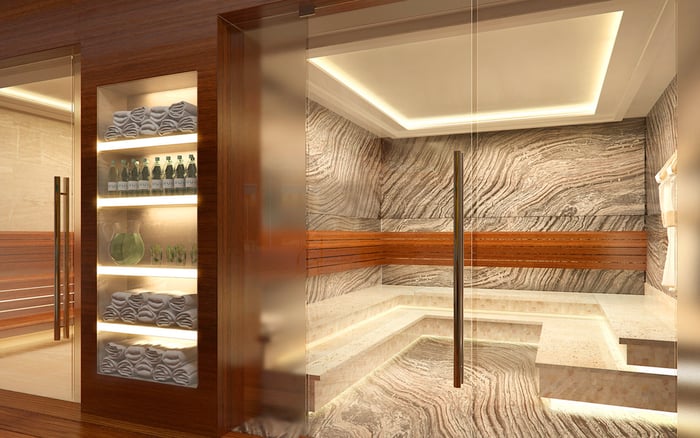
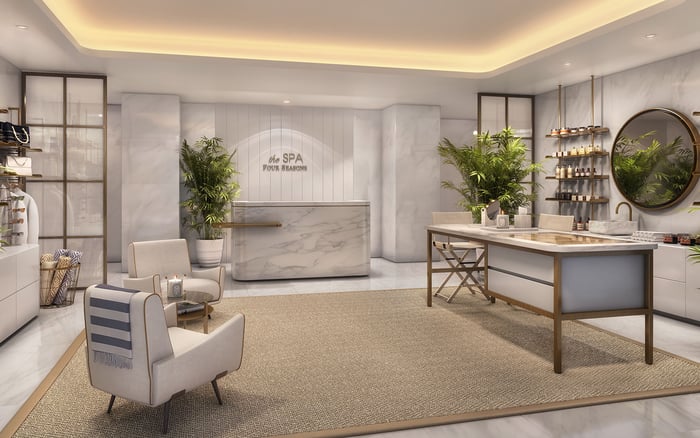
For some buyers, the most elegant solution is a dedicated wellness room with low-glare lighting, concealed storage, acoustic softness, and a simple path to a shower. For others, the stronger answer is a discreet zone within a larger private fitness suite. What matters is not the equipment alone, but the choreography around it.
Avoid placements that require crossing formal entertaining areas in workout attire or moving through staff zones for a short private session. In a truly refined residence, wellness should feel effortless, not performative.
Before committing to a placement, buyers should confirm whether the intended location can support the chosen equipment. Red-light panels, beds, and integrated systems may have different electrical needs, and those needs should be reviewed before closing or before any renovation plan is finalized.
In a condominium, this is especially important. The buyer should understand whether new outlets, dedicated circuits, conduit runs, or wall modifications are permitted. The location that looks perfect on a floor plan may become complicated if it requires intrusive work through finished stone, millwork, concrete, or common elements.
For single-family homes, the conversation should include the electrical panel, future expansion, service access, and whether the wellness room may eventually accommodate additional equipment. A buyer planning a red-light wall today may later want a sauna, cold plunge, compression therapy, or advanced recovery table. The smartest layouts preserve optionality.
Red-light therapy placement should not be evaluated as a purely visual decision. Comfort matters. A small enclosed space may look serene, but it can become uncomfortable if it lacks proper air movement. The goal is a calm environment that can be used regularly without feeling stuffy, exposed, or overly warm.
Buyers should review ceiling height, air supply, return placement, door swing, and the proximity of windows or exterior walls. In South Florida, where humidity and cooling loads already shape interior performance, wellness rooms deserve the same attention given to primary closets, media rooms, and gyms.
A refined installation should also consider the surrounding surfaces. Highly reflective finishes can feel harsh during use. Soft matte walls, controlled lighting, durable flooring, and a clean storage plan often create a more sophisticated experience than a dramatic but impractical design gesture.
Privacy is central to red-light therapy placement. A session may involve minimal clothing, quiet stillness, and a desire to remain unseen. For that reason, a room visible from the main living area, elevator vestibule, guest corridor, or staff path may not be appropriate, even if it has space.
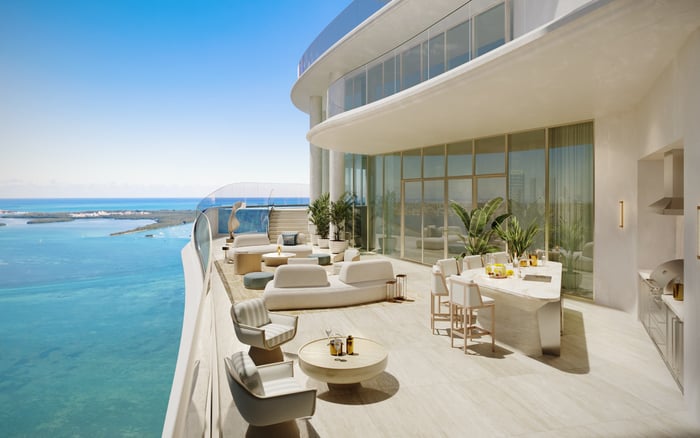
In condominiums, buyers should study sightlines from neighboring towers, terraces, and amenity decks. Window treatments, glass opacity, and interior orientation can all influence whether the space feels genuinely private. In waterfront residences, a view may be valuable, but not every wellness ritual needs to be on display.
A private wellness room can still feel beautiful. The most successful examples use indirect light, concealed technology, elegant seating, and quiet materials. The room should invite use, not announce equipment.
Luxury buildings often have rules governing alterations, electrical work, flooring, penetrations, noise, deliveries, insurance, and contractor access. Buyers should review those rules before assuming a red-light installation is simple. This is particularly relevant in high-service condominium environments, where even minor interior changes may require approvals.
Questions should be practical. Can equipment be delivered through service elevators? Are there weight or size constraints? Will wall mounting be allowed? Are contractors limited to certain hours? Does the building require licensed professionals for installation? Is approval needed for additional electrical work?
The answers do not necessarily prevent a project, but they shape timing, cost, and discretion. A buyer who clarifies these details early can negotiate, plan, and avoid visible disruption after move-in.
Even if the installation is deeply personal, placement should respect future resale. A red-light room that can also function as a yoga studio, meditation room, massage room, gym extension, nursery, office, or dressing lounge will usually feel more flexible than a highly customized chamber with limited alternative use.
Built-ins should be elegant, not overly specific. Lighting should be layered. Equipment should be removable without leaving a room that feels compromised. If a buyer is investing in a premium build-out, the finish level should match the rest of the residence. A luxury buyer will notice if the wellness area feels like an afterthought.
This is where restraint becomes valuable. The most compelling wellness spaces are not crowded with devices. They are calm, adaptable, and architecturally aligned with the home.
Begin with use. Identify when, how often, and by whom the red-light space will be used. A daily ritual deserves a more privileged location than an occasional wellness feature.
Confirm privacy. Study interior sightlines, exterior exposure, window treatments, guest circulation, and staff access.
Review electrical requirements. Ask whether the preferred room can support the equipment safely and whether any upgrades are permitted.
Assess comfort. Look at ventilation, cooling, humidity control, ceiling height, flooring, and acoustics.
Verify building approvals. In condos, review alteration procedures, delivery rules, contractor requirements, and any restrictions on wall mounting or electrical work.
Protect flexibility. Favor rooms that can evolve over time and avoid permanent installations that would be difficult to remove or repurpose.
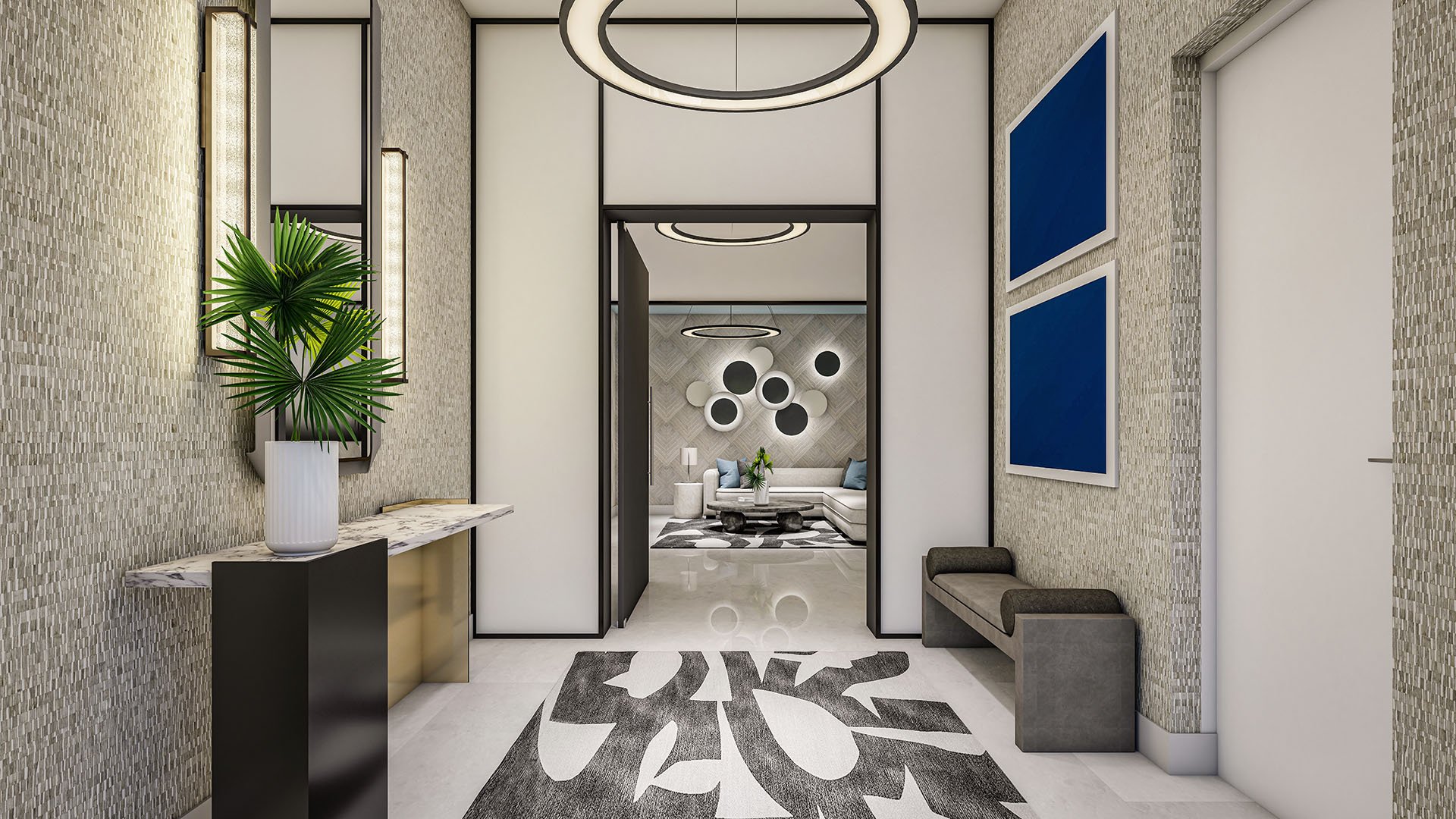
Match the finish level. If the residence is defined by stone, millwork, custom lighting, and quiet detailing, the wellness space should speak the same language.
Plan storage. Towels, eyewear, controls, cleaning supplies, and accessories need a discreet home.
Consider adjacency. The ideal location is often near a gym, spa bath, terrace, primary suite, or recovery area, but not in a path of public circulation.
Ask about service access. Equipment should be easy to maintain without disrupting formal living areas or requiring awkward movement through the home.
South Florida buyers increasingly view wellness as part of residential identity. A pool, private gym, spa bath, steam shower, treatment room, and recovery zone can influence how a residence lives. Red-light therapy belongs in that conversation only when it is planned with care.
In vertical living, the strongest approach is disciplined and quiet. In estate settings, there may be more freedom to create a complete wellness pavilion or recovery suite. In either case, the goal is the same: a placement that feels natural, private, technically sound, and aesthetically integrated.
For the ultra-premium buyer, the question is not whether a red-light device can fit. The better question is whether the residence can support a ritual that feels worthy of the address.
Should red-light therapy be placed in a gym? Often, yes, if the gym has privacy, ventilation, electrical capacity, and enough calm for a recovery ritual.
Is a bathroom a good location for red-light therapy? It can be convenient, but humidity, space, electrical safety, and comfort should be reviewed carefully.
Can red-light equipment be installed in a condo? It may be possible, but buyers should review building alteration rules, delivery logistics, and electrical requirements first.
Should the room have windows? Windows can make the space feel pleasant, but privacy, glare, and heat gain must be considered.
Is a dedicated wellness room better than a flexible den? A dedicated room is ideal for frequent use, while a flexible den may be better for resale and future adaptation.
What should buyers ask before closing? Ask about electrical capacity, approval rules, ventilation, contractor access, and whether the intended room can be modified.
Does red-light placement affect resale? It can, especially if the room remains elegant, flexible, and consistent with the rest of the residence.
Should equipment be built in or removable? Removable solutions often preserve flexibility, while built-ins should be designed with exceptional finish quality.
Where should accessories be stored? Towels, eyewear, controls, and cleaning items should be concealed in nearby cabinetry or a dedicated wellness closet.
What is the best way to shortlist comparable options for touring? Start with location fit, delivery status, and daily lifestyle priorities, then compare stacks and elevations to validate views and privacy.
For a tailored shortlist and next-step guidance, connect with MILLION.
If branded residences are on your mind — as a home or as an allocation — we would be glad to share what we are seeing, privately.
Begin a quiet conversation