A buyer-focused editorial on how three South Florida waterfront projects frame the next phase of luxury livability: island privacy, private-club convenience, and walkable riverfront connection.
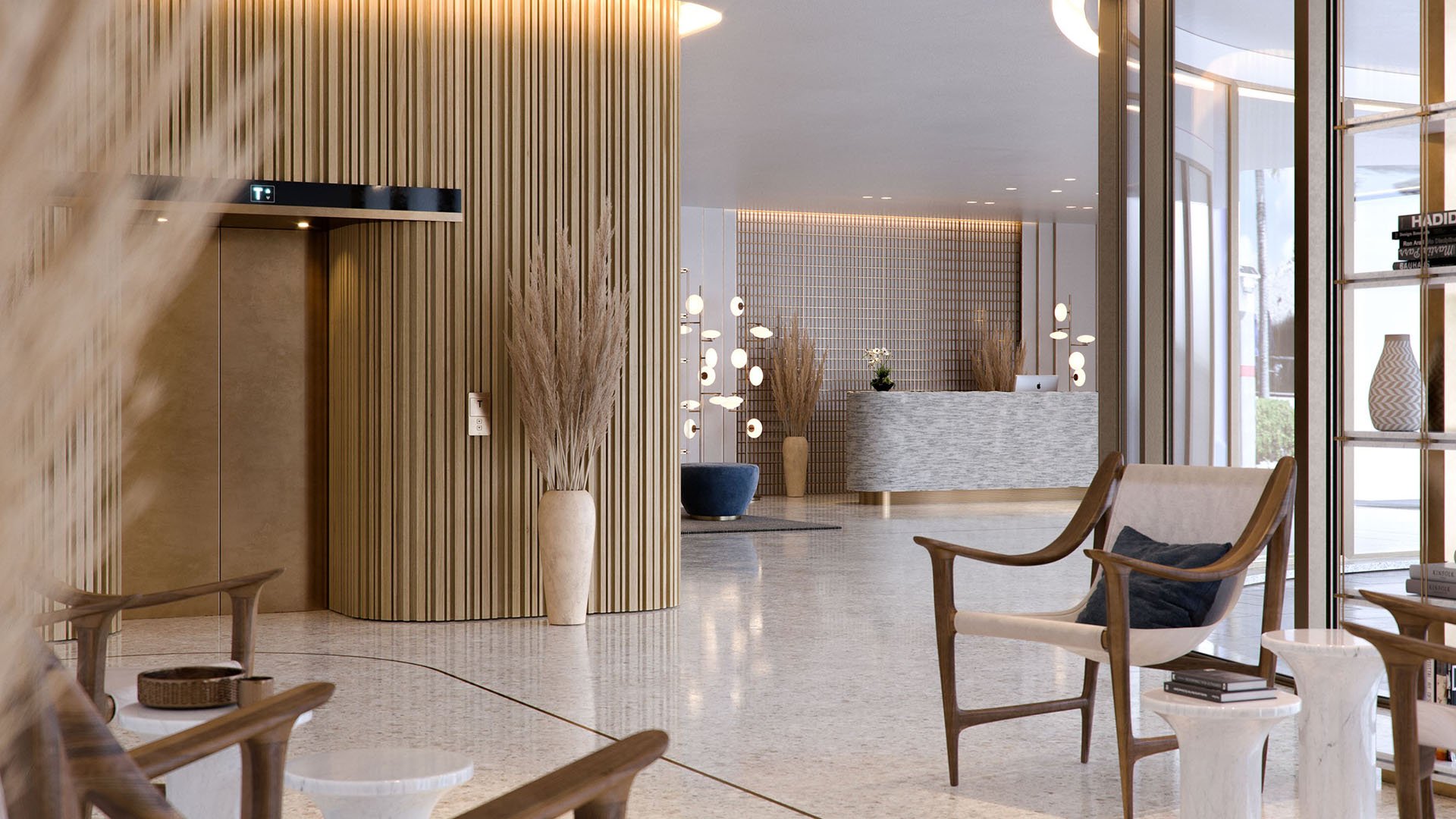
South Florida luxury has long been fluent in views, arrival moments, and resort-style amenities. Yet for today’s serious buyer, the more revealing question is quieter: how does a residence live after the first season? The answer increasingly comes down to scale, operating model, neighborhood context, and how a building balances privacy with access.
That is what makes Onda Bay Harbor, Shell Bay by Auberge Hallandale, and Sixth & Rio Fort Lauderdale useful as a trio. They are not interchangeable luxury products. They represent three distinct versions of long-term South Florida living: the intimate waterfront island residence, the private-club residential ecosystem, and the walkable urban riverfront home.
For buyers considering extended stays or full-time use, that distinction matters. A trophy address can satisfy the imagination, but livability must support mornings, routines, guests, privacy, service expectations, and the desire to feel either removed from or connected to the surrounding city.
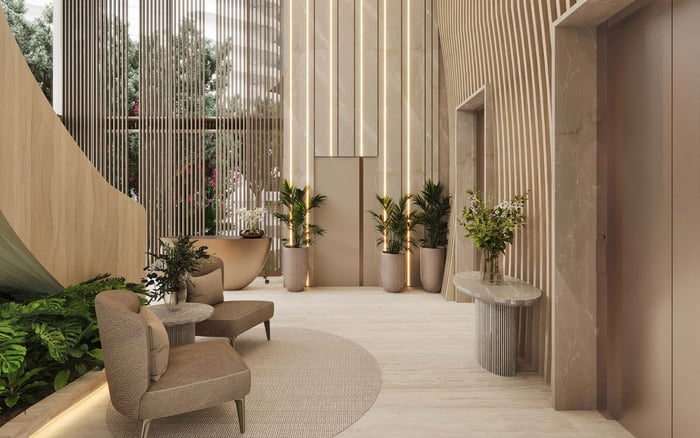
Onda Bay Harbor represents the privacy side of the equation. Its role in this comparison is not spectacle, but the boutique waterfront model in Bay Harbor Islands. The appeal lies in human scale, residential calm, and the sense that the building is conceived more as a permanent home than as seasonal resort inventory.
That matters because long-term livability often depends on what a property does not impose. A quieter waterfront setting can reduce the friction that sometimes comes with high-intensity urban luxury. It can make daily life feel less performative, especially for buyers who want proximity to South Florida’s broader cultural and coastal life without living inside its busiest rhythms.
The trade-off is just as clear. Island privacy can mean less immediate urban intensity. For the right buyer, that is the point. For another, it may feel too removed. Onda’s lesson is that privacy is not simply an amenity. It is an operating condition, shaping how a home feels on an ordinary Tuesday as much as during a weekend arrival.
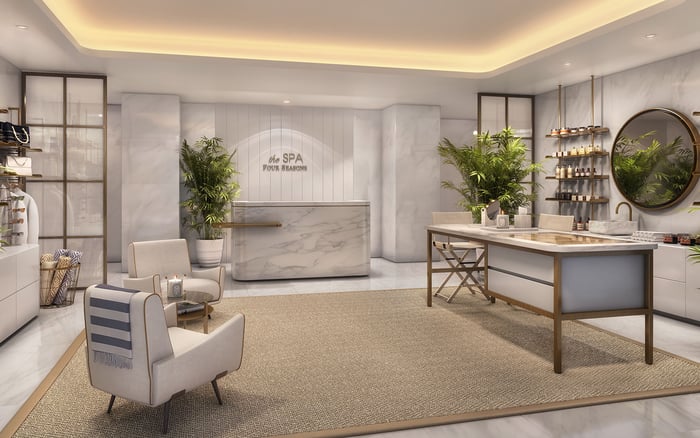
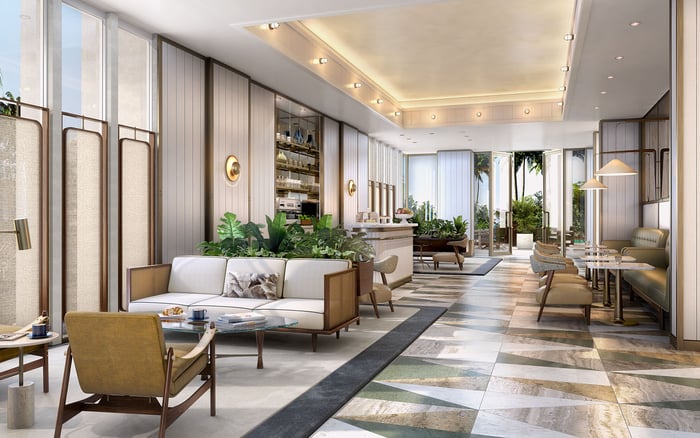
Shell Bay by Auberge Hallandale, set within the Hallandale Beach conversation, illustrates a different path: the managed, all-inclusive residential environment. Here, livability is tied to service infrastructure, privacy, and the identity of a private-club setting. It reflects a broader movement in South Florida luxury away from simple beachfront glamour and toward controlled lifestyle ecosystems.
For repeat users or full-time residents, that structure can be compelling. A highly managed environment reduces decision fatigue and creates continuity. The residence becomes part of a larger framework in which convenience is not incidental, but central to the proposition.
Yet Shell Bay also clarifies one of the most important buyer considerations in this category. The more complete the private ecosystem, the less organically integrated it may feel with the surrounding neighborhood. That is not necessarily a weakness. For some owners, the purpose of the model is precisely to curate privacy, service, and continuity. For others, the question is whether a controlled environment will feel sustaining over years, not merely impressive at first encounter.
Sixth & Rio Fort Lauderdale takes the third position in the livability spectrum. Its relevance is the walkable urban riverfront model, with a stronger connection to downtown Fort Lauderdale’s fabric than an isolated resort setting can offer. It speaks to buyers who see neighborhood access as part of luxury itself.
In this model, daily-life usability becomes a form of value. Walkability, riverfront character, and access to the city’s rhythm can matter as much as private amenities. The residence is not defined by separation alone. It is defined by the ease with which an owner can move between home, waterfront, and the surrounding urban environment.
This is why Sixth & Rio is an important counterpoint to both island calm and private-club seclusion. It suggests that the next generation of luxury buyers may be less interested in symbolic trophy real estate and more attentive to how a property supports actual life. In Fort Lauderdale, that can mean choosing a boutique waterfront residence because it offers both intimacy and connectivity.
Together, the three projects form a useful map. Onda points to privacy and human scale. Shell Bay points to managed convenience and private-club identity. Sixth & Rio points to urban riverfront access and neighborhood connection. None is universally superior. Each answers a different version of the same buyer question: what kind of life should the residence make easier?
The answer depends on temperament as much as budget. A buyer who values discretion may prefer the quieter logic of Bay Harbor Islands. A buyer who wants service to carry more of the day may gravitate toward the private-club model in Hallandale Beach. A buyer who wants a fuller relationship with streets, restaurants, riverfront movement, and downtown energy may find the Fort Lauderdale model more durable.
The most sophisticated purchase analysis now looks beyond headline amenities. It considers whether the building’s scale feels personal, whether its operating model matches the owner’s habits, whether the neighborhood context will remain useful over time, and whether the waterfront exposure enhances daily life rather than merely decorating it.
The practical question is not which model is most luxurious. It is which model will feel most natural after the novelty fades. Privacy can be deeply luxurious, but only if it does not become isolation. Service can be invaluable, but only if it does not replace a real sense of place. Connectivity can be energizing, but only if the residence still protects calm.
For South Florida buyers planning beyond occasional vacation use, these distinctions are central. Long-term livability is not a single feature. It is the alignment of setting, scale, access, service, and personal rhythm. Onda Bay Harbor, Shell Bay by Auberge Hallandale, and Sixth & Rio Fort Lauderdale reveal that the future of luxury here is not one dominant lifestyle, but a more refined ability to choose the right one.
What does Onda Bay Harbor reveal about livability? It shows the appeal of boutique waterfront privacy and human scale for buyers who want residential calm over high-density intensity.
What is the livability idea behind Shell Bay by Auberge Hallandale? Shell Bay emphasizes a managed private-club environment where service, privacy, and convenience support repeat or full-time use.
How does Sixth & Rio Fort Lauderdale differ from the others? It is framed around walkable urban riverfront living, with a stronger connection to downtown Fort Lauderdale’s surrounding fabric.
Is private-club living better for long-term use? It can be, especially for buyers who value service and continuity, but it may feel less organically connected to the neighborhood.
Why does scale matter in luxury livability? Scale affects privacy, pace, and how personal a building feels during everyday life, not only during peak seasonal use.
Is waterfront exposure enough to define luxury? No. Waterfront matters, but the strongest long-term fit also depends on access, service model, privacy, and neighborhood context.
Who is best suited to an island privacy model? Buyers who want quiet, discretion, and a more residential atmosphere may respond strongly to the Bay Harbor Islands model.
Who is best suited to an urban riverfront model? Buyers who value walkability, city access, and daily connection to the surrounding neighborhood may prefer this approach.
Do these projects suggest a shift in buyer priorities? Yes. They reflect growing attention to extended-stay and full-time livability rather than purely symbolic trophy ownership.
What is the best way to shortlist comparable options for touring? Start with location fit, delivery status, and daily lifestyle priorities, then compare stacks and elevations to validate views and privacy.
For a discreet conversation and a curated building-by-building shortlist, connect with MILLION.
If branded residences are on your mind — as a home or as an allocation — we would be glad to share what we are seeing, privately.
Begin a quiet conversation