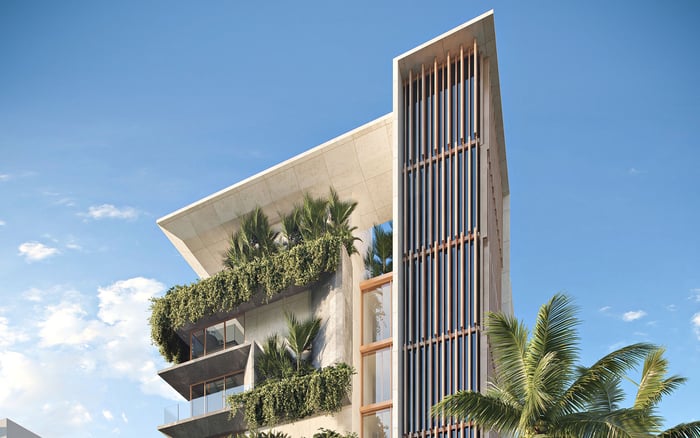
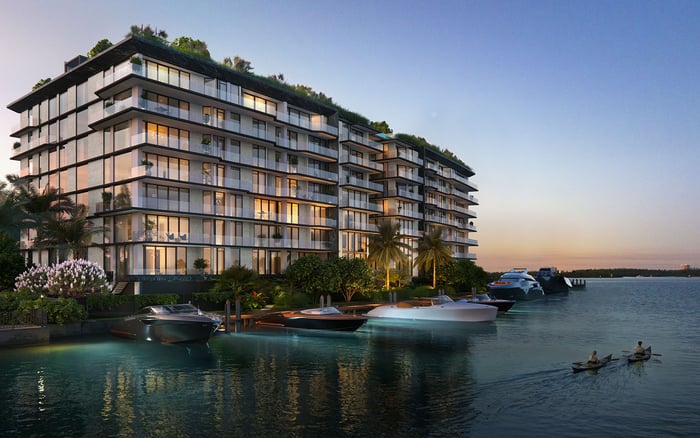
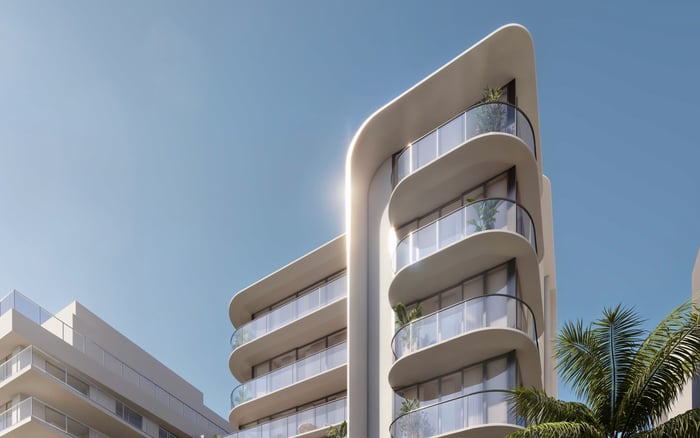
A discreet 2026 buyer framework for comparing Onda Bay Harbor and The Residences at Six Fisher Island through amenity density, vertical circulation, governance, privacy, and long-term owner control.

The comparison between Onda Bay Harbor and The Residences at Six Fisher Island is not a simple contest of addresses. It is a test of how a buyer defines privacy, convenience, service, and influence over the daily environment. In the shorthand of a 2026 search, Bay Harbor and Fisher Island are not merely map labels. They represent two distinct expressions of South Florida luxury: one calibrated around the quieter rhythm of Bay Harbor Islands, the other shaped by the rarefied separation of Fisher Island.
For many ultra-premium buyers, the first question is no longer, “Which building has more amenities?” It is, “How many owners will share those amenities, how often will they be used, and who controls the experience when the building is fully occupied?” That shift matters. Amenity density, elevator performance, and owner governance can shape everyday comfort more meaningfully than a dramatic lobby photograph or an extended list of wellness features.
Onda Bay Harbor and The Residences at Six Fisher Island speak to different buyer psychologies. Onda Bay Harbor may appeal to those who want a refined, low-profile residential rhythm near the northern beaches, Bal Harbour, Surfside, and the everyday conveniences of the mainland. The Residences at Six Fisher Island speaks to the buyer who prizes separation, arrival control, and a community identity that is intentionally insulated. Both can be compelling. The more sophisticated question is which one protects your routine better.
Amenity density is not the same as amenity quantity. A building can announce an impressive program and still feel crowded if too many households rely on the same spa, pool deck, fitness room, club space, or children’s area at the same hour. Conversely, a more restrained amenity program can feel exceptionally luxurious when access is easy, reservations are logical, and the space is proportionate to the resident base.
For Onda Bay Harbor, the buyer should consider how the building’s scale and service concept support daily use. Does the pool feel like a private extension of the residence, or does it operate like a shared social stage? Will fitness areas be used by the same residents at predictable times? Are hospitality spaces designed for quiet overlap, or do they depend on event programming to feel alive?
For The Residences at Six Fisher Island, the amenity question extends beyond the building itself. Fisher Island buyers often evaluate the residence within a broader island lifestyle. That can be highly attractive, but it also requires clarity. Which amenities belong to the condominium experience, which are part of the wider island ecosystem, and which require separate access, membership, or scheduling? A buyer should distinguish emotional access from legal access.
The best 2026 test is simple: ask how the building functions at peak occupancy. Holiday weeks, school breaks, major Miami events, and winter season weekends reveal far more than a quiet weekday tour. Luxury is not only the presence of amenities. It is the absence of friction when everyone wants them at once.
Elevator wait times rarely lead a sales conversation, yet they often become one of the most intimate measures of residential quality. A private foyer loses some of its effect if the elevator is slow. A discreet arrival sequence feels less polished if service staff, deliveries, residents, guests, pets, and luggage routinely converge in the same vertical path.
For a buyer comparing Onda Bay Harbor with The Residences at Six Fisher Island, the elevator questions should be direct. How many residential elevators serve the building? Are there dedicated service elevators? How are move-ins, catering, housekeeping, pet movement, and vendor access handled? Are peak morning and evening periods reflected in the building’s operating plan?
The issue is not impatience. It is privacy. In luxury residential life, vertical circulation is where architecture, staffing, and etiquette meet. The elevator bank determines whether the transition from car to residence feels calm or exposed. It also affects the staff experience, which in turn affects the owner experience. A building that handles service circulation gracefully will often feel more expensive than one with a larger amenity list but weaker operational choreography.
In new-construction due diligence, buyers should request the circulation narrative, not just the floor plan. The ideal answer explains resident, guest, staff, package, and emergency movement with the same seriousness normally reserved for finishes and views.
Owner control is the least glamorous part of the purchase and one of the most consequential. It determines how the building ages, how rules are enforced, how reserves are built, how rentals are managed, how staff are retained, and how capital decisions are made. In a high-value condominium, governance is not paperwork. It is the operating system of the asset.
At Onda Bay Harbor, buyers should evaluate whether the ownership structure supports a boutique sense of accountability. Smaller or more intimate buildings can create a strong culture when owners are aligned. They can also depend heavily on thoughtful board leadership. The right questions concern voting rights, maintenance philosophy, leasing rules, guest access, pet policies, and the process for approving future improvements.
At The Residences at Six Fisher Island, owner control should be considered in relation to the expectations of an island community. Buyers are not only acquiring private space. They are entering a setting where access, services, and community standards form part of the value proposition. That can create a powerful sense of order, but the buyer should understand precisely where condominium authority begins and ends.
The strongest ownership environments tend to share several traits: transparent budgets, professional management, consistent rule enforcement, realistic reserves, and an owner body that values discretion over short-term theatrics. A beautiful building can be undermined by weak governance. A well-governed building can become more desirable as it matures.
Onda Bay Harbor is likely to resonate with the buyer who wants elegance without overstatement. Bay Harbor Islands offers a quieter residential identity compared with the more kinetic centers of Miami Beach and Brickell. For some owners, that balance is the point: calm at home, access nearby, and a sense of neighborhood rather than spectacle.
The Residences at Six Fisher Island sits in a different emotional category. Fisher Island is often chosen by buyers who want separation to be part of the architecture of daily life. Arrival, access, and community boundaries all become part of the value. For a second-home owner, that can make the property feel like a true retreat. For a primary resident, it requires comfort with an island rhythm.
Neither lifestyle is universally superior. The Bay Harbor buyer may value flexibility, school access, restaurants, services, and the ability to move through the region with relative ease. The Fisher Island buyer may value controlled arrival, exclusivity, and distance from ordinary urban exposure. The right choice depends on whether your life improves with proximity or protection.
Before selecting between Onda Bay Harbor and The Residences at Six Fisher Island, a buyer should move beyond finish schedules and ask operational questions. What happens when the building is full? How are guests announced? How are deliveries screened? How are staff entrances separated from resident arrivals? How often are amenities reserved, and by whom? What is the plan for maintenance without visible disruption?
A serious buyer should also test the residence at the times it will actually be used. If winter weekends matter, tour during season. If morning school runs or business departures matter, study that rhythm. If entertaining is central, understand guest arrival, valet flow, catering access, and noise expectations. If the residence will be held as a long-term family asset, review governance with the same rigor as the view corridor.
The final decision may come down to temperament. Onda Bay Harbor offers the promise of refined residential ease in a more connected setting. The Residences at Six Fisher Island offers the allure of a more controlled world. In 2026, the best luxury purchase is the one that makes your day feel less negotiated.
Which is better for a buyer who values daily convenience? Onda Bay Harbor may suit buyers who prefer a quieter residential setting with easier connection to surrounding neighborhoods. The final answer depends on commute patterns, family needs, and service expectations.
Which is better for maximum privacy? The Residences at Six Fisher Island will likely appeal to buyers who prioritize separation and controlled arrival. Privacy should still be evaluated through elevator design, staffing, and access rules.
Why does amenity density matter more than amenity count? Amenity density shows how shared spaces will feel when residents actually use them. A smaller program can feel more luxurious if it is less crowded and better managed.
What should buyers ask about elevators? Ask how many elevators serve residents, whether service circulation is separate, and how deliveries, staff, pets, and guests are managed. The answers reveal the building’s daily privacy standard.
Is owner control mainly a board issue? It is broader than the board. Owner control includes budgets, reserves, leasing rules, staff standards, maintenance planning, and enforcement culture.
Can a boutique building offer stronger control? A boutique setting can create alignment among owners when governance is disciplined. It can also require more active stewardship from residents and management.
Should second-home buyers weigh this comparison differently? Yes. Second-home owners should focus on lock-and-leave service, arrival simplicity, guest procedures, maintenance visibility, and how the building performs during peak seasonal periods.
What is the biggest mistake in comparing these two projects? The biggest mistake is comparing prestige alone. The more useful comparison is how each building handles privacy, circulation, amenities, and decision-making under real occupancy.
How should buyers think about new-construction risk? Buyers should review operating assumptions, governance documents, completion expectations, and service plans with care. The promise of a new building should be matched by operational clarity.
What is the simplest deciding question? Ask whether your life improves more through Bay Harbor ease or Fisher Island separation. The better purchase is the one that protects your daily rhythm with the least friction.
To compare the best-fit options with clarity, connect with MILLION.
If branded residences are on your mind — as a home or as an allocation — we would be glad to share what we are seeing, privately.
Begin a quiet conversation