A discreet buyer’s guide to evaluating cold plunge access, privacy, operations, and daily usability during a private showing in South Florida luxury residences.
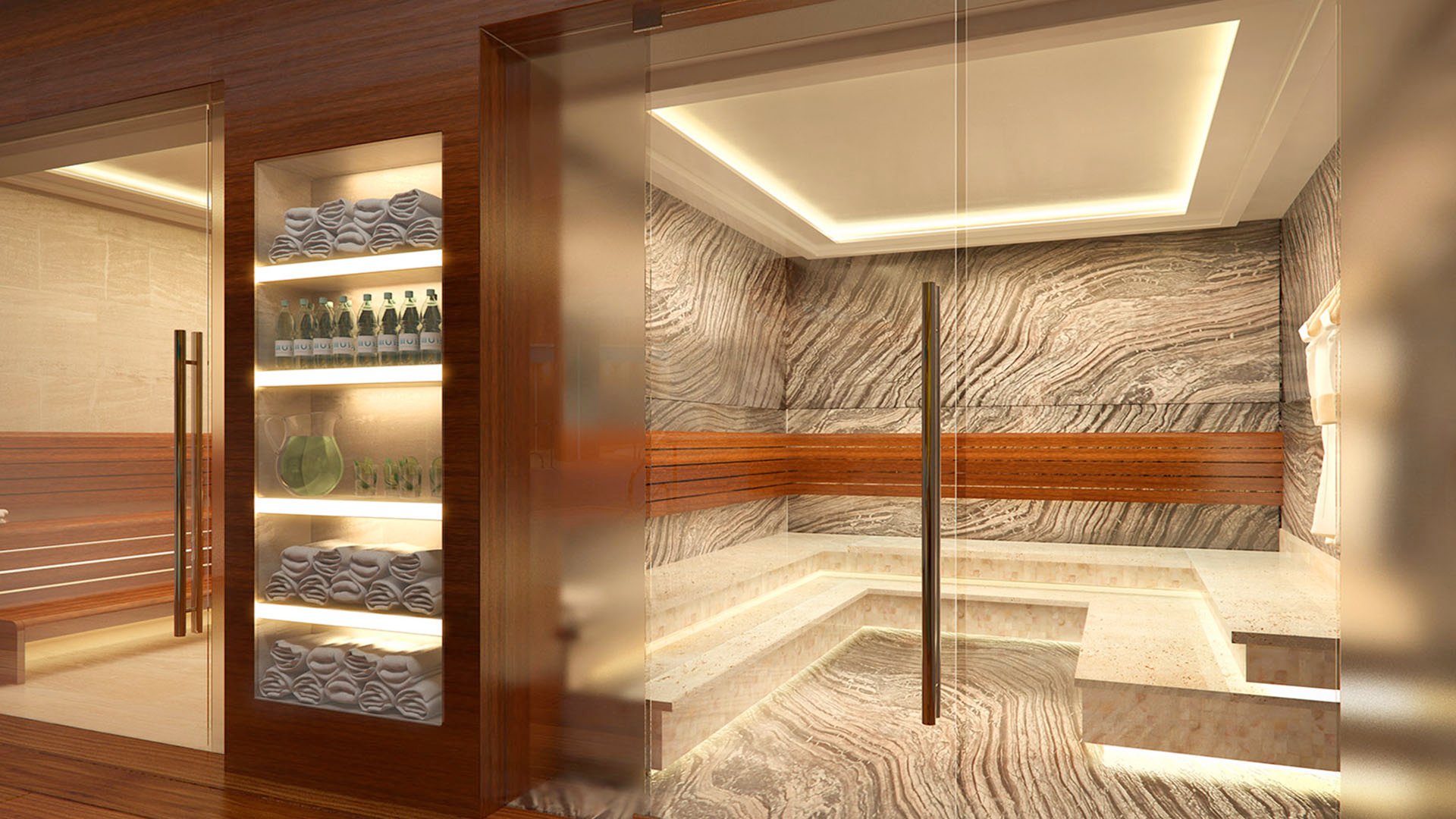
Cold plunge access has moved from niche recovery ritual to serious lifestyle consideration in South Florida luxury real estate. For buyers who already understand the difference between a beautiful amenity deck and an amenity that functions elegantly in daily life, the question is no longer simply whether a residence has a plunge. The more important question is how it is accessed, managed, protected, and experienced.
A private showing is the ideal moment to study that difference. Renderings and amenity menus may communicate aspiration, but a site visit reveals the true sequence: how you leave the residence, how visible the route feels, whether staff understands the protocol, and whether the plunge belongs to a coherent wellness environment or sits as an afterthought beside the pool.
For buyers comparing Miami Beach, Brickell, Sunny Isles, Bal Harbour, and other ultra-prime enclaves, the cold plunge should be evaluated with the same discipline applied to elevator privacy, acoustic separation, valet choreography, and service culture. In new-construction residences, it is especially important to distinguish between an amenity promised on paper and one designed to function gracefully once the building is occupied.
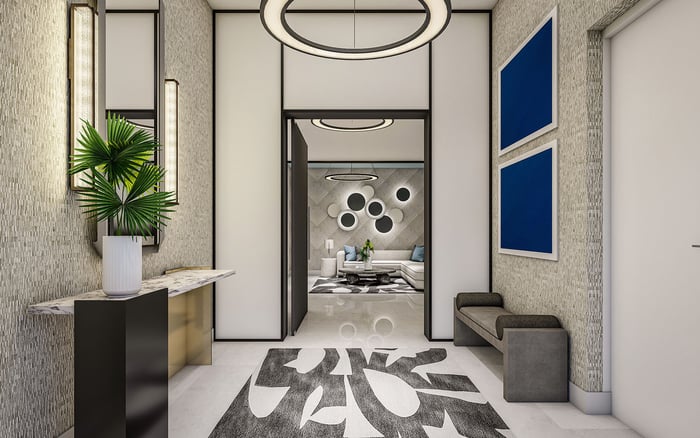
During the showing, ask to experience the route exactly as a resident would. Do not begin with the plunge itself. Begin at the residence door, private elevator foyer, or owner’s lobby, then walk the full path to the wellness area. Notice how many thresholds you cross, whether the path passes high-traffic social spaces, and whether it feels natural to make the journey in a robe, slide sandals, or post-workout attire.
The best cold plunge access feels intuitive and discreet. It should not require a resident to move through dining areas, main arrival lounges, or spaces where guests are dressed for an evening out. If the route creates social friction, the feature may be used less often than expected, even if the plunge itself is beautifully finished.
Study the return journey as carefully. A cold plunge session rarely ends at the water’s edge. A refined wellness circuit should allow for toweling, warming, hydration, and a composed transition back to the residence. If the exit sequence feels exposed, cramped, or dependent on staff improvisation, that should be part of the purchase conversation.
Cold plunge access can mean several different things. It may be part of a shared spa, a wellness club, a treatment room circuit, a private owner’s suite, a pool terrace, or a reservable recovery room. During the showing, ask for the access model to be defined clearly.
Important distinctions include whether use is first-come, reservation-based, staff-assisted, or limited by membership tier. In a condominium environment, access may also depend on operating hours, guest permissions, age policies, and house rules. A buyer who expects a quiet morning recovery ritual may feel differently if the plunge is positioned as part of a busy social amenity.
The most useful question is simple: “How would I use this on a normal weekday morning?” The answer should describe a realistic resident experience, not merely repeat the amenity name. Listen for specifics around entry, towels, lockers, showers, cleaning, and staff presence. A vague answer is not automatically negative, but it means further clarification belongs in the diligence process.
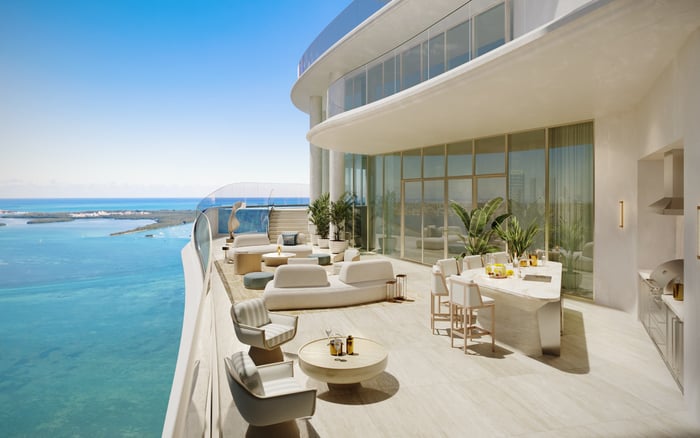
Luxury wellness is not only about materials. It is about how protected one feels while using the amenity. On site, stand where the plunge is located and look outward. Can residents on upper floors see the area? Is it visible from neighboring buildings, pool cabanas, dining terraces, fitness zones, or public-facing pathways? Are there screens, landscape buffers, walls, or spatial setbacks that create a sense of enclosure?
Privacy should be judged at the time of day when the buyer is most likely to use the amenity. Morning light, evening reflections, and nighttime illumination can change the experience. If possible, ask how lighting is handled after dark and whether the area is monitored in a way that supports safety without making the setting feel exposed.
Buyers should also consider social privacy. A cold plunge placed beside an active pool may be energizing for some residents and undesirable for others. A plunge incorporated into a spa circuit may feel quieter, but it may also require booking or involve limited availability. The right answer depends on how the buyer intends to live.
Cold plunge quality depends heavily on operations. During a private showing, the goal is not to interrogate aggressively, but to ask questions that separate design intent from daily management.
Ask who maintains the plunge, how often the water is serviced, how temperature is controlled, and whether the system is monitored by staff or automated controls. Ask whether residents are expected to shower before use, whether towels are always available, and how peak demand is handled. If the plunge is part of a spa or wellness suite, ask whether it can be reserved privately.
For a resale residence or completed building, request to see the actual space in operation. If the plunge is unavailable, ask why. For new construction, ask how the developer expects the wellness amenity to be staffed and governed after turnover. The goal is to determine whether the amenity will retain its quality after the first impression fades.
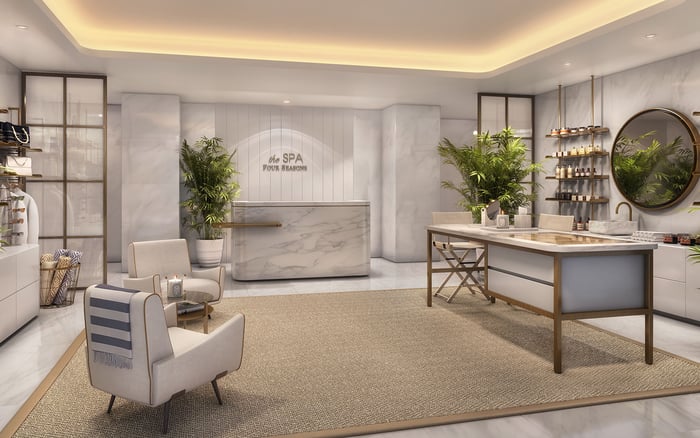
A cold plunge is rarely a standalone decision. It is part of a wellness rhythm that may include strength training, sauna, steam, massage, stretching, lap swimming, outdoor air, or a quiet lounge. During the showing, map the relationship between these elements.
A compelling wellness layout allows a resident to move through the experience without awkward backtracking. Fitness, showers, lockers, plunge, heat therapy, and relaxation should feel connected. If the plunge is remote from changing areas or separated from showers, daily use may become inconvenient. If it is too close to lively social spaces, the experience may lose its restorative character.
This is where South Florida buyers should be especially discerning. Climate, water views, and resort-style design can make an amenity photograph beautifully. Long-term value, however, lies in the choreography. The best spaces support repeated use, not just an impressive tour.
Cold plunge access also reveals something broader about a building’s culture. A property that treats wellness as a core residential service will usually show consistency across the fitness center, spa, pool deck, treatment rooms, and staff language. A property that treats wellness as a branding device may have one photogenic feature without the supporting infrastructure.
Observe how the showing team speaks about the amenity. Do they understand when residents use it, how it is maintained, and how privacy is protected? Do they describe a calm ritual, or rely on generic adjectives? In the upper tier of the market, operational fluency matters.
For buyers choosing between waterfront serenity, urban energy, or resort-style living, the cold plunge can help clarify fit. Brickell may emphasize convenience and vertical privacy. Miami Beach may prioritize resort atmosphere and beach-adjacent recovery. Sunny Isles and Bal Harbour may appeal to buyers seeking oceanfront calm, while other enclaves may offer boutique intimacy. The right building is the one whose wellness experience matches the buyer’s actual habits.
If cold plunge access is important to the purchase, treat it as a diligence item before contract deadlines pass. Ask for written clarification on access rights, operating expectations, guest policies, maintenance responsibility, and any planned changes to the amenity program. For pre-completion purchases, ask that the sales materials and governing documents be reviewed for consistency.
This does not mean making the plunge the center of negotiation. It means recognizing that luxury value increasingly includes how well a residence supports health, privacy, and time. A cold plunge that is easy to access, well maintained, and discreetly integrated can become part of a daily ritual. One that is inconvenient or poorly governed may become a rarely used line item.
The strongest buyers approach the showing with elegance and precision. They look beyond the finish palette, walk the resident journey, ask operational questions, and understand that an amenity’s true value is measured in use.
Should I ask to see the cold plunge during every private showing? Yes, if wellness is part of your buying criteria. Seeing the access route and setting in person is more valuable than relying on an amenity description.
What is the first thing to test? Start with the route from the residence to the plunge. The path should feel discreet, intuitive, and comfortable for regular use.
Is a shared cold plunge a drawback? Not necessarily. A shared plunge can work well if access, cleaning, privacy, and peak-time use are managed with care.
Should I ask about reservations? Yes. Reservation rules can determine whether the amenity feels effortless or difficult to use during preferred hours.
How important are showers and lockers? They are very important. A plunge without convenient changing, showering, and toweling support may be less practical.
Can privacy be judged during one visit? You can form a strong initial view, but ask about lighting, visibility, and typical use at different times of day.
What should buyers ask in new-construction buildings? Ask how the wellness areas are expected to be operated, staffed, maintained, and governed after residents move in.
Does cold plunge access affect resale appeal? It can support appeal for wellness-oriented buyers, especially when the feature is private, well run, and integrated into a complete spa environment.
Should the plunge be near the pool? It depends on the desired experience. Some buyers like an active setting, while others prefer a quieter spa-like location.
What is the best sign of quality? The best sign is operational clarity. Staff should be able to explain access, maintenance, privacy, and the full recovery sequence.
To compare the best-fit options with clarity, connect with MILLION.
If branded residences are on your mind — as a home or as an allocation — we would be glad to share what we are seeing, privately.
Begin a quiet conversation