A discreet, buyer-focused guide to evaluating pool privacy across Miami and Palm Beach residences, from first sightlines and terrace exposure to approvals, landscaping, sound and amenity design.
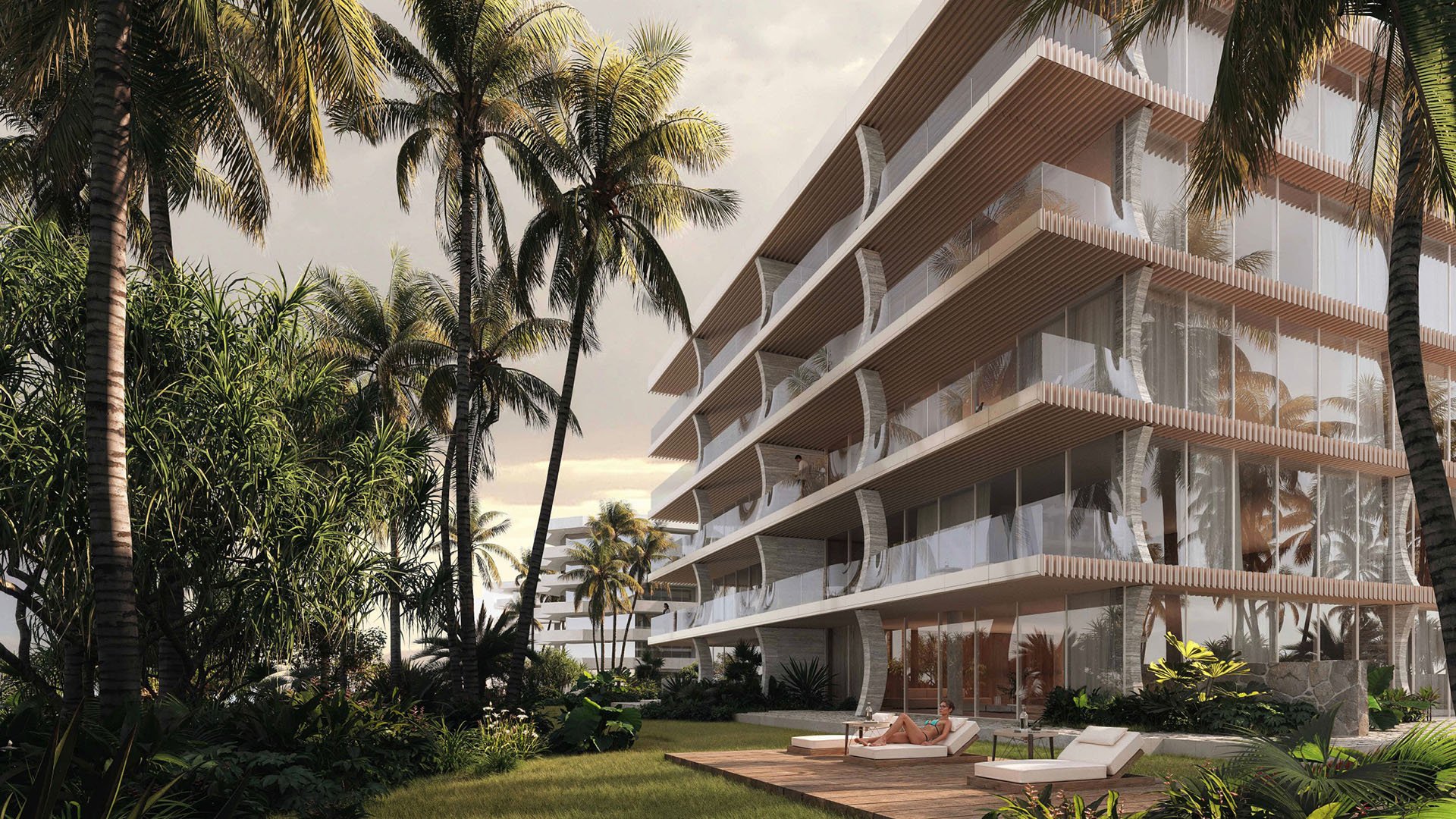
In South Florida, the private pool is less an amenity than a daily room of the house. It is where morning swims, quiet lunches, children’s afternoons and evening entertaining unfold in view of sky, water and garden. Yet the most elegant pool is not automatically the most private. Privacy must be read with care, almost like architecture: through approach, elevation, neighboring windows, service routes, terrace edges, landscape density, acoustics and future change.
For buyers in Miami and Palm Beach residences, the essential question is not simply whether a pool looks secluded during a showing. It is whether it will remain discreet at different hours, in different seasons and after ordinary life begins. A well-screened swimming area can still be compromised by an upper floor next door, a neighboring rooftop, a staff path, a dock, a public sidewalk or a brightly lit rear facade.
The right checklist protects both lifestyle and resale. It helps a buyer distinguish theatrical staging from enduring privacy, and it brings the right experts into the review before deposits, approvals or closing timelines become difficult to unwind.
Begin beyond the romance of the pool deck. Stand at the waterline, the outdoor shower, the lounge area, the summer kitchen and the primary bedroom doors. Then look outward and upward. Pool privacy is rarely lost straight ahead; it is often lost diagonally. Corner windows, neighboring balconies, garage apartments, roof terraces and upper-level guest suites can create exposures that photographs do not reveal.
In Miami Beach and along the coast, oceanfront living can place a residence in dialogue with beach activity, adjacent buildings and shared landscape corridors. When comparing residences such as 57 Ocean Miami Beach, a buyer should study not only the pool itself but also the relationship among the swimming area, beach approach, amenity circulation and neighboring elevations. A serene image from one angle may not explain how the space feels during peak hours or after dark.
For single-family estates, ask to walk the property at least twice, including a time when neighboring homes are occupied. If that is not possible, request a detailed review of adjacent structures, approved improvements and any obvious windows or terraces that look into the pool zone. The most private pools often rely on layered depth rather than one dramatic barrier.
Privacy improvements are not purely decorative. Walls, hedges, gates, cabanas, pergolas, outdoor kitchens, lighting, fencing and pool equipment can all intersect with local review, community rules, coastal considerations, association standards or building requirements. The buyer’s team should verify what exists, what is permitted and what would require approval before relying on a future privacy upgrade.
This is especially important when a pool area appears one planting scheme away from perfection. A buyer may assume that taller hedging, denser screening or a new wall can be added after closing, but the governing framework may limit height, placement, species, drainage, visibility, materials or work near protected areas. In historic or architecturally sensitive settings, even modest exterior adjustments may require a more deliberate path.
The checklist is straightforward: confirm permits and approvals for existing pool work, fencing and accessory structures; review survey conditions; understand setback and easement constraints; and ask whether any proposed screening concept has been vetted. Privacy that depends on an unapproved future condition is not privacy. It is a design aspiration.
In condominium and branded residential settings, the pool may be private to the building rather than private to one owner. The question becomes more nuanced: how protected is the experience from neighboring towers, public areas, hotel uses, restaurant terraces, elevator lobbies, service corridors and high-traffic amenity paths?
At a project like The Perigon Miami Beach, buyers evaluating outdoor life should ask how pool, terrace and amenity experiences are organized in relation to residences and circulation. The same principle applies in Brickell, where vertical density changes the privacy equation. In residences such as Una Residences Brickell, the buyer’s focus should include views from surrounding buildings, the degree of separation between private and shared spaces, and how amenity access is managed.
Request plans, rules and operating details rather than relying only on renderings. Ask about guest policies, event use, pool hours, cabana access, towel service, security presence, maintenance routes and whether neighboring uses have direct visual exposure. A beautiful amenity deck can still feel public if every path crosses the chaise lounge zone.
Palm Beach buyers often prize restraint: a pool that feels embedded in garden, architecture and quiet routine rather than displayed as a trophy feature. The best compositions create a sense of arrival without revealing everything at once. A gate, hedge, loggia, side court or covered walk may do more for discretion than a single tall wall.
For buyers considering Palm Beach Residences or nearby West Palm Beach alternatives such as Alba West Palm Beach, privacy should be assessed as a complete sequence. How does one move from lobby or motor court to residence? Where are the pool edges? Are neighboring windows or amenity spaces part of the visual field? Does the landscape provide softness without making the area feel enclosed?
In this market, the most valuable privacy can be quiet rather than absolute. It allows light, breeze and water views while preserving the confidence that conversation, dining and swimming do not become part of the surrounding scene.
Planting is the most seductive privacy tool, but it is also among the most misunderstood. Mature hedges and palms can create immediate atmosphere, yet buyers should ask how they are maintained, whether they are healthy, and whether their screening effect changes after trimming. Dense planting can soften views, but it can also conceal mechanical noise, drainage problems or maintenance access that will matter later.
Sound travels differently around water, stone and glass. A pool terrace that looks secluded may carry voices toward a neighboring property or receive sound from a road, marina, restaurant or amenity deck. Buyers should pause during showings and listen. Pump equipment, outdoor speakers, air conditioning equipment and water features can all influence the sense of retreat.
Lighting is equally important. Privacy by day can disappear at night if glass walls illuminate the pool like a stage. Ask how exterior lighting is controlled, whether fixtures are shielded, and where landscape uplighting points. Discretion after sunset is often achieved through lower, warmer, better-placed light rather than more dramatic illumination.
Before contract deadlines, organize the review into five categories. First, sightlines: examine neighboring windows, balconies, rooftops, sidewalks, docks and amenity decks from every pool use zone. Second, legality: verify the status of existing pool improvements, barriers, landscape features and accessory structures with qualified professionals. Third, future control: understand what can be changed, what requires approval and what may be constrained by association or municipal review.
Fourth, operations: study service paths, maintenance access, guest policies, pool hours, security and event use. This matters in both estates and condominiums, because privacy is often affected by how people move around the property. Fifth, sensory comfort: evaluate sound, lighting, shade, wind, planting maturity and the feel of the pool at different times of day.
The most refined pool environments in South Florida do not rely on a single gesture. They layer architecture, landscape, code compliance, management and etiquette. For the buyer, that layered thinking turns a glamorous water feature into a private daily sanctuary.
What is the first privacy issue a buyer should evaluate? Start with sightlines from the pool, lounge areas, outdoor shower, dining space and primary rooms. Look upward and diagonally, not only across the property line.
Can landscaping solve most pool privacy concerns? Sometimes, but only if the planting is permitted, healthy and maintainable. Buyers should not rely on future hedges without confirming approval and feasibility.
Is a condo pool ever truly private? It can feel highly discreet if circulation, access, security and neighboring views are well managed. The key is understanding how residents, guests and staff use the amenity.
Why should buyers review pool approvals before closing? Existing walls, fences, cabanas, lighting and equipment may affect compliance or future plans. A professional review reduces the risk of inheriting unresolved issues.
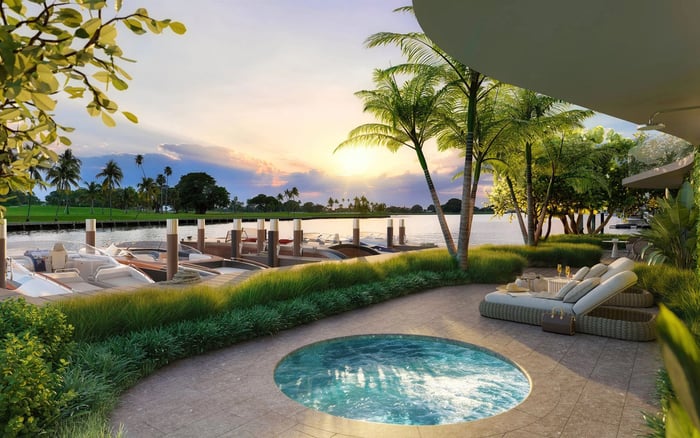
What matters most in a waterfront pool setting? Study exposure from docks, seawalls, neighboring upper floors and public approaches. Water views are valuable, but they often require careful privacy layering.
How should buyers assess pool privacy at night? Review exterior lighting, interior glass exposure and reflections. A pool that feels secluded by day can become visually exposed after sunset.
Do association rules affect pool privacy upgrades? Yes, association standards may govern materials, planting, hours, access and exterior changes. Buyers should request rules early in diligence.
What role does sound play in pool privacy? Sound affects perceived discretion as much as visual screening. Listen for roads, equipment, neighboring activity and the way voices carry across hard surfaces.
Should buyers visit the pool more than once? Yes, if possible. Different times of day can reveal shade, glare, activity patterns, lighting concerns and neighboring use that a single showing may miss.
Who should be involved in pool privacy diligence? A buyer may need an architect, landscape professional, surveyor, attorney and local permitting guidance. The right team depends on the property type and proposed changes.
For a tailored shortlist and next-step guidance, connect with MILLION.
If branded residences are on your mind — as a home or as an allocation — we would be glad to share what we are seeing, privately.
Begin a quiet conversation