A discreet look at why insurance-certificate requirements at 57 Ocean Miami Beach can raise larger questions about title, beneficial ownership, lenders, and association compliance in boutique oceanfront condominiums.
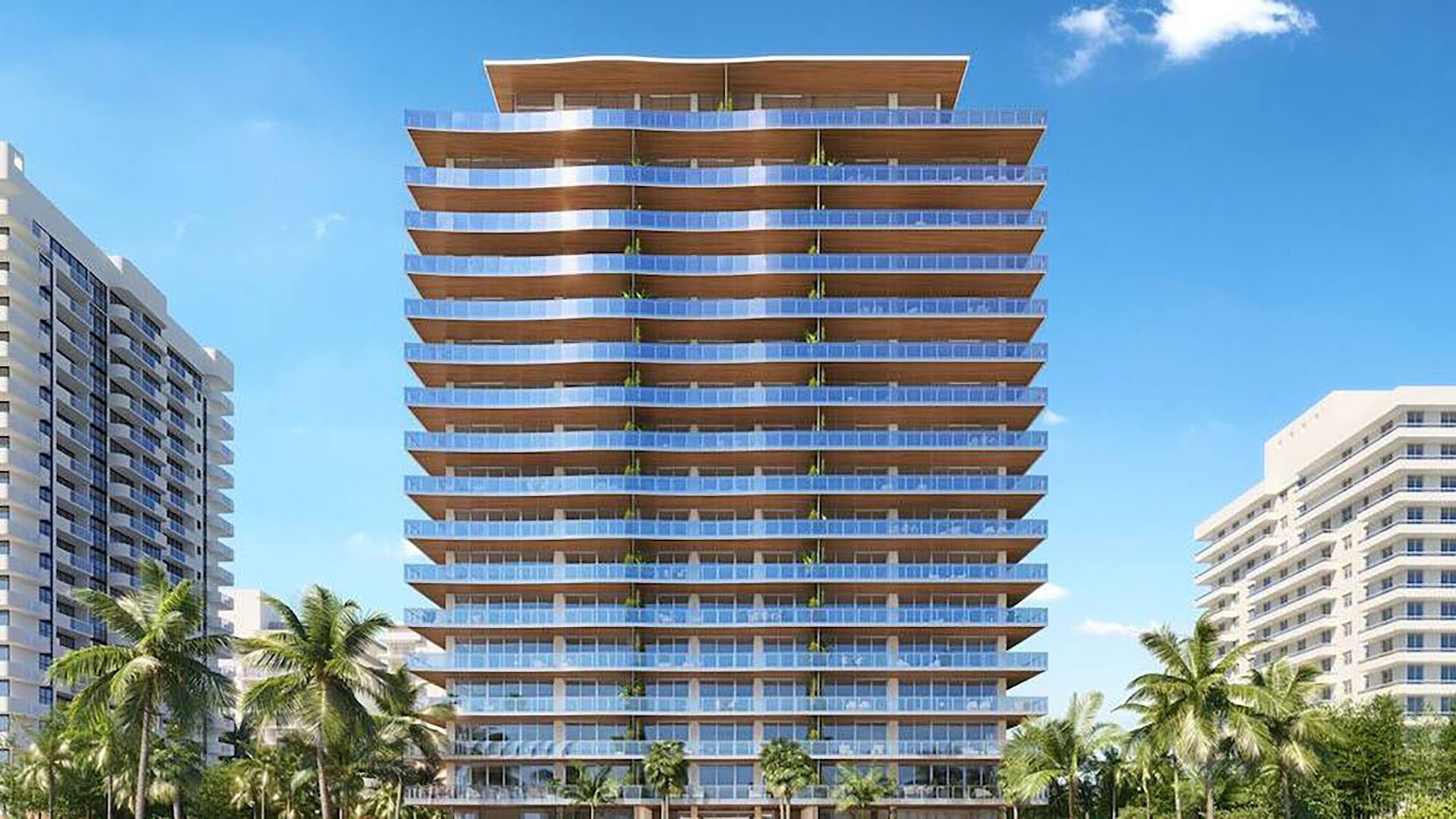
At first glance, an insurance certificate can read like routine condominium paperwork. At 57 Ocean Miami Beach, however, the more refined question is precise: who should appear as the insured party when a residence is owned through an entity, trust, or privacy-oriented structure?
That question matters because luxury condominium ownership is often more sophisticated than a simple individual deed. In Miami Beach, buyers may structure ownership through an individual name, limited liability company, trust, or another private arrangement. Documentation can therefore feel less like back-office administration and more like part of the ownership architecture.
For purchasers acquiring a second home or structuring an investment property, the named insured on a certificate may need to align with the deed holder, lender expectations, and condominium association requirements. When those layers do not match, the issue can surface quickly.
Boutique buildings tend to make details more legible. In a large resort-style tower, documentation can feel absorbed by the scale of the community. In a lower-density luxury condominium, every ownership file, certificate, and compliance request may carry more visibility because the building is intentionally intimate.
That is part of the appeal of privacy-focused Miami Beach ownership. Buyers are often purchasing not only a residence, but also order, discretion, and predictability. Insurance documentation belongs to that same ecosystem.
The key distinction is between the titled owner and the beneficial or economic owner. The titled owner is the name on the deed, which may be an individual, a limited liability company, a trust, or another structure. The beneficial owner is the person or family that ultimately controls or enjoys the asset. In many luxury transactions, those names are not the same.
The named insured on a certificate is more than a courtesy line. It is often treated as evidence that the correct party is protected under the relevant policy. If a condominium unit is titled to an entity, but the certificate names only an individual beneficial owner, the association or a lender may question whether the insured party matches the legal owner.
The reverse can also raise questions. If only the entity appears, but a lender, advisor, or family office expects the beneficial owner to be reflected in some way, the certificate may require refinement. The answer is not universal. It depends on the deed, the policy language, the lender’s requirements, and the condominium documents that govern the building.
That is why the ownership question is practical rather than theoretical. At a property such as 57 Ocean, where buyers may use trusts or entities for privacy, estate planning, liability management, or family office administration, the certificate should be reviewed as part of the broader closing and post-closing file.
Luxury Miami Beach ownership often balances discretion with compliance. An entity can preserve privacy and simplify certain planning objectives, while a trust can support estate and succession goals. Yet both structures require precision when insurance documents are requested.
If the deed holder is an entity, the certificate may need to identify that entity accurately. If a trust is the titled owner, the correct trust name and trustee capacity may matter. If the beneficial owner differs from the named legal owner, advisors may need to determine whether additional insured language, endorsements, or separate documentation is appropriate.
The same principle applies across the upper end of the market. Buyers comparing Miami Beach residences such as The Perigon Miami Beach or The Ritz-Carlton Residences® Miami Beach are often evaluating not only architecture and amenities, but also the operating culture of the building. Documentation standards are part of that culture.
An association’s request for an insurance certificate is typically meant to confirm that coverage exists and that the appropriate ownership interest is reflected. In a luxury condominium, this can intersect with mortgage documentation, risk management, and the association’s own rules.
Friction usually appears when names diverge. The deed may show one party, the policy may show another, and the lender may require a third formulation. None of those differences is automatically problematic, but each should be reconciled before a certificate is submitted as final.
For buyers using financing, lender requirements can be especially important. For cash buyers, the association’s rules and the owner’s private risk objectives may drive the review. In both cases, the certificate should not be treated as a generic form. It should be tested against the actual ownership structure.
This is also where Brickell buyers may recognize a similar pattern. In vertical luxury residences such as The Residences at 1428 Brickell, sophisticated ownership and insurance coordination can be just as important as the residence itself, particularly when title is held through entities or family structures.
Before closing, the cleanest approach is to identify the exact titled owner and compare it with every insurance document being prepared. Spelling, legal suffixes, trustee designations, and addresses should be checked carefully. Small inconsistencies can create unnecessary delays.
Next, buyers should ask whether the beneficial owner needs to appear anywhere on the insurance documentation. The answer may vary, but the question should be raised deliberately. Privacy is valuable, yet it should not compromise the clarity of coverage.
Finally, the certificate should be reviewed against association requirements and any lender instructions. In a boutique oceanfront building, the goal is not simply to satisfy a request. The goal is to create a durable ownership file that will stand up during refinancing, resale, estate planning, or a claim.
That is especially relevant for owners who view 57 Ocean Miami Beach as both a lifestyle asset and a long-term hold. The more refined the ownership structure, the more valuable it becomes to align title, insurance, and governance from the beginning.
What is the ownership question at 57 Ocean Miami Beach? It is whether the insurance certificate should name the deed holder, the beneficial owner, or both, depending on the ownership structure.
Why does this matter in a luxury condominium? Luxury buyers often use entities, trusts, or privacy structures, which can separate the titled owner from the person who economically owns the residence.
Does the named insured need to match the deed? It may need to align with the deed holder, lender requirements, and condominium association rules, so the documents should be reviewed together.
Can an LLC be the insured party? If an LLC is the titled owner, it may be appropriate for the LLC to appear on the certificate, subject to the policy and association requirements.
Can a trust own a condominium unit? A trust may be used as an ownership structure, but the insurance certificate should reflect the trust and trustee information accurately if required.
Why are boutique buildings more sensitive to documentation? In a lower-density luxury building, ownership files and compliance details may be more visible than in a much larger high-rise community.
Is this only a closing issue? No. Certificate accuracy can matter after closing during refinancing, resale, estate planning, association review, or an insurance claim.
Should beneficial owners appear on the certificate? That depends on the deed, policy language, lender instructions, and association rules, so the issue should be reviewed before submission.
What should a buyer do before submitting a certificate? Confirm the titled owner, review lender and association requirements, and coordinate the certificate with the actual insurance policy.
How should buyers approach privacy and compliance together? They should preserve discretion where appropriate while ensuring the certificate, title, lender file, and association requirements are not in conflict.
If you'd like a private walkthrough and a curated shortlist, connect with MILLION.
If branded residences are on your mind — as a home or as an allocation — we would be glad to share what we are seeing, privately.
Begin a quiet conversation