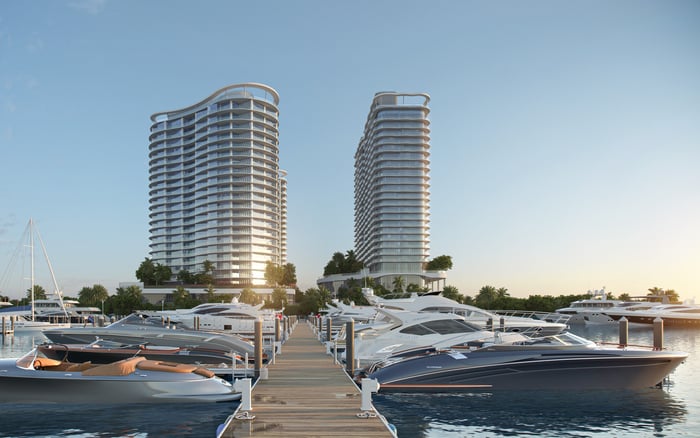
A discreet buyer’s comparison of the Fort Lauderdale and Bay Harbor Islands waterfront propositions, with emphasis on setting, ownership diligence, and carrying-cost discipline.
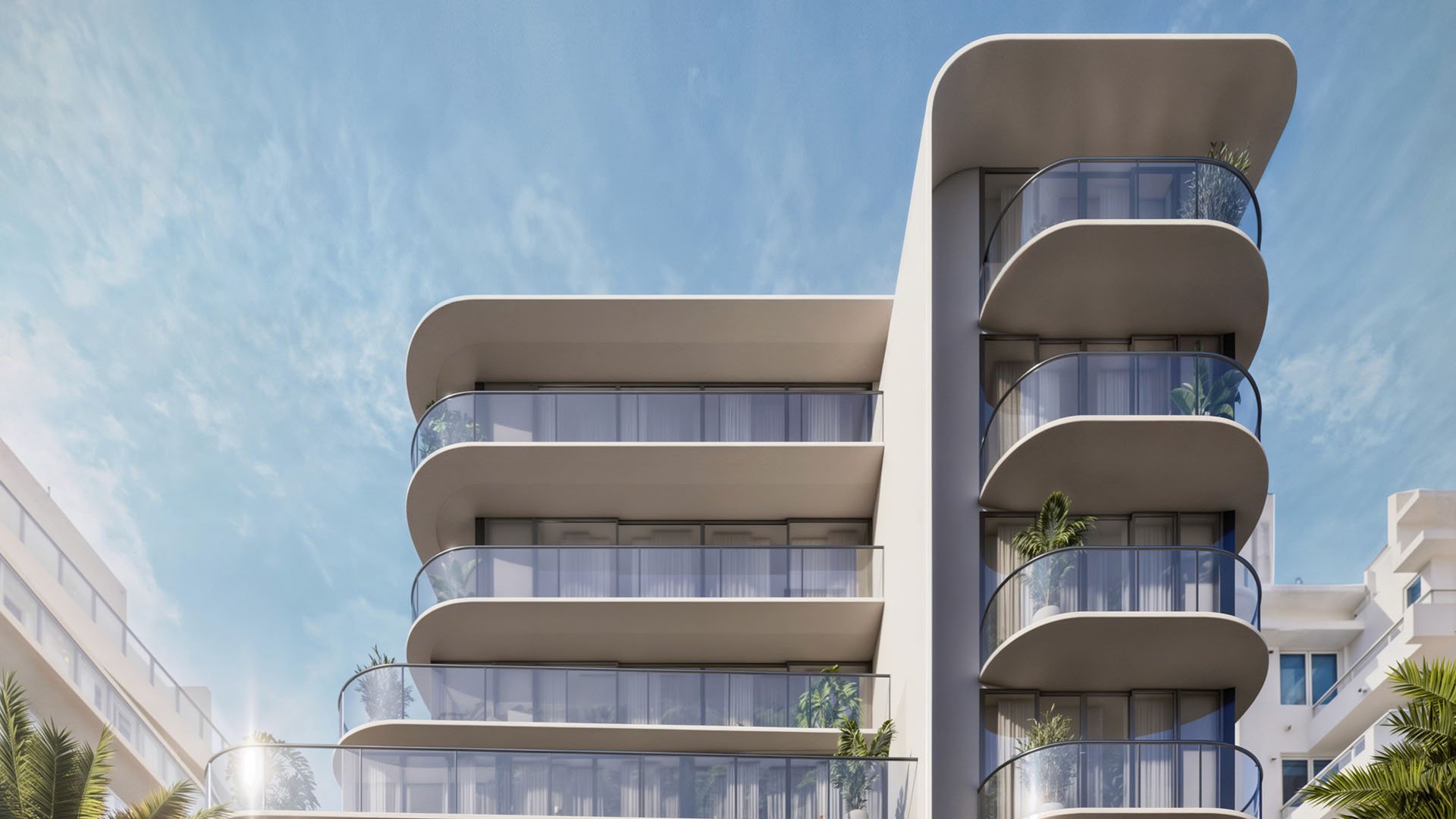
At the top of the South Florida market, the choice between spectacle and serenity is rarely superficial. One buyer may be drawn to oceanfront drama, long water views, resort-grade arrival, and the social velocity of a larger coastal city. Another may prefer bayfront calm, a more residential island cadence, and the sense of retreat that comes from being close to Miami Beach without living inside its constant movement.
That is the useful lens for reading Riva Residenze Fort Lauderdale against Alma Bay Harbor. Riva sits on the Fort Lauderdale side of this comparison. Alma Bay Harbor sits on the Bay Harbor Islands side. Beyond that, the buyer’s work is to separate romance from obligation, because waterfront ownership is ultimately measured not only by view corridors and finishes, but by the durability of the ownership structure and the annual cost of holding the asset.
Fort Lauderdale has become a more layered luxury market than its old shorthand allowed. It now speaks to buyers who want water, yachting culture, airport access, Broward convenience, and a quieter alternative to Miami’s most vertical districts. In that context, Riva Residenze Fort Lauderdale belongs in the conversation for buyers studying the city’s high-end residential pipeline rather than only legacy resale product.
The appeal of the Fort Lauderdale side is both emotional and practical. Buyers often respond to the breadth of the waterfront lifestyle, the ability to move among beach, marina, dining, and private aviation with relative ease, and the sense that the city still offers a more spacious rhythm. Nearby luxury references such as Four Seasons Hotel & Private Residences Fort Lauderdale and St. Regis® Residences Bahia Mar Fort Lauderdale underscore how the area is being read by affluent buyers: not as a secondary stop, but as a distinct coastal address.
Still, the Riva conversation should remain disciplined. Specific claims about address, tower height, unit count, developer, architect, timing, ownership rules, fees, insurance, reserves, or rental policy should be confirmed through the relevant offering, association, and disclosure materials before becoming part of an acquisition thesis.
Bay Harbor Islands carries a different kind of prestige. Its luxury is less theatrical and more residential: bridges, water, schools, walkability, proximity to Bal Harbour, and a quieter scale. Alma Bay Harbor is the Bay Harbor Islands-side project in this comparison, and its setting naturally appeals to buyers who want to be near the energy of Miami Beach and Bal Harbour without accepting the same level of density or exposure.
This is the Bay Harbor buyer who values understatement. The question is not whether the view is loud enough, but whether the daily rhythm feels protected. In the same island ecosystem, projects such as La Baia North Bay Harbor Islands and Bay Harbor Towers help illustrate why the area continues to attract buyers who want waterfront intimacy rather than skyline bravura.
As with Riva, precision matters. Any claim about Alma’s legal ownership model, construction timeline, rental limitations, maintenance obligations, reserve exposure, or insurance responsibility should be checked against governing documents and current disclosures. A bayfront address may feel calmer, but calm should never be confused with simplicity.
For high-net-worth buyers, the phrase “ownership model” should trigger a deeper review than a simple condominium-versus-alternative comparison. The real questions are more granular. What exactly is being purchased? What rights attach to the residence? How are common costs allocated? What approval rights exist? What are the rental rules? How are reserves treated? Who controls insurance decisions? How transparent is the budget?
These questions are especially important in new-construction and newer waterfront buildings, where early-stage budgets may not fully capture long-term realities. The first year of ownership can look elegant on paper. The fifth year is where governance, insurance, maintenance, and capital planning become visible.
Oceanfront and water-view residences also carry responsibilities that inland property rarely matches. Salt air, wind exposure, façade systems, elevators, pool decks, seawalls, docks, garages, landscaping, and amenity programming all have cost implications. A refined buyer does not avoid these costs; a refined buyer understands them before closing.
The most sophisticated comparison between Riva and Alma is not a design debate. It is a carrying-cost debate. Purchase price is only the opening number. Monthly maintenance, assessments, reserves, taxes, insurance, utilities, parking, storage, club-style services, staffing, and future capital work all shape the true cost of ownership.
This is where lifestyle preferences must meet documentation. A buyer considering Riva should request and review the current budget, fee schedule, insurance structure, reserve position, rental rules, and any known capital obligations once those materials are available. A buyer considering Alma should ask the same questions, without assuming that a smaller or quieter island setting automatically means lower complexity.
The better property is the one whose obligations match the buyer’s intended use. A primary resident may value governance stability and service consistency. A seasonal owner may care more about lock-and-leave operations, rental flexibility if permitted, and predictable staffing. An investment-minded buyer will scrutinize liquidity, restrictions, buyer approval, and future resale depth. The emotional waterfront decision is made on the terrace; the financial decision is made in the documents.
Riva is likely to resonate with the buyer who wants the Fort Lauderdale waterfront narrative and is comfortable underwriting a larger coastal lifestyle. Alma Bay Harbor is likely to resonate with the buyer who prefers a more measured island environment and wants proximity to Miami’s luxury core without living inside its busiest corridors.
Neither choice should be reduced to view, brand language, or renderings. The central distinction is fit. If the buyer wants breadth, movement, and a Broward coastal base, Riva deserves close attention. If the buyer wants quiet water, a more intimate neighborhood profile, and Bay Harbor Islands restraint, Alma deserves equal seriousness.
In both cases, the highest form of luxury is not excess. It is clarity: knowing exactly what is owned, what is shared, what is restricted, and what it will cost to hold the residence beautifully over time.
What is the basic difference between Riva and Alma Bay Harbor? Riva is the Fort Lauderdale-side project in this comparison, while Alma Bay Harbor is the Bay Harbor Islands-side project.
Is Riva confirmed as an oceanfront property? The available information supports its Fort Lauderdale positioning, but specific site and waterfront details should be confirmed in current project materials.
Is Alma Bay Harbor confirmed as a cooperative or condominium? The legal ownership structure should be confirmed through governing documents and current disclosures before any purchase decision.
Why do carrying costs matter so much for waterfront buyers? Waterfront buildings can involve elevated insurance, maintenance, reserve, staffing, and capital planning considerations.
Should buyers compare monthly fees alone? No. Monthly fees matter, but reserves, insurance structure, assessments, services, and rental rules can be just as important.
Which buyer is better suited to Fort Lauderdale? A buyer seeking a Broward coastal base, waterfront lifestyle, and access to Fort Lauderdale’s luxury amenities may prefer Riva’s side of the comparison.
Which buyer is better suited to Bay Harbor Islands? A buyer seeking quieter island living near Bal Harbour and Miami Beach may find Alma Bay Harbor’s setting more aligned.
Can either property be judged without reviewing documents? No. Ownership rights, use restrictions, fees, reserves, and insurance obligations should be reviewed before making a commitment.
Are rental policies important for second-home buyers? Yes. Rental rules can affect flexibility, liquidity, and the long-term financial profile of a residence.
What is the most important takeaway? Choose the setting that fits your life, then confirm that the ownership structure and carrying costs fit your balance sheet.
To compare the best-fit options with clarity, connect with MILLION.
If branded residences are on your mind — as a home or as an allocation — we would be glad to share what we are seeing, privately.
Begin a quiet conversation