A discreet buyer’s guide to acoustic privacy in Bay Harbor Islands, covering the questions to ask about glazing, party walls, mechanical systems, terraces, and waterfront sound before purchasing a luxury residence.
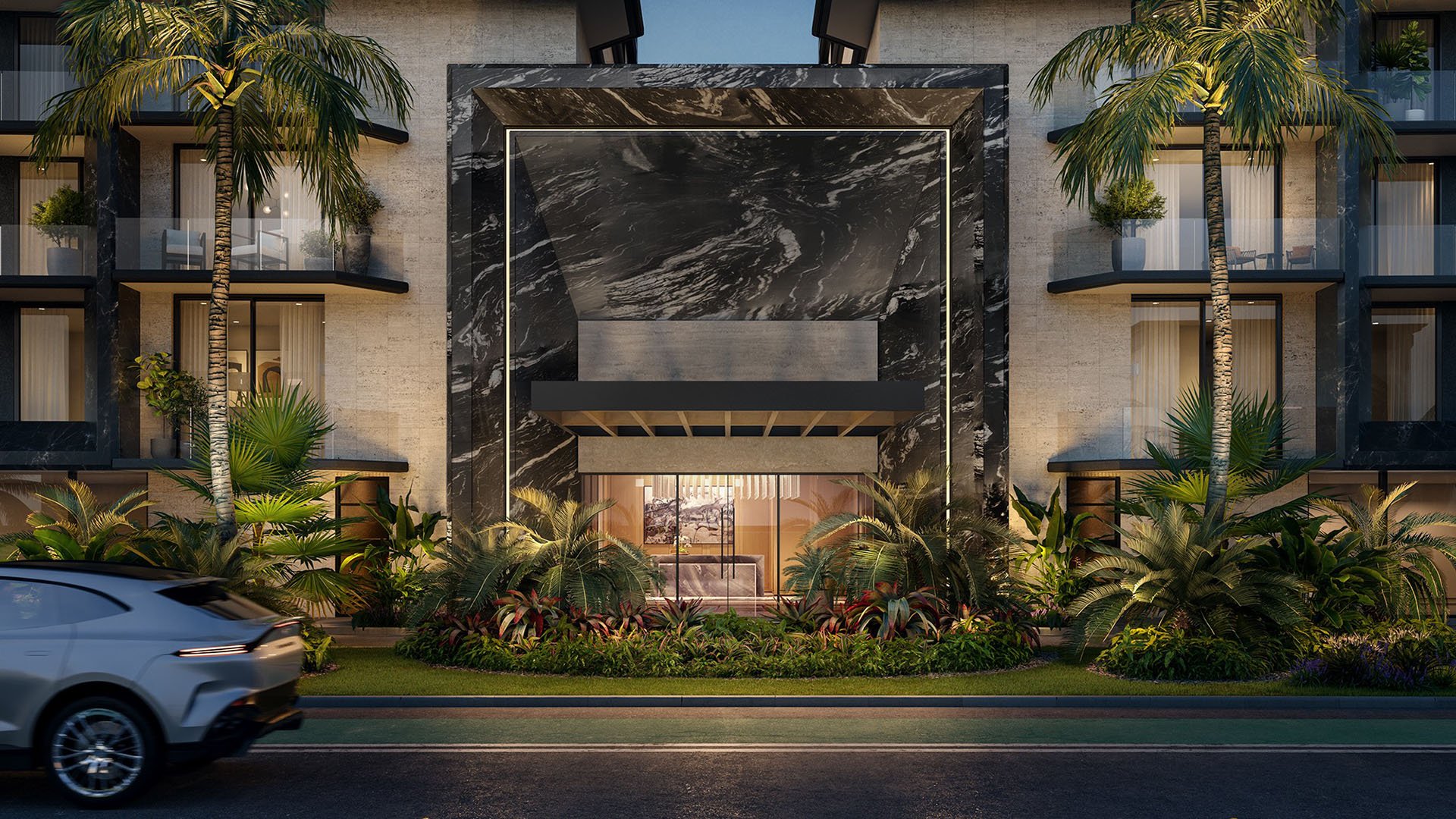
In Bay Harbor Islands, sophisticated buyers often lead with light, views, parking, terraces, finish packages, and access. Fewer begin with sound. Yet acoustic privacy is one of the clearest distinctions between a beautiful residence and a genuinely livable one. It shapes sleep, concentration, entertaining, recovery, and the sense of retreat that defines true luxury.
The essential question is not whether a residence feels quiet during a brief showing. It is whether the building, unit placement, and surrounding exposure support privacy throughout the day and evening. Waterfront settings, causeway movement, neighboring terraces, amenity spaces, elevators, service areas, and mechanical systems can all influence how a home feels once it is occupied.
For a Bay Harbor Islands buyer, acoustic due diligence should be as deliberate as reviewing floor plans or kitchen specifications. The goal is not to eliminate every sound. It is to understand which sounds are present, how they are controlled, and whether the residence’s acoustic profile matches the way you intend to live.
Before focusing on finishes, ask what the residence faces. A quiet interior during a mid-morning tour may perform differently at sunset, during weekend activity, or when nearby boating and vehicle patterns shift. Buyers should ask which side of the building is most exposed to traffic, water activity, service access, loading areas, pool decks, or shared outdoor amenities.
Waterfront views can be exceptional, but waterfront living still deserves careful evaluation. Ask whether the terrace orientation, glass line, and bedroom placement are designed to reduce exterior sound. If the primary suite faces the same exposure as the main entertaining terrace, the acoustics may matter more than they would in a secondary bedroom or study.
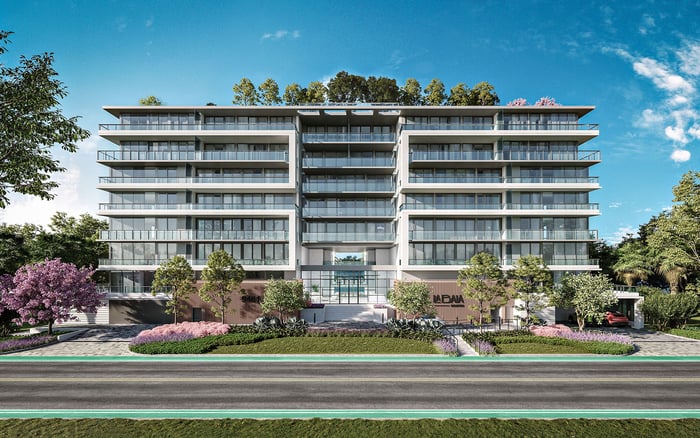
When comparing residences such as La Baia North Bay Harbor Islands and Onda Bay Harbor, listen from the rooms where silence matters most: the primary bedroom, office, den, and main seating area. A dramatic terrace is valuable, but the interior retreat behind it must be equally convincing.
A polished sales gallery can suggest serenity, but acoustic performance comes from assemblies, detailing, and execution. Ask whether the building team can explain the intended acoustic treatment for exterior glazing, demising walls between residences, floor and ceiling assemblies, elevator-adjacent walls, corridor doors, and mechanical spaces.
The most useful questions are specific. What type of glass is used at the exterior wall? Are bedroom windows and sliding doors treated differently from living room openings? How are walls between residences constructed? What measures separate homes from corridors, elevator banks, trash rooms, and service closets? Are mechanical systems isolated to reduce vibration?
You do not need to become an engineer to ask intelligently. You do need to move beyond broad assurances. In luxury real estate, “quiet” should be supported by design decisions. If a representative cannot explain where sound is expected to come from and how the building addresses it, continue asking until the answer becomes practical.
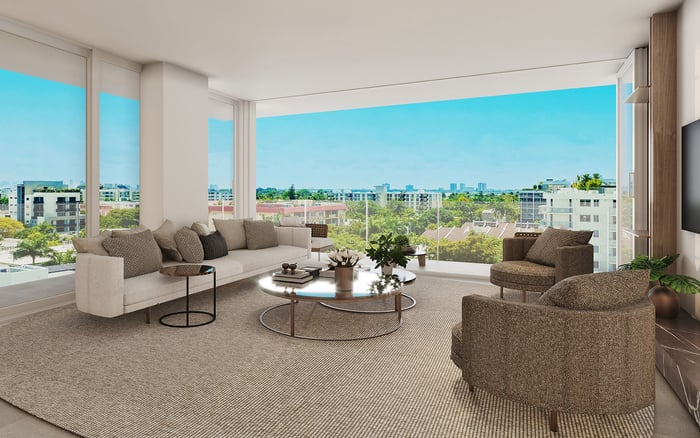
The standard showing path is often too short and too flattering. Acoustic privacy deserves a slower visit. Stand silently in the primary suite for several minutes. Close all balcony doors. Turn off music. Listen near the entry door, inside the dressing area, beside the headboard wall, and near the air-conditioning returns.
If possible, visit at more than one time of day. A residence can feel hushed in the afternoon and more active at night. Weekday and weekend impressions may differ. Ask to experience the unit with doors closed and open, with mechanical systems running, and from both indoor and terrace positions.
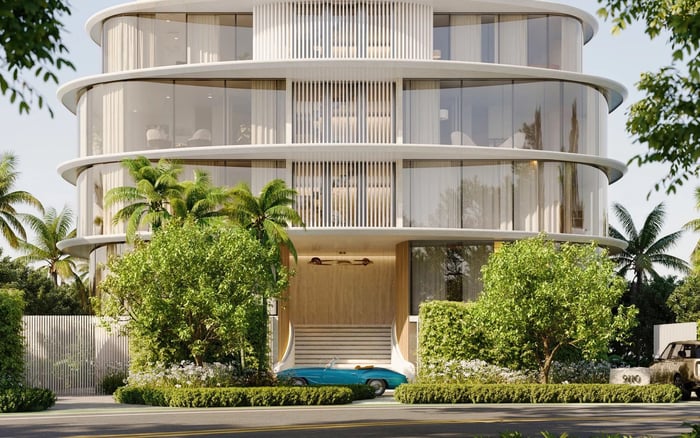
At boutique projects such as Alana Bay Harbor Islands and Bay Harbor Towers, the intimacy of the building can be part of the appeal. That makes adjacency even more important: what sits above, below, beside, and across the corridor from the residence you are considering.
In many luxury homes, unwanted sound does not come from the obvious places. It travels through small weaknesses: a front door without a proper seal, a poorly isolated plumbing stack, an air-conditioning register too close to a sleeping area, or an elevator wall behind a bedroom.
Ask where the elevators are in relation to the residence. Ask whether the unit shares walls with mechanical rooms, stairwells, amenity spaces, storage rooms, or service areas. Ask whether the primary bedroom is stacked below another residence’s living room, terrace, or kitchen. Ask about the location of plumbing lines behind bathroom and bedroom walls.
Flooring also matters. Hard surfaces are beautiful, but impact sound from footsteps, moving furniture, or dropped objects can travel if floor assemblies are not properly managed. If you are purchasing in a condominium, ask about flooring rules, underlayment requirements, renovation approvals, and enforcement standards. A building’s quietness is not only a construction issue. It is also a governance issue.
Acoustic privacy is not the same as absolute silence. A waterfront residence may carry soft exterior ambience. A lively building may have occasional hallway movement. The question is whether sound feels intrusive, repetitive, or identifiable. The most concerning acoustic issues are often the ones that make another person’s routine perceptible inside your private space.
Listen for voices through walls, footsteps from above, elevator chimes, door closings, plumbing rushes, gym vibration, pool activity, garage doors, and mechanical cycling. Ask whether any model unit or completed residence can demonstrate the building’s real-world performance. If buying pre-construction, ask how the design team intends to handle the most sensitive adjacencies.
Buyers considering wellness-oriented residences such as The Well Bay Harbor Islands may be especially attuned to rest, recovery, and sensory calm. In that context, acoustic privacy is not a minor comfort. It is part of the value proposition of the home itself.
Before committing, include acoustic questions in your advisory process. Request available specifications, review the floor plate, identify neighboring uses, and consider an independent inspection when appropriate. If the residence is complete, spend enough time inside to notice patterns rather than impressions. If it is under development, focus on the clarity of the design response.
For resale properties, ask whether the current owner has made any acoustic upgrades, such as improved door seals, window treatments, wall treatments, or mechanical adjustments. Also ask whether there have been noise complaints in the building, how they are handled, and whether the association has clear rules for flooring, renovations, pets, deliveries, and amenity use.
The most elegant homes are not merely photogenic. They create control: control over light, climate, access, service, and sound. In Bay Harbor Islands, that control is essential because the lifestyle is both connected and private. The buyer who asks the right acoustic questions is not being difficult. They are protecting the daily experience that makes a luxury residence worth owning.
What is the first acoustic question to ask before buying? Ask where the residence is most exposed: traffic, water activity, amenities, elevators, corridors, service rooms, or neighboring terraces.
Should I visit the residence more than once? Yes. Visit at different times of day when possible, because a home’s sound profile can change with daily routines and surrounding activity.
Which rooms should I test most carefully? Focus on the primary bedroom, office, den, and main living area, since those rooms most affect rest, work, and entertaining.
Why does glazing matter for acoustic privacy? Exterior glass and door systems help shape how much outside sound reaches the interior, especially near terraces and waterfront exposures.
Are high floors always quieter? Not always. Height can change the type of sound you hear, but orientation, glazing, and nearby mechanical systems still matter.
What should I ask about neighboring units? Ask what is above, below, and beside the residence, especially near bedrooms, living rooms, kitchens, terraces, and bathrooms.
Can mechanical systems create noise issues? Yes. Air-conditioning equipment, pumps, elevator systems, and service areas can create sound or vibration if not properly isolated.
How do condominium rules affect acoustic privacy? Rules on flooring, renovations, pets, deliveries, and amenity use can influence how consistently quiet a building feels over time.
Is acoustic privacy important in new construction? Yes. Buyers should ask how the design addresses exterior sound, shared walls, floor assemblies, corridors, and mechanical spaces.
Should acoustic concerns affect my offer or contract review? They can. If quiet living is essential, make acoustic diligence part of your inspection, advisory, and negotiation process.
For a confidential assessment and a building-by-building shortlist, connect with MILLION.
If branded residences are on your mind — as a home or as an allocation — we would be glad to share what we are seeing, privately.
Begin a quiet conversation