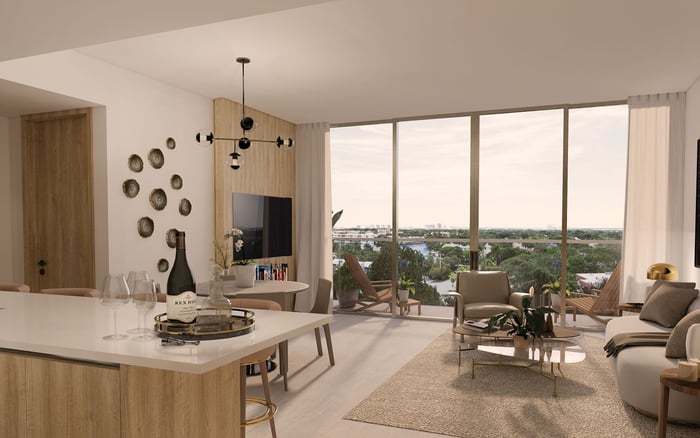
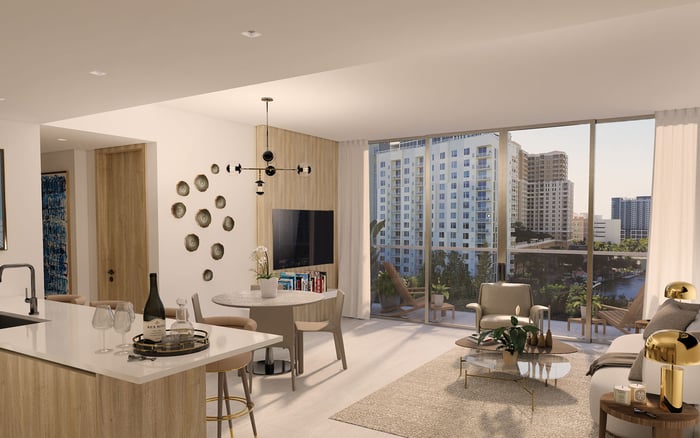
A buyer-focused guide to reviewing wine storage, backup cooling, service access, and building operations before purchasing a luxury residence in Fort Lauderdale.

For many luxury buyers, a wine room is no longer an ornamental gesture. It is part of the residence’s private infrastructure, closer to art storage, wellness systems, and security than to a conventional bar feature. In Fort Lauderdale, where buyers often balance waterfront living, travel schedules, entertaining, and seasonal use, wine storage deserves the same discipline applied to elevators, glazing, smart-home systems, and mechanical rooms.
The central question is not whether a residence has a beautiful display wall. It is whether the collection can remain stable when the owner is away, when the home is full of guests, when maintenance is required, and when cooling systems are under stress. That distinction matters whether a buyer is considering a single-family waterfront estate, a high-service tower on Fort Lauderdale Beach, or a lock-and-leave residence near Las Olas.
Buyers touring Four Seasons Hotel & Private Residences Fort Lauderdale, St. Regis® Residences Bahia Mar Fort Lauderdale, or any other premium building should treat wine storage as a technical conversation, not merely an amenity conversation.
A buyer should begin by defining the collection’s actual requirements. A few hundred bottles for entertaining can be supported differently than a long-term cellar holding age-worthy vintages. A display wall in a dining room may suit near-term drinking inventory, while a serious collection may need a dedicated, insulated, mechanically cooled environment with controlled light exposure and minimal vibration.
Capacity is often misunderstood. A wine wall that looks generous can become restrictive once bottle formats vary. Champagne, magnums, wood cases, and irregular shapes change the usable count. Before purchasing, ask whether the stated capacity is based on standard bottle assumptions and whether shelving can be adjusted without compromising airflow.
The strongest solution is usually layered. A visible selection near the dining or lounge area can support the theater of hospitality, while reserve inventory remains in a more protected room. This is especially relevant for a second home where owners may entertain intensively during visits, then leave the residence quiet for extended periods.
The performance measure that matters most is stability. Wine is less interested in drama than consistency. Buyers should ask how the storage area is cooled, where the equipment is located, how service technicians access it, and whether the system is independent from the residence’s general air conditioning.
A dedicated wine cooling system is often preferable to relying on ambient room conditions. It should be evaluated for noise, drainage, ventilation, access panels, and maintenance requirements. If the system is hidden behind millwork, confirm that the design still allows practical service. A beautiful cellar that requires demolition for repairs is not luxury. It is deferred inconvenience.
Glass deserves particular scrutiny. Many wine rooms are designed as architectural showcases, yet transparent walls can introduce heat and light challenges if they are not handled carefully. Ask about insulated glass, door seals, lighting type, and whether sunlight reaches the bottles at any point in the day. In a residence with broad exposures or dramatic views, design should support preservation rather than compete with it.
Backup cooling is where buyers can separate cosmetic wine storage from resilient wine storage. The question is simple: what happens if power is interrupted, an equipment component fails, or the owner is unreachable?
In a condominium or branded residence, ask whether any generator support extends to in-unit wine storage, common-area wine lockers, or only to life-safety and selected building systems. Buyers should not assume that a building generator protects every private feature. If backup support is not provided directly, determine whether a supplemental solution is feasible under building rules.
For residences such as Riva Residenze Fort Lauderdale and The Ritz-Carlton Residences® Fort Lauderdale, the right due diligence is less about comparing brand names and more about asking precise operational questions. Who receives an alert if the wine room rises above the desired range? Is monitoring local, app-based, or integrated into a broader home system? Is there a protocol for contacting the owner, property manager, or service vendor?
In a single-family acquisition, backup planning can be more customized. Buyers can examine generator capacity, panel allocation, transfer systems, and whether the wine room is on a protected circuit. They should also ask whether the cooling system restarts automatically after an interruption or requires manual intervention.
Wine storage often sits at the intersection of architecture and mechanics. The best rooms appear effortless, but they are planned with practical access in mind. Buyers should look beyond finishes and ask where compressors, condensers, drains, and controls are located.
A cellar near a primary entertaining space may feel glamorous, but if equipment noise travels into the dining room, lounge, or primary suite, the design can become tiresome. A wine room tucked into a hallway may preserve privacy, yet it may also complicate deliveries and restocking. In vertical residences, elevator access, service corridors, and building rules for deliveries can affect how gracefully the cellar functions.
For buyers considering Sixth & Rio Fort Lauderdale or properties near Las Olas, the lock-and-leave question is particularly important. Can a property manager inspect the system without entering private bedroom areas? Can service be scheduled without disrupting the owner’s arrival? Does the building allow approved vendors to access the residence when the owner is away?
Some luxury buildings may offer shared or managed wine storage, while others rely entirely on private in-residence solutions. Each model has advantages. Common-area storage can reduce the burden of in-unit mechanical systems and may be useful for owners who entertain within the building. Private storage offers immediacy, discretion, and full control over presentation.
Buyers should clarify assignment, capacity, access hours, security, insurance expectations, and transferability. If a wine locker or cellar allocation is described as part of the lifestyle offering, ask whether it is deeded, licensed, reserved, or subject to building policies. The distinction can affect both daily convenience and resale perception.
Private cellars should be evaluated as part of the floor plan. A dramatic glass room that takes space from a family room may not be the best choice for every buyer. Conversely, a discreet service-zone cellar may be ideal for collectors who value preservation over display. The right answer depends on lifestyle, collection value, and how the residence will be used.
Before going under contract, buyers should request a focused review of wine storage and cooling systems. The review should include equipment condition, installation quality, drainage, insulation, electrical support, monitoring, and service history where available. For new development or pre-completion purchases, buyers should ask what is included, what is an upgrade, and what must be designed after closing.
Contract language matters. If wine storage is represented as a meaningful feature, buyers should understand whether equipment, racks, controls, lighting, and monitoring devices are included. In resale homes, confirm whether specialty appliances or control systems convey. In new residences, confirm whether renderings show conceptual styling or delivered specifications.
This is where disciplined buyer guidance becomes especially useful. The most successful purchasers do not ask whether a cellar is impressive. They ask whether it is quiet, serviceable, monitored, resilient, and proportionate to the way they actually live.
Fort Lauderdale attracts buyers who value water, privacy, yachting access, beach proximity, and sophisticated ease. Wine storage should reinforce that lifestyle, not create anxiety. A residence that will sit vacant between visits needs remote oversight. A home designed for frequent entertaining needs accessible serving inventory. A collector’s property needs preservation-grade planning that remains discreet.
The best wine environments disappear into the rhythm of the home. They keep the collection protected, make hosting intuitive, and allow owners to leave town without wondering what is happening behind a glass door. In that sense, backup cooling is not a technical footnote. It is part of the luxury promise.
Should I prioritize a private wine room or building wine storage? Prioritize the option that matches how you live. Private storage is best for daily access, while managed storage can suit owners who want simplicity.
Is a glass wine wall enough for a serious collection? It can work for display or short-term inventory, but serious collections usually require careful temperature control, light management, and service access.
What is the most important question about backup cooling? Ask what happens when power or equipment fails. The answer should identify monitoring, response protocol, and whether the system has protected power.
Should wine cooling be separate from the home’s air conditioning? For meaningful collections, a dedicated system is often preferable because wine storage has different stability requirements than living spaces.
Can I add a wine room after closing? Often, but feasibility depends on space, ventilation, drainage, electrical capacity, and building rules. Review those items before purchase.
Do new residences always include the wine storage shown in renderings? Not necessarily. Buyers should confirm what is delivered, what is optional, and what is merely conceptual design imagery.
How should seasonal owners think about wine storage? They should emphasize remote monitoring, vendor access, and clear response protocols. Absence makes operational planning more important.
What should I ask about service access? Ask where equipment is located, how technicians reach it, and whether repairs can occur without disturbing finished millwork or private areas.
Does a wine room improve resale appeal? It can strengthen appeal for the right buyer, especially when it is elegant and technically sound. Poorly planned systems may do the opposite.
What is the best way to shortlist comparable options for touring? Start with location fit, delivery status, and daily lifestyle priorities, then compare stacks and elevations to validate views and privacy.
To compare the best-fit options with clarity, connect with MILLION.
If branded residences are on your mind — as a home or as an allocation — we would be glad to share what we are seeing, privately.
Begin a quiet conversation