A practical luxury-buyer guide to evaluating package-room capacity, delivery flow, staff protocols, cold storage, privacy, pet supply logistics, and long-term building readiness in South Florida condominiums.

In South Florida luxury buildings, buyers often scrutinize views, ceiling heights, parking, wellness amenities, and private elevator entries. The package room receives far less attention, yet it is among the spaces most likely to shape daily life. It is also one of the clearest indicators of how deliberately a building manages modern residential service.
A well-planned package operation is more than a storage closet. It is a controlled point of arrival for fashion, wine, specialty groceries, documents, pet supplies, furnishings, prescriptions, and the steady rhythm of household logistics. In a primary residence, it supports routine. In a second home, it protects continuity while the owner is away. In a pied-à-terre, it can determine whether deliveries feel effortless or exposed.
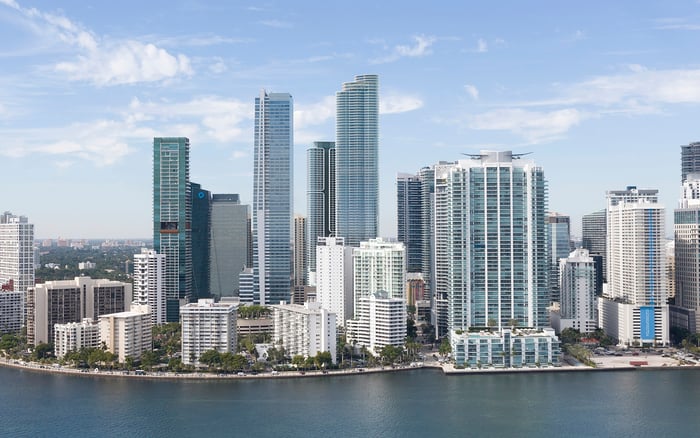
For buyers comparing Brickell, Edgewater, Aventura, Surfside, and other waterfront or urban submarkets, package-room capacity deserves the same scrutiny as valet circulation or security staffing. It is not glamorous, but in a building with ambitious service standards, it is essential.
The first question is not simply whether the building has a package room. The sharper question is whether the package room matches the building’s delivery profile. A boutique building with large residences may have fewer units but heavier individual delivery volume. A tower with many part-time owners may see surges around holidays, seasonal arrivals, and major events. A pet-friendly building may receive frequent recurring shipments for food, grooming, medication, and accessories. Pets, in this context, are not just an amenity category; they are a logistical pattern.
Ask how deliveries enter the property, where carriers are received, and whether the path from loading area to package room crosses resident-facing spaces. A refined building separates service movement from arrival theater. The lobby should remain composed even when the back-of-house operation is busy.
Buyers should also ask whether the package room was planned as part of the original service program or adapted later. New construction often has a clearer opportunity to integrate dedicated space, but new construction alone is not a guarantee of capacity. Execution matters more than marketing language.
The simplest visual test is whether the room appears calm. If packages are stacked on the floor, leaning against walls, or spilling into adjacent corridors, the building may already be operating beyond comfort. A luxury package room should have clear zones: small parcels, hanging items, refrigerated or temperature-sensitive items where available, oversized boxes, and items awaiting owner pickup or staff delivery.
Oversized storage deserves particular scrutiny. South Florida buyers routinely furnish terraces, refresh wardrobes, receive seasonal equipment, and coordinate home-service supplies. A room that works for envelopes and shoe boxes may fail when confronted with art crates, outdoor furnishings, baby gear, golf equipment, or bulk household deliveries. Even if the building has a separate receiving area, ask how long large items may remain there and who is responsible for moving them to the residence.
The best operations reduce ambiguity. They provide defined shelving, a clear scanning or logging process, and enough room for staff to work without improvisation. Improvisation is what turns a service amenity into a source of friction.
Capacity is partly architectural, but it is also operational. A beautiful room can underperform if the staffing model is weak. Buyers should ask who accepts packages, during what hours, and what happens when deliveries arrive outside those hours. They should also ask whether residents receive digital notifications, whether signatures are recorded, and how the building handles disputed or missing items.
In a high-service condominium, chain of custody is a privacy issue as much as a convenience issue. The resident should not have to ask multiple staff members where a delivery went. The system should know. Clear internal procedures protect residents, staff, and the association.
For buyers evaluating resale residences, this is an especially useful line of inquiry. A mature building has a service history. Ask how the package operation has adapted over time, whether the association has expanded the area, modified staffing, or changed resident pickup policies. The answer reveals how the building responds when lifestyle patterns evolve.
Luxury delivery is often personal. Garments, medical items, legal documents, gifts, electronics, and household purchases can reveal more than an owner intends. The package room should therefore be secure, discreet, and professionally managed.
Look for controlled access rather than open resident browsing. A package area where residents sift through shelves is not ideal for privacy. Ask whether cameras monitor the room, who can enter, and whether staff retrieve items on behalf of residents. Also ask how the building handles deliveries for guests, household employees, family offices, and personal assistants.
Discretion extends to visibility. Packages should not be staged in the lobby, left near elevator banks, or placed outside residence doors for long periods unless explicitly requested. In humid, high-traffic, hospitality-influenced South Florida settings, the line between convenience and carelessness can be thin. The most polished buildings understand that unseen service is often the most valuable service.
Food, flowers, wellness products, specialty beverages, and temperature-sensitive items have made cold storage a meaningful consideration. Not every building will offer refrigeration, but every buyer should ask how perishable deliveries are handled. The answer should be specific.
If refrigeration exists, ask about capacity, labeling, notification speed, and pickup expectations. If it does not, ask whether staff alert residents immediately, whether perishable items are held separately, and whether there are limits on what the building will accept. The goal is not to demand every feature. The goal is to understand whether the service model reflects how the household actually lives.
This matters for owners who travel frequently. A delivery that arrives while the owner is in another city should not create anxiety. The building’s protocol should make absence manageable.
South Florida buildings operate within a seasonal rhythm. Owners arrive for extended stays, guests come and go, holidays create volume, and storm preparation can increase deliveries of supplies, equipment, and household essentials. A package room that performs well in a quiet week may become stressed during peak periods.
Buyers should ask how management handles volume spikes. Does the building add staffing? Are residents reminded to retrieve items promptly? Is there temporary overflow space? Are oversized items scheduled rather than accepted without notice? The strongest answer will sound structured, not casual.
Storm readiness is also practical. Buyers should ask whether package areas are protected from water intrusion, whether deliveries can continue during limited-access periods, and how management communicates changes in acceptance policies. Package rooms are rarely discussed in resilience conversations, but they are part of the building’s operational backbone.
Before contract, request a direct explanation of the package policy. Ask how many days items may be held, what fees or restrictions apply to large deliveries, whether movers and delivery vendors need reservations, and whether staff can bring packages to residences. Ask if there are rules for alcohol, medical deliveries, refrigerated items, and third-party couriers.
Then visit the package area if possible. A quick look can reveal whether the written policy is lived in practice. Shelves, labels, lighting, access control, staff confidence, and the absence of clutter all communicate more than a brochure ever could.
For ultra-premium buyers, this is not a minor operational note. It is a proxy for the building’s service culture. If management treats the package room with discipline, there is a greater chance that other invisible systems are treated with discipline as well.
Why should luxury buyers care about package-room capacity? Because delivery flow touches daily privacy, convenience, staffing, and the overall service experience of the building.
Is a larger package room always better? Not always. Zoning, staff procedures, access control, and oversized-item handling can matter as much as square footage.
What should I look for during a building tour? Look for organized shelving, clear labels, secure access, clean circulation, and no overflow into resident-facing spaces.
Should second-home buyers ask different questions? Yes. They should focus on holding periods, notifications, perishable items, and procedures while the owner is away.
How important is refrigerated storage? It is increasingly useful for flowers, groceries, wellness items, and temperature-sensitive deliveries, but protocols matter too.
Can package-room issues affect privacy? Yes. Open shelves, visible labels, and casual access can expose personal purchasing patterns or sensitive deliveries.
What should pet owners ask? Ask how recurring pet-supply deliveries, heavy bags, medications, and grooming items are received and stored.
Do resale buildings need extra scrutiny? They deserve careful review because delivery habits may have changed since the original building program was designed.
What is the best question to ask management? Ask what happens on the busiest delivery day of the year and how the building prevents overflow or confusion.
What is the best way to shortlist comparable options for touring? Start with location fit, delivery status, and daily lifestyle priorities, then compare stacks and elevations to validate views and privacy.
For a confidential assessment and a building-by-building shortlist, connect with MILLION.
If branded residences are on your mind — as a home or as an allocation — we would be glad to share what we are seeing, privately.
Begin a quiet conversation