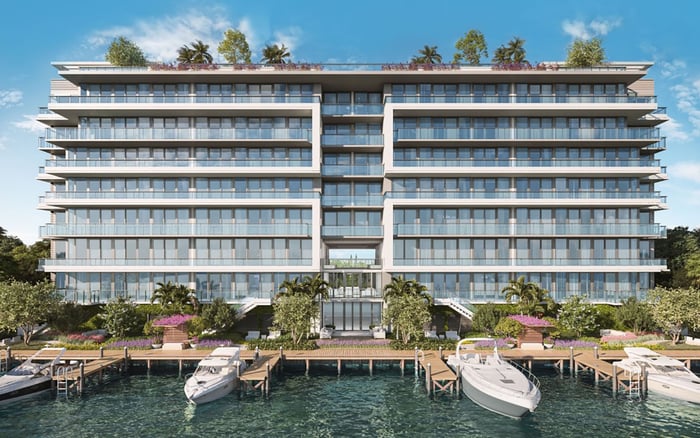
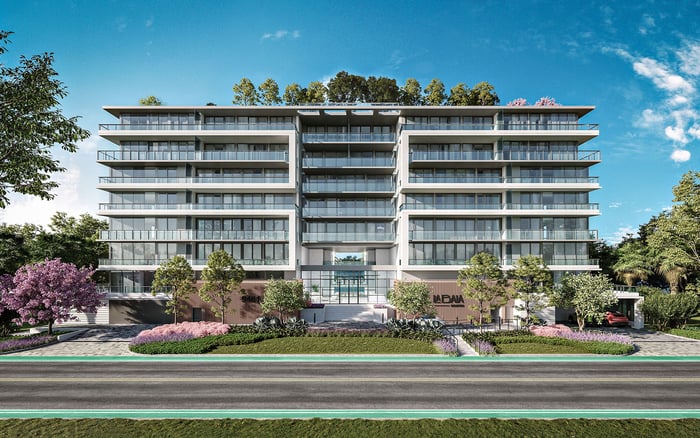
A discreet look at why affluent South Florida buyers are gravitating toward residential hospitality, comparing Bay Harbor Islands and Boca Raton options that emphasize service, privacy, and calmer ownership.
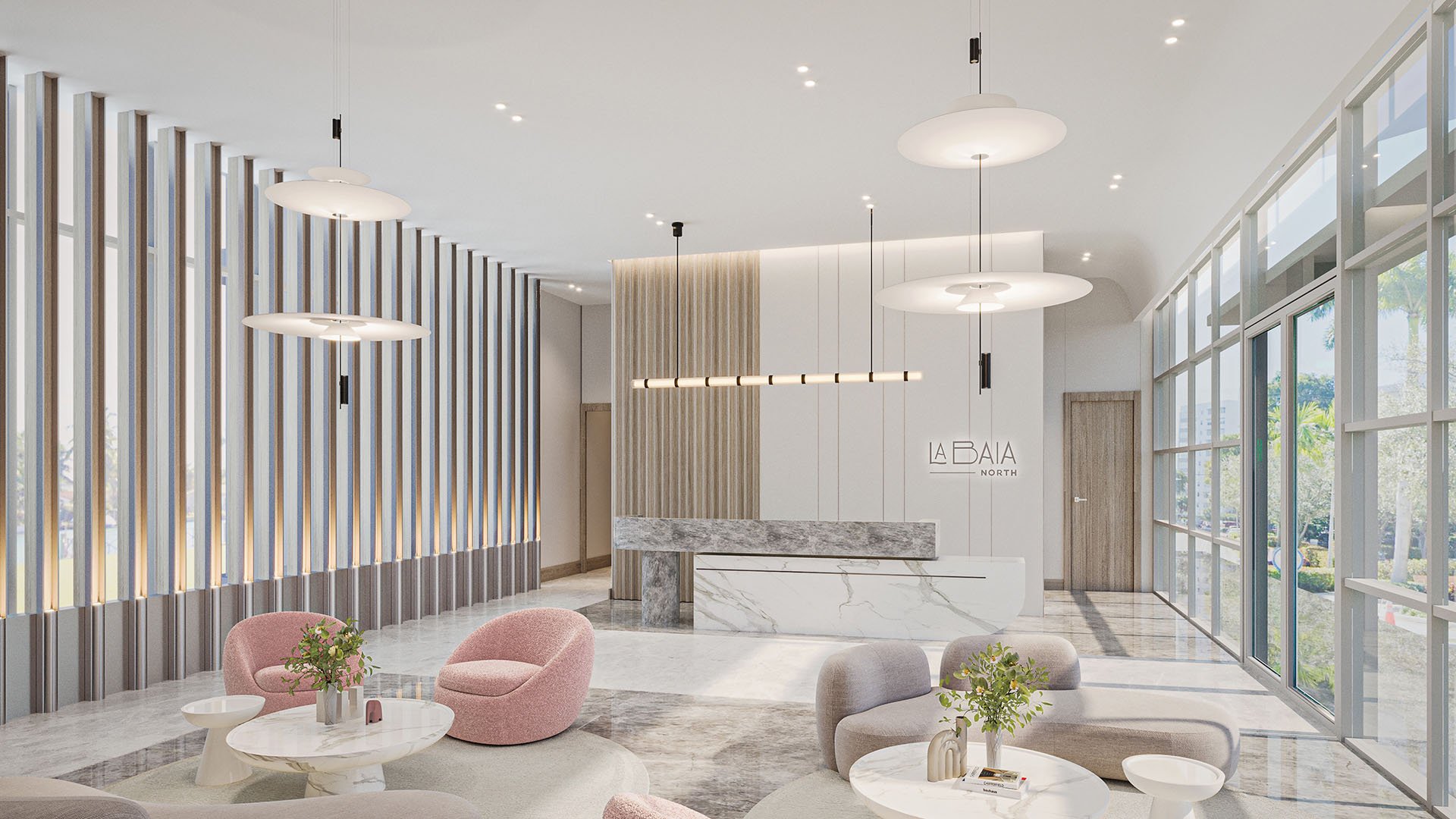
For a certain South Florida buyer, the old luxury equation is no longer sufficient. A beautiful residence, a refined address, and a polished amenity deck still matter, but they do not answer the more personal question: how public will daily life feel once ownership begins?
That question sits at the center of the buyer logic behind La Baia North Bay Harbor Islands, The Residences at Mandarin Oriental Boca Raton, and Mila Bay Harbor Islands. Each speaks to affluent purchasers who value the ease of hospitality, but not necessarily the social density of a public resort. They want service to be present, trained, and intuitive, while the building itself remains fundamentally residential.
This is a subtle but important shift. The buyer is not rejecting hospitality. The buyer is rejecting friction: unfamiliar foot traffic, transient energy, and the sense that private amenities are functioning as an extension of a public hotel. In this frame, hospitality becomes a private ownership amenity rather than a public resort experience.
Bay Harbor Islands works especially well for this thesis because it offers proximity to Miami-area luxury without the same feeling of constant public movement associated with more heavily trafficked coastal hospitality zones. The appeal is not isolation. It is controlled access, a calmer rhythm, and a more residential island atmosphere.
La Baia North and Mila Bay Harbor Islands both belong in this conversation because they allow buyers to consider Bay Harbor Islands through a service-oriented lens without reframing ownership as hotel life. For the Bay Harbor buyer, that distinction can be decisive. The goal is not to be far from dining, shopping, beaches, or the broader Miami luxury circuit. The goal is to return to a residence that feels composed after participating in that circuit.
This is where the word boutique matters. Smaller-feeling residential environments can create a more predictable daily experience than properties where amenity spaces, lobbies, and arrivals are shaped by visitors as much as owners. The value proposition becomes less about spectacle and more about privacy, pace, and confidence that the building’s energy is aligned with residents first.
The Residences at Mandarin Oriental Boca Raton brings the same buyer logic north into Palm Beach County. Its relevance is not merely that it is branded. The more precise point is that hospitality association is translated into a residential ownership context, appealing to buyers who want hotel-level polish without surrendering the private cadence of home.
That distinction matters in Boca Raton because many luxury buyers there are deliberately choosing refinement over intensity. They may want the reassurance of a hospitality-led residential concept, but they also want discretion, consistency, and a setting that feels less exposed than a public-facing resort environment.
In that sense, Boca Raton broadens the comparison beyond Miami-Dade. The desire for serviced living is not limited to one shoreline or one urban submarket. It reflects a regional luxury preference: South Florida buyers increasingly want their residences to absorb the effort of ownership while protecting the emotional privacy that made them want a residence in the first place.
The common buyer across these three projects is not shopping amenities in the abstract. They are underwriting an experience. Design, location, and services all matter, but privacy and controlled access belong to the same value equation.
For a primary resident, that may mean a building where daily routines feel composed and recognizable. For a second-home buyer, it may mean arrival without operational hassle and departure without concern that the residence is part of a constantly shifting public environment. For families, it may mean a softer threshold between the world outside and the residence inside. For executives, it may mean discretion that extends beyond the front door.
The luxury here is psychological as much as physical. A residence can be exquisitely designed and still feel too public. Conversely, a building that manages access, service, and atmosphere with restraint can create a sense of privilege that does not need to announce itself.
Buyers comparing La Baia North, Mila, and The Residences at Mandarin Oriental Boca Raton should resist reducing the decision to a checklist. New-construction buyers often begin with amenity categories, then discover that the true difference lies in how those amenities are delivered and who is sharing them.
The sharper comparison is experiential. Does the building feel residential first? Does the service model support ownership without making the property feel transient? Does the location provide access to South Florida’s luxury ecosystem while still allowing retreat? Does the arrival sequence feel calm or performative? Does the building’s atmosphere support discretion rather than exposure?
These questions are especially relevant in markets where resort-style language is used broadly. A pool, lounge, wellness space, or concierge concept may sound similar across properties, yet the ownership experience can differ dramatically depending on whether the building is designed around residents or around public hospitality traffic.
For this buyer, the premium is not only for what exists within the property. It is for what does not intrude.
Across South Florida, the most sophisticated buyers are separating five-star service from five-star crowds. They are not asking for less. They are asking for a cleaner hierarchy: residents first, service second, public access last or not at all.
This is why Bay Harbor Islands and Boca Raton can sit in the same editorial frame despite their different geographies. La Baia North and Mila express the residential island version of the thesis, close to Miami’s luxury infrastructure but removed from its more public hospitality tempo. The Residences at Mandarin Oriental Boca Raton expresses the branded-service version, where the hospitality association is powerful precisely because it is delivered in a private residential format.
The buyer logic is therefore less about choosing between Miami-Dade and Palm Beach County than choosing the right kind of ease. In each case, the desired outcome is a residence that functions with the grace of hospitality but feels like a private address, not a lobby shared with strangers passing through.
Why are buyers focused on hospitality without heavy public traffic? They want service, convenience, and polish while preserving the privacy and predictability of a residential setting.
How does La Baia North fit this buyer profile? La Baia North fits buyers seeking a Bay Harbor Islands residential alternative to more heavily trafficked coastal hospitality zones.
How does Mila Bay Harbor Islands fit the same logic? Mila supports the same low-traffic, residential-hospitality thesis for buyers who want service-oriented living without public hotel crowds.
Why include The Residences at Mandarin Oriental Boca Raton? It shows how the desire for hotel-level service in a private residential format extends into Boca Raton and Palm Beach County.
Is this trend only about branded residences? No. The broader trend is about hospitality-style service delivered in a controlled residential atmosphere, branded or not.
What is the main privacy concern for these buyers? Buyers are often sensitive to transient guests, public-facing operations, and tourist foot traffic that can dilute the feeling of home.
Why is Bay Harbor Islands relevant for discreet luxury buyers? It offers a residential island setting near Miami-area luxury amenities without positioning ownership as a public hotel experience.
What should buyers compare beyond amenities? They should compare access, atmosphere, service delivery, location, and whether the building feels residential first.
Does hospitality-style service reduce privacy? Not necessarily. In the right residential format, service can enhance ease while maintaining discretion and controlled access.
What is the best way to shortlist comparable options for touring? Start with location fit, delivery status, and daily lifestyle priorities, then compare stacks and elevations to validate views and privacy.
For a tailored shortlist and next-step guidance, connect with MILLION.
If branded residences are on your mind — as a home or as an allocation — we would be glad to share what we are seeing, privately.
Begin a quiet conversation