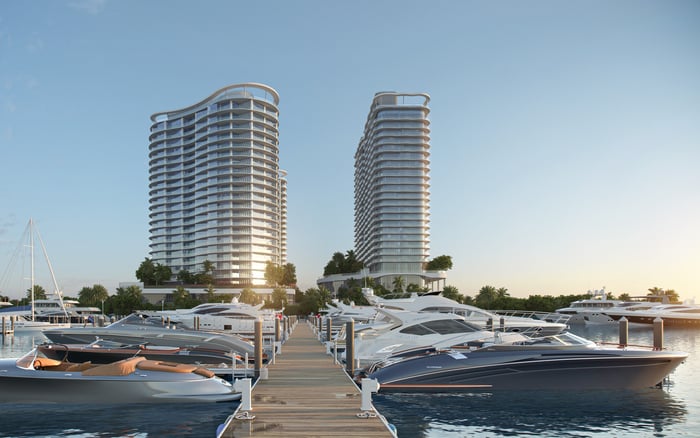
A discerning guide to evaluating marina-adjacent Fort Lauderdale homes with discipline, from dock rights and seawall condition to privacy, rules, insurance, and daily livability.
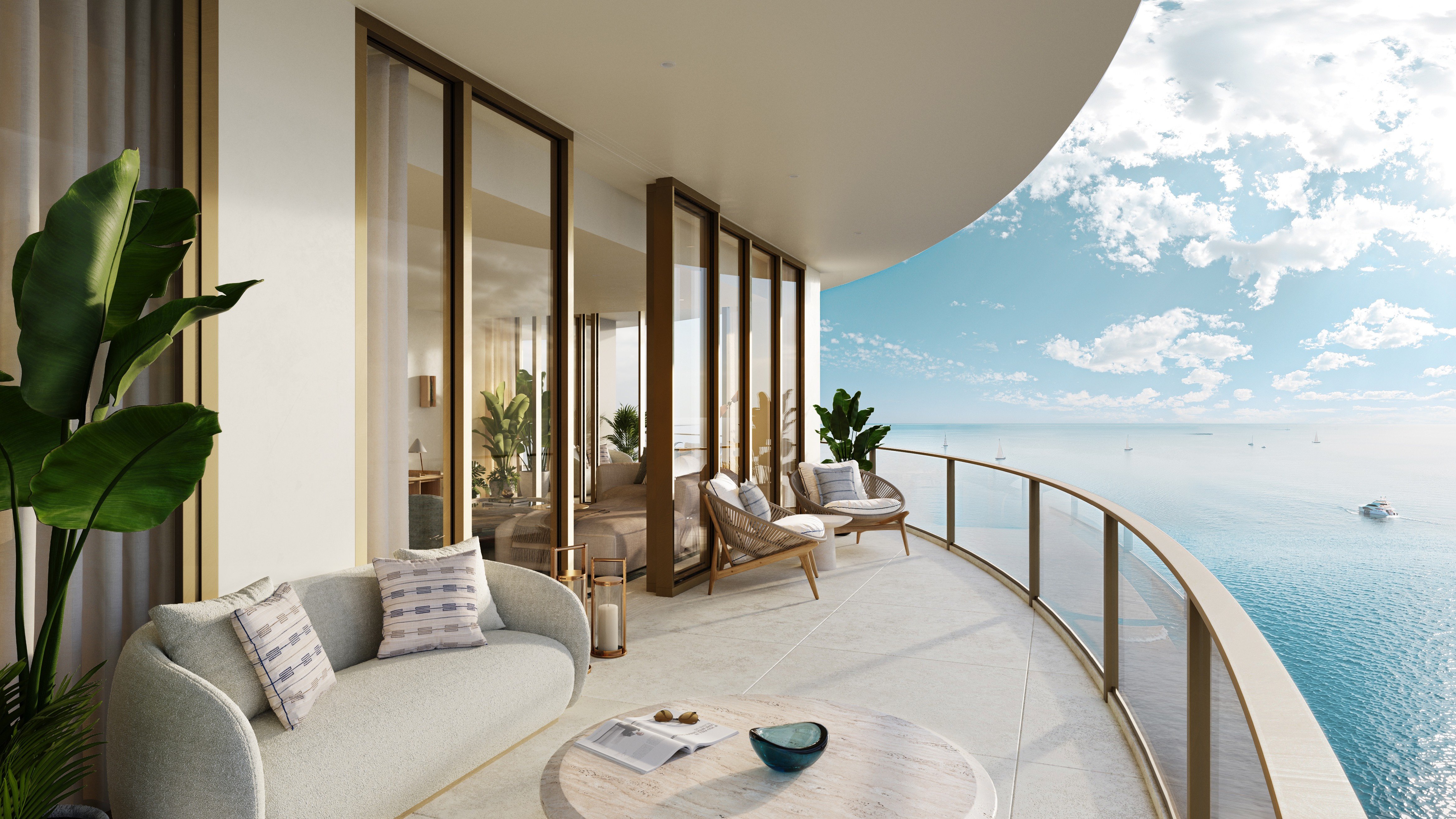
A marina-adjacent home in Fort Lauderdale can disarm even the most disciplined buyer. The water moves, the boats create theater, and the evening light begins selling the property before the front door opens. Yet the strongest purchase is rarely the one made in the first three minutes of arrival. It is the one that treats the view as an invitation to investigate, not as proof of value.
For a luxury buyer, the question is not simply whether the home looks beautiful from the terrace. It is whether the property performs as a private residence, a marine asset, and a long-term holding. The distinction matters. Two homes may share the same blue horizon, while only one has the structure, access, rules, and quiet daily rhythm that make waterfront ownership feel effortless.
In a refined Fort Lauderdale search brief, labels such as Marina, Boat-slip, and Waterview can be useful shorthand. They are not a substitute for diligence. Serious evaluation begins when those words are translated into rights, costs, exposures, and lifestyle realities.
Before studying finishes, stand outside and read the water. Is the view open, framed, or interrupted by other vessels? Does the outlook feel serene, or is the home visually exposed to a dock, promenade, restaurant edge, or neighboring balcony? A marina view can feel cinematic from one angle and unexpectedly public from another.
Visit at more than one time of day when possible. Morning light may be gentle, while afternoon glare can make certain terraces less usable. Evening activity may add charm, or it may bring noise, headlights, and movement directly into the living areas. Wake, engine sound, dock lighting, and service activity are all part of the ownership experience, even when they are absent from the photography.
Test the interior from the water-facing rooms as well. A great marina-adjacent home does not depend on a single postcard moment. The primary suite, kitchen, living room, and outdoor areas should each have a reason to belong to the waterfront.
The phrase can mean several different things. It may describe a residence near a marina, a home with a private dock, a condominium with limited access to slips, or a property that enjoys the view but offers no direct boating utility. These distinctions are central to value.
Ask whether any dockage is deeded, assigned, leased, transferable, or subject to availability. Clarify whether vessel size, lift installation, shore power, water service, and guest dockage are permitted. If a slip exists, understand whether it belongs to the property, the association, a marina operator, or a separate agreement.
This is where romance must yield to documents. A buyer who intends to keep a boat should not rely on lifestyle language. The purchase should be supported by written rights, operating rules, and a practical review of access from the dock to open water.
Waterfront ownership places unusual demands on a home. Seawalls, docks, pilings, lifts, drainage, exterior metals, mechanical systems, glass, roofing, and landscape materials all live in a more demanding environment. A polished interior can distract from marine infrastructure that will define future maintenance.
A disciplined inspection should include specialists familiar with waterfront conditions. The condition of a seawall, the suitability of a dock, the capacity of a lift, and the quality of drainage are not decorative details. They influence insurance discussions, renovation timing, and the comfort of ownership.
Access deserves the same scrutiny. Canal width, turning ease, nearby bridges, current, and neighboring boat traffic can affect daily use. A residence may look ideally positioned on a map yet feel cumbersome from the helm. For buyers who boat frequently, this evaluation should carry as much weight as the kitchen plan.
Marina-adjacent living is shaped by governance. In a condominium or association setting, the rules may address vessels, rentals, pets, guests, contractors, noise, exterior changes, storage, lifts, and use of common areas. In single-family settings, local regulations and neighboring conditions still matter.
The most elegant ownership experience is usually the one with the fewest surprises. Review budgets, maintenance obligations, insurance requirements, reserve posture, approval procedures, and any restrictions that affect how the home will actually be used. If the residence is intended as a second home, ease of arrival, security, property management, and storm preparation become especially important.
Buyers comparing a house with a serviced condominium lifestyle may naturally look at Fort Lauderdale waterfront references such as Riva Residenze Fort Lauderdale and St. Regis® Residences Bahia Mar Fort Lauderdale. The point is not that one format is superior. It is that the governance, service model, and marine relationship should match the owner’s rhythm.
A marina setting offers a rare blend of water, movement, and proximity. It can also introduce daily considerations that a purely oceanfront or inland estate may not present. Deliveries, valet flow, restaurant traffic, dock crews, fuel activity, and event evenings can alter the tone of a street or building.
Privacy is not only a matter of lot size. It is created by elevation, setbacks, landscaping, window placement, dock orientation, and the angle of neighboring views. A home can feel private from the street yet exposed from the water. Conversely, a well-positioned residence can sit near activity while preserving a calm interior life.
For buyers who want hospitality-level ease, projects such as Four Seasons Hotel & Private Residences Fort Lauderdale may provide a useful comparison point. For those weighing a more branded residential environment near the coast, The Ritz-Carlton Residences® Fort Lauderdale offers another framework for thinking about service, arrival, and long-term care.
The premium in a marina-adjacent home is not only the visible water. It is the combination of scarcity, usability, privacy, marine rights, condition, and the likelihood that the home will remain desirable as buyer expectations evolve. A lesser view with stronger utility may be more valuable than a dramatic outlook with compromised access or uncertain rules.
Ask what cannot be easily changed. Finishes can be replaced. Furniture can be edited. Even floor plans can sometimes be improved. But orientation, adjacent use, dock rights, bridge exposure, street character, and the basic marine condition of the property are far less flexible.
The best offer strategy is calm and evidence-based. It accounts for the emotional power of the setting while assigning value to the practical elements that protect the investment. In Fort Lauderdale, the right marina-adjacent home should feel beautiful on arrival and still make sense after the documents, inspections, and daily-use questions have been answered.
Is a marina view enough to justify a premium? Not by itself. The premium should be supported by privacy, condition, usable outdoor space, and clear marine or lifestyle benefits.
What is the first document to review for dockage? Start with the ownership or association documents that define whether dockage is deeded, assigned, leased, transferable, or restricted.
Should I inspect the seawall separately from the home? Yes. Waterfront infrastructure deserves specialized review because its condition can influence maintenance planning, insurance, and future renovation decisions.
How important is bridge access for a boating buyer? It can be critical. The ease of moving from dock to open water should be evaluated in relation to the vessel and the owner’s boating habits.
Can a marina-adjacent condominium be easier than a single-family home? It may be, depending on services, staffing, maintenance structure, and rules. The better choice depends on how much control and responsibility the owner wants.
What daily nuisances should I test before buying? Pay attention to noise, lighting, wake, privacy, traffic, odors, service activity, and how the property feels at different times of day.
Do association rules affect boating use? Often, yes. Rules may address vessel size, lifts, guests, storage, exterior work, and access to common marine facilities.
Is a home with no private dock still worth considering? Yes, if the view, location, privacy, and lifestyle fit the buyer. It should not be priced as though it offers private dock utility if it does not.
What should second-home buyers prioritize? Security, storm preparation, property management, insurance requirements, and ease of arrival are especially important for owners who are not in residence full time.
When should I bring in marine specialists? Early in the diligence period. Their perspective can clarify dock, seawall, lift, drainage, and access questions before the purchase becomes emotional.
For a discreet conversation and a curated building-by-building shortlist, connect with MILLION.
If branded residences are on your mind — as a home or as an allocation — we would be glad to share what we are seeing, privately.
Begin a quiet conversation